Army regulations, the bedrock of military order, are more than just a collection of rules. They are a living testament to the evolution of warfare, technology, and societal values. From the first codified regulations that emerged centuries ago to the complex directives that govern modern militaries, these regulations have shaped the conduct of armies and the very fabric of society.
This exploration delves into the historical context of army regulations, tracing their development across nations and through time. We’ll examine the key milestones that have shaped their evolution, the impact of technology, and the intricate relationship between regulations and military doctrine.
History and Evolution of Army Regulations
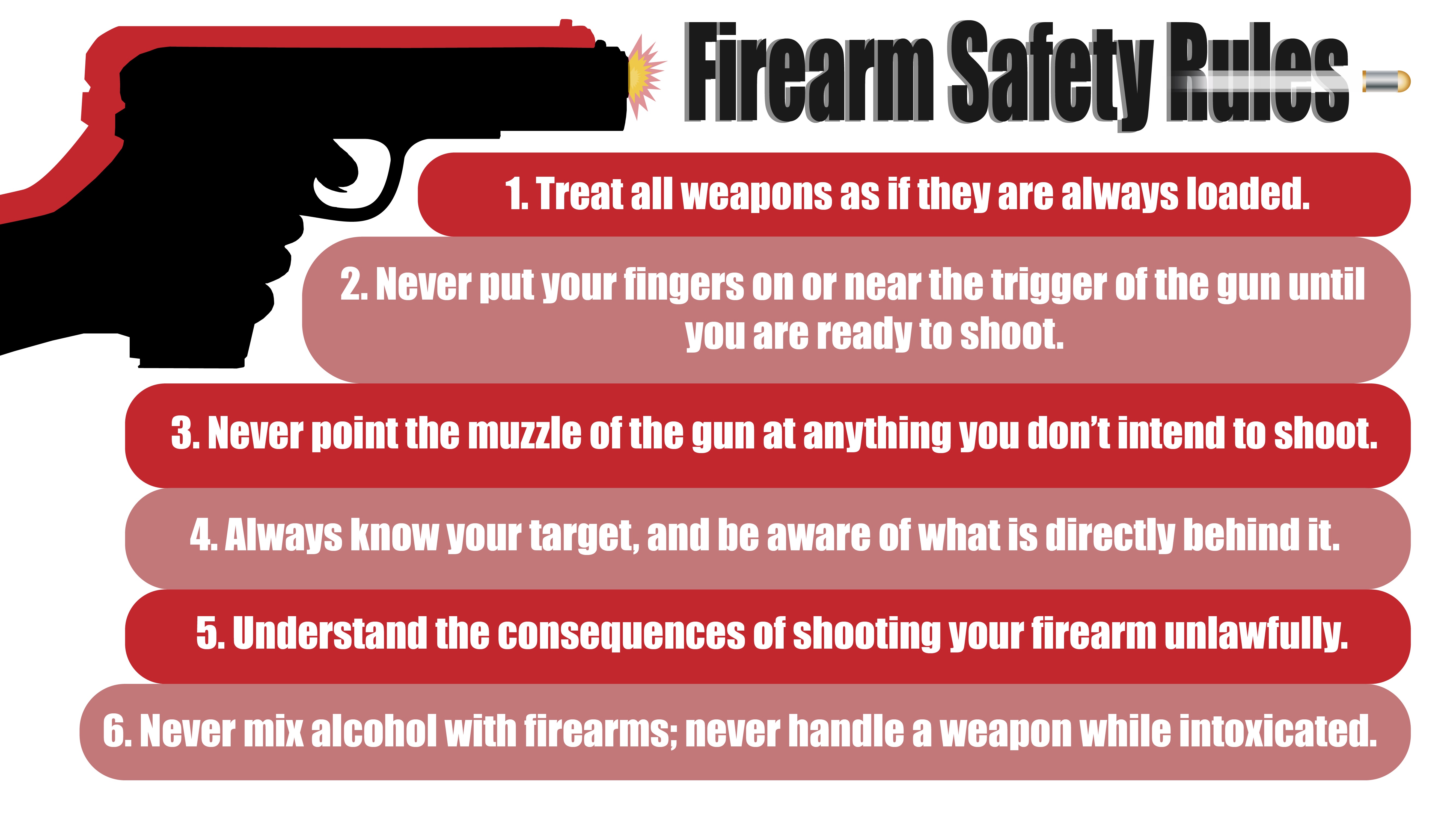
Army regulations are the backbone of military organizations, providing the framework for discipline, structure, and operational effectiveness. These regulations have evolved over centuries, reflecting changes in warfare, technology, and societal values. This exploration delves into the historical context, major milestones, and cross-cultural comparisons of army regulation development, highlighting the influence of technology on this dynamic process.
Historical Context of the First Army Regulations
The creation of codified army regulations can be traced back to ancient civilizations, with early examples emerging in ancient Rome, China, and India. These regulations primarily focused on maintaining order, discipline, and military effectiveness within armies. However, the first comprehensive and formalized army regulations emerged in the early modern period, driven by the rise of professional armies and the increasing complexity of warfare.The primary motivations behind establishing these regulations were:* Maintaining order and discipline: With the growth of professional armies, it became essential to establish clear rules and procedures to ensure discipline, prevent mutiny, and maintain order within military units.
Standardizing training and procedures
Codified regulations provided a standardized framework for training soldiers, ensuring consistent skill levels and operational effectiveness across the army.
Defining chain of command and responsibilities
Establishing clear lines of authority and responsibility within the military hierarchy was crucial for effective command and control.Several historical events and societal pressures influenced the development of these early regulations:* The Renaissance and the rise of professional armies: The Renaissance saw the emergence of professional armies, replacing feudal levies and requiring standardized training and discipline.
The development of gunpowder weapons
The introduction of gunpowder weapons led to changes in tactics and strategies, necessitating the development of new regulations for handling firearms and artillery.
The growth of nation-states
The consolidation of nation-states and the emergence of standing armies created a need for centralized regulation and control over military forces.The structure and content of these early regulations differed significantly from modern regulations:* Focus on basic discipline and drill: Early regulations primarily focused on maintaining discipline, basic drills, and the proper use of weapons.
Limited scope
The scope of early regulations was relatively narrow, covering only a limited range of military activities.
Less emphasis on legal aspects
Early regulations lacked the extensive legal framework and procedures found in modern regulations.
| Country | First Codified Army Regulations | Key Features |
|---|---|---|
| United States | “Regulations for the Army of the United States” (1776) | Focused on basic discipline, drill, and organization; limited scope; influenced by British military tradition. |
| United Kingdom | “Articles of War” (1689) | Established legal framework for military justice; focused on discipline and order; influenced by historical precedents. |
| France | “Ordonnances” of Louis XIV (1660s-1680s) | Comprehensive regulations covering all aspects of military organization, training, and operations; emphasized centralized control and discipline. |
Major Milestones and Changes in Army Regulations over Time
Army regulations in the United States have undergone significant transformations over the course of its history, reflecting evolving military doctrines, technological advancements, and societal changes.Key periods of transformation in army regulations and the driving forces behind these changes include:* The American Civil War (1861-1865): The Civil War led to the development of new regulations for larger armies, including standardized equipment, logistics, and medical care.
World War I (1914-1918)
The industrialization of warfare and the introduction of new technologies like machine guns and tanks required significant changes in army regulations, including training, tactics, and logistics.
World War II (1939-1945)
The global conflict and the rise of air power led to the development of new regulations for combined arms warfare, air defense, and strategic planning.
The Cold War (1947-1991)
The Cold War saw the development of regulations for nuclear warfare, sophisticated technology, and the emergence of new threats like terrorism.
The War on Terror (2001-present)
The War on Terror has led to changes in army regulations to address asymmetric warfare, counterinsurgency operations, and the use of technology in combat.The evolution of army regulations reflects broader societal changes and evolving military doctrines:* The increasing complexity of warfare: As warfare became more complex, army regulations expanded to cover a wider range of topics, including logistics, communications, and technology.
The changing role of the military
The military’s role has evolved from primarily defending national borders to engaging in peacekeeping, humanitarian aid, and counterterrorism operations, necessitating changes in regulations.
Technological advancements
Technological advancements have had a profound impact on army regulations, requiring adjustments to accommodate new weapons, communication systems, and tactics.
- “Regulations for the Army of the United States” (1776): The first codified regulations for the Continental Army, laying the foundation for military discipline and organization.
- “Articles of War” (1806): Revised and expanded regulations, establishing a legal framework for military justice and discipline.
- “General Regulations for the Army of the United States” (1825): Comprehensive regulations covering all aspects of army life, including training, discipline, and administration.
- “Field Service Regulations” (1861): Regulations developed during the Civil War, standardizing equipment, logistics, and medical care.
- “Army Regulations” (1910): Comprehensive regulations reflecting the changes in military doctrine and technology following World War I.
- “Field Manual” (1941): Regulations developed during World War II, emphasizing combined arms warfare and air power.
- “Army Regulations” (1950s-present): Ongoing revisions and updates to reflect technological advancements, evolving military doctrines, and societal changes.
Comparison of Army Regulation Evolution in Different Countries
The evolution of army regulations across different countries reveals both similarities and differences, influenced by unique cultural, political, and military factors.
| Country | Key Milestones | Influencing Factors |
|---|---|---|
| United States | “Regulations for the Army of the United States” (1776), “Articles of War” (1806), “General Regulations for the Army of the United States” (1825), “Field Service Regulations” (1861), “Army Regulations” (1910), “Field Manual” (1941), “Army Regulations” (1950s-present) | British military tradition, Civil War, World Wars, Cold War, War on Terror, technological advancements, societal changes. |
| United Kingdom | “Articles of War” (1689), “Mutiny Act” (1689), “Queen’s Regulations” (19th century), “King’s Regulations” (20th century), “Joint Service Publication” (present) | Historical precedents, colonial expansion, Napoleonic Wars, World Wars, technological advancements, changing military doctrines. |
| China | “Military Code of the People’s Republic of China” (1980), “Regulations on the Handling of Military Crimes” (1980), “Regulations on the Administration of the Armed Forces” (1996) | Communist ideology, political control, military modernization, technological advancements, evolving national security threats. |
Technology’s Influence on Army Regulation Development
Technological advancements have played a pivotal role in shaping the development of army regulations throughout history. New weapons, communication systems, and transportation technologies have required adjustments to regulations, impacting their structure, content, and enforcement.Specific examples of how technological innovations have led to changes in army regulations include:* Gunpowder: The introduction of gunpowder weapons in the 14th century led to changes in tactics, formations, and training, requiring new regulations for handling firearms and artillery.
Firearms
The development of more powerful and accurate firearms throughout history has led to changes in army regulations, including training, safety procedures, and the use of force.
Communication technologies
Advances in communication technologies, such as the telegraph, radio, and satellite communication, have revolutionized military operations, necessitating new regulations for secure communication, command and control, and information sharing.
Drones
The emergence of drones in recent decades has led to changes in army regulations, including their use in surveillance, reconnaissance, and targeted strikes, raising ethical and legal considerations.Technology has impacted the structure, content, and enforcement of regulations:* Structure: Technological advancements have led to the development of more complex and specialized regulations, addressing the intricacies of modern warfare and the use of advanced technologies.
Content
Army regulations now include sections on cyber warfare, information operations, and the use of artificial intelligence, reflecting the growing importance of technology in modern military operations.
Enforcement
Technology has enabled the development of new tools for enforcing army regulations, including surveillance systems, biometric identification, and automated reporting systems.
“The introduction of the telegraph in the mid-19th century revolutionized military communication, enabling commanders to receive real-time information from the battlefield and issue orders more effectively. This led to the development of new regulations for the use of the telegraph in military operations, including procedures for transmitting sensitive information and ensuring the security of communications.”*History of Military Communications* by James R. Elkins.
5. Compliance and Enforcement of Army Regulations

Army regulations are the backbone of military order and discipline, ensuring that operations run smoothly and effectively. Adherence to these regulations is crucial for maintaining unit cohesion, operational readiness, and the safety of all personnel. This section delves into the mechanisms for ensuring compliance, the consequences of violating regulations, the role of leadership in enforcement, and real-world examples of success and failure.
Mechanisms for Ensuring Compliance
Compliance with Army regulations is not merely a matter of following rules; it’s a fundamental aspect of military culture. Several mechanisms are employed to ensure that personnel understand and adhere to these regulations.
- Formal Channels for Reporting Violations: The Army provides clear channels for reporting violations of regulations. Soldiers can report violations to their immediate supervisor, unit leadership, or through the chain of command. These channels allow for prompt investigation and appropriate action to be taken.
- Unit-Level Inspections: Unit-level inspections are a regular occurrence in the Army. These inspections evaluate a unit’s adherence to regulations, including equipment maintenance, personal appearance, and administrative procedures. Inspections serve as a deterrent to violations and help identify areas requiring improvement.
- Training and Education: The Army invests heavily in training and education to ensure that personnel understand and adhere to regulations. Training programs cover various aspects of regulations, including safety protocols, operational procedures, and ethical conduct. This ongoing education fosters a culture of compliance.
- Technology’s Role in Compliance: Technology plays an increasingly important role in tracking compliance and identifying potential violations. Digital databases and software systems can track equipment maintenance schedules, document training completion, and monitor personnel movements. These tools provide valuable data for ensuring compliance and identifying areas for improvement.
Consequences of Violating Army Regulations
Violating Army regulations can have serious consequences, ranging from disciplinary actions to negative impacts on career advancement and unit cohesion.
- Disciplinary Actions: The range of disciplinary actions for violating regulations is broad, depending on the severity of the violation. These actions can include formal reprimands, reduction in rank, and even court-martial proceedings. The specific consequences depend on the nature of the violation and the individual’s past record.
- Impact on Career Advancement: Violations of regulations can significantly hinder career advancement. A history of disciplinary actions can make it difficult for a soldier to receive promotions, attend specialized training, or be considered for leadership positions.
- Effect on Unit Cohesion and Operational Readiness: Violations of regulations can damage unit cohesion and operational readiness. When individuals fail to adhere to regulations, it undermines trust, discipline, and the overall effectiveness of the unit.
Role of Military Leadership in Enforcement
Military leaders play a critical role in ensuring compliance with Army regulations. Their leadership sets the tone for the unit and influences the behavior of their subordinates.
- Responsibilities of Leaders: Leaders are responsible for ensuring that their subordinates understand and adhere to Army regulations. They must provide clear guidance, conduct regular training, and hold individuals accountable for their actions.
- Creating a Culture of Compliance: Effective leaders create a culture of compliance within their units. This means fostering an environment where adherence to regulations is not just expected but valued. Leaders achieve this through clear communication, consistent enforcement, and positive reinforcement.
- Leadership by Example: Leaders must lead by example in upholding Army regulations. If a leader is seen violating regulations, it sends a message that compliance is not important, undermining the credibility of the leader and the unit.
- Investigating and Addressing Violations: Leaders are responsible for investigating and addressing violations of regulations. This includes gathering evidence, interviewing witnesses, and determining appropriate disciplinary actions.
Examples of Enforcement Success and Failure
The success of enforcement efforts depends on various factors, including the commitment of leadership, the effectiveness of training, and the consequences for violations.
- Successful Enforcement: One example of successful enforcement is the implementation of stricter safety regulations in the Army. Following several accidents, the Army implemented new training programs, updated equipment, and increased inspections, leading to a significant reduction in accidents.
- Challenges and Unsuccessful Attempts: Enforcing regulations can be challenging, especially in high-pressure environments. For example, enforcing regulations regarding the use of cell phones during training can be difficult. Soldiers may feel that using cell phones is essential for communication, and enforcing the regulations can be seen as an unnecessary restriction.
- Lessons Learned: Lessons learned from both successful and unsuccessful enforcement efforts highlight the importance of clear communication, consistent enforcement, and appropriate consequences for violations. Effective enforcement requires a holistic approach that addresses the underlying causes of non-compliance.
Challenges and Future Trends in Army Regulations

The ever-evolving landscape of warfare, driven by technological advancements and shifting geopolitical dynamics, presents significant challenges for the development and maintenance of effective army regulations. These regulations, serving as the backbone of military operations, must adapt to the changing realities of the modern battlefield while upholding the principles of ethical conduct and legal compliance. This section explores the challenges faced in developing and maintaining effective army regulations, discusses the potential impact of emerging technologies on these regulations, and examines future trends that will shape their evolution.
Impact of Emerging Technologies on Army Regulations
The rapid advancement of technologies, particularly in areas like artificial intelligence (AI), robotics, and cyber warfare, is profoundly impacting the nature of warfare and necessitating a corresponding evolution of army regulations. These technologies introduce new complexities and ethical dilemmas that traditional regulations may not adequately address.
- Autonomous Weapons Systems (AWS): The development of AWS raises critical questions about accountability, decision-making processes, and the potential for unintended consequences. Regulations must establish clear guidelines for the development, deployment, and use of AWS, ensuring human oversight and accountability for their actions.
- Cyber Warfare: The increasing reliance on digital infrastructure in military operations has made cyberattacks a significant threat. Regulations must address the legal and ethical implications of cyber warfare, including the use of offensive cyber operations and the protection of critical infrastructure.
- Biotechnology: Advancements in biotechnology, such as genetic engineering and synthetic biology, raise concerns about their potential misuse in warfare. Regulations must establish safeguards against the development and deployment of biological weapons, while also promoting responsible research and innovation in this field.
Future Trends in Army Regulations
The future of army regulations is characterized by a confluence of trends that will shape their content, application, and enforcement. These trends reflect the evolving nature of warfare, the increasing emphasis on ethical considerations, and the growing importance of international cooperation.
- Increased Emphasis on Ethics: As the lines between civilian and military targets blur, and the use of new technologies raises ethical dilemmas, army regulations will increasingly emphasize ethical considerations. This will involve incorporating principles of proportionality, distinction, and minimizing civilian casualties into all aspects of military operations.
- Cybersecurity: The growing reliance on digital infrastructure in military operations necessitates robust cybersecurity measures. Army regulations will need to incorporate specific provisions for protecting sensitive information, mitigating cyber threats, and ensuring the resilience of military networks.
- International Cooperation: The increasing interconnectedness of the world necessitates greater international cooperation in military affairs. Army regulations will need to be aligned with international norms and treaties, promoting interoperability and minimizing the risk of unintended conflict.
Challenges and Opportunities for Army Regulations in the Future
| Challenges | Opportunities |
|---|---|
| Balancing innovation with ethical considerations | Developing new regulations that are adaptable and flexible to address emerging technologies |
| Ensuring clarity and consistency across multiple regulations | Promoting greater transparency and accountability in the development and application of regulations |
| Maintaining the effectiveness of regulations in a rapidly changing environment | Leveraging data analytics and artificial intelligence to enhance the efficiency and effectiveness of regulations |
Impact of Army Regulations on Soldiers and Civilians

Army regulations, a complex web of rules and procedures, are not only crucial for maintaining order and discipline within the military but also have far-reaching consequences for the lives of soldiers and the broader civilian society. These regulations, designed to ensure operational efficiency and uphold ethical standards, profoundly shape the experiences of soldiers and influence the public’s perception of the military.
Direct Impact on Soldiers
Army regulations directly influence the daily lives of soldiers, dictating everything from their appearance and conduct to their training and deployment. These regulations establish clear expectations for behavior, ensuring uniformity and accountability. While some regulations might seem arbitrary, they serve to foster a sense of shared purpose and collective responsibility.
- Dress and Appearance: Army regulations dictate specific dress codes for soldiers, ensuring uniformity and professionalism. This might involve standardized uniforms, haircuts, and even the type of jewelry allowed. While these regulations may seem superficial, they contribute to a sense of identity and camaraderie among soldiers.
- Conduct and Discipline: Army regulations establish a strict code of conduct, emphasizing respect for authority, obedience to orders, and adherence to ethical principles. These regulations aim to prevent misconduct and ensure the safety and well-being of soldiers and civilians. Violations can lead to disciplinary actions, ranging from reprimands to court-martials.
- Training and Deployment: Army regulations govern the training and deployment of soldiers, ensuring they are adequately prepared for their duties. This involves rigorous physical and mental training, as well as specific procedures for deployment and combat operations. These regulations prioritize the safety and effectiveness of soldiers, while also minimizing civilian casualties.
Indirect Impact on Civilian Society
Army regulations, while primarily intended for the military, can have indirect effects on civilian society. The military’s focus on discipline, order, and ethical conduct can influence societal norms and values. Additionally, the military’s technological advancements and research often spill over into civilian applications, shaping various aspects of daily life.
- Societal Norms: The military’s emphasis on discipline and order can influence societal norms, promoting values like respect for authority, adherence to rules, and a sense of duty. This influence can be seen in various aspects of civilian life, from education and employment to community involvement.
- Technological Advancements: The military often invests heavily in research and development, leading to advancements in areas like communication, transportation, and medicine. These innovations frequently find their way into civilian applications, improving the quality of life for everyone. Examples include GPS technology, the internet, and advancements in medical imaging.
Influence on Public Perception
Army regulations can significantly influence the public’s perception of the military. Strict regulations, particularly those concerning conduct and discipline, can contribute to a perception of the military as a rigid and authoritarian institution. However, these regulations also reinforce the military’s commitment to upholding ethical standards and ensuring accountability.
- Perception of Discipline: Strict regulations regarding conduct and discipline can create a perception of the military as a rigid and authoritarian institution. This can lead to negative perceptions, especially if the public perceives these regulations as excessive or unjust.
- Commitment to Ethics: Army regulations emphasize ethical conduct and accountability, reflecting the military’s commitment to upholding moral standards. This can foster positive perceptions, highlighting the military’s role in protecting national security and promoting justice.
Ethical Considerations
The implementation of army regulations raises important ethical considerations. While these regulations are intended to ensure order, discipline, and effectiveness, they must be balanced with the rights and freedoms of soldiers. It is crucial to ensure that regulations are fair, transparent, and applied consistently, while also respecting individual dignity and promoting a culture of ethical behavior.
- Fairness and Transparency: Army regulations should be fair, transparent, and applied consistently to all soldiers. This ensures that all soldiers are treated equally and that the rules are clear and understandable. This promotes trust and reduces the potential for abuse or favoritism.
- Respect for Individual Rights: While upholding order and discipline is crucial, army regulations should also respect the rights and freedoms of soldiers. This involves balancing the needs of the military with the individual rights of soldiers, ensuring that regulations do not infringe upon fundamental freedoms.
- Ethical Culture: Army regulations should promote a culture of ethical behavior, encouraging soldiers to act with integrity and respect. This involves fostering a sense of responsibility, accountability, and a commitment to upholding moral standards.
8. Comparison of Army Regulations Across Different Branches
The United States Armed Forces, comprised of the Army, Navy, and Air Force, operate under distinct regulatory frameworks that govern various aspects of military life. These regulations, while sharing common objectives of maintaining discipline, ensuring operational effectiveness, and upholding the values of service, exhibit notable differences in their scope, content, and structure. This section delves into a comparative analysis of these regulations, highlighting key areas of divergence and exploring the underlying reasons for these variations.
Regulations Overview
Each branch of the U.S. Armed Forces maintains its own set of regulations, serving as the primary source of guidance and direction for its personnel. The Army utilizes Army Regulations (ARs), the Navy adheres to Navy Regulations (NAVREGS), and the Air Force follows Air Force Instructions (AFIs). These regulatory documents encompass a wide range of topics, including:
- Uniform and Appearance: Dress codes, grooming standards, and insignia.
- Discipline and Conduct: Rules of conduct, punishments, and disciplinary procedures.
- Training and Education: Requirements for basic training, professional development, and specialized training.
- Promotions and Advancement: Criteria for promotion, rank structure, and career progression.
- Operations and Logistics: Procedures for conducting military operations, managing resources, and maintaining equipment.
- Personnel Management: Policies related to recruitment, assignment, pay, and benefits.
- Legal and Ethical Conduct: Standards of legal and ethical behavior, including the Uniform Code of Military Justice (UCMJ).
Comparative Analysis
Content
- Uniform and Appearance: While all branches enforce strict dress codes, the specific requirements vary. The Army emphasizes a more traditional and formal appearance, with regulations outlining detailed specifications for uniforms, insignia, and grooming standards. The Navy, reflecting its maritime heritage, has regulations that focus on the practicality and functionality of uniforms in a marine environment. The Air Force, reflecting its technological focus, places a greater emphasis on uniformity and a professional image.
- Discipline and Conduct: The UCMJ forms the foundation for disciplinary procedures in all branches, but individual regulations provide specific guidelines for offenses, punishments, and disciplinary processes. The Army, historically known for its emphasis on discipline and order, has more detailed regulations governing conduct, with a greater emphasis on adherence to rules and regulations. The Navy, with its unique environment, has regulations that address specific maritime offenses and disciplinary actions.
The Air Force, focusing on professionalism and technical expertise, has regulations that emphasize ethical conduct and accountability.
- Training and Education: All branches prioritize training and education, but the specific requirements and approaches vary. The Army emphasizes physical fitness, combat readiness, and basic soldiering skills. The Navy emphasizes technical skills, maritime operations, and leadership development. The Air Force emphasizes technical expertise, aviation skills, and leadership in a technological environment.
- Promotions and Advancement: Promotion systems vary across branches, reflecting the unique career paths and requirements of each service. The Army has a more hierarchical promotion system based on experience, performance, and leadership potential. The Navy has a more merit-based system, with opportunities for advancement based on performance, education, and specialized training. The Air Force has a hybrid system, combining elements of both merit and seniority, with a focus on technical expertise and leadership potential.
Structure
- Organization: The structure of regulations varies across branches. The Army’s ARs are organized by subject matter, with a comprehensive numbering system that reflects the hierarchy of regulations. The Navy’s NAVREGS are organized by chapter, with a more linear structure. The Air Force’s AFIs are organized by functional area, with a focus on clarity and accessibility.
- Clarity and Accessibility: All branches strive for clarity and accessibility in their regulations, but the level of detail and complexity can vary. The Army’s ARs are often known for their detailed and comprehensive language, while the Navy’s NAVREGS are more concise and focused on practical application. The Air Force’s AFIs are designed for ease of use and navigation, with a clear and concise writing style.
Reasons for Variations
- Mission and Operational Environment: The unique missions and operational environments of each branch significantly influence their regulations. The Army, tasked with land warfare, has regulations that emphasize combat readiness, physical fitness, and discipline. The Navy, operating in a maritime environment, has regulations that prioritize seamanship, navigation, and specialized skills. The Air Force, focused on air power, has regulations that emphasize technical expertise, aviation skills, and airmanship.
- Historical Context: The historical evolution of each branch has shaped its regulatory framework. The Army, with its long history of land warfare, has a tradition of detailed and comprehensive regulations. The Navy, with its maritime heritage, has regulations that reflect its unique operational environment and traditions. The Air Force, a relatively newer branch, has regulations that reflect its focus on technology and air power.
- Legal Framework: The legal frameworks governing each branch can also contribute to differences in regulations. The UCMJ provides a common legal foundation, but specific statutes and regulations may vary across branches. For example, the Army’s regulations may be more detailed due to its broader range of responsibilities, while the Navy’s regulations may reflect its unique legal status as a maritime force.
Summary Table
| Regulation Type | Army | Navy | Air Force |
|---|---|---|---|
| Uniform and Appearance | Detailed specifications for uniforms, insignia, and grooming standards; emphasis on tradition and formality. | Focus on practicality and functionality in a marine environment. | Emphasis on uniformity and professional image. |
| Discipline and Conduct | Detailed regulations governing conduct, with a greater emphasis on adherence to rules and regulations. | Regulations that address specific maritime offenses and disciplinary actions. | Regulations that emphasize ethical conduct and accountability. |
| Training and Education | Emphasis on physical fitness, combat readiness, and basic soldiering skills. | Emphasis on technical skills, maritime operations, and leadership development. | Emphasis on technical expertise, aviation skills, and leadership in a technological environment. |
| Promotions and Advancement | Hierarchical promotion system based on experience, performance, and leadership potential. | Merit-based system, with opportunities for advancement based on performance, education, and specialized training. | Hybrid system, combining elements of both merit and seniority, with a focus on technical expertise and leadership potential. |
| Other Key Differences | Comprehensive and detailed regulations; emphasis on tradition and discipline. | Focus on maritime operations and specialized skills; emphasis on practical application. | Emphasis on technology and air power; focus on clarity and accessibility. |
9. Case Studies of Army Regulations in Action
Army regulations serve as the backbone of military operations, ensuring order, discipline, and efficiency within the armed forces. To understand the real-world impact of these regulations, it’s crucial to examine how they are applied in practical scenarios. This section will delve into case studies that demonstrate the implementation of specific Army regulations, analyzing their effectiveness, unintended consequences, and overall impact.
Regulation Selection
For this analysis, we’ve chosen three Army regulations that represent diverse areas of military life:
- Uniform Code of Military Justice (UCMJ): The UCMJ serves as the foundation for military law, defining offenses, procedures, and punishments for members of the armed forces. Its broad scope and potential for significant impact make it a crucial regulation to study.
- Army Regulation 600-8-22 (Army Command Policy): This regulation governs the principles and practices of command within the Army, outlining the responsibilities and authority of commanders. Its impact on unit cohesion, morale, and mission effectiveness is significant.
- Army Regulation 350-1 (Army Training and Doctrine): This regulation Artikels the Army’s training and doctrine development process, ensuring that soldiers are equipped with the knowledge, skills, and abilities necessary to perform their duties effectively. Its influence on the Army’s readiness and operational capabilities is profound.
Case Study Development
Army Regulation 600-8-22: Case Study
* Background: A junior enlisted soldier, assigned to a combat unit preparing for deployment, was experiencing significant stress and anxiety due to family issues. This led to a decline in his performance and a pattern of minor disciplinary infractions. His immediate supervisor, a sergeant, attempted to address the situation through counseling and support, but the soldier’s performance continued to deteriorate.
Application
Army regulations cover a wide range of topics, from dress code to operational procedures. One key aspect of these regulations is the process for enlisted promotions, which outlines the criteria and pathways for soldiers to advance in rank. You can find detailed information about the Army’s enlisted promotion system, including eligibility requirements and the different promotion boards, on this helpful website: enlisted promotions.
Understanding these regulations is crucial for soldiers who aspire to climb the ranks and take on greater responsibility within the Army.
The sergeant, recognizing the potential for further disciplinary action, consulted with the unit’s commander. Following the guidance Artikeld in AR 600-8-22, the commander decided to implement a “command-directed counseling” session. This involved a formal meeting with the soldier, the sergeant, and the commander, where the soldier’s performance issues were discussed, and the commander provided clear expectations and consequences for future actions.
Outcome
The command-directed counseling session had a positive impact. The soldier, understanding the seriousness of the situation and the commander’s direct involvement, acknowledged his shortcomings and committed to improving his performance. He subsequently sought assistance from the unit’s chaplain and received support from his family. His performance gradually improved, and he successfully deployed with the unit.
Lessons Learned
This case study highlights the importance of early intervention and clear communication in addressing performance issues. AR 600-8-22 provides commanders with the tools and authority to intervene effectively, promoting accountability and preventing situations from escalating.
Uniform Code of Military Justice: Case Study
* Background: During a training exercise, a group of soldiers engaged in a heated argument that escalated into a physical altercation. One soldier sustained minor injuries, and the incident was reported to the unit’s leadership.
Application
The unit’s commander, after investigating the incident, determined that the altercation violated the UCMJ, specifically Article 128 (Assault). The commander referred the case to the unit’s legal advisor, who reviewed the evidence and determined that a formal investigation was warranted. The soldiers involved were placed on restriction pending the outcome of the investigation.
Outcome
The investigation resulted in charges being filed against the two soldiers involved in the altercation. One soldier received a non-judicial punishment (Article 15) for his actions, while the other was court-martialed and sentenced to a period of confinement.
Lessons Learned
This case study emphasizes the serious consequences of violating the UCMJ. The regulation provides a clear framework for addressing misconduct within the military, ensuring that all members are held accountable for their actions.
Army Regulation 350-1: Case Study
* Background: A newly assigned unit was tasked with conducting a complex combined arms training exercise involving multiple branches of the military. However, the unit lacked the necessary training and experience to effectively execute the exercise.
Application
The unit’s leadership, recognizing the gap in training, reviewed AR 350-1 to develop a comprehensive training plan. This plan incorporated a series of individual and collective training events designed to address specific skill deficiencies and enhance unit proficiency. The training plan included live-fire exercises, simulated combat scenarios, and integration with other military branches.
Outcome
The unit’s intensive training program, guided by AR 350-1, significantly improved its readiness and capabilities. The unit successfully executed the combined arms training exercise, demonstrating a high level of proficiency and interoperability.
Lessons Learned
This case study highlights the importance of adhering to the Army’s training and doctrine guidelines. AR 350-1 provides a structured approach to training development, ensuring that units are adequately prepared to meet operational demands.
Analysis and Evaluation
The case studies demonstrate the effectiveness of Army regulations in maintaining order, discipline, and operational efficiency. Each regulation plays a crucial role in achieving specific objectives:
- The UCMJ serves as the foundation for military justice, ensuring that all members are held accountable for their actions and that the military operates within a framework of law.
- AR 600-8-22 provides commanders with the tools and authority to maintain discipline and promote unit cohesion, fostering a positive command climate.
- AR 350-1 ensures that the Army maintains a high level of readiness and operational capability by establishing a structured and comprehensive training program.
However, the case studies also reveal potential unintended consequences and challenges:
- The UCMJ’s emphasis on strict adherence to regulations can sometimes lead to a rigid and inflexible system, potentially hindering innovation and creativity.
- AR 600-8-22, while intended to promote accountability, can create a culture of fear and apprehension among soldiers, particularly if applied inconsistently or unfairly.
- AR 350-1’s focus on standardized training can sometimes limit the development of individual talents and specialized skills, potentially hindering the Army’s ability to adapt to evolving threats.
Despite these challenges, Army regulations remain essential for maintaining order, discipline, and efficiency within the armed forces. By analyzing real-world case studies, we can identify areas for improvement and ensure that regulations remain effective and relevant in a constantly changing environment.
Summarization and Table
| Regulation | Case Study Scenario | Key Findings ||—|—|—|| Army Regulation 600-8-22 | A junior enlisted soldier experiencing stress and performance issues was addressed through command-directed counseling, resulting in improved performance. | Positive: Early intervention and clear communication effectively addressed performance issues. Negative: Potential for creating a culture of fear if applied inconsistently. Lessons Learned: Commanders should utilize the regulation to promote accountability and prevent situations from escalating.
|| Uniform Code of Military Justice (UCMJ) | A physical altercation during a training exercise resulted in an investigation and disciplinary action, including a non-judicial punishment and a court-martial. | Positive: Ensures accountability for misconduct and upholds military justice. Negative: Potential for rigid and inflexible application, hindering innovation. Lessons Learned: The UCMJ provides a clear framework for addressing misconduct, emphasizing the seriousness of violating military law.
|| Army Regulation 350-1 | A newly assigned unit lacking training experience developed a comprehensive training plan based on the regulation, resulting in improved readiness and successful execution of a complex exercise. | Positive: Provides a structured approach to training development, ensuring unit proficiency. Negative: Standardized training may limit development of individual talents and specialized skills. Lessons Learned: Adhering to the regulation’s guidelines ensures that units are adequately prepared to meet operational demands.
|
Army Regulations and the Use of Force

Army regulations governing the use of force are crucial for ensuring that military operations are conducted lawfully and ethically. These regulations provide a framework for soldiers to make decisions in complex and often dangerous situations, balancing the need to achieve military objectives with the imperative to protect civilians and minimize collateral damage.
Proportionality
The principle of proportionality requires that the use of force be proportionate to the military objective being pursued. This means that the harm caused to civilians and civilian property must be weighed against the military advantage gained. Army regulations address proportionality by:
- Establishing clear guidelines for the selection of targets and the use of weapons.
- Requiring soldiers to consider the potential for civilian casualties before taking any action.
- Emphasizing the importance of minimizing collateral damage through the use of precision weapons and other tactics.
In the scenario of a unit securing a strategic location where the enemy is using civilians as human shields, the regulation would require the unit to carefully consider the potential for civilian casualties before engaging the enemy. They would be obligated to choose tactics that minimize the risk of harming civilians, even if it means delaying the objective or accepting a higher risk to their own forces.
Distinction
The principle of distinction requires that combatants be distinguished from non-combatants. This means that only combatants can be targeted in military operations. Army regulations address distinction by:
- Defining who qualifies as a combatant and who does not.
- Prohibiting attacks on civilians, civilian property, and protected objects like hospitals and schools.
- Requiring soldiers to take all feasible precautions to avoid civilian casualties.
In the scenario of a unit facing enemy forces using civilians as human shields, the regulation would require the unit to identify and distinguish between combatants and civilians. The unit would be prohibited from attacking civilians, even if they are being used as human shields. They would need to find ways to neutralize the enemy combatants without harming the civilians.
Necessity
The principle of necessity requires that the use of force be necessary to achieve a legitimate military objective. This means that force should only be used as a last resort and that other options, such as diplomacy or negotiation, should be explored first. Army regulations address necessity by:
- Requiring soldiers to exhaust all other options before resorting to the use of force.
- Emphasizing the importance of using force only when it is absolutely necessary to achieve a legitimate military objective.
- Prohibiting the use of force for purposes that are not related to national security or defense.
In the scenario of a unit facing enemy forces using civilians as human shields, the regulation would require the unit to carefully assess the necessity of using force. They would need to determine whether other options, such as negotiation or withdrawal, are feasible before resorting to violence.
Legal and Ethical Frameworks
The legal and ethical frameworks surrounding the use of force in military operations are closely intertwined. Both frameworks emphasize the importance of protecting civilians and minimizing collateral damage, but they differ in their origins and enforcement mechanisms.
| Framework | Key Principles | Examples |
|---|---|---|
| Legal Framework |
|
|
| Ethical Framework |
|
|
Army Regulations and Technology
The rapid evolution of technology has profoundly impacted the development and implementation of army regulations. The integration of new technologies, from drones to artificial intelligence, requires a dynamic approach to ensure effectiveness and safety. Army regulations must adapt to these advancements while addressing ethical and legal concerns.
Impact of Emerging Technologies on Army Regulations
The rise of emerging technologies presents both opportunities and challenges for army regulations. Drones, artificial intelligence, and other advanced technologies are changing the battlefield landscape, requiring adjustments to existing regulations and the creation of new ones. For example, the use of drones in warfare raises questions about the legality and ethical implications of remote targeting and the potential for collateral damage.
Regulations must be developed to govern the use of drones, including their deployment, operation, and the targeting of individuals.
Adapting to New Technologies
Army regulations are adapting to the use of new technologies by incorporating principles of ethical and responsible use, ensuring compliance with international law, and promoting transparency.
Examples of Adaptation
- Regulations governing the use of artificial intelligence (AI) in military operations, emphasizing transparency and accountability in the development and deployment of AI systems.
- Regulations addressing the use of autonomous weapons systems, focusing on human control, oversight, and ethical considerations.
- Regulations on data security and privacy, protecting sensitive information collected through advanced technologies.
Army Regulations Addressing Technology Use
Several army regulations specifically address the use of technology, reflecting the importance of integrating these advancements while maintaining ethical and legal standards.
Examples of Regulations
- Regulations outlining the use of social media platforms for military purposes, including guidelines for online conduct and information sharing.
- Regulations governing the use of cyberwarfare capabilities, emphasizing responsible and ethical use of offensive and defensive cyber operations.
- Regulations on the use of biometric technology, ensuring compliance with privacy and human rights principles.
Ethical and Legal Challenges
The intersection of army regulations and technology raises significant ethical and legal challenges. The use of autonomous weapons systems, for instance, raises questions about accountability and the potential for unintended consequences.
Examples of Challenges
- The potential for bias in AI systems used for military purposes, raising concerns about fairness and discrimination.
- The need for clear legal frameworks governing the use of emerging technologies in warfare, particularly in the context of international law and humanitarian principles.
- The ethical implications of using technology to enhance surveillance and monitoring capabilities, balancing national security with individual privacy.
FAQ Explained
What is the difference between an Army Regulation (AR) and a Field Manual (FM)?
An Army Regulation (AR) is a directive that establishes policies, procedures, and responsibilities for the Army. A Field Manual (FM) provides detailed guidance and instructions for specific military operations, tactics, and procedures. ARs set the broad framework, while FMs provide the practical application.
What happens if a soldier violates an Army Regulation?
The consequences for violating an Army Regulation can range from a verbal reprimand to a court-martial, depending on the severity of the violation. Other potential consequences include reduction in rank, loss of pay, or even discharge from the Army.
How often are Army Regulations updated?
Army Regulations are constantly being updated and revised to reflect changes in technology, doctrine, and societal values. The frequency of updates varies depending on the specific regulation, but they can be revised annually, every few years, or even more frequently.
Are Army Regulations applicable to civilian personnel working for the Army?
While Army Regulations primarily apply to soldiers, certain regulations may also apply to civilian personnel working for the Army, particularly those in positions that involve direct support to military operations or sensitive information.
How can I access Army Regulations?
Army Regulations are publicly available online through the Army Publishing Directorate website (https://armypubs.army.mil/). You can search for specific regulations by title or number.

Whitney Morris is a renowned author with a passion for military history and strategic analysis. Born in Jakarta, Indonesia, Defense developed a deep fascination for warfare and national defense from a young age. His unwavering interest in military strategy, combined with his natural storytelling ability, has earned him a reputation as an engaging and insightful writer in the field.
