Army cutoff scores are the gatekeepers to military service, representing the minimum standards required for recruitment. They are the numerical benchmarks that aspiring soldiers must meet to prove their readiness for the rigors of military life. These scores are not arbitrary numbers; they are carefully calculated based on years of experience and data, ensuring that only the most qualified individuals are selected to serve.
Cutoff scores encompass a variety of factors, from academic performance and physical fitness to medical qualifications and background checks. Each branch of the army, and even specific roles within each branch, may have unique cutoff scores tailored to their specific needs. For example, the infantry may place a higher emphasis on physical fitness, while the medical corps might prioritize academic achievement.
Understanding Army Cutoff Scores
The Army cutoff score plays a crucial role in the selection process for potential recruits. It acts as a benchmark, determining whether a candidate meets the minimum standards for enlistment. These scores are used to evaluate candidates’ aptitude, physical fitness, and overall suitability for military service.
Defining Army Cutoff Scores
Army cutoff scores represent the minimum points required on various tests and assessments to be eligible for enlistment. These scores vary depending on the specific branch or role within the Army. They are established to ensure that only qualified individuals with the necessary skills and attributes are recruited.
Factors Influencing Cutoff Scores
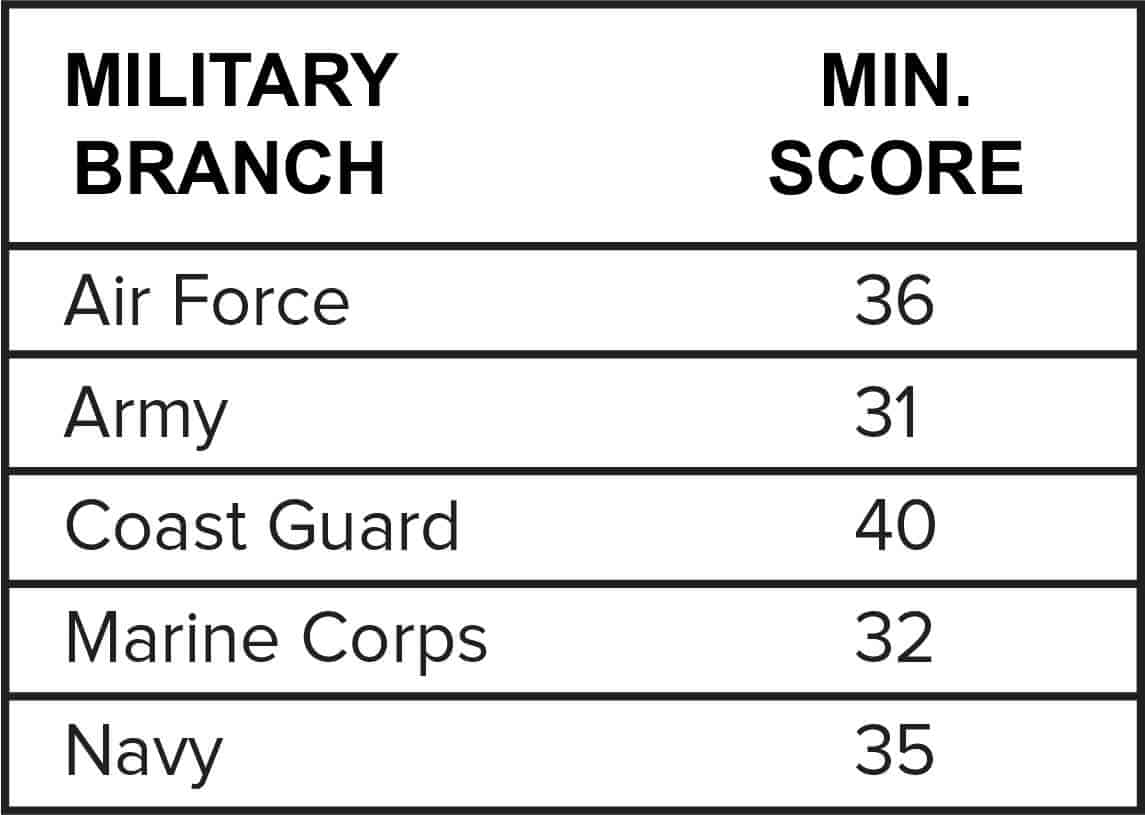
The Army cutoff score is a minimum score required to qualify for enlistment. It is a dynamic value that can change based on various factors, including the needs of the Army and the pool of applicants. Understanding these factors is crucial for prospective recruits to maximize their chances of success.
Academic Performance
Academic performance is a significant factor in determining Army cutoff scores. This includes standardized test scores like the ASVAB (Armed Services Vocational Aptitude Battery). The ASVAB assesses a recruit’s aptitude in areas such as verbal, math, and mechanical comprehension. Higher ASVAB scores generally correspond to higher cutoff scores, as they indicate a greater potential for success in military training.
Physical Fitness
The Army places a high value on physical fitness. The Army Physical Fitness Test (APFT) measures a recruit’s strength, endurance, and flexibility. The APFT includes push-ups, sit-ups, and a two-mile run. A high APFT score can significantly improve a recruit’s chances of meeting the cutoff score, as it demonstrates their physical capability to handle the demands of military service.
Medical Qualifications
Medical qualifications are another crucial factor. The Army has stringent medical standards for recruits. Applicants must undergo a comprehensive medical examination to ensure they meet the required health standards. Any pre-existing medical conditions or physical limitations could impact the cutoff score, as they may affect the recruit’s ability to serve.
Background Checks
The Army conducts thorough background checks to ensure the integrity and suitability of its recruits. This includes criminal history checks, credit checks, and character references. Any significant negative findings during the background check could lower the cutoff score, as they raise concerns about a recruit’s trustworthiness and reliability.
Job-Specific Requirements
The Army offers a wide range of career options, each with its own specific requirements. Some jobs require specialized skills, training, or education. For example, a recruit aspiring to become a combat engineer might need a higher cutoff score due to the demanding nature of the role. These job-specific requirements are reflected in the cutoff scores for different military occupational specialties (MOS).
The final cutoff score is a complex calculation that considers all of these factors, including their relative importance. The Army assigns different weights to each factor based on its perceived significance for successful military service.
3. The Importance of Meeting Cutoff Scores
Meeting the cutoff scores for specific army roles is crucial for aspiring recruits. These scores serve as a benchmark to assess a candidate’s suitability for the demands of military service. Understanding the implications of meeting or exceeding these scores is essential for individuals seeking a successful career in the army.
Consequences of Failing to Meet Cutoff Scores
Failing to meet the minimum cutoff scores can significantly impact an individual’s chances of joining the army. The army uses these scores as a filter to identify candidates who possess the necessary skills and abilities to perform their duties effectively.
- Ineligibility for Specific Roles: Failing to meet the cutoff scores for a particular role means the individual may not be eligible for that specific position. The army needs to ensure that recruits have the minimum qualifications to handle the responsibilities and challenges associated with each role.
- Reduced Recruitment Chances: Not meeting the cutoff scores can significantly reduce an individual’s chances of being recruited into the army. The army prioritizes candidates who meet the minimum requirements, and those who fall short may be considered less desirable.
- Possible Reasons for Failing to Meet Cutoff Scores: There are various reasons why an individual might not meet the cutoff scores, including lack of preparation, insufficient understanding of the test content, test anxiety, or underlying learning difficulties. It’s important to identify the root cause to address it effectively.
- Steps to Improve Performance: Individuals who fail to meet the cutoff scores can take several steps to improve their performance. These include seeking professional guidance, attending preparatory courses, practicing test-taking strategies, and focusing on their weak areas.
Benefits of Exceeding Cutoff Scores
Exceeding the cutoff scores can provide significant advantages to aspiring recruits, opening doors to more opportunities and enhancing their chances of success in the army.
- Increased Recruitment Chances: Candidates who exceed cutoff scores are highly sought after by the army, as they demonstrate a higher level of aptitude and potential. This can significantly increase their chances of being recruited, particularly for highly competitive roles.
- Career Progression: Exceeding cutoff scores can be beneficial for career progression within the army. It may lead to faster promotions, access to specialized training, and opportunities to serve in prestigious units.
- Examples of Roles and Units: Certain roles and units within the army, such as Special Forces, intelligence agencies, and elite combat units, may prioritize candidates who exceed cutoff scores. These units require individuals with exceptional skills and abilities, and exceeding cutoff scores demonstrates a high level of competency.
Impact of Cutoff Scores on Selection Process
Cutoff scores play a significant role in the selection process for different army roles. They are used as a filter to narrow down the pool of candidates and identify those who meet the minimum requirements.
- Selection Process: The selection process typically involves a series of assessments, including written exams, physical fitness tests, medical evaluations, and interviews. Cutoff scores are applied to each assessment to determine if a candidate meets the minimum standards.
- Cutoff Scores for Different Roles: The cutoff scores for different army roles vary based on the specific skills and requirements. For example, roles requiring advanced technical skills may have higher cutoff scores in related subjects, while roles emphasizing physical fitness may have higher cutoff scores in physical assessments.
- Combined Assessment: Cutoff scores are used in conjunction with other factors, such as physical fitness, mental aptitude, interview performance, and overall suitability, to determine a candidate’s overall eligibility. The army uses a holistic approach to evaluate candidates, considering their strengths and weaknesses across various areas.
Navigating the Recruitment Process
Understanding the army recruitment process and the role of cutoff scores in it is crucial for aspiring soldiers. The process is designed to identify individuals who meet the required standards and have the potential to succeed in the military. This section will delve into the key stages of the recruitment process, highlighting the importance of meeting cutoff scores at each stage.
Understanding the Recruitment Timeline and Deadlines
The army recruitment process has a specific timeline, and it is important to be aware of the deadlines related to cutoff scores. Missing a deadline can significantly impact your chances of joining the army.
- Application Deadline: The first step is to submit your application, which typically includes personal information, academic qualifications, and medical history. The application deadline is crucial as it determines your eligibility for further stages.
- Physical Fitness Test (PFT) Deadline: Once your application is approved, you will be required to take the PFT, which assesses your physical fitness. The PFT deadline is essential as it determines your eligibility for the next stage.
- Medical Examination Deadline: After successfully completing the PFT, you will undergo a medical examination to ensure you meet the health standards required for military service. The medical examination deadline is critical, as any medical conditions that do not meet the standards could disqualify you.
- Interview Deadline: The final stage of the recruitment process typically involves an interview with a recruiter. The interview deadline is important, as it is your opportunity to demonstrate your suitability for the army.
Navigating the Application, Testing, and Interview Phases
Navigating the application, testing, and interview phases effectively is crucial for maximizing your chances of success. Understanding the role of cutoff scores at each stage is essential for a successful application.
- Application Phase: When filling out your application, ensure that you provide accurate information about your academic qualifications and work experience. The cutoff scores for academic qualifications vary depending on the specific branch of the army and the role you are applying for.
- Testing Phase: The PFT is a critical stage where you must meet the required cutoff scores for physical fitness. The PFT includes tests for push-ups, sit-ups, and a two-mile run. It is important to prepare adequately for the PFT by engaging in regular physical activity and training.
- Interview Phase: The interview is your opportunity to showcase your personality, motivation, and suitability for military service. Be prepared to answer questions about your background, goals, and why you want to join the army. It is important to demonstrate a strong understanding of the army’s values and your commitment to serving your country.
Army Cutoff Scores for Different Roles

Army cutoff scores vary significantly depending on the specific role or branch you’re applying for. This is because each role has different requirements in terms of academic qualifications, physical fitness, and other specialized skills. It’s important to understand these differences so you can prepare effectively for your chosen path.
The army cutoff score, a crucial determinant for aspiring soldiers, can fluctuate based on various factors, including the number of applicants and the overall performance in the selection process. To gain a deeper understanding of these trends and patterns, it’s essential to consult a comprehensive trend report that analyzes historical data and provides insights into the evolving landscape of army recruitment.
By staying informed about these trends, aspiring soldiers can better prepare for the challenges ahead and increase their chances of success.
Army Cutoff Scores for Different Roles
The following table provides a general overview of cutoff scores for various Army roles. Keep in mind that these scores can change based on the specific needs of the Army at any given time, so it’s always best to check with a recruiter for the most up-to-date information.
| Role/Branch | Academic Cutoff | Physical Fitness Cutoff | Other Requirements |
|---|---|---|---|
| Infantry | Minimum of a high school diploma or equivalent | Must pass the Army Physical Fitness Test (APFT) with a minimum score of 60 points | Must pass the Army Combat Fitness Test (ACFT) with a minimum score of 60 points |
| Medical Corps | Bachelor’s degree in a relevant medical field (e.g., nursing, medicine) | Must pass the APFT with a minimum score of 60 points | Must pass the Army Medical Department Physical Fitness Test (AMEDD PFT) with a minimum score of 60 points |
| Engineering | Bachelor’s degree in engineering or a related field | Must pass the APFT with a minimum score of 60 points | May require specific engineering certifications or licenses |
| Special Forces | Minimum of a high school diploma or equivalent | Must pass the APFT with a minimum score of 60 points | Must pass the Special Forces Qualification Course (SFQC), which includes rigorous physical and mental challenges |
The Impact of Cutoff Scores on Career Progression in the Army
Cutoff scores in the army serve as benchmarks for evaluating an individual’s capabilities and potential for advancement. These scores, derived from various assessments, play a crucial role in shaping a soldier’s career trajectory, opening doors to specialized training, leadership opportunities, and ultimately, career progression.
Impact on Career Progression
Cutoff scores in various assessments, including physical fitness tests, academic evaluations, and leadership evaluations, directly influence an individual’s career trajectory within the army. Exceeding these scores can unlock access to specialized training programs, promotions, and leadership development opportunities.
- Physical Fitness Test: Exceeding cutoff scores in physical fitness tests can open doors to elite units, special operations, or leadership roles requiring exceptional physical capabilities. For instance, soldiers exceeding the physical fitness standards might be eligible for the prestigious Ranger School, Special Forces, or other specialized units that demand peak physical performance.
- Academic Evaluation: Exceeding cutoff scores in academic assessments can qualify soldiers for technical roles, advanced training programs, or leadership positions requiring specific knowledge and skills. Soldiers with high academic scores might be selected for specialized training programs like the Army War College, which prepares them for senior leadership roles.
- Leadership Evaluation: Exceeding cutoff scores in leadership evaluations can pave the way for promotions, staff positions, and opportunities to lead and mentor other soldiers. Strong leadership performance, demonstrated through exceeding cutoff scores in leadership assessments, can position soldiers for key leadership roles within their units or even at higher levels within the army.
Importance of Maintaining High Performance
Maintaining high performance levels throughout one’s military career is essential for staying competitive and eligible for advancement opportunities. Cutoff scores are not static; they evolve based on changing operational requirements and technological advancements.
- Evolving Cutoff Standards: The army continually adapts its standards to meet the evolving demands of modern warfare. As technology advances and operational requirements change, cutoff scores may be adjusted to reflect these new demands. Soldiers who consistently exceed current cutoff scores are better positioned to adapt to these changes and remain competitive for advancement.
- Consequences of Falling Below Cutoff Scores: Falling below cutoff scores can have significant consequences for a soldier’s career progression. It may limit access to promotions, specialized training, and overall career development. In some cases, falling below cutoff scores could even lead to a soldier’s separation from the army.
The Role of Cutoff Scores in Army Readiness: Army Cutoff Score
Cutoff scores play a crucial role in maintaining a high standard of readiness within the army. These scores act as a benchmark to assess the suitability of recruits and personnel for specific roles, ensuring that only those who meet the required standards are admitted and assigned to positions where they can perform effectively.
Cutoff Scores and Readiness Standards
Cutoff scores function as a gateway to determine whether individuals possess the necessary skills, abilities, and physical attributes to succeed in the army. These scores serve as a standardized measure to ensure that all recruits and personnel meet minimum requirements for various roles, ultimately contributing to the overall readiness and preparedness of the army.
- Physical Fitness: Cutoff scores for physical fitness tests, such as push-ups, sit-ups, and a two-mile run, ensure that soldiers can meet the physical demands of training and deployment. These standards guarantee that soldiers have the necessary strength, endurance, and agility to perform their duties effectively in demanding environments.
- Cognitive Abilities: Cutoff scores on aptitude tests and assessments, such as the Armed Services Vocational Aptitude Battery (ASVAB), measure cognitive abilities, including verbal, mathematical, and spatial reasoning skills. These scores help determine suitability for complex roles requiring analytical skills and problem-solving capabilities.
- Medical Standards: Cutoff scores for medical screenings and physical examinations guarantee that soldiers are physically capable of performing their duties. These standards ensure that individuals are free from medical conditions that could compromise their ability to serve effectively.
- Psychological Evaluation: Cutoff scores for mental health screenings and assessments help identify individuals who are emotionally and mentally resilient. These evaluations ensure that soldiers are equipped to handle the psychological pressures and stresses associated with military service.
Relationship to Effectiveness and Efficiency, Army cutoff score
Cutoff scores contribute significantly to the effectiveness and efficiency of the military force. By ensuring that only qualified individuals are recruited and assigned to appropriate roles, the army optimizes its performance in training, deployment, and combat scenarios.
- Training: Recruits who meet the necessary cutoff scores are better prepared to handle the demands of rigorous training programs. They are more likely to succeed in mastering essential skills and knowledge, leading to a more efficient and effective training process.
- Deployment: Soldiers who meet the physical, cognitive, and medical standards are better equipped to handle the challenges of deployment. They are more likely to perform their duties effectively in demanding environments, contributing to the overall success of missions.
- Combat Scenarios: Cutoff scores play a vital role in ensuring that soldiers have the necessary skills and abilities to perform effectively in combat situations. Individuals who meet the required standards are better prepared to handle the pressures of combat, contributing to the overall effectiveness and efficiency of the military force.
Recruit Qualifications and Role Fulfillment
It is crucial to ensure that all recruits meet the necessary qualifications to fulfill their roles effectively. Meeting cutoff scores guarantees that recruits are adequately prepared to handle the demands of their assigned roles.
- Training Success: Recruits who meet the cutoff scores are more likely to succeed in training, acquiring the necessary skills and knowledge to perform their duties effectively. This reduces the risk of training failures and ensures that soldiers are prepared for deployment.
- Deployment Effectiveness: Soldiers who meet the cutoff scores are better equipped to handle the demands of deployment. They are more likely to perform their duties effectively, contributing to the success of missions and minimizing the risk of casualties.
- Combat Readiness: Cutoff scores help ensure that soldiers are prepared to handle the pressures of combat. They are more likely to make sound decisions and perform their duties effectively, contributing to the overall effectiveness and efficiency of the military force.
Cutoff Scores and the Future of Military Recruitment

The evolving landscape of military needs and the rapid advancement of technology are set to significantly influence army cutoff scores in the future. As the armed forces adapt to new threats and embrace cutting-edge innovations, the criteria for recruitment are likely to undergo a transformation. This shift will be driven by the need to attract and retain individuals with specific skillsets and the integration of artificial intelligence (AI) into the recruitment process.
The Impact of Emerging Technologies on Recruitment
The integration of AI into the recruitment process is poised to revolutionize how army cutoff scores are determined and utilized. AI-powered tools can analyze vast amounts of data from applicants, including academic records, aptitude tests, and even social media profiles, to identify potential candidates who possess the desired skills and attributes. This data-driven approach can lead to more objective and accurate assessments of candidate suitability, potentially influencing the traditional reliance on standardized cutoff scores.
AI-powered tools can help identify candidates with specific skillsets and attributes that are highly relevant to the evolving needs of the military, potentially shifting the focus away from traditional standardized tests.
For example, AI algorithms can be used to assess candidates’ cognitive abilities, problem-solving skills, and adaptability, factors that may not be fully captured by traditional standardized tests. This data-driven approach can provide a more comprehensive understanding of each candidate’s potential, potentially leading to a shift in the importance of specific cutoff scores.
10. Resources and Further Information
Navigating the world of army cutoff scores can feel overwhelming, but don’t worry! There are numerous resources available to guide you through the process and help you make informed decisions. This section will provide you with a comprehensive list of official websites, credible third-party resources, and contact information to connect with recruitment professionals.
Reliable Information Sources
Accessing accurate and up-to-date information is crucial when it comes to army recruitment. Here’s a list of reliable sources that can provide you with the necessary details on cutoff scores, eligibility criteria, and the overall recruitment process.
- Official Websites: The official websites of the specific branch of the army you’re interested in are the most reliable sources of information.
- US Army: https://www.goarmy.com/ (general information, recruitment, cutoff scores, eligibility criteria)
- Indian Army: https://joinindianarmy.nic.in/ (general information, recruitment, cutoff scores, eligibility criteria)
- Credible Third-Party Resources: Reputable websites dedicated to military careers and recruitment can offer valuable insights and guidance.
- Military.com: https://www.military.com/ (general information on military careers, recruitment, and cutoff scores)
- ASVAB.com: https://www.asvab.com/ (information on the Armed Services Vocational Aptitude Battery test, which is often used for army recruitment)
- Military OneSource: https://www.militaryonesource.mil/ (provides a wide range of resources and support for military personnel and their families, including information on recruitment and cutoff scores)
Contact Information
Direct communication with recruitment professionals is highly recommended for personalized advice and specific information related to your situation. Here’s how you can connect with them.
- Army Recruitment Offices: Each branch of the army has recruitment offices across the country.
- US Army: You can find a list of US Army recruitment offices and their contact information on the official website: https://www.goarmy.com/contact-us.html
- Indian Army: Visit the Indian Army website for details on recruitment offices and their contact information: https://joinindianarmy.nic.in/content/joinindianarmy/en/recruitment.html
- Organizations Offering Guidance: Several organizations can provide support and guidance to aspiring recruits.
- Military Veterans’ Associations: These associations offer valuable insights and resources for individuals considering a military career.
- Career Counseling Services: Professional career counselors can help you assess your skills and interests and guide you toward suitable army roles.
Additional Guidance
Remember that army cutoff scores can vary based on several factors, including location, branch of service, and specific qualifications. Therefore, seeking personalized advice from recruitment professionals is essential.
- Questions to Ask Recruitment Professionals:
- What are the current cutoff scores for the specific branch and role I’m interested in?
- What are the eligibility criteria, including education, physical fitness, and medical requirements?
- What are the different recruitment options available, such as officer training programs or specialized recruitment initiatives?
- What resources are available to help me prepare for the recruitment process, including physical fitness training and test preparation?
- What are the career progression opportunities within the army for my chosen role?
- Explore Different Recruitment Options: The army offers various pathways to service.
- Officer Training Programs: These programs provide specialized training for aspiring officers.
- Specialized Recruitment Initiatives: The army may have specific programs designed to attract individuals with particular skills or backgrounds.
FAQ Guide
What happens if I don’t meet the army cutoff scores?
If you don’t meet the minimum cutoff scores for a specific role, you may not be eligible for recruitment. However, you can re-take the tests or assessments and try again later. Alternatively, you can explore other roles within the army that may have different cutoff scores.
How can I find out the specific cutoff scores for my desired role?
You can find information about cutoff scores on the official website of the specific branch of the army you are interested in. You can also contact a local army recruitment office for personalized guidance.
Are there any special considerations for certain groups of applicants?
Yes, the army may have special considerations for certain groups of applicants, such as veterans, reservists, or individuals with disabilities. Contact the recruitment office for more information on specific programs and policies.
What if I’m close to meeting the cutoff score but not quite there?
If you are close to meeting the cutoff score but not quite there, you can focus on improving your weak areas. Work with a trainer or coach to develop a personalized plan for achieving the required standards.

Whitney Morris is a renowned author with a passion for military history and strategic analysis. Born in Jakarta, Indonesia, Defense developed a deep fascination for warfare and national defense from a young age. His unwavering interest in military strategy, combined with his natural storytelling ability, has earned him a reputation as an engaging and insightful writer in the field.
