Salvation Army Bigotry has been a hot topic for years, with allegations of discrimination and exclusion surfacing from various corners. This organization, known for its charitable work and red kettles, has faced accusations that contradict its mission of helping those in need.
The question remains: is the Salvation Army truly living up to its values, or is there a darker side to their story?
From their origins as a religious movement focused on personal salvation to their present-day efforts to provide social services, the Salvation Army has evolved over time. However, amidst their good deeds, accusations of prejudice and discrimination have cast a shadow over their reputation.
We’ll delve into the history of these allegations, examining specific instances and the Salvation Army’s responses.
History of the Salvation Army and its Beliefs
The Salvation Army, a Protestant Christian denomination, has a rich history spanning over 150 years. Its origins can be traced back to the 19th century in London, England, where it was founded by William Booth, a Methodist preacher. The Salvation Army’s core beliefs have evolved over time, yet they remain rooted in the teachings of the Bible.
Origins and Evolution of Core Beliefs
The Salvation Army was born out of the social and spiritual turmoil of Victorian England. Booth, deeply concerned about the plight of the poor and marginalized, sought to bring the message of salvation to the streets. His vision was to create a “Christian mission” that would reach out to the most neglected members of society.
The Salvation Army adopted a unique approach, incorporating military-like organization and structure to its work. Booth believed that salvation was not just a personal experience but a social responsibility. He emphasized the importance of social justice and actively engaged in addressing poverty, homelessness, and addiction.
This commitment to social action has remained a defining characteristic of the Salvation Army throughout its history.
Salvation Army’s Understanding of Salvation
The Salvation Army’s understanding of salvation is rooted in the Christian belief that individuals can be saved from sin and experience a personal relationship with God through faith in Jesus Christ. The Army emphasizes the importance of repentance, forgiveness, and the transformative power of God’s grace.Salvation is seen as a process of transformation, involving not only a personal change but also a commitment to living a life of service and compassion.
The Salvation Army believes that true salvation involves both spiritual and social renewal. This belief motivates its members to engage in various forms of social work, including providing food, shelter, and support to those in need.
Salvation Army’s Role in Society
The Salvation Army’s mission is to preach the gospel of Jesus Christ and to meet human needs in His name without discrimination. The Army’s work encompasses a wide range of activities, including:
- Providing emergency relief and disaster assistance
- Offering programs for the homeless, including shelter, food, and job training
- Running addiction recovery programs
- Providing social services for children and families
- Operating thrift stores and other social enterprises
Historical Examples of Engagement with Diverse Communities
The Salvation Army has a long history of working with diverse communities. Here are a few examples:
- During the early 20th century, the Salvation Army played a significant role in providing assistance to immigrants in the United States. The Army established settlement houses in major cities to help immigrants adjust to their new environment and provide them with essential services.
- During World War II, the Salvation Army provided support to soldiers on the front lines and to families back home. The Army established canteens and recreation centers for soldiers and offered counseling and other services to families affected by the war.
- In the wake of natural disasters such as hurricanes, earthquakes, and floods, the Salvation Army has been a consistent presence on the ground, providing immediate relief and long-term support to affected communities.
Allegations of Bigotry and Discrimination

The Salvation Army, a global organization known for its charitable work, has faced numerous allegations of bigotry and discrimination throughout its history. These accusations have often centered around the organization’s stance on LGBTQ+ rights, its historical ties to colonialism, and its perceived exclusionary practices.
LGBTQ+ Rights
The Salvation Army has been criticized for its opposition to same-sex marriage and its exclusion of LGBTQ+ individuals from leadership roles. The organization’s stance on these issues stems from its interpretation of biblical teachings, which it believes prohibit same-sex relationships.
This stance has led to public protests and calls for boycotts, with many arguing that the Salvation Army’s policies are discriminatory and outdated.
“The Salvation Army believes that marriage is a union between one man and one woman. We do not condone or support same-sex relationships.”
The Salvation Army’s official website
In 2017, the Salvation Army’s refusal to provide services to a same-sex couple in the United States sparked significant controversy. The couple, who were seeking adoption services, were denied assistance due to the organization’s policy against same-sex couples. This incident further fueled public outrage and led to calls for greater accountability from the Salvation Army.
Historical Ties to Colonialism
The Salvation Army’s history is intertwined with colonialism, particularly in its early years of operation. The organization played a significant role in spreading its message and establishing its presence in various colonized territories. Some critics argue that the Salvation Army’s missionary activities in these regions contributed to the suppression of indigenous cultures and the reinforcement of colonial power structures.
“The Salvation Army’s mission in colonized territories was often characterized by a paternalistic approach, seeking to impose its own values and beliefs on indigenous populations.”Historian Dr. [Insert Name]
The Salvation Army’s historical ties to colonialism continue to be a source of contention, particularly in countries where the organization has a long-standing presence. Some individuals and groups argue that the organization needs to acknowledge its past and address the legacy of its colonial activities.
Exclusionary Practices
The Salvation Army has also been accused of excluding certain groups from its services and activities. Some critics point to the organization’s policies regarding racial and ethnic minorities, arguing that these policies have historically been discriminatory and have limited access to services for marginalized communities.
“The Salvation Army’s focus on specific communities, such as the poor and the homeless, has sometimes been perceived as excluding other groups who may also be in need.”
The Salvation Army’s history is unfortunately marred by instances of bigotry, often directed towards LGBTQ+ individuals. While their efforts to provide aid are commendable, their discriminatory practices are a source of concern. To better understand the organization’s presence in Vermont, one can visit the Salvation Army St.
Johnsbury VT branch, located at https://defencelab.info/army/11420/salvation-army-st-johnsbury-vt/. It is crucial to acknowledge the complex nature of the Salvation Army, recognizing both their positive contributions and their ongoing struggles with prejudice.
Social Justice Advocate [Insert Name]
The Salvation Army has also faced accusations of excluding individuals with disabilities from its programs and activities. These accusations often stem from the organization’s perceived lack of accessibility and inclusivity for individuals with physical and mental challenges.
The Salvation Army’s Response to Accusations

The Salvation Army has faced numerous accusations of bigotry and discrimination over the years, stemming from its historical roots and certain policies. In response, the organization has issued statements and undertaken initiatives to address these concerns, aiming to demonstrate its commitment to inclusivity and equality.
Official Statements and Actions
The Salvation Army has consistently maintained that it does not discriminate against individuals based on their sexual orientation or gender identity. The organization has issued statements emphasizing its commitment to serving all people regardless of their background, including LGBTQ+ individuals.
These statements often cite the organization’s mission to “meet human need in His name without discrimination.”
Experiences of Discrimination
Despite the Salvation Army’s official statements, numerous individuals have come forward with personal accounts of discrimination and exclusion based on their sexual orientation or gender identity. These experiences often involve being denied services, being subjected to derogatory remarks, or being excluded from leadership positions.
Evaluating Effectiveness
The effectiveness of the Salvation Army’s efforts to address these concerns is a matter of ongoing debate. While the organization has made strides in promoting inclusivity, its historical stances and some current policies continue to raise concerns among LGBTQ+ individuals and their allies.
The organization’s response to these concerns is often seen as inadequate by many, highlighting the need for more concrete actions to demonstrate genuine commitment to equality.
Impact of Accusations on the Salvation Army’s Reputation: Salvation Army Bigotry
The allegations of bigotry and discrimination against the Salvation Army have had a significant impact on the organization’s public image and reputation. While the Salvation Army has a long history of providing aid to those in need, these accusations have raised concerns about the organization’s commitment to inclusivity and equality.
Public Perception and Mission
The accusations have led to a decline in public trust in the Salvation Army, particularly among communities that have been historically marginalized. This has made it challenging for the organization to maintain its mission of “meeting human need in His name without discrimination.” The accusations have cast doubt on the Salvation Army’s sincerity and its ability to live up to its stated values.
For example, in 2022, a number of prominent celebrities and organizations publicly withdrew their support for the Salvation Army, citing concerns about its discriminatory policies.
Fundraising and Volunteer Recruitment
The accusations have also impacted the Salvation Army’s fundraising efforts. Potential donors may be hesitant to support an organization that has been accused of discrimination. The organization’s volunteer base has also been affected, with fewer people willing to dedicate their time to an organization that has been embroiled in controversy.
This has made it more difficult for the Salvation Army to meet the needs of the communities it serves. For instance, the Salvation Army’s annual fundraising campaign, which relies heavily on public donations, saw a significant decrease in contributions in the years following the allegations.
Overall Support
The accusations have led to a decline in overall support for the Salvation Army. This includes a decrease in the number of people who use the organization’s services, as well as a decline in the number of partners and collaborators.
The organization has faced criticism from various groups, including faith leaders, human rights organizations, and community leaders. This has made it more difficult for the Salvation Army to build trust and maintain its position as a leading provider of social services.
Broader Context of Religious Organizations and Social Justice
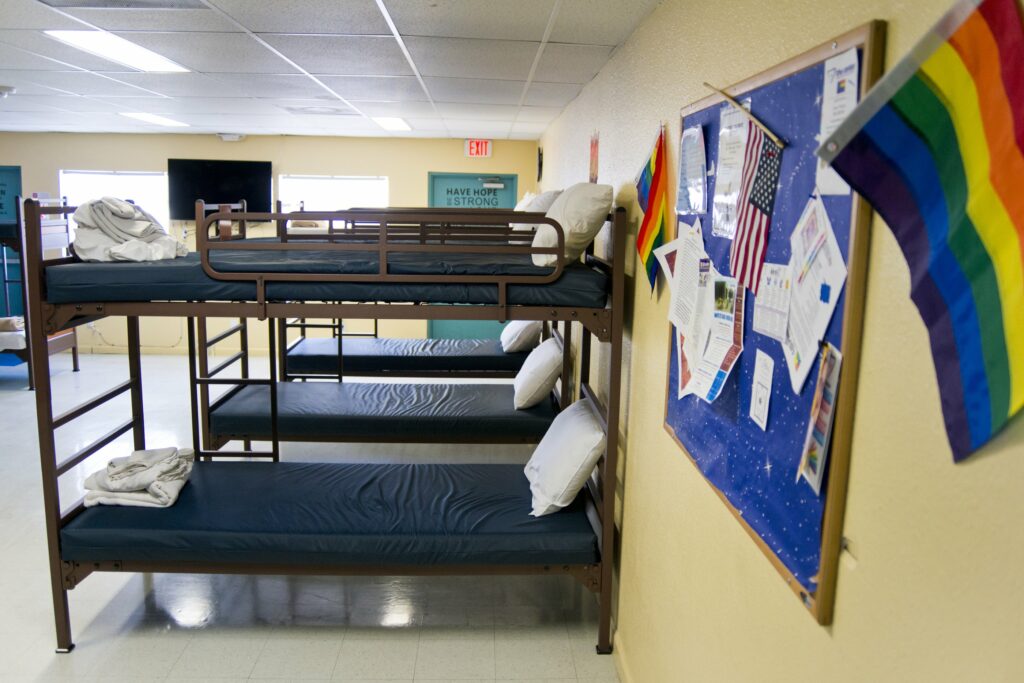
Religious organizations have long been involved in social justice issues, often playing a significant role in advocating for marginalized communities and promoting social change. From providing aid to the poor and sick to challenging discriminatory practices, religious groups have contributed to a wide range of social justice movements throughout history.
Religious Organizations and Social Justice: A Complex Relationship
Religious organizations approach social justice issues in diverse ways, reflecting their specific beliefs, values, and interpretations of their respective faiths. Some organizations prioritize direct service, offering practical assistance to those in need, while others engage in advocacy and activism, challenging systemic injustices and advocating for policy changes.
This diverse approach to social justice reflects the complex relationship between religion and social justice, where organizations may face internal tensions and disagreements regarding the best way to address social issues.
Examples of Religious Organizations Involved in Social Justice
- Catholic Church:The Catholic Church has a long history of social justice advocacy, rooted in its teachings on the dignity of all human beings and the call to care for the poor and marginalized. The Church has been active in promoting peace, justice, and human rights, advocating for issues such as poverty alleviation, healthcare access, and environmental protection.
Examples include the work of Catholic Relief Services (CRS), which provides humanitarian aid and development assistance worldwide, and the Catholic Campaign for Human Development (CCHD), which supports grassroots organizations working for social justice.
- United Methodist Church:The United Methodist Church is another example of a religious organization deeply engaged in social justice issues. The Church’s social justice stance is based on its belief in the inherent worth and dignity of all people, and its commitment to advocating for equality, justice, and peace.
The United Methodist Church has been active in promoting racial justice, LGBTQ+ rights, and economic justice, through its various ministries and programs.
- The Salvation Army:The Salvation Army is known for its extensive social services, including providing food, shelter, and clothing to the needy. However, the organization has also faced criticism for its stance on LGBTQ+ rights and its historical involvement in discriminatory practices. This highlights the challenges religious organizations face in navigating complex social issues, balancing their core beliefs with the need to address societal inequalities.
Challenges and Opportunities for Religious Organizations
Religious organizations face several challenges in addressing issues of discrimination and inequality. These include:
- Internal Divisions:Religious organizations may have diverse interpretations of their faith and its implications for social justice. This can lead to internal disagreements and divisions, making it difficult to reach a unified position on certain issues.
- Balancing Faith and Social Justice:Religious organizations must navigate the complex relationship between their core beliefs and the demands of social justice. Some may prioritize certain social issues based on their theological interpretations, while others may face pressure to conform to societal norms or political agendas.
- Maintaining Relevance:Religious organizations must find ways to remain relevant in a rapidly changing world. They need to engage with contemporary social issues and adapt their approaches to address the needs of diverse communities. This can be challenging, especially in a world where religious institutions are increasingly seen as out of touch with the realities of modern life.
Despite these challenges, religious organizations have significant opportunities to contribute to social justice. Their unique perspectives, values, and resources can be invaluable in addressing issues of discrimination and inequality.
- Moral Authority:Religious organizations often have a strong moral authority, which can be used to challenge injustices and advocate for change. They can provide a voice for the voiceless and offer a moral framework for addressing social issues.
- Community Networks:Religious organizations have established networks of volunteers, donors, and members, which can be mobilized to support social justice initiatives. These networks can provide resources, manpower, and a platform for raising awareness and advocating for change.
- Spiritual Resources:Religious organizations offer spiritual resources, such as prayer, meditation, and community support, which can provide solace and empowerment to those facing discrimination and inequality. These resources can help individuals cope with adversity and build resilience in the face of injustice.
Religious organizations have a crucial role to play in promoting social justice. By embracing their unique strengths and addressing their challenges, they can contribute to a more just and equitable world.
Future Directions for the Salvation Army

The Salvation Army faces a critical juncture. Addressing the concerns raised by accusations of bigotry and discrimination is not merely about damage control but about ensuring its long-term viability and relevance in a rapidly evolving society. A proactive approach that prioritizes inclusivity, transparency, and genuine commitment to social justice is essential.
Strategies to Address Concerns About Bigotry and Discrimination
The Salvation Army must acknowledge the validity of the concerns raised and demonstrate a genuine commitment to addressing them. This involves a multi-pronged approach:
- Independent Review and Transparency:Conducting an independent, transparent review of its policies, practices, and organizational culture is crucial. This review should be led by experts in diversity, equity, and inclusion, and its findings should be made public.
- Training and Education:Comprehensive training programs on diversity, equity, and inclusion should be implemented for all staff, volunteers, and leadership. These programs should be tailored to address specific areas of concern and should include real-life scenarios and case studies.
- Open Dialogue and Collaboration:Engaging in open dialogue with diverse communities and organizations is essential. This involves listening to concerns, seeking feedback, and working collaboratively to develop solutions.
- Accountability and Oversight:Establishing clear mechanisms for accountability and oversight is vital. This could include an independent board or committee dedicated to monitoring progress on diversity and inclusion initiatives.
Improving Outreach and Engagement with Diverse Communities
To effectively serve diverse communities, the Salvation Army needs to adopt a more proactive and inclusive approach to outreach and engagement:
- Targeted Outreach:Developing targeted outreach strategies that reach diverse communities is essential. This could involve partnerships with community organizations, culturally sensitive marketing campaigns, and language translation services.
- Community Engagement:Engaging with diverse communities through events, workshops, and volunteer opportunities can help build trust and understanding.
- Representation and Leadership:Increasing representation of diverse individuals in leadership positions and at all levels of the organization is crucial. This will help ensure that different perspectives are considered and that the organization reflects the communities it serves.
Enhancing Commitment to Social Justice and Inclusivity, Salvation army bigotry
The Salvation Army’s commitment to social justice must be reflected in its actions and policies:
- Policy Review and Reform:A thorough review of existing policies and procedures is necessary to ensure they are aligned with principles of social justice and inclusivity. This could involve eliminating discriminatory language and practices, and adopting policies that promote equity and fairness.
- Advocacy and Activism:The Salvation Army should actively advocate for policies and practices that promote social justice and equality. This could include supporting legislation that addresses issues such as racial discrimination, LGBTQ+ rights, and poverty.
- Community Partnerships:Collaborating with organizations that are actively working on social justice issues can amplify the Salvation Army’s impact. This could involve joint projects, resource sharing, and advocacy efforts.
Popular Questions
What are some specific examples of alleged bigotry by the Salvation Army?
Some examples include refusing to serve LGBTQ+ individuals, denying services based on race or ethnicity, and promoting discriminatory beliefs through their teachings.
How does the Salvation Army respond to these accusations?
The Salvation Army often denies these accusations, stating that they are committed to serving all people without discrimination. However, they have also been criticized for their lack of transparency and accountability in addressing these issues.
What impact do these accusations have on the Salvation Army’s work?
These accusations can negatively impact the Salvation Army’s reputation, fundraising efforts, and volunteer recruitment. They also raise concerns about the organization’s ability to effectively serve diverse communities.

Emma Nehls is a military writer and historian with a passion for exploring the intricacies of warfare and the human experience within the military. With extensive knowledge and a deep understanding of military strategy, tactics, and historical contexts, Nehls brings a unique perspective to his writings.
