Army Physical Therapist MOS? It’s not just about treating injuries, it’s about building warriors! These PTs are the unsung heroes, helping soldiers get back in the game after injuries or even prevent them from happening in the first place.
Think of it as a high-intensity workout for your brain and body, because you’ll need to be on your A-game to handle the demands of this MOS.
Being an Army PT is more than just a job, it’s a calling. You’ll be working with some of the toughest and most dedicated individuals, helping them reach their full potential. From active duty soldiers to veterans and their families, you’ll be making a real difference in their lives.
And the best part? You get to be part of a team that’s always pushing the limits, using the latest tech to provide the best possible care.
Army Physical Therapist MOS Overview
Army Physical Therapists play a vital role in maintaining the health and combat readiness of soldiers. They are responsible for the prevention, diagnosis, and treatment of musculoskeletal injuries and conditions, ensuring soldiers can perform their duties effectively.
Role in Soldier Readiness and Combat Effectiveness
Army Physical Therapists directly contribute to soldier readiness and combat effectiveness by:
- Preventing injuries: They provide education and training on proper physical conditioning, ergonomics, and injury prevention techniques, reducing the risk of musculoskeletal injuries.
- Treating injuries: They diagnose and treat a wide range of musculoskeletal injuries, using various therapeutic modalities such as manual therapy, exercise, and electrotherapy. This ensures soldiers recover quickly and return to duty.
- Improving performance: They develop individualized rehabilitation programs to enhance strength, flexibility, and endurance, improving soldiers’ overall physical performance and combat readiness.
- Optimizing function: They assist soldiers in regaining lost function after injury or surgery, helping them return to their pre-injury level of activity and maintain their combat effectiveness.
Skills and Knowledge Required
Army Physical Therapists require a comprehensive skillset and knowledge base to effectively perform their duties. These include:
- Clinical skills: They must possess a deep understanding of anatomy, physiology, biomechanics, and pathophysiology of the musculoskeletal system. They are skilled in performing physical examinations, interpreting diagnostic imaging, and developing treatment plans.
- Therapeutic modalities: They are proficient in using various therapeutic modalities, such as manual therapy, therapeutic exercise, electrotherapy, and modalities like ultrasound and laser therapy.
- Communication skills: They must effectively communicate with patients, physicians, and other healthcare professionals, ensuring clear understanding of treatment plans and progress.
- Leadership skills: They may lead teams of physical therapy assistants or other healthcare professionals, demonstrating strong leadership and organizational skills.
- Military knowledge: They must be familiar with military regulations, procedures, and protocols, ensuring their practice aligns with military standards and requirements.
Education and Training Requirements
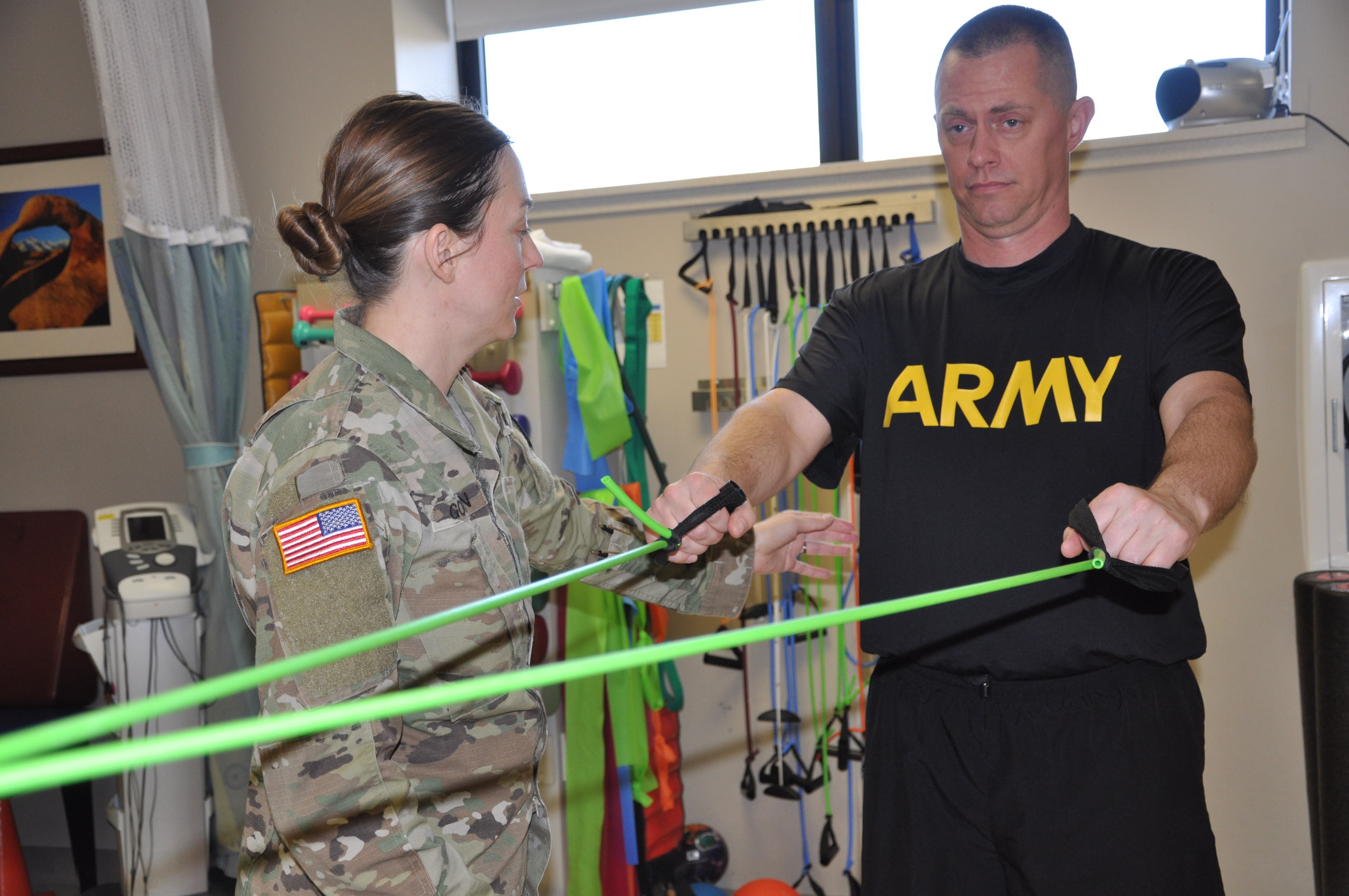
To become an Army Physical Therapist, individuals must possess a strong educational foundation and undergo rigorous training. This section delves into the specific educational qualifications, the comprehensive training program, and the essential certifications and licenses required for this MOS.
Educational Qualifications
Aspiring Army Physical Therapists must hold a Doctor of Physical Therapy (DPT) degree from a program accredited by the Commission on Accreditation in Physical Therapy Education (CAPTE). This rigorous academic program typically involves a minimum of three years of full-time study and prepares graduates for a wide range of clinical practice settings, including the military.
Training Program
Upon commissioning as an Army Officer, newly appointed Physical Therapists undergo a comprehensive training program designed to equip them with the specialized knowledge and skills required for military service. This program comprises two key phases:
Initial Entry Training
- This phase involves basic military training at Fort Jackson, South Carolina, where recruits learn essential military skills, including physical fitness, weapons handling, and military customs and courtesies.
- Following basic training, Physical Therapists attend the Army Medical Department Officer Basic Course (AMEDD OBC) at Fort Sam Houston, Texas, which provides a foundation in military medicine and leadership principles.
Advanced Training
After completing AMEDD OBC, Physical Therapists receive specialized training at the Army Physical Therapy Residency Program, located at Fort Sam Houston, Texas.
This program typically lasts 12 months and focuses on the unique demands of physical therapy in a military environment, including
Combat-related injuries
Post-deployment health concerns
Operational medicine
- Military fitness and rehabilitation
- The residency program provides hands-on experience in various clinical settings, including combat support hospitals, military treatment facilities, and operational deployments.
Certifications and Licenses
To practice as an Army Physical Therapist, individuals must obtain and maintain the following certifications and licenses:
National Certification
- Army Physical Therapists are required to be certified by the Federation of State Boards of Physical Therapy (FSBPT).
- The National Physical Therapy Examination (NPTE) is a comprehensive exam that assesses the knowledge and skills necessary for safe and effective physical therapy practice.
State Licensure
- In addition to national certification, Army Physical Therapists must obtain a license to practice in the state where they are assigned.
- Licensure requirements vary by state but typically include passing the NPTE, completing a specified number of clinical hours, and meeting any continuing education requirements.
Military Licensure
- The Army also has its own licensing requirements for physical therapists.
- This includes completing a military physical therapy residency program and passing a military physical therapy board exam.
- The military license allows physical therapists to practice in Army facilities and on military installations worldwide.
Typical Duties and Responsibilities
Army Physical Therapists play a crucial role in maintaining the physical well-being of soldiers and their families, contributing to their readiness and overall health. They perform a wide range of duties, from providing direct patient care to implementing injury prevention programs.
Patient Care
Army Physical Therapists provide a comprehensive range of physical therapy services to various patient populations, including active-duty soldiers, veterans, and their families.
- Evaluation and Assessment: Physical Therapists conduct thorough assessments to identify the nature and extent of injuries, limitations, and functional impairments. This involves taking a detailed history, performing physical examinations, and utilizing specialized tests to assess range of motion, strength, balance, and coordination.
- Treatment Planning: Based on the assessment findings, Physical Therapists develop individualized treatment plans that address the specific needs of each patient. These plans may include manual therapy techniques, therapeutic exercises, modalities (such as heat, cold, ultrasound, and electrical stimulation), and patient education.
- Therapeutic Interventions: Physical Therapists implement a variety of therapeutic interventions to improve mobility, reduce pain, restore function, and prevent further injury. These interventions may include:
- Manual Therapy: Hands-on techniques used to mobilize joints, soft tissues, and improve muscle function.
- Therapeutic Exercise: Prescribed exercises designed to strengthen muscles, improve range of motion, enhance balance, and improve functional skills.
- Modalities: Physical agents, such as heat, cold, ultrasound, and electrical stimulation, used to reduce pain, inflammation, and promote tissue healing.
- Functional Training: Activities that simulate real-life tasks, such as walking, running, jumping, and lifting, to improve overall fitness and functional capacity.
- Patient Education: Providing patients with information about their condition, treatment options, and self-management strategies to promote active participation in their rehabilitation.
- Rehabilitation: Physical Therapists guide patients through the rehabilitation process, helping them regain lost function and return to their desired level of activity. This involves setting realistic goals, monitoring progress, and adjusting treatment plans as needed.
- Discharge Planning: Physical Therapists develop discharge plans to ensure patients receive ongoing support and maintain their progress after completing their therapy. This may include home exercise programs, referrals to other healthcare professionals, and follow-up appointments.
Patient Populations
Army Physical Therapists treat a diverse patient population, each with unique needs and challenges.
Army physical therapist MOS, 68W, is a demanding but rewarding role. While their focus is on keeping soldiers physically fit, they may also encounter the need to work with ordnance personnel. The army ordnance crest is a symbol of the vital role these soldiers play in maintaining and supplying the Army’s weapons and equipment.
Whether it’s preventing injuries from heavy lifting or providing rehabilitation for those who have sustained injuries, Army physical therapists play a critical role in ensuring the readiness of our troops.
- Active-Duty Soldiers: Soldiers experience a wide range of injuries, from acute trauma to overuse injuries. Physical Therapists play a vital role in their rehabilitation, ensuring they return to duty as quickly and safely as possible.
- Veterans: Veterans may present with a variety of conditions, including musculoskeletal injuries, chronic pain, and post-traumatic stress disorder (PTSD). Physical Therapists provide specialized treatment and support to help veterans manage their symptoms and improve their quality of life.
- Families: Family members of soldiers and veterans may also require physical therapy services, especially those who have experienced injuries or illnesses related to military service.
Injury Prevention
Army Physical Therapists play a crucial role in injury prevention by educating soldiers about proper body mechanics, exercise techniques, and risk factors for injury.
- Ergonomics: Physical Therapists provide guidance on proper posture, lifting techniques, and workstation design to minimize the risk of musculoskeletal injuries.
- Strength and Conditioning: Physical Therapists develop and implement strength and conditioning programs to improve muscle strength, flexibility, and endurance, reducing the risk of injuries.
- Pre-Deployment Training: Physical Therapists assess soldiers’ fitness levels and provide individualized training programs to prepare them for the physical demands of deployment.
- Post-Deployment Rehabilitation: Physical Therapists help soldiers recover from deployment-related injuries and adjust to civilian life, reducing the risk of long-term health problems.
Career Advancement Opportunities

A career as an Army Physical Therapist offers numerous opportunities for professional growth and advancement. The Army provides a structured path for promotion, specialized training, and leadership development, allowing physical therapists to excel in their chosen field and contribute significantly to the military community.
Promotion and Leadership Opportunities
The Army offers a clear path for promotion based on experience, performance, and leadership skills. Physical therapists can advance through the ranks, assuming positions of greater responsibility and leadership. These opportunities include:
- Non-Commissioned Officer (NCO) Ranks:Army Physical Therapists can progress through the NCO ranks, starting as a Private (E1) and potentially reaching the rank of Sergeant Major (E9). NCOs provide leadership and guidance to junior enlisted personnel, ensuring operational readiness and unit cohesion.
- Officer Ranks:Physical therapists with a Doctor of Physical Therapy (DPT) degree can apply for Officer Candidate School (OCS) or the Army Medical Department Officer Basic Course (AMEDD OBC). Upon successful completion, they can be commissioned as officers, holding ranks such as Second Lieutenant (O1) and eventually progressing to higher ranks like Lieutenant Colonel (O5) or Colonel (O6).
Officer roles involve leadership, strategic planning, and managing personnel and resources.
Specialized Training and Certifications
The Army provides opportunities for specialized training and certifications that enhance a physical therapist’s skills and expertise. These include:
- Board Certification:The American Board of Physical Therapy Specialties (ABPTS) offers certifications in various areas, such as orthopedic physical therapy, sports physical therapy, and geriatric physical therapy. These certifications demonstrate advanced knowledge and skills in specific specialties, enhancing career prospects.
- Military-Specific Training:The Army offers specialized training programs tailored to the unique needs of military physical therapists. These programs may focus on combat-related injuries, tactical medicine, or rehabilitation for service members with disabilities.
Benefits of Serving as an Army Physical Therapist
Serving as an Army Physical Therapist comes with numerous benefits, including:
- Competitive Salary:The Army provides competitive salaries, with pay increasing based on rank, experience, and location.
- Comprehensive Healthcare:Army Physical Therapists receive comprehensive healthcare coverage for themselves and their families, including medical, dental, and vision care.
- Retirement Benefits:The Army offers a generous retirement plan, allowing physical therapists to accumulate retirement savings through contributions and government matching. After serving for a specified period, they are eligible for a pension and other benefits.
- Educational Opportunities:The Army provides educational opportunities, such as tuition assistance programs and scholarships, allowing physical therapists to pursue further education and professional development.
Opportunities for Civilian Employment
The skills and experience gained as an Army Physical Therapist are highly transferable to civilian employment. Many former Army physical therapists find successful careers in various settings, including:
- Private Practice:Army physical therapists can open their own practice or join existing clinics, leveraging their clinical expertise and experience to provide quality care to patients.
- Hospitals and Clinics:Hospitals and clinics often seek physical therapists with experience in treating a diverse range of conditions and patient populations. The skills and knowledge acquired in the Army are highly valued in these settings.
- Sports Medicine:Army physical therapists with specialized training in sports medicine can pursue careers in professional or amateur sports teams, providing rehabilitation and injury prevention services to athletes.
- Research and Academia:Army physical therapists with a strong academic background can pursue careers in research or teaching positions at universities or research institutions.
Physical and Mental Demands of the MOS
Army Physical Therapists face demanding physical and mental challenges, requiring a unique blend of strength, endurance, and emotional resilience. They must be physically fit to perform their duties and mentally strong to handle the stress and emotional demands of their role.
Physical Fitness Requirements
The Army Physical Fitness Test (APFT) assesses a Soldier’s physical fitness. This test includes three events: push-ups, sit-ups, and a two-mile run. The minimum score required for each event varies depending on the Soldier’s age and gender. The APFT is just one aspect of the physical fitness requirements for Army Physical Therapists.
In addition to the APFT, they must be able to perform a variety of other physical tasks, such as lifting and moving patients, performing manual therapy techniques, and participating in physical training activities.
Mental and Emotional Challenges, Army physical therapist mos
Army Physical Therapists face various mental and emotional challenges. They often work with patients who have sustained serious injuries, which can be emotionally draining. They may also encounter patients who are struggling with pain, disability, and the loss of function.
“Army Physical Therapists must be able to empathize with their patients and provide them with the emotional support they need to recover.”
Additionally, they must be able to work effectively in a high-pressure environment. They may be deployed to combat zones or other challenging environments where they must be able to adapt to changing conditions and maintain their composure under pressure.
Resilience and Stress Management
Resilience and stress management are essential for Army Physical Therapists. They must be able to cope with the demands of their job and maintain their mental and emotional well-being.
“Resilience is the ability to bounce back from adversity, while stress management is the ability to cope with stress in a healthy way.”
Strategies for stress management include:
- Regular exercise
- Healthy diet
- Adequate sleep
- Mindfulness and relaxation techniques
- Social support
Importance of Teamwork and Collaboration: Army Physical Therapist Mos
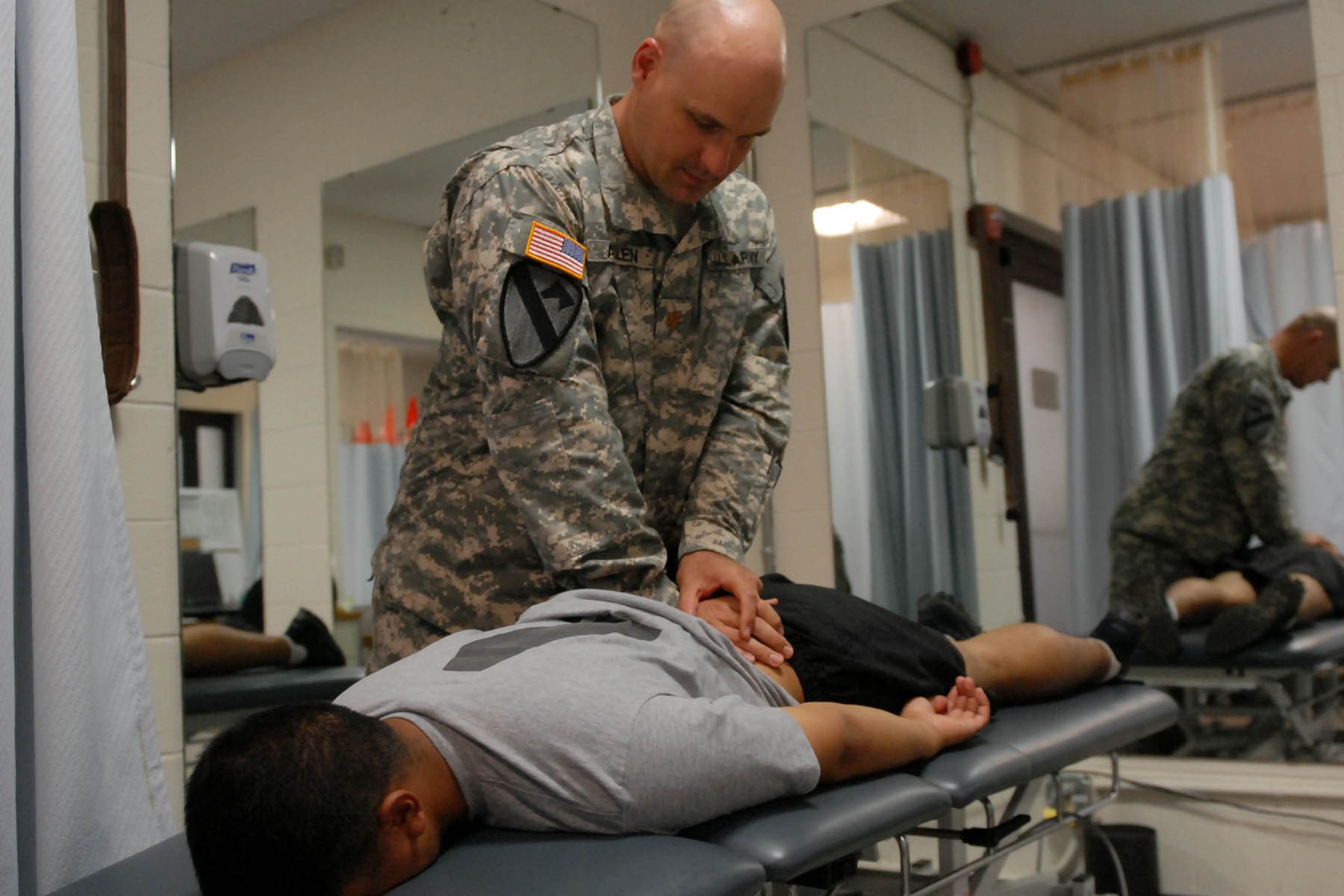
The Army Physical Therapy setting necessitates a high level of teamwork and collaboration, as physical therapists work in conjunction with a diverse group of healthcare professionals to provide comprehensive patient care. This collaborative approach ensures a holistic and patient-centered approach, optimizing recovery and rehabilitation outcomes.
Relationships with Other Healthcare Professionals
Effective communication and collaboration are paramount in the Army Physical Therapy setting. Army Physical Therapists work closely with other healthcare professionals, including:
- Physicians:Physical therapists collaborate with physicians to develop and implement treatment plans, ensuring that physical therapy interventions align with the overall medical management of the patient’s condition. This includes sharing patient progress reports, discussing treatment goals, and adapting plans based on medical evaluations and diagnoses.
- Nurses:Physical therapists coordinate with nurses to ensure continuity of care, especially regarding patient monitoring, medication administration, and wound care. This collaboration ensures that physical therapy interventions are implemented safely and effectively, considering the patient’s overall health status.
- Athletic Trainers:In cases of sports-related injuries, Army Physical Therapists work closely with athletic trainers to facilitate a smooth transition from initial injury management to rehabilitation. This collaborative effort ensures that athletes receive comprehensive care, addressing both the immediate injury and the long-term implications for their athletic performance.
Holistic Approach to Patient Care
Army Physical Therapists contribute significantly to a holistic approach to patient care, emphasizing the interconnectedness of physical, mental, and emotional well-being. This approach recognizes that recovery is not solely about physical restoration but also involves addressing the psychological and social aspects of an individual’s health.
- Addressing Pain and Functional Limitations:Physical therapists use evidence-based interventions to address pain, improve mobility, and restore function, ensuring that patients can participate fully in their daily activities and return to their desired level of activity.
- Promoting Mental and Emotional Well-being:Physical therapists understand the impact of physical injury or illness on mental and emotional well-being. They provide support, education, and strategies to manage pain, stress, and anxiety, promoting a positive and optimistic outlook on recovery.
- Enhancing Quality of Life:By addressing physical limitations and promoting mental well-being, Army Physical Therapists contribute to an overall improvement in the quality of life for their patients. This includes helping patients regain independence, reduce pain and discomfort, and achieve their personal goals.
Technology and Innovation in Army Physical Therapy
The Army Physical Therapy MOS is embracing technological advancements to enhance patient care and treatment outcomes. These innovations are transforming how physical therapists assess, diagnose, and treat injuries, ultimately contributing to the overall well-being of soldiers.
Telemedicine in Army Physical Therapy
Telemedicine has become increasingly important in providing timely and accessible physical therapy services to soldiers deployed in remote locations or facing logistical challenges.
- Telemedicine platforms allow physical therapists to conduct virtual consultations, monitor patient progress, and provide remote guidance on exercises and rehabilitation programs.
- These platforms are equipped with video conferencing capabilities, allowing for real-time interaction between the therapist and patient, facilitating accurate assessment and personalized treatment plans.
- Telemedicine also enables remote monitoring of patient progress through wearable devices, providing valuable data for informed decision-making and adjustments to treatment strategies.
Telemedicine’s impact on Army Physical Therapy is significant, enabling the delivery of high-quality care regardless of geographical constraints.
Wearable Devices in Rehabilitation
Wearable devices are playing a crucial role in enhancing rehabilitation outcomes by providing real-time data on patient movement, exertion levels, and progress.
- Smartwatches and fitness trackers can monitor heart rate, steps taken, and sleep patterns, offering valuable insights into a soldier’s overall health and recovery.
- Motion sensors embedded in wearable devices can track joint angles, range of motion, and gait patterns, providing objective measures of progress and identifying areas requiring further intervention.
- Data collected from wearable devices can be integrated into patient management systems, enabling physical therapists to personalize treatment plans and adjust interventions based on real-time feedback.
Wearable technology is revolutionizing rehabilitation by empowering both patients and therapists with data-driven insights, leading to more effective and efficient treatment strategies.
Virtual Reality (VR) in Physical Therapy
Virtual reality (VR) technology is emerging as a valuable tool for enhancing patient engagement and motivation during rehabilitation.
- VR simulations can create immersive environments that allow patients to perform exercises in a fun and engaging way, increasing their adherence to treatment plans.
- VR applications can be tailored to specific conditions, providing personalized rehabilitation programs that target specific muscle groups or movements.
- VR technology can also be used for pain management, distracting patients from discomfort and promoting relaxation during therapeutic interventions.
VR technology holds immense potential in transforming rehabilitation by making it more interactive, enjoyable, and effective for soldiers.
Artificial Intelligence (AI) in Physical Therapy
Artificial intelligence (AI) is poised to revolutionize Army Physical Therapy by automating tasks, improving diagnosis accuracy, and personalizing treatment plans.
- AI algorithms can analyze large datasets of patient information, identifying patterns and trends that may not be readily apparent to human therapists.
- AI-powered systems can assist in the diagnosis and prognosis of injuries, providing valuable insights to guide treatment decisions.
- AI can also be used to develop personalized rehabilitation programs based on individual patient needs, optimizing treatment outcomes and minimizing the risk of complications.
AI’s potential in Army Physical Therapy is vast, promising to enhance the efficiency, accuracy, and personalization of care.
Questions Often Asked
What are the specific physical fitness requirements for this MOS?
You’ll need to pass the Army Physical Fitness Test (APFT) with a minimum score of 60 points in each event. That means you’ll be doing push-ups, sit-ups, and a 2-mile run, so get ready to push yourself!
What are the benefits of serving as an Army Physical Therapist?
Besides the satisfaction of serving your country, you’ll get a competitive salary, healthcare benefits, and retirement benefits. You’ll also have opportunities for career advancement and specialized training.
What are the opportunities for civilian employment after serving as an Army Physical Therapist?
You’ll be highly sought after by hospitals, clinics, and private practices. Your experience and skills will make you a valuable asset in any healthcare setting.

Whitney Morris is a renowned author with a passion for military history and strategic analysis. Born in Jakarta, Indonesia, Defense developed a deep fascination for warfare and national defense from a young age. His unwavering interest in military strategy, combined with his natural storytelling ability, has earned him a reputation as an engaging and insightful writer in the field.
