Mens vintage army jackets, more than just clothing, represent a history of ruggedness, functionality, and enduring style. These jackets, born from the necessity of war and crafted with resilience in mind, have transcended their military origins to become iconic fashion statements.
From the iconic M-65 field jacket to the timeless bomber, each style tells a story of bravery, resilience, and the evolution of design.
Their appeal lies in their versatility. They can be dressed up for a sophisticated look or paired with casual wear for a relaxed yet stylish vibe. Beyond their aesthetic appeal, vintage army jackets carry a legacy of heritage and a touch of rebellious cool.
The patina of time and the stories woven into their fabric make them more than just garments; they are tangible reminders of history and the enduring power of style.
History and Origins
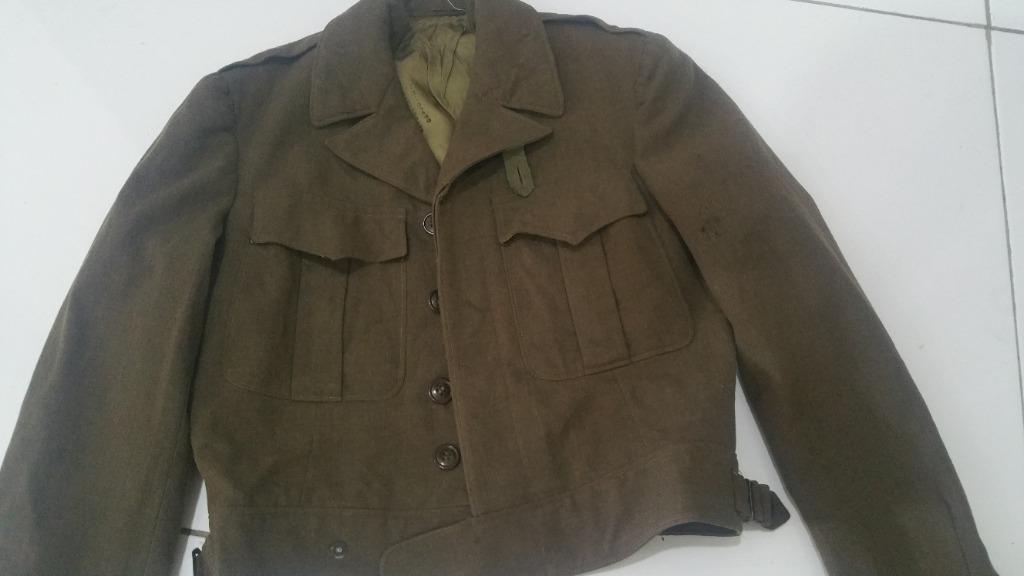
The vintage army jacket, a timeless piece of apparel, boasts a rich history intertwined with military service and evolving functionality. Its origins can be traced back to the early days of organized warfare, with rudimentary forms of protective clothing evolving into the iconic styles we recognize today.
Evolution of the Military Jacket
The military jacket’s evolution is a testament to the constant need for functional and protective attire in combat. From the simple wool coats of the 18th century to the high-tech materials and intricate designs of the 21st century, military jackets have adapted to the changing demands of warfare.
Early iterations focused on warmth and protection from the elements, while later designs incorporated features like pockets, buttons, and collars for improved functionality and utility.
Styles and Types

Vintage army jackets come in a variety of styles, each designed for specific purposes and environments. These jackets are not just functional garments but also historical artifacts reflecting military history and design evolution.
Field Jackets
Field jackets were designed for everyday wear in the field. These jackets are typically made from durable materials like cotton or nylon and feature a variety of pockets for carrying essential gear.
- M-65 Field Jacket:This iconic jacket, introduced in the 1960s, is known for its distinctive collar with a snap-down hood, four large flap pockets, and a waist cinch. It was widely issued to soldiers in the Vietnam War and remains popular today.
- M-43 Field Jacket:This earlier model, worn during World War II, features a similar design to the M-65 but with a more streamlined look. It was favored for its practicality and versatility in various climates.
Bomber Jackets
Bomber jackets, also known as flight jackets, were designed for pilots and aircrew. These jackets are typically made from leather or nylon and feature a distinctive ribbed collar, cuffs, and waistband.
Yo, vintage army jackets are totally rad, right? Like, they’re a total throwback to a different era. I was totally geekin’ out on this one I found at a thrift store, and it made me wonder, when did the Austrian Napoleonic army stop using helmets?
Check out this link when did the austrian napoleonic army stop using helmets for the deets. Anyway, back to the jacket, I’m thinking about rocking it with some ripped jeans and a band tee. Totally gonna be a head-turner, man.
- A-2 Bomber Jacket:Introduced in the 1930s, the A-2 is a classic bomber jacket made from horsehide leather. It features a zipper closure, two flap pockets, and a knitted collar, cuffs, and waistband. The A-2 was designed for bomber pilots and was highly prized for its durability and comfort.
- B-15 Bomber Jacket:This jacket, introduced during World War II, was designed for higher-altitude flying. It features a nylon shell, a shearling lining, and a zipper closure. The B-15 was popular with pilots in cold weather conditions.
Trench Coats
Trench coats were designed for soldiers in the trenches during World War I. These coats are typically made from waterproof materials like gabardine and feature a distinctive double-breasted closure, a storm collar, and a belt.
- British Trench Coat:This iconic coat, designed by Thomas Burberry, features a distinctive raglan sleeve, a D-ring belt, and a storm flap over the zipper closure. The British Trench Coat was widely issued to British soldiers during World War I and remains a popular style today.
- American Trench Coat:This coat, designed for the American military, features a similar design to the British Trench Coat but with some variations. It is typically made from a heavier material and features a more pronounced storm collar.
Parkas
Parkas were designed for soldiers in cold weather conditions. These jackets are typically made from water-resistant materials like nylon or canvas and feature a fur-lined hood and a drawstring waist.
- N-3B Parka:This parka, designed for the US Air Force, features a distinctive fur-lined hood, a drawstring waist, and multiple pockets. It was designed for cold weather conditions and was widely issued to soldiers in the Korean War and the Vietnam War.
- M-51 Parka:This parka, designed for the US Army, features a similar design to the N-3B but with a more streamlined look. It was designed for cold weather conditions and was widely issued to soldiers during the Korean War.
Table of Vintage Army Jacket Styles
| Style | Key Features | Historical Significance |
|---|---|---|
| Field Jacket | Durable cotton or nylon, multiple pockets, snap-down collar with hood | Widely issued to soldiers in the Vietnam War and other conflicts. |
| Bomber Jacket | Leather or nylon, ribbed collar, cuffs, and waistband, zipper closure | Designed for pilots and aircrew during World War II and other conflicts. |
| Trench Coat | Waterproof gabardine, double-breasted closure, storm collar, belt | Designed for soldiers in the trenches during World War I. |
| Parka | Water-resistant nylon or canvas, fur-lined hood, drawstring waist | Designed for soldiers in cold weather conditions during the Korean War and other conflicts. |
Materials and Construction
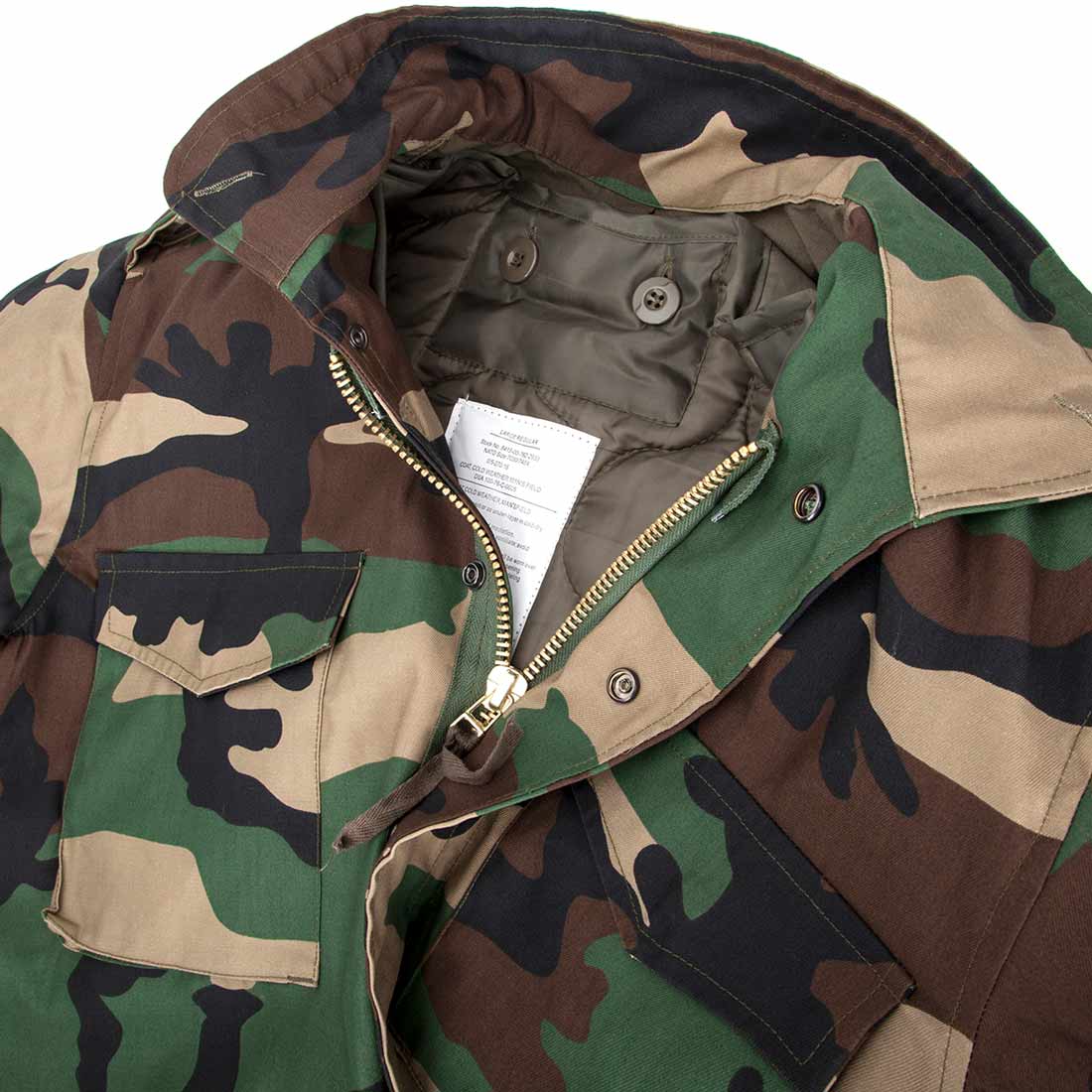
Vintage army jackets are renowned for their durability and functionality, qualities achieved through the careful selection of materials and meticulous construction techniques. These jackets were designed to withstand the rigors of military service, enduring harsh weather conditions and demanding physical activity.
The materials and construction methods employed reflect the specific needs of the military at the time, resulting in garments that are both practical and enduring.
Materials
The choice of materials for vintage army jackets was primarily driven by their ability to provide protection, comfort, and durability. Common materials include:
- Cotton: A versatile and affordable fabric, cotton was widely used in army jackets, particularly in warmer climates. Cotton is breathable, allowing air circulation and reducing heat buildup. However, it is susceptible to shrinking and wrinkling, and it absorbs moisture, making it less suitable for wet conditions.
- Wool: Wool is known for its excellent insulation properties, making it ideal for cold weather conditions. It is also naturally water-resistant and durable, able to withstand wear and tear. However, wool can be heavy and bulky, and it can be prone to shrinkage if not properly cared for.
- Leather: Leather is a highly durable and water-resistant material, often used for jackets intended for extreme weather conditions. Leather jackets are known for their rugged appearance and longevity. However, leather can be stiff and uncomfortable, and it requires regular maintenance to prevent cracking and drying.
- Nylon: A synthetic fabric, nylon is lightweight, water-resistant, and tear-resistant. It was often used in army jackets designed for specific purposes, such as parachuting or flight jackets. Nylon is less prone to shrinking and wrinkling than cotton, but it can be less breathable and more prone to tearing than other materials.
Construction Techniques
Vintage army jackets were constructed with meticulous attention to detail, ensuring their durability and functionality. Common construction techniques include:
- Stitching: Strong, double-stitching was used throughout the jacket, reinforcing seams and preventing them from unraveling. This technique was particularly important in areas that experienced high stress, such as the shoulders, elbows, and pockets.
- Buttonholes: Buttonholes were often reinforced with metal eyelets, adding strength and preventing tearing. This detail ensured that the buttons remained securely attached, even under heavy use.
- Zippers: Zippers were commonly used on army jackets, particularly for closures and pockets. Vintage army jackets often featured heavy-duty zippers designed to withstand frequent use and harsh conditions.
Distinguishing Features
Vintage army jackets often feature unique details that set them apart from modern counterparts. These features reflect the specific requirements of military service at the time, and they can provide valuable clues to the jacket’s origin and age. Some distinguishing features include:
- Military Patches: Vintage army jackets often feature patches indicating the unit, rank, or branch of service. These patches can be made of various materials, such as felt, leather, or embroidered cloth.
- Button Configuration: The number and arrangement of buttons on a vintage army jacket can vary depending on the era and specific model. These details can help identify the jacket’s origin and date of manufacture.
- Fabric Weaves: The fabric weaves used in vintage army jackets often differed from those used in modern garments. For example, vintage army jackets may feature a herringbone weave, a twill weave, or a canvas weave, each with its unique characteristics and properties.
Distinguishing Features
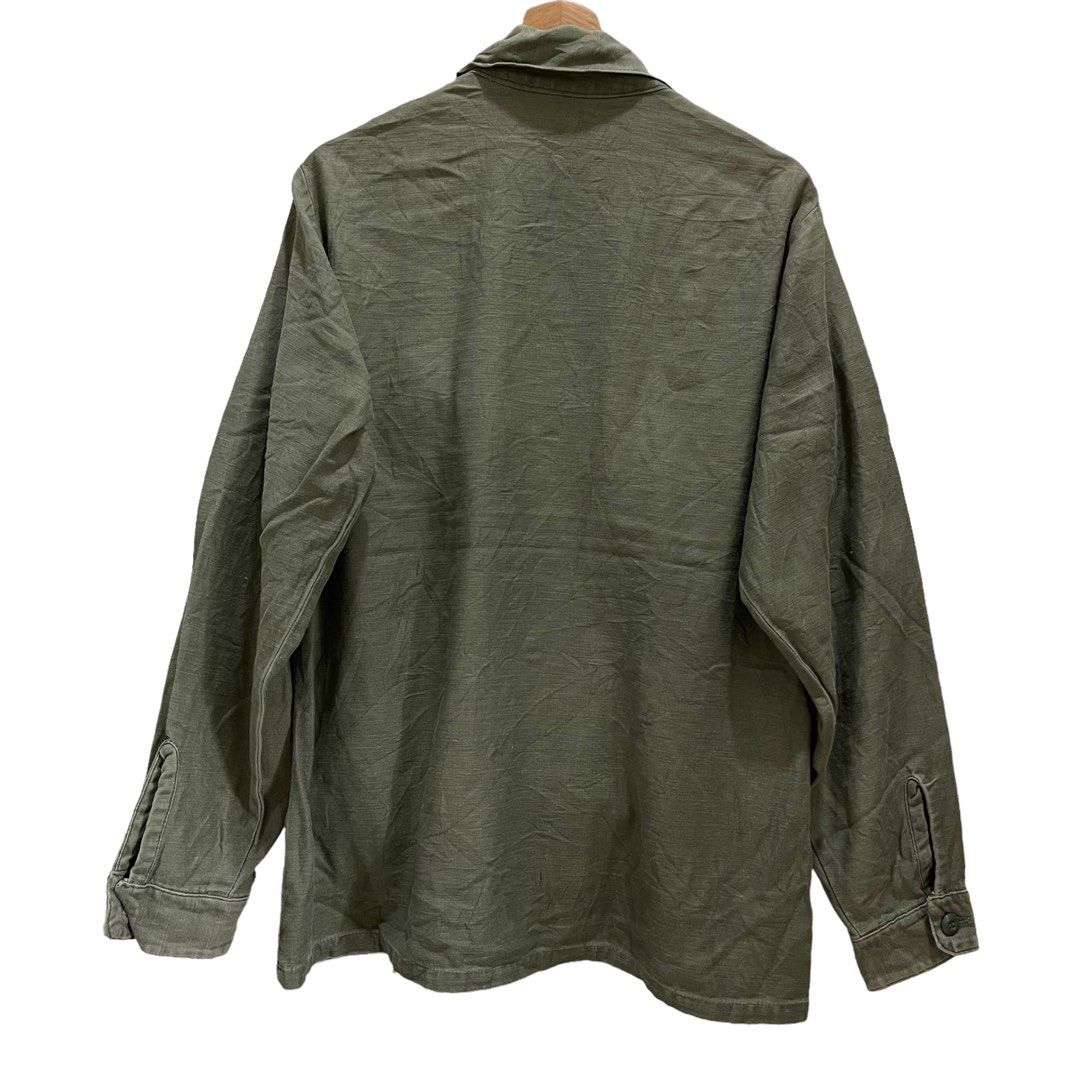
Vintage army jackets are more than just durable outerwear; they are historical artifacts imbued with the unique characteristics of their intended use. Each feature, from the pockets to the closures, tells a story of functionality and purpose within the context of military operations.
Pockets, Mens vintage army jacket
The pockets on a vintage army jacket are not merely decorative elements. They are strategically placed and designed to serve specific purposes, reflecting the needs of soldiers in different situations.
- Cargo Pockets: Large, often flapped pockets on the sides of the jacket, designed to carry equipment, ammunition, or other essential items. These pockets are typically found on field jackets and are often reinforced with extra stitching for durability.
- Chest Pockets: Smaller pockets located on the chest, often with flaps and buttons.
These pockets were intended for carrying maps, notebooks, or personal items.
- Utility Pockets: Smaller pockets on the sleeves or inner lining of the jacket, designed to hold pens, pencils, or other small tools.
Closures
The closures on a vintage army jacket are robust and designed to withstand harsh conditions.
- Zippers: Zippers were introduced later in the history of military jackets and were primarily used on jackets designed for colder climates. They offered a secure and water-resistant closure.
- Buttons: Buttons were the most common closure used on vintage army jackets.
These buttons were often made of metal or plastic and were designed to be durable and resistant to wear and tear.
- Snaps: Snaps were used in conjunction with zippers or buttons to provide additional security and adjustability.
Insignia
Insignia, patches, and badges are often sewn onto vintage army jackets, signifying the wearer’s unit, rank, or service.
- Unit Patches: These patches indicate the specific unit to which the wearer belonged.
- Rank Insignia: These insignia are often worn on the collar or sleeves and denote the wearer’s rank within the military.
- Service Badges: These badges are awarded for specific achievements or periods of service.
Vintage Army Jackets in Fashion: Mens Vintage Army Jacket
The rugged, utilitarian aesthetic of vintage army jackets has transcended their military origins to become a cornerstone of modern fashion. These jackets, originally designed for practicality and durability, have been embraced by designers and fashion enthusiasts alike, influencing a wide range of contemporary styles.
The Influence of Vintage Army Jackets on Modern Fashion Trends
Vintage army jackets have exerted a significant influence on modern fashion trends, bringing a sense of authenticity, durability, and rebellious cool to various styles. Their timeless design and versatile nature have made them a perennial favorite for designers and fashion-conscious individuals.
- Military-inspired fashion:Vintage army jackets have been a driving force behind the enduring popularity of military-inspired fashion. This trend has incorporated elements such as camouflage patterns, utility pockets, and the classic silhouette of army jackets into contemporary clothing.
- Streetwear and urban fashion:Vintage army jackets have found a natural home in streetwear and urban fashion, where their ruggedness and practicality align perfectly with the aesthetic. They are often paired with sneakers, jeans, and graphic tees, creating a cool and casual look.
- High fashion:Surprisingly, vintage army jackets have also made their way into high fashion, where designers have reinterpreted their classic elements with luxurious fabrics, intricate details, and innovative silhouettes.
Incorporation of Vintage Army Jacket Elements into Contemporary Clothing
Designers have cleverly incorporated elements from vintage army jackets into contemporary clothing, creating a blend of practicality and style. These elements add a distinct character and a touch of history to modern designs.
- Camouflage patterns:Camouflage patterns, originally designed for concealment in military contexts, have become a prominent feature in contemporary clothing, appearing on everything from dresses to sneakers.
- Utility pockets:The functional pockets found on vintage army jackets have inspired the addition of utility pockets on contemporary garments, providing both style and functionality.
- Military-inspired hardware:Buttons, zippers, and other hardware elements inspired by vintage army jackets add a touch of ruggedness and authenticity to modern clothing.
Prominent Fashion Houses and Designers
Several prominent fashion houses and designers have drawn inspiration from vintage army jackets, incorporating their elements into their collections.
- Ralph Lauren:Ralph Lauren has long been known for his military-inspired designs, often incorporating elements from vintage army jackets into his collections. His iconic “Polo” brand has become synonymous with classic American style, blending practicality and elegance.
- Givenchy:Givenchy has also embraced the military aesthetic, reinterpreting vintage army jacket elements in its high-fashion collections. The brand’s signature blend of sophistication and edginess often incorporates camouflage patterns, utility pockets, and other military-inspired details.
- Alexander McQueen:Alexander McQueen, known for his avant-garde designs, has also incorporated vintage army jacket elements into his collections. His creations often feature dramatic silhouettes, bold colors, and military-inspired details, pushing the boundaries of fashion.
Evolution of Vintage Army Jackets in Fashion
Vintage army jackets have evolved through various stages in fashion, reflecting changing trends and cultural influences. Here is a visual timeline showcasing this evolution:
- 1940s-1950s:The classic M-43 field jacket, designed for World War II, becomes a symbol of wartime resilience and practicality. It is often worn by returning soldiers and civilians alike.
- 1960s-1970s:The rebellious spirit of the era embraces the anti-establishment vibe of vintage army jackets, particularly the M-65 field jacket. It becomes a staple of counterculture fashion.
- 1980s-1990s:Vintage army jackets continue to be popular, finding their way into mainstream fashion and being incorporated into grunge and hip-hop styles.
- 2000s-present:Vintage army jackets remain a timeless fashion staple, appearing in high fashion, streetwear, and everyday wear. They continue to be reinterpreted by designers, reflecting the ongoing influence of military aesthetics on contemporary trends.
Collecting and Care
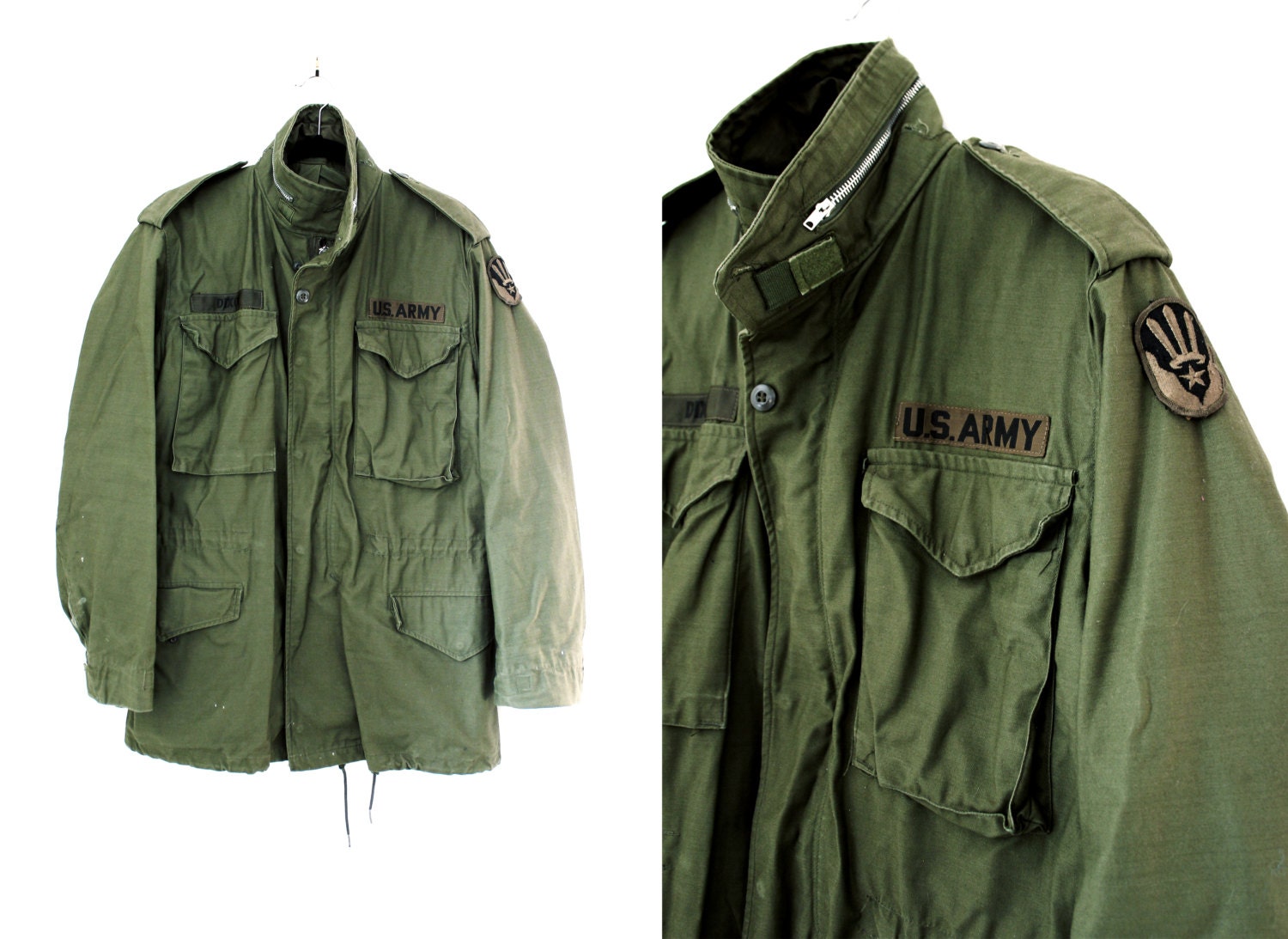
Owning a vintage army jacket is a rewarding experience, and its value only increases with time. To fully appreciate and enjoy your jacket, understanding its authenticity and proper care is crucial. This section will guide you on identifying genuine vintage pieces, preserving their condition, and appreciating their worth.
Authenticity
Distinguishing authentic vintage army jackets from replicas requires a keen eye and knowledge of specific details. Several factors contribute to authenticity, including:
- Manufacturing Details:Pay close attention to the stitching, buttonholes, and overall construction quality. Authentic jackets often exhibit meticulous craftsmanship and attention to detail. For example, look for evenly spaced stitching, reinforced seams, and durable buttonholes.
- Material:Vintage army jackets were typically made from durable materials like wool, cotton, or leather. Check the fabric’s weave and texture, as well as the presence of any specific markings or labels. Replicas often use cheaper materials or imitations, which can be easily detected with a trained eye.
- Hardware:Buttons, zippers, and other hardware should be consistent with the era and type of jacket. Look for original markings, patina, and signs of wear consistent with age. Replicas may use modern hardware or replicas that lack the character of authentic pieces.
- Labels and Markings:Authentic jackets often bear labels and markings that indicate the manufacturer, date of production, and size. Research these markings and compare them to known examples to verify their authenticity. Replicas may use incorrect or misleading labels to deceive buyers.
- Condition:While wear and tear are expected on vintage items, excessive damage or inconsistencies may indicate a replica. Look for signs of age, such as fading, patina, and minor repairs. Replicas may have artificially aged finishes or exhibit signs of poor quality repairs.
Preservation and Care
Caring for your vintage army jacket ensures its longevity and preserves its value. Follow these tips to maintain its condition:
- Cleaning:Avoid washing your jacket in a washing machine, as this can damage the fabric and stitching. For light cleaning, use a soft brush or damp cloth to remove dust and dirt. For deeper cleaning, consider professional dry cleaning.
Always check the care label for specific instructions.
- Storage:Store your jacket in a cool, dry place, away from direct sunlight and moisture. Hang it on a padded hanger to prevent wrinkles and distortion. Use breathable fabric bags or garment covers to protect it from dust and insects.
- Repair:Minor repairs, such as replacing buttons or stitching loose seams, can be done at home. For more complex repairs, consult a professional tailor or leather repair specialist. Avoid using harsh chemicals or adhesives that can damage the fabric or hardware.
Value and Collectability
Vintage army jackets are highly collectible items, with their value influenced by several factors:
- Rarity:Limited production runs, unique designs, or specific wartime issues make certain jackets more desirable and valuable.
- Condition:Well-preserved jackets with minimal wear and tear command higher prices than those with significant damage or alterations.
- Historical Significance:Jackets associated with specific military units, events, or periods of history are often sought after by collectors.
- Brand:Certain brands, such as Alpha Industries or Schott, are known for their high-quality construction and historical significance, making their jackets more valuable.
Resources
Several online resources and communities offer information and support for vintage army jacket collectors:
- Online Forums:Websites like “The Vintage Clothing Forum” and “Military Clothing Collectors” provide platforms for enthusiasts to share knowledge, discuss authenticity, and trade information.
- Vintage Clothing Dealers:Reputable vintage clothing dealers offer a wide range of authentic vintage army jackets, providing expert knowledge and guidance on selecting and caring for these items.
- Auction Sites:Online auction platforms like eBay and Etsy host a vast collection of vintage army jackets, allowing you to browse, bid, and purchase from a global marketplace.
Quick FAQs
How can I tell if a vintage army jacket is authentic?
Look for specific details like stitching, buttonholes, zippers, and insignia that are characteristic of the era and military branch. Research the jacket’s history and compare it to known examples. Consulting with reputable vintage clothing dealers or collectors can also be helpful.
What are some tips for caring for a vintage army jacket?
Avoid washing your vintage army jacket unless absolutely necessary. Instead, spot clean stains with a mild detergent and water. Store it in a cool, dry place away from direct sunlight to prevent fading and damage.
What are some popular brands of vintage army jackets?
Some popular brands include Alpha Industries, Baracuta, Schott NYC, and US Army surplus.
Where can I find authentic vintage army jackets?
You can find authentic vintage army jackets at vintage clothing stores, online marketplaces, and antique shops. Reputable dealers and collectors can provide expert advice and authentication.

Welcome to my website! Here’s a brief introduction about me.
I am Charles Pham, a passionate individual with a diverse range of interests and experiences. Throughout my life, I have pursued my curiosity and embraced various opportunities that have shaped me into the person I am today.
