Army Basic Training Yearbooks? You betcha! They’re not just dusty relics of the past – they’re like a time capsule of sweat, tears, and those epic “I can’t believe we survived that” moments. Imagine flipping through pages filled with photos of your fellow recruits looking fresh-faced and clueless, only to see them transformed into hardened, battle-ready soldiers (well, maybe not battle-ready, but definitely more confident).
It’s a trip down memory lane, a reminder of the camaraderie, the challenges, and the pure insanity that is basic training.
These yearbooks aren’t just about documenting drills and PT sessions; they’re about capturing the spirit of the unit, the inside jokes, the shared struggles, and the bonds forged in the fires of boot camp. They’re a testament to the human experience – a reminder that even in the most grueling circumstances, laughter, camaraderie, and a little bit of silliness can make all the difference.
History of Army Basic Training Yearbooks

The tradition of creating yearbooks in Army basic training has a rich history, evolving alongside the changing nature of military training and the experiences of recruits. These yearbooks serve as valuable historical records, capturing the essence of training life, camaraderie, and the transformation of individuals into soldiers.
Origins and Evolution
The origins of Army basic training yearbooks can be traced back to the early 20th century. During World War I, the rapid expansion of the military led to the establishment of numerous training camps across the United States. As the number of recruits surged, the need for a way to document their experiences and foster a sense of community became evident.
- Early yearbooks, often simple in design, served as a means to record the names and photographs of recruits in each training company. These early yearbooks were primarily focused on practical information, such as training schedules and company rosters. They also included photographs of training exercises, drill formations, and social events, providing a glimpse into the daily life of recruits.
- The development of photography and printing technology in the mid-20th century led to a significant evolution in yearbook design and content. Yearbooks began to incorporate more sophisticated layouts, including colorful photographs, illustrations, and personalized messages from instructors and fellow recruits.
- The introduction of color photography in the 1960s further enhanced the visual appeal of yearbooks, making them more engaging and memorable. The inclusion of personal anecdotes, humorous stories, and messages of encouragement contributed to the sentimental value of these publications.
Purpose and Significance of Army Basic Training Yearbooks
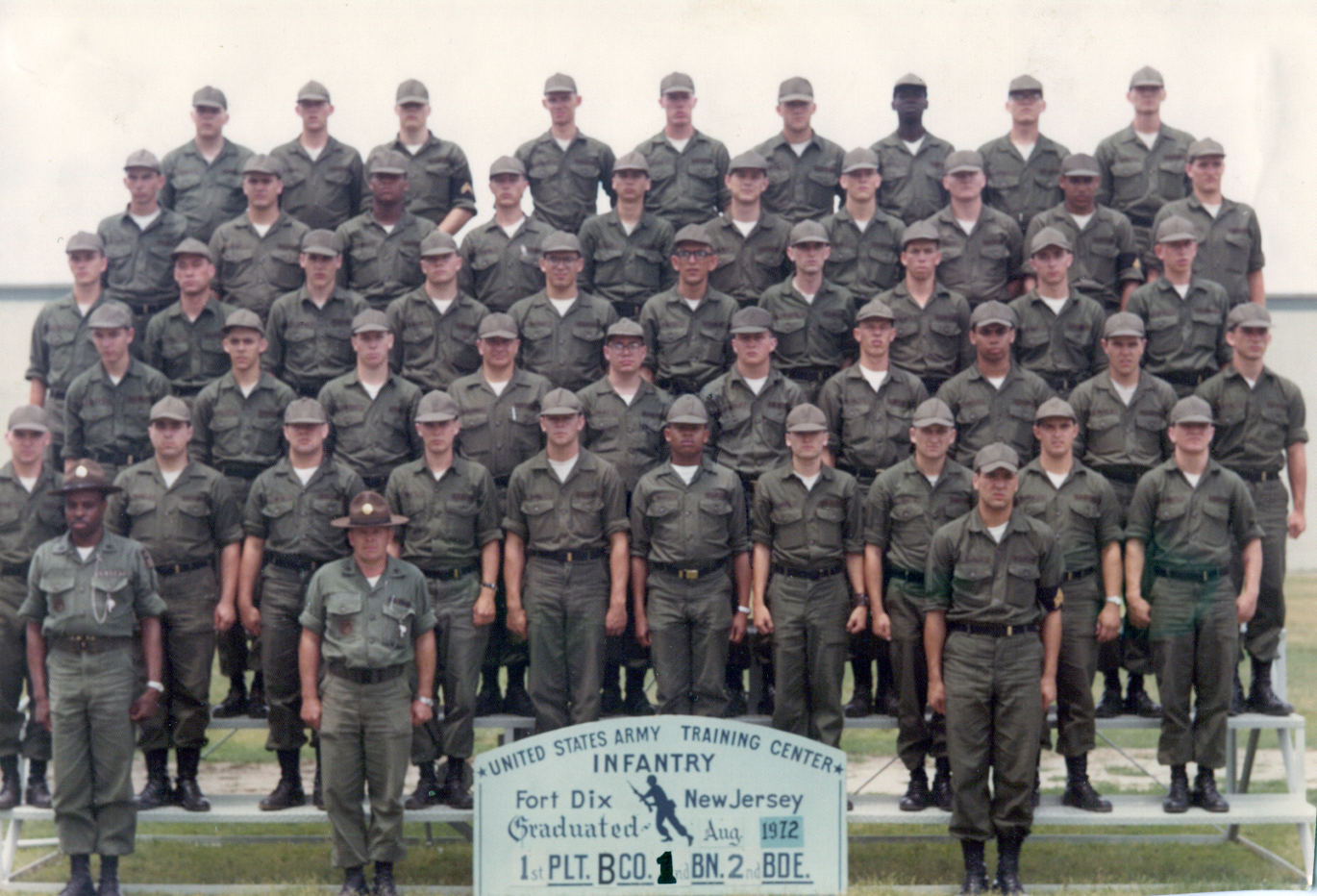
The Army Basic Training Yearbooks serve a profound purpose, transcending mere documentation of events. They act as tangible embodiments of the transformative journey undertaken by recruits, fostering camaraderie, preserving memories, and contributing to the enduring legacy of basic training.
Preserving Memories and Shared Experiences
Yearbooks offer a powerful medium for preserving the memories and shared experiences of basic training. The photographs capture the physical transformation of recruits, from their initial arrival to their graduation, showcasing the rigorous training and the personal growth they undergo.
- These images provide a visual chronicle of the challenges faced, the camaraderie forged, and the sense of accomplishment achieved during this pivotal period.
- The captions accompanying the photographs often provide context, humor, and personal anecdotes, adding depth and meaning to the visual record.
- Yearbooks also feature written accounts of key events, training exercises, and notable moments, offering a comprehensive narrative of the training experience.
These written accounts, combined with the photographs, create a lasting record that allows graduates to revisit their experiences and share them with loved ones, ensuring that the memories of basic training are preserved and cherished for years to come.
Fostering Camaraderie and Unit Cohesion
Yearbooks play a vital role in fostering camaraderie and unit cohesion among recruits. By showcasing the collective effort and shared experiences of the training cycle, yearbooks reinforce the sense of belonging and shared purpose that binds the recruits together.
- The photographs of training exercises, drill ceremonies, and social events depict the camaraderie and teamwork that develop within the training company.
- The personal messages and dedications included in yearbooks allow recruits to express their appreciation for one another, strengthening the bonds formed during training.
- Yearbooks also serve as a reminder of the shared challenges and triumphs, fostering a sense of shared history and collective identity among the graduates.
The yearbook becomes a tangible symbol of the unit’s journey, serving as a reminder of the shared experiences and the bonds forged during basic training, which can endure long after graduation.
Contributing to the Legacy and Tradition of Basic Training
Army Basic Training Yearbooks contribute to the legacy and tradition of basic training by documenting the evolution of training methods, the challenges faced by recruits, and the enduring spirit of the Army.
- Yearbooks from different eras provide a historical record of the changes in training programs, equipment, and standards, offering insights into the evolution of Army training.
- They also capture the spirit of the times, reflecting the societal and political context in which the recruits trained.
- The yearbooks become a testament to the resilience and determination of those who have undergone basic training, contributing to the legacy of the Army’s commitment to excellence and service.
By preserving the memories, fostering camaraderie, and documenting the history of basic training, yearbooks play a significant role in shaping the enduring legacy and tradition of the Army.
Content and Structure of Army Basic Training Yearbooks
Army Basic Training yearbooks serve as tangible reminders of the transformative journey that recruits undergo during their initial weeks of military service. These yearbooks are meticulously crafted to capture the essence of this experience, offering a unique blend of personal stories, official documentation, and visual representations of the training process.
Flipping through an Army basic training yearbook, you’ll see faces brimming with youthful optimism, each photo a snapshot of a transformation. But behind the smiles, there’s often a struggle to adjust. Thankfully, the Army offers resources like magic bullet army counseling , which can help soldiers navigate the challenges of boot camp and beyond.
These counseling sessions are invaluable, just like those yearbook photos, reminding us that even in the toughest times, support and guidance are always available.
Common Sections and Content
Yearbooks typically include a range of sections designed to provide a comprehensive overview of the training experience. These sections often include:
| Section | Content |
|---|---|
| Company Roster | A list of all recruits in the training company, including their names, ranks, and hometowns. This section often includes individual photographs of each recruit. |
| Unit Information | Details about the training company, including its history, mission, and leadership. This section might also include information about the training environment, such as the location of the training base and the names of the instructors. |
| Training Highlights | A chronological account of the major training events, including physical fitness tests, weapons training, and field exercises. This section often features photographs and captions that showcase the recruits’ progress and achievements. |
| Personal Biographies | Brief biographies of each recruit, including their educational background, previous work experience, and personal interests. This section allows recruits to share their stories and perspectives on the training experience. |
| Humor and Anecdotes | A collection of humorous anecdotes and lighthearted moments from training. This section serves as a reminder of the camaraderie and resilience of the recruits during their time in basic training. |
Creative Content Elements
Beyond the standard sections, yearbooks often incorporate creative elements that enhance their storytelling capabilities and leave a lasting impression on the readers. These elements include:
- Unit Mottos: These mottos encapsulate the spirit and values of the training company, often reflecting the challenges and triumphs of the training experience. For example, a company might adopt a motto like “Stronger Together” or “Never Quit.”
- Training Quotes: These quotes, often from instructors or fellow recruits, provide insightful reflections on the training experience. They can capture the essence of the training philosophy, the importance of teamwork, or the challenges of overcoming adversity.
- Humorous Anecdotes: These anecdotes provide lighthearted moments of levity and showcase the camaraderie and resilience of the recruits. They can range from funny training mishaps to heartwarming acts of friendship.
Balancing Personal Stories with Official Documentation
A key aspect of creating effective Army Basic Training yearbooks is striking a balance between personal stories and official documentation. While official documentation provides context and structure, personal stories bring the training experience to life.
“The yearbook should not only be a record of the training, but also a reflection of the people who went through it.”
By incorporating personal narratives, anecdotes, and individual photographs, yearbooks allow recruits to share their unique perspectives and connect with their fellow trainees on a deeper level. This balance creates a more engaging and meaningful experience for the readers.
Production and Distribution of Army Basic Training Yearbooks
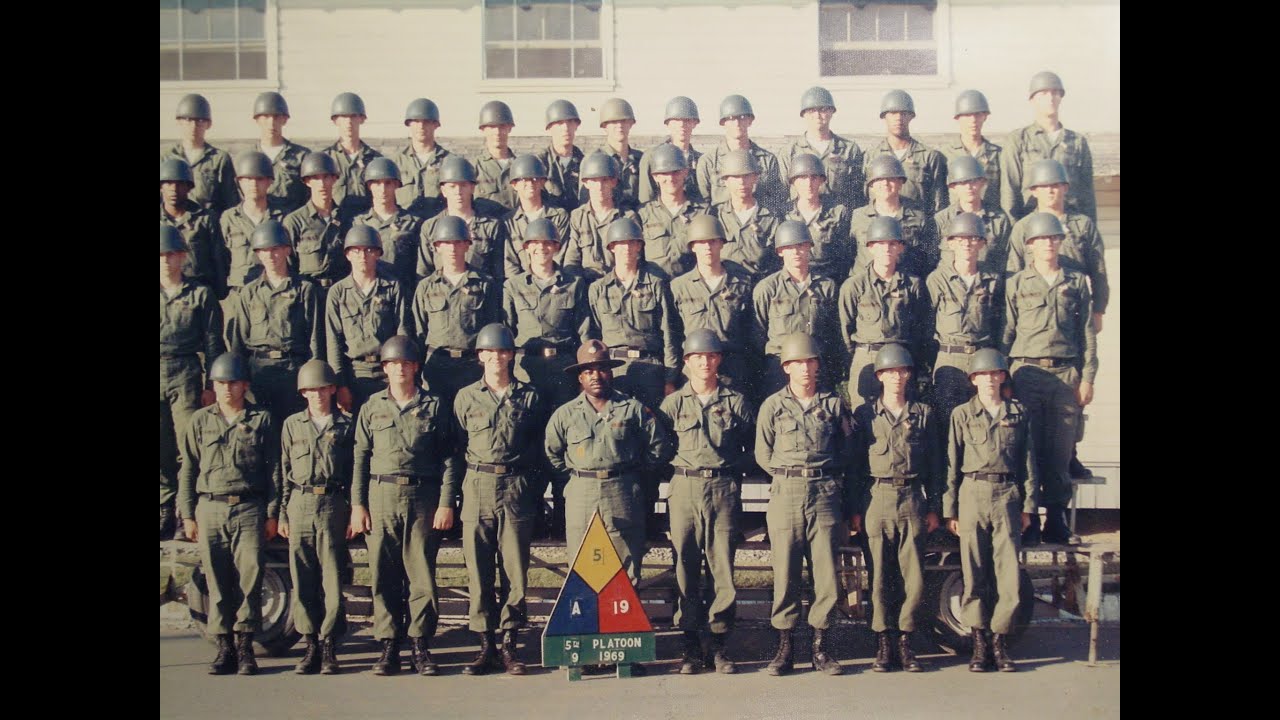
The creation of Army Basic Training yearbooks is a collaborative effort involving various individuals and departments. The process encompasses photography, design, and printing, all of which are essential in capturing the memories and experiences of recruits during their transformative journey.
Photography
The foundation of a yearbook lies in capturing the essence of basic training through photographs. This task is entrusted to a dedicated team of photographers, often consisting of experienced military personnel or civilian contractors. Their role is to document the various aspects of training, from the initial arrival of recruits to their graduation ceremony.
- Candid Shots:The photographers strive to capture the raw emotions and camaraderie that define basic training. Candid shots of recruits during drills, physical training, and even moments of relaxation provide a glimpse into the everyday realities of their experience.
- Formal Portraits:Individual portraits are taken of each recruit, showcasing their transformation from civilians to soldiers. These portraits serve as a visual record of their progress and growth during training.
- Group Photographs:Group photos of platoons, companies, and even the entire battalion are taken to document the collective journey of the recruits. These photos highlight the bonds formed during the shared experience of basic training.
Design
Once the photographs are collected, the design team takes over, bringing the yearbook to life. This team typically consists of graphic designers, layout specialists, and editors who possess the skills to create a visually appealing and informative publication.
- Layout and Theme:The design team collaborates with the yearbook committee to determine the overall layout and theme of the yearbook. The design should be visually engaging and reflect the spirit of basic training, while also being easy to navigate.
- Content Organization:The team organizes the content into various sections, such as a history of the training program, biographical information about the recruits, and highlights of the training experience. The organization should be logical and flow naturally.
- Image Selection and Placement:The design team carefully selects and places the photographs to enhance the storytelling aspect of the yearbook. Images should be used strategically to complement the text and evoke specific emotions.
Printing
The final stage in the yearbook production process is printing. This involves selecting a reputable printing company with the expertise and capacity to produce high-quality yearbooks.
- Paper and Binding:The choice of paper and binding is crucial for the durability and longevity of the yearbook. High-quality paper with a durable binding ensures that the yearbook will withstand the test of time.
- Color and Resolution:The printing process should adhere to the design specifications, ensuring that the colors are accurate and the resolution is high enough to produce sharp and clear images.
- Quality Control:A thorough quality control process is essential to ensure that the printed yearbooks meet the highest standards. This involves inspecting the final product for any errors or inconsistencies.
Role of Unit Leadership and Enlisted Personnel
The production of a yearbook is a collaborative effort, with unit leadership and enlisted personnel playing vital roles.
- Yearbook Committee:A yearbook committee is typically established, comprising both officers and enlisted personnel. This committee oversees the entire production process, from planning and fundraising to distribution.
- Recruit Participation:Enlisted personnel, especially those in leadership positions, encourage recruit participation in the yearbook process. This may involve submitting photos, writing short biographies, or contributing to the content.
- Fundraising:The yearbook committee often organizes fundraising events to cover the costs of printing and distribution. This may involve selling advertisements, organizing bake sales, or seeking donations.
Distribution Methods
Once the yearbooks are printed, they are distributed to the graduating recruits.
- Graduation Ceremony:The distribution of yearbooks often takes place during the graduation ceremony, marking the culmination of basic training. This allows recruits to receive their yearbook as a tangible reminder of their experience.
- Mail Delivery:In some cases, yearbooks may be mailed to recruits after graduation, especially if they are immediately assigned to different units or locations.
- Digital Distribution:Some units have adopted digital distribution methods, allowing recruits to access the yearbook online. This offers convenience and accessibility, but may not provide the same tangible value as a physical copy.
Significance of Receiving a Yearbook
Receiving a yearbook is a significant event for graduating recruits, as it serves as a tangible reminder of their time in basic training.
- Memories and Milestones:The yearbook captures the key moments and milestones of basic training, providing a lasting record of the recruits’ journey.
- Commemoration and Pride:The yearbook serves as a commemoration of the recruits’ achievements and a source of pride in their accomplishments.
- Connection and Belonging:The yearbook reinforces the sense of connection and belonging among the recruits, as they share the experience of basic training.
Impact and Legacy of Army Basic Training Yearbooks
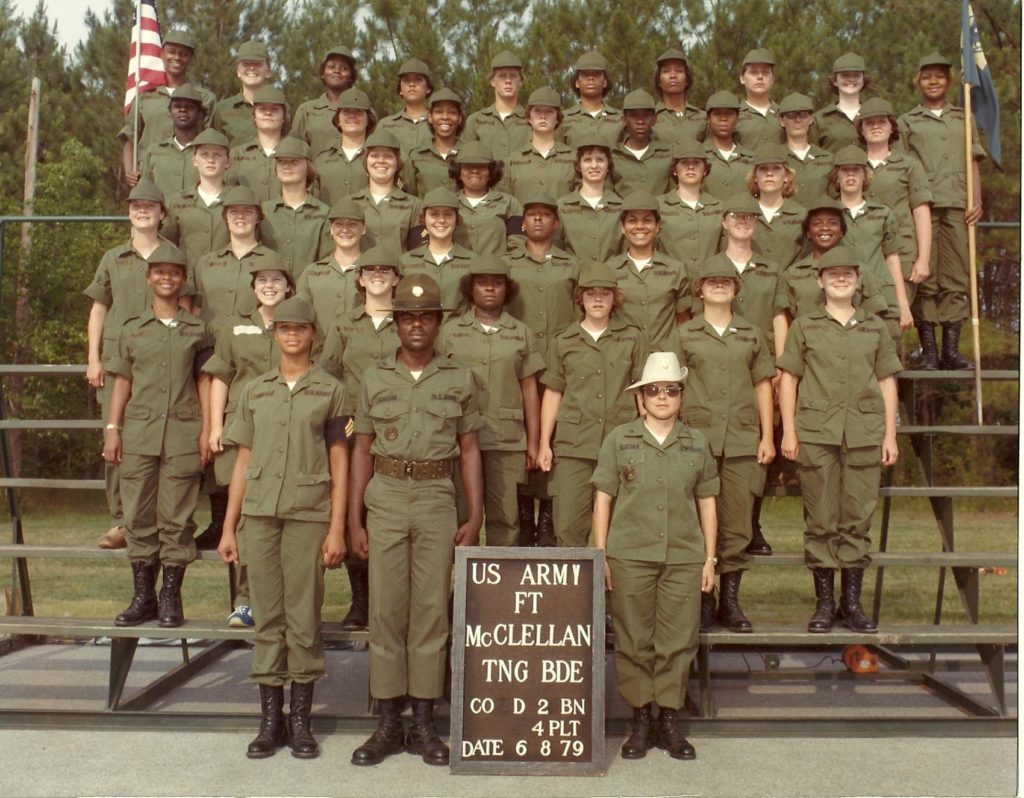
Army Basic Training yearbooks, often referred to as “trainee bibles,” transcend their function as simple record-keeping tools. They serve as powerful time capsules, capturing a pivotal moment in the lives of countless individuals, leaving a lasting impact on their journeys.
The Enduring Influence of Yearbooks on Trainees’ Lives
The impact of yearbooks extends far beyond the initial training period. They act as tangible reminders of a shared experience, a period of intense growth and transformation. For many, these yearbooks become cherished keepsakes, holding sentimental value that deepens over time.
- Preserving Memories:The yearbooks serve as a visual record of the training experience, preserving memories of camaraderie, challenges, and triumphs. They act as a visual time capsule, allowing individuals to revisit the faces, uniforms, and moments that defined their time in basic training.
- Connecting with the Past:The yearbooks act as a bridge to the past, allowing individuals to reconnect with their past selves and the individuals who shared their journey. They can evoke powerful emotions, reminding individuals of the challenges they overcame and the growth they experienced.
- Strengthening Bonds:Yearbooks often feature personal messages and signatures from fellow trainees, fostering a sense of camaraderie and connection that extends beyond the training period. These messages serve as a testament to the bonds forged during basic training, reminding individuals of the shared experiences that unite them.
- A Source of Pride:The yearbooks serve as a symbol of accomplishment, representing the completion of a rigorous and demanding training program. They evoke a sense of pride and accomplishment, serving as a reminder of the individual’s commitment and resilience.
Anecdotes and Stories of Cherished Yearbooks, Army basic training yearbooks
The enduring value of these yearbooks is evident in the stories of those who have cherished them. They have been passed down through generations, becoming family heirlooms that hold sentimental value for both the original recipient and their descendants.
- A Legacy of Service:A veteran’s daughter, upon inheriting her father’s yearbook, discovered a handwritten note from her father’s drill sergeant, offering words of encouragement and praise. This simple note became a cherished memento, reminding her of her father’s dedication to service and the impact he made on others.
- Rekindling Bonds:Two former trainees, who had lost touch after basic training, were reunited through a shared interest in their yearbooks. They reconnected online, sharing stories and memories from their time in training, reigniting their bond and discovering a renewed sense of camaraderie.
- A Reminder of Sacrifice:A veteran, upon revisiting his yearbook after years of service, was struck by the youthful faces and the innocent optimism captured in the photos. He realized the significant sacrifices made by those who served alongside him, appreciating the enduring legacy of their shared experience.
FAQ Summary
Why are Army Basic Training Yearbooks important?
They’re like a scrapbook of your journey from civilian to soldier, capturing the laughs, the tears, and the moments that shaped you. Plus, they’re a great way to reconnect with your fellow recruits years later.
What are some common sections in Army Basic Training Yearbooks?
Think photos, bios, unit information, training highlights, funny anecdotes, and even a few embarrassing moments – it’s all in there!
Are these yearbooks just for bragging rights?
Nah, they’re more than that. They’re a reminder of the challenges you faced, the bonds you forged, and the growth you experienced. Plus, they’re a great way to share your experience with family and friends.

Welcome to my website! Here’s a brief introduction about me.
I am Charles Pham, a passionate individual with a diverse range of interests and experiences. Throughout my life, I have pursued my curiosity and embraced various opportunities that have shaped me into the person I am today.
