Army PT Weather Uniform Chart: Dress for Success. Imagine this: you’re standing on the parade ground, the sun beating down, and you’re sweating through your uniform. Or, maybe it’s a frigid winter morning and you’re shivering in your PT gear.
Navigating the elements during physical training is a challenge, but it’s one that can be conquered with the right knowledge and preparation. This guide provides a comprehensive overview of Army PT uniform regulations, weather considerations, and tips for dressing for success in any condition.
From understanding the impact of different weather conditions on PT performance to navigating the complexities of Army uniform regulations, this guide will equip you with the knowledge and tools you need to stay comfortable, safe, and perform at your best, regardless of the weather.
Army Physical Training (PT) Weather Considerations
The weather plays a significant role in the effectiveness and safety of Army Physical Training (PT). Understanding the impact of different weather conditions on PT performance is crucial for maintaining optimal training outcomes and minimizing risks to soldiers. This section will discuss the effects of various weather conditions on PT, the importance of hydration and appropriate clothing choices, and provide examples of PT modifications for extreme weather situations.
Impact of Weather Conditions on PT Performance
Weather conditions can significantly impact PT performance, influencing factors like endurance, strength, and overall safety. Here are some key weather conditions and their effects:
- Heat:High temperatures and humidity can lead to heat stress, characterized by fatigue, dizziness, and potential heat exhaustion or stroke. The body’s ability to regulate temperature is compromised, leading to reduced performance and increased risk of injury.
- Cold:Cold temperatures can negatively impact muscle function and coordination, increasing the risk of injuries like muscle strains or sprains. The body’s ability to maintain core temperature is challenged, leading to hypothermia in extreme cases.
- Rain:Rain can make PT surfaces slippery, increasing the risk of falls and injuries. It can also lead to hypothermia if clothing is not appropriate for wet conditions.
- Wind:Strong winds can make it difficult to maintain balance and control during exercises, especially those involving equipment or running. Wind chill can also contribute to hypothermia.
Hydration and Clothing Choices
Hydration is essential for maintaining performance and preventing heat stress during PT, particularly in hot weather. Adequate fluid intake before, during, and after training is crucial. Clothing choices are also important for regulating body temperature and comfort in different weather conditions.
- Hydration:Soldiers should drink water regularly throughout the day, especially before, during, and after PT. In hot weather, electrolyte-rich beverages can help replenish lost minerals.
- Clothing:Clothing should be breathable, moisture-wicking, and appropriate for the weather conditions. In hot weather, light-colored, loose-fitting clothing is recommended. In cold weather, layers of clothing can help insulate the body and prevent heat loss.
PT Modifications for Extreme Weather
In extreme weather conditions, it may be necessary to modify or adjust PT routines to ensure safety and minimize the risk of injury. Here are some examples:
- Heat:In hot weather, PT sessions can be shortened, conducted in shaded areas, or moved to cooler times of the day. The intensity of exercises can also be reduced, and more frequent breaks for hydration are recommended.
- Cold:In cold weather, PT sessions can be conducted indoors or in sheltered areas. Layers of clothing should be worn, and exercises can be modified to minimize exposure to cold temperatures.
- Rain:PT sessions can be postponed or conducted in indoor facilities. If PT is conducted outdoors, proper footwear should be worn to prevent slips and falls.
- Wind:PT sessions can be conducted in areas sheltered from strong winds. Exercises that require balance or control may need to be modified.
Army Uniform Regulations for PT
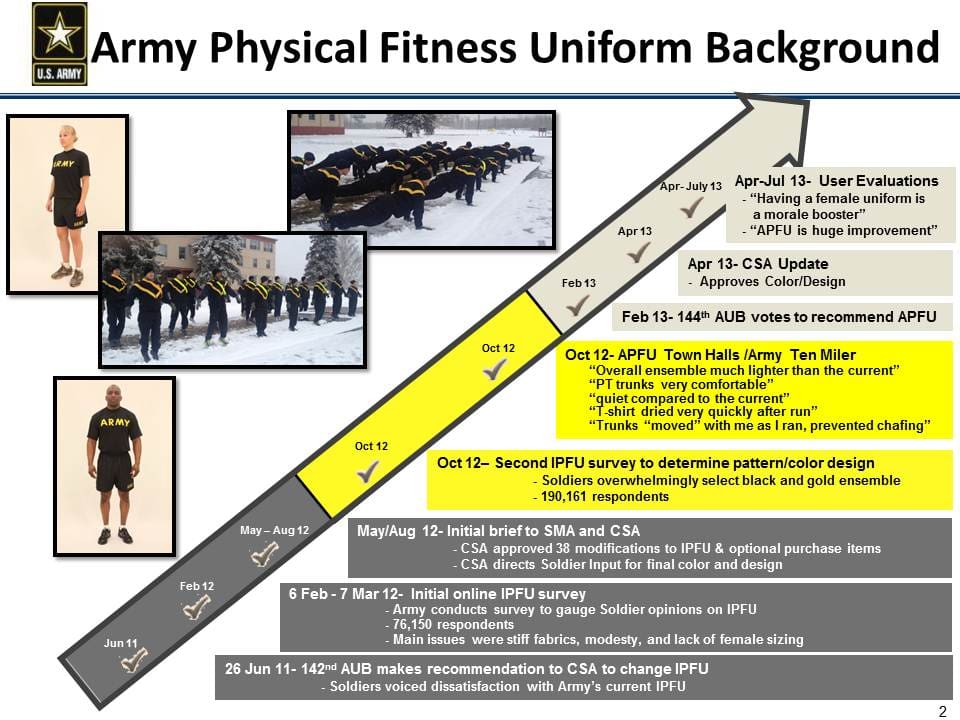
Physical Training (PT) is an integral part of military life, and the Army has specific uniform regulations for PT sessions. These regulations ensure uniformity, safety, and professionalism during physical activities.
PT Uniform Requirements for Different Branches
The specific PT uniform requirements may vary slightly between different branches of the Army. However, the core components remain consistent. Here’s a breakdown of the typical PT uniform requirements:
- Army Combat Uniform (ACU): The ACU is the primary uniform for PT, and it is generally required for all branches. The ACU is a versatile uniform that can be worn in a variety of settings, including PT sessions.
- Physical Training Uniform (PTU): The PTU is a more specialized uniform designed specifically for physical activity.
It typically consists of shorts, a t-shirt, and a jacket.
- Special Forces: Special Forces units may have their own unique PT uniform requirements, which may differ from the standard ACU or PTU.
PT Uniform Options
The Army offers a variety of PT uniform options, allowing soldiers to choose the most comfortable and appropriate clothing for their physical activities.
- Shorts: Shorts are a popular choice for PT, as they allow for greater freedom of movement. The Army offers a variety of shorts, including standard issue PT shorts, running shorts, and cargo shorts.
- Pants: While less common than shorts, pants can be worn for PT, especially in colder weather.
The Army offers a variety of pants, including PT pants, sweatpants, and even camouflage pants.
- Shirts: The Army offers a variety of shirts for PT, including t-shirts, polo shirts, and long-sleeve shirts. The type of shirt worn will depend on the weather conditions and the type of physical activity being performed.
- Jackets: Jackets are often worn during PT in colder weather. The Army offers a variety of jackets, including windbreakers, fleece jackets, and even waterproof jackets.
Purpose and Significance of Uniform Components
Each component of the PT uniform serves a specific purpose and contributes to the overall safety and effectiveness of physical training.
- Headwear: Headwear is essential for protecting soldiers from the sun and other environmental hazards. The type of headwear worn will depend on the weather conditions. For example, a baseball cap may be appropriate in sunny weather, while a beanie or balaclava may be necessary in cold weather.
- Footwear: Proper footwear is crucial for preventing injuries during PT. The type of footwear worn will depend on the type of physical activity being performed. For example, running shoes are ideal for running and jogging, while cross-training shoes are suitable for a wider range of activities.
- Other Components: Other components of the PT uniform, such as gloves and socks, can also be important for safety and comfort. Gloves can help to protect hands from cold weather or during weightlifting, while socks can help to prevent blisters and other foot problems.
Creating a PT Weather Uniform Chart
A PT Weather Uniform Chart is a valuable tool for Soldiers to understand the appropriate uniform components for different weather conditions. This chart serves as a quick reference guide, ensuring Soldiers are dressed comfortably and safely for physical training.
Designing the PT Weather Uniform Chart
The chart should be organized into four columns, each addressing a specific aspect of PT uniform selection: Weather Condition, Temperature Range, Recommended Uniform, and Additional Notes. This structure provides a clear and comprehensive overview of the recommended uniform for various weather conditions.
The Army PT weather uniform chart helps you stay safe and perform your best during physical training, no matter the conditions. It’s important to know what to wear, and that includes understanding the terrain you’ll be navigating. If you’re unsure about how to navigate, the gcss army basic navigation test 1 can help you develop those skills.
By being prepared and knowing your way around, you can focus on your fitness goals and stay safe during your PT sessions.
| Weather Condition | Temperature Range (°F) | Recommended Uniform | Additional Notes |
|---|---|---|---|
| Cold Weather | Below 32°F |
|
|
| Cool Weather | 32°F
|
|
|
| Moderate Weather | 50°F
|
|
|
| Warm Weather | Above 70°F |
|
|
Examples of PT Weather Uniform Combinations
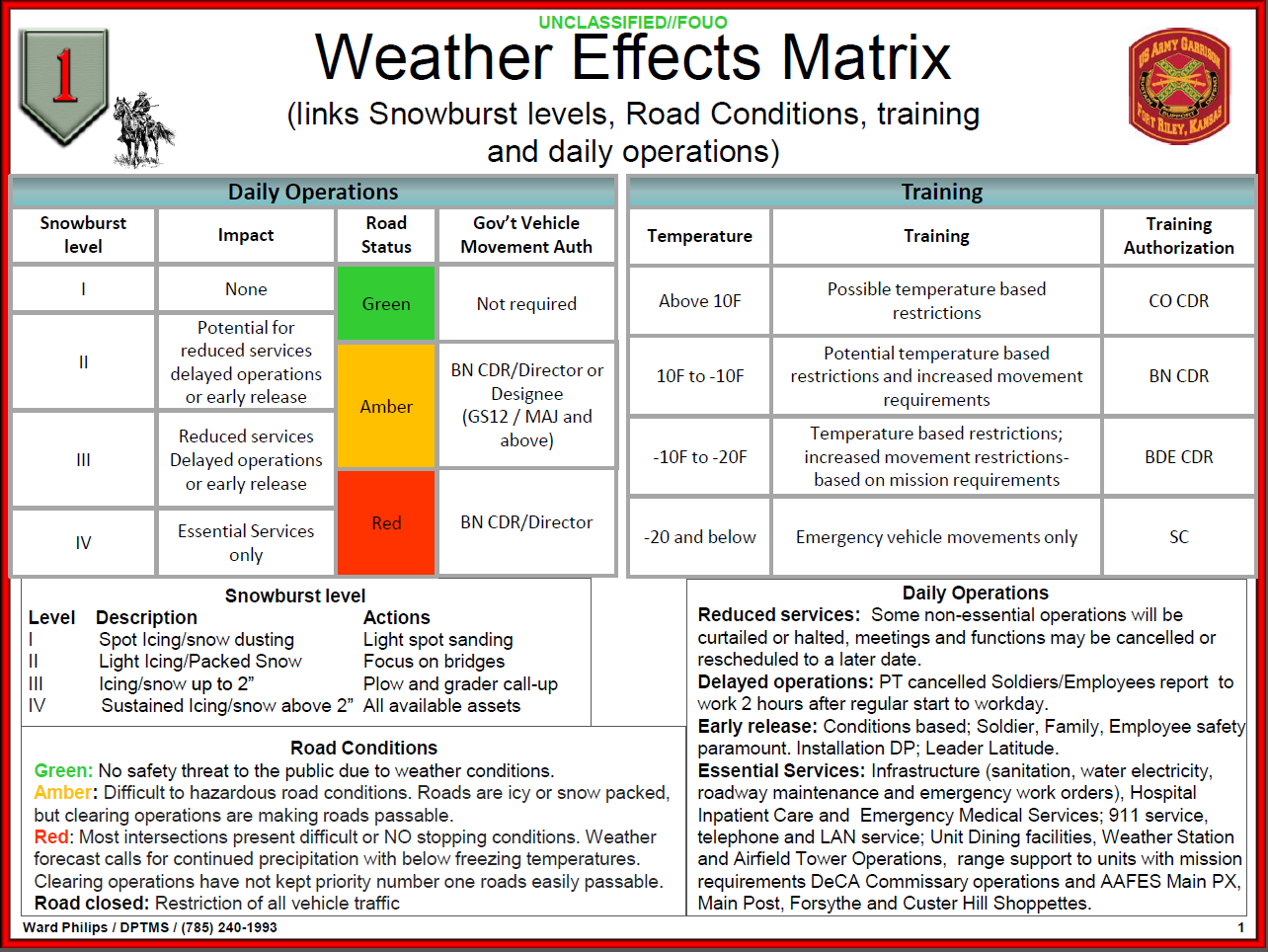
Selecting the appropriate PT uniform combination for different weather conditions is crucial for maintaining comfort, performance, and safety during training. This section provides examples of suitable clothing choices for various weather scenarios, emphasizing the importance of layering for optimal comfort and performance.
Hot Weather, Army pt weather uniform chart
When temperatures are high, it’s essential to wear lightweight and breathable clothing that allows for adequate ventilation and sweat evaporation.
- Short-sleeved PT shirt:Made from moisture-wicking fabric like polyester or nylon, allowing sweat to evaporate quickly and keep you cool.
- PT shorts:Lightweight and breathable shorts made from similar materials as the PT shirt.
- Moisture-wicking socks:Help keep your feet dry and prevent blisters.
- Running shoes:Provide adequate support and cushioning for running and other physical activities.
- Optional:A lightweight, breathable headband or hat can help absorb sweat and prevent it from getting into your eyes.
Cold Weather
Layering is crucial for cold weather PT to ensure adequate warmth and prevent overheating during physical exertion. Start with a base layer, followed by an insulating layer, and finish with a windproof outer layer.
- Base layer:A long-sleeved, moisture-wicking shirt made from synthetic fabric like polyester or wool, which helps draw sweat away from your skin and keep you warm.
- Insulating layer:A fleece jacket or sweater provides additional warmth and can be easily removed if you start to overheat.
- Outer layer:A windproof and waterproof jacket or shell is essential for protecting you from wind and rain. Choose a lightweight and breathable material for optimal comfort and performance.
- PT pants:Choose warm and windproof pants made from fleece or other insulating materials.
- Moisture-wicking socks:Keep your feet warm and dry.
- Gloves:Protect your hands from the cold and wind. Choose lightweight gloves that allow for dexterity and good grip.
- Warm hat:A hat made from fleece or wool can help keep your head and ears warm.
Rainy Weather
When it rains, prioritize waterproof and breathable clothing to keep you dry and comfortable. Choose materials that allow for adequate ventilation to prevent overheating.
- Waterproof and breathable jacket:A jacket made from a material like Gore-Tex or similar, which allows for breathability and prevents water from entering.
- Waterproof pants:Similar to the jacket, choose waterproof and breathable pants for optimal protection from the rain.
- Moisture-wicking base layer:Wear a moisture-wicking shirt underneath the jacket to keep your body dry and comfortable.
- PT shorts or pants:Choose a pair that can withstand the rain or wear waterproof pants over them.
- Moisture-wicking socks:Help keep your feet dry and prevent blisters.
- Running shoes:Ensure they provide adequate traction on wet surfaces.
Windy Weather
Wind can make you feel significantly colder, so it’s essential to wear clothing that protects you from the wind’s chill.
- Windproof jacket:A jacket made from a windproof material like nylon or polyester will help block the wind and keep you warm. Choose a jacket with a hood for additional protection.
- Base layer:A moisture-wicking base layer will help keep you warm and dry even if you start to sweat.
- Insulating layer:A fleece jacket or sweater can be added for extra warmth if needed.
- PT pants:Choose pants that are windproof or wear windproof pants over them.
- Gloves:Protect your hands from the wind and cold. Choose lightweight gloves that allow for dexterity and good grip.
- Warm hat:A hat made from fleece or wool can help keep your head and ears warm.
Safety Considerations for PT in Different Weather: Army Pt Weather Uniform Chart

Physical training (PT) is an essential part of military life, but it’s crucial to prioritize safety, especially when dealing with extreme weather conditions. Understanding the potential hazards and implementing appropriate safety measures can significantly reduce risks and ensure the well-being of soldiers during PT.
Potential Hazards Associated with PT in Extreme Weather
Extreme weather conditions can pose significant hazards to soldiers during PT. It’s essential to be aware of these dangers and take necessary precautions to mitigate risks.
- Heat Stress: High temperatures and humidity can lead to heat exhaustion, heat stroke, and other heat-related illnesses. The body’s ability to regulate temperature is compromised, leading to rapid dehydration and potential organ damage.
- Cold Stress: Extremely low temperatures can cause hypothermia, frostbite, and other cold-related injuries. The body loses heat faster than it can generate it, leading to a drop in core body temperature and potential organ failure.
- Wind Chill: Strong winds can significantly increase the rate of heat loss from the body, making cold weather conditions feel even colder. This can lead to hypothermia and frostbite.
- Precipitation: Rain, snow, or sleet can make PT conditions challenging and increase the risk of injuries. Slippery surfaces can lead to falls, while wet clothing can increase the risk of hypothermia.
- Lightning: Thunderstorms pose a serious threat during PT, as lightning strikes can cause severe injuries or death. It’s crucial to seek shelter immediately if thunder is heard.
Safety Measures to Minimize Risks
To ensure the safety of soldiers during PT in extreme weather conditions, implementing specific safety measures is crucial.
- Acclimatization: Gradually acclimatize soldiers to extreme weather conditions by starting with shorter PT sessions and increasing duration and intensity as they adapt. This helps the body adjust to the changes in temperature and humidity.
- Hydration: Encourage soldiers to drink plenty of fluids, especially water, before, during, and after PT, particularly in hot weather. Dehydration can significantly increase the risk of heat-related illnesses.
- Proper Clothing: Ensure soldiers wear appropriate clothing for the weather conditions. In hot weather, wear light-colored, loose-fitting clothing that allows for ventilation. In cold weather, wear layers of clothing to trap body heat and protect against wind and precipitation.
- Buddy System: Implement a buddy system, where soldiers work out in pairs or small groups. This allows for mutual monitoring and assistance in case of emergencies. It’s essential to check on each other regularly and be aware of any signs of heat stress or cold stress.
- Avoid Overexertion: In extreme weather conditions, it’s essential to avoid overexertion and listen to the body’s signals. If soldiers feel dizzy, nauseous, or have difficulty breathing, they should stop exercising immediately and seek medical attention.
- Seek Shelter: If a thunderstorm occurs, seek shelter immediately in a building or a hard-top vehicle. Avoid open fields, trees, and water bodies, as these can attract lightning strikes.
Monitoring Health and Adjusting PT Routines
Closely monitoring the health of soldiers during PT in extreme weather conditions is crucial.
- Regular Breaks: Encourage soldiers to take frequent breaks during PT, especially in hot weather. This allows the body to cool down and rehydrate.
- Monitor Vital Signs: Regularly monitor soldiers’ vital signs, such as heart rate, blood pressure, and body temperature. This helps identify any signs of heat stress or cold stress early on.
- Adjust Intensity: Adjust the intensity of PT routines based on weather conditions. In hot weather, reduce the duration and intensity of exercises. In cold weather, focus on activities that generate body heat, such as running or jumping jacks.
- Consider Alternative Activities: If weather conditions are too extreme for outdoor PT, consider alternative activities, such as indoor workouts, swimming, or yoga. This ensures soldiers can maintain their fitness levels while staying safe.
Importance of Weather-Related Safety Protocols
Adhering to weather-related safety protocols is crucial for maintaining the health and well-being of soldiers during PT. It’s essential to prioritize safety and adjust PT routines accordingly to mitigate risks associated with extreme weather conditions.
“The safety of our soldiers is paramount, and we must take all necessary precautions to ensure their well-being during PT in any weather condition.”
Helpful Answers
What are the specific PT uniform requirements for different branches of the Army?
Each branch of the Army may have slightly different PT uniform requirements. It’s important to consult your branch’s regulations for specific details. Generally, the core PT uniform consists of shorts, a shirt, socks, and athletic shoes.
How do I choose the right fabric for my PT uniform in different weather conditions?
For hot weather, choose lightweight, breathable fabrics like cotton or synthetic blends. For cold weather, opt for moisture-wicking materials like fleece or wool. In rainy conditions, consider a waterproof outer layer.
What are some examples of PT uniform combinations for different weather scenarios?
In hot weather, you might wear shorts, a t-shirt, and a lightweight hat. In cold weather, layers are key. You might start with a base layer, followed by a fleece jacket, and a waterproof outer layer. In rainy conditions, a waterproof jacket and pants are essential.
What are some safety considerations for PT in extreme weather conditions?
In extreme heat, stay hydrated and take breaks in the shade. In extreme cold, dress in layers and be aware of the risk of frostbite. In rainy conditions, be cautious of slippery surfaces and lightning.

Whitney Morris is a renowned author with a passion for military history and strategic analysis. Born in Jakarta, Indonesia, Defense developed a deep fascination for warfare and national defense from a young age. His unwavering interest in military strategy, combined with his natural storytelling ability, has earned him a reputation as an engaging and insightful writer in the field.
