US Military Awards Ranking, a system deeply ingrained in American military culture, serves as a powerful testament to bravery, sacrifice, and distinguished service. It’s more than just a list of medals and ribbons; it’s a complex tapestry woven with historical threads, honoring acts of valor, recognizing contributions across diverse fields, and shaping the careers and legacies of those who serve.
From the hallowed Medal of Honor to the lesser-known badges and ribbons, each award holds a unique story, reflecting the values and priorities of the military throughout its history. This guide will delve into the intricate world of US military awards, exploring their ranking, criteria, significance, and the impact they have on individual lives and the military as a whole.
Types of US Military Awards

The US military awards system recognizes and honors the exceptional service and sacrifices of its personnel. This intricate system encompasses a wide range of decorations, medals, ribbons, badges, and citations, each representing a distinct achievement or act of valor. Understanding these awards is crucial for appreciating the significance of military service and recognizing the dedication of those who have served our nation.
Medals
Medals are the most prestigious awards presented to military personnel. They are typically awarded for acts of heroism, extraordinary achievement, or exceptional service in combat or non-combat situations. Here are some of the most prominent medals awarded by the US military:
- Medal of Honor: The highest military decoration awarded by the United States, recognizing acts of valor above and beyond the call of duty. It is presented to those who have distinguished themselves by conspicuous gallantry and intrepidity at the risk of their lives above and beyond the call of duty.
- Distinguished Service Cross: The second-highest military decoration awarded by the United States, recognizing extraordinary heroism in connection with military operations against an armed enemy.
- Silver Star: Awarded for gallantry in action, recognizing valor in combat or other hazardous situations.
- Legion of Merit: Awarded to individuals who have distinguished themselves by exceptionally meritorious conduct in the performance of outstanding services to the United States.
- Bronze Star Medal: Awarded for heroic or meritorious achievement in connection with military operations against an armed enemy.
Ribbons
Ribbons are smaller decorations worn on the uniform to represent awards and decorations earned by military personnel. They symbolize a wide range of achievements, including service in specific campaigns, participation in operations, and meritorious service.
- Purple Heart: Awarded to military personnel who have been wounded or killed in action.
- National Defense Service Medal: Awarded for service during a designated period of national emergency.
- Global War on Terrorism Service Medal: Awarded for service in support of the Global War on Terrorism.
- Good Conduct Medal: Awarded to enlisted personnel for exemplary behavior and performance of duty over a specified period.
Badges
Badges are worn on the uniform to signify specialized skills, qualifications, or accomplishments. They are typically awarded for proficiency in a specific area, such as weapons, communications, or medical services.
- Combat Infantryman Badge: Awarded to infantrymen who have distinguished themselves in combat.
- Combat Medical Badge: Awarded to medical personnel who have distinguished themselves in combat.
- Expert Marksmanship Badge: Awarded to individuals who demonstrate exceptional proficiency in marksmanship.
- Aircrew Wings: Awarded to individuals who have completed flight training and are qualified to fly aircraft.
Ranking and Hierarchy of Awards
The United States military awards system is complex and multifaceted, with a hierarchy of awards recognizing various acts of valor, service, and achievement. This hierarchy helps to distinguish the level of significance and recognition associated with each award. Understanding this ranking system is crucial for appreciating the gravity of each award and its place within the overall structure.
Hierarchy of US Military Awards
| Rank | Award | Description | Significance |
|---|---|---|---|
| 1 | Medal of Honor | The highest military decoration awarded by the United States government to a member of its armed forces. It is awarded for conspicuous gallantry and intrepidity at the risk of life above and beyond the call of duty while engaged in an action against an enemy of the United States. | Highest recognition for valor, awarded only for actions that demonstrate extraordinary courage and sacrifice. |
| 2 | Navy Cross, Air Force Cross, Distinguished Service Cross | Awarded for extraordinary heroism in connection with military operations against an armed enemy of the United States. | Second highest recognition for valor, recognizing actions that demonstrate exceptional courage and leadership. |
| 3 | Silver Star | Awarded for gallantry in action. It is the third highest military decoration awarded by the United States government. | Recognizes valor in combat, signifying significant acts of bravery and courage. |
| 4 | Legion of Merit | Awarded for exceptionally meritorious conduct in the performance of outstanding services. | Recognizes outstanding contributions to national security, signifying significant achievement and leadership. |
| 5 | Distinguished Flying Cross | Awarded for heroism or extraordinary achievement while participating in aerial flight. | Recognizes exceptional performance in aerial combat or flight operations, highlighting outstanding skill and bravery. |
| 6 | Bronze Star Medal | Awarded for heroic or meritorious achievement in connection with military operations against an armed enemy of the United States. | Recognizes valor or meritorious service in combat or during operations, signifying significant contributions to mission success. |
| 7 | Purple Heart | Awarded to members of the United States Armed Forces who have been wounded or killed in action. | Recognizes sacrifice and dedication to duty, acknowledging the physical and emotional toll of combat. |
| 8 | Meritorious Service Medal | Awarded for meritorious achievement or service. | Recognizes outstanding performance and contributions to the mission, signifying dedication and excellence. |
| 9 | Air Medal | Awarded for meritorious achievement while participating in aerial flight. | Recognizes outstanding performance in aerial operations, highlighting skill and accomplishment. |
| 10 | Army Commendation Medal, Navy Commendation Medal, Air Force Commendation Medal | Awarded for meritorious service or achievement. | Recognizes commendable performance and contributions, signifying dedication and achievement. |
Criteria for Award Eligibility
The criteria for eligibility for US military awards are specific and vary depending on the award. Generally, these criteria focus on the individual’s actions, achievements, and the circumstances surrounding their performance. These awards are meant to recognize exceptional service, bravery, and dedication to duty.
Actions and Achievements Recognized by Awards
Awards are bestowed upon individuals who demonstrate exemplary actions or achievements that go above and beyond the call of duty. These actions can be categorized into several types:
- Valor in Combat: This category recognizes acts of courage and bravery in the face of enemy fire. This includes actions like rescuing comrades under fire, destroying enemy equipment, and leading a successful charge against the enemy.
- Meritorious Service: This category acknowledges outstanding performance of duty, often exceeding normal requirements. This could involve contributions to strategic planning, exceptional leadership, or the development of innovative tactics or procedures.
- Heroism in Non-Combat Situations: Awards in this category recognize individuals who demonstrate bravery and selflessness in situations that are not directly related to combat. This can include saving lives during natural disasters, rescuing individuals from dangerous situations, or performing heroic actions in the face of unforeseen danger.
- Distinguished Service: This category recognizes individuals who have made significant contributions to the overall success of the military or national defense. This could include long-term service in a specific field, leadership at a high level, or the development of groundbreaking technologies or policies.
Examples of Award-Winning Actions, Us military awards ranking
Several specific actions and achievements have led to the awarding of prestigious medals:
- Medal of Honor: This is the highest military award for valor in combat, awarded to individuals who have demonstrated conspicuous gallantry and intrepidity at the risk of their own lives above and beyond the call of duty. For example, Sergeant First Class Alwyn Cashe, posthumously awarded the Medal of Honor, rescued six soldiers from a burning Bradley Fighting Vehicle during a fierce firefight in Iraq.
- Distinguished Service Cross: This is the second-highest award for valor in combat, awarded to individuals who have demonstrated extraordinary heroism in connection with military operations against an armed enemy. For example, Lieutenant Colonel Michael Novosel, awarded the Distinguished Service Cross, bravely rescued several downed pilots during the Vietnam War under intense enemy fire.
- Silver Star: This award is given for gallantry in action against an enemy of the United States. For example, Specialist Four Donald Sloat, awarded the Silver Star, single-handedly repelled a Viet Cong attack on his unit, killing 12 enemy soldiers.
- Bronze Star Medal: This award is given for heroic or meritorious achievement in connection with military operations against an armed enemy. For example, Private First Class Edward Carter, awarded the Bronze Star Medal, bravely rescued his wounded comrades under intense enemy fire during the Korean War.
Impact of Awards on Military Careers
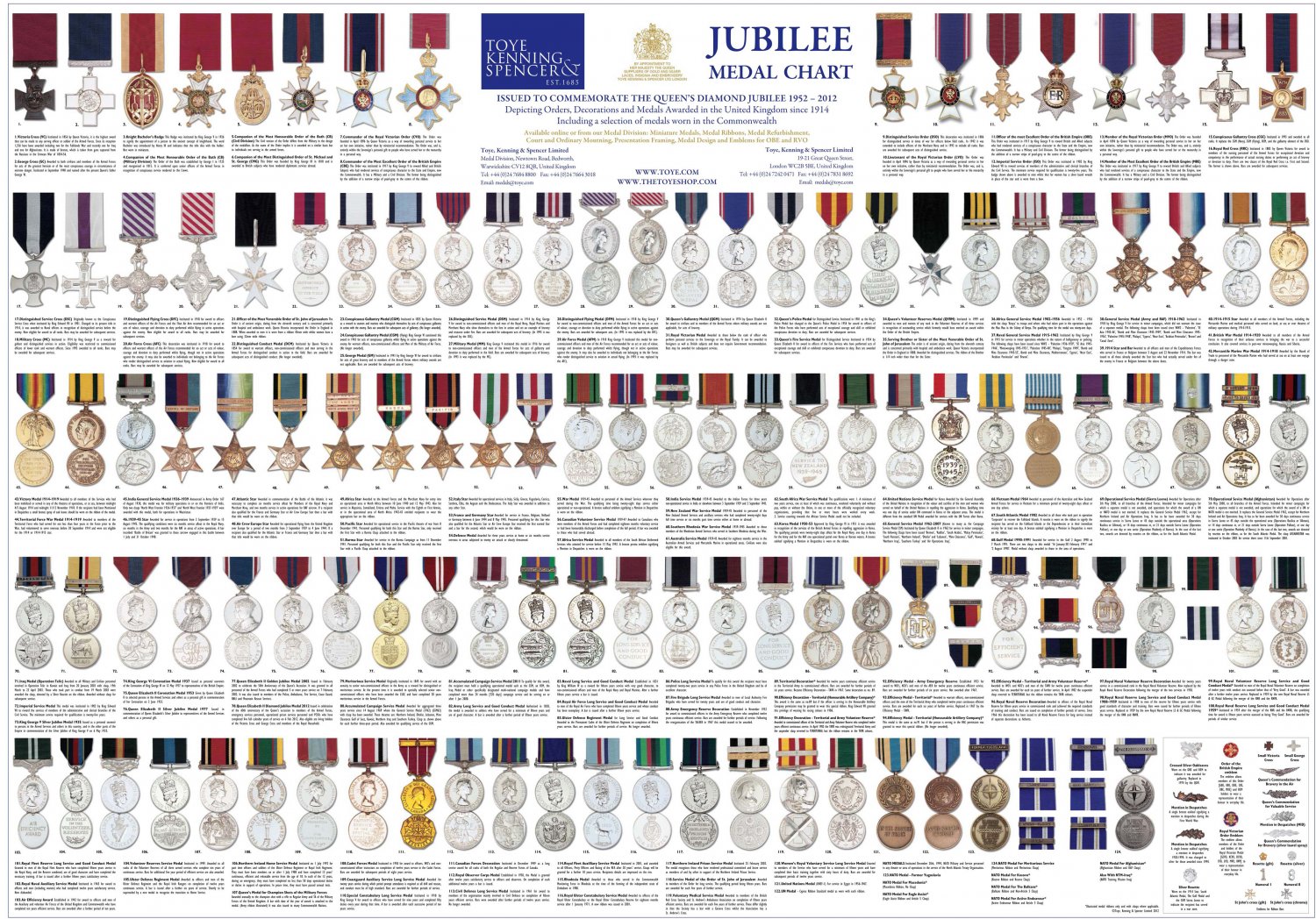
Military awards are not just symbols of honor; they are tangible representations of dedication, sacrifice, and exceptional service. They hold immense significance within the military community, influencing not only the immediate recognition of an individual’s achievements but also their long-term career trajectory.
Promotion and Advancement
Receiving a military award can significantly impact an individual’s promotion timeline and career advancement opportunities. Awards like the Bronze Star or the Purple Heart demonstrate a soldier’s commitment to duty, valor, and leadership, factors that are highly valued during promotion considerations. For example, the Bronze Star Medal, awarded for acts of valor, meritorious service, or achievement in combat, can significantly boost a soldier’s promotion score.
This can accelerate their advancement through the ranks and open doors to leadership positions. Similarly, the Purple Heart, awarded to service members wounded or killed in action, demonstrates resilience and sacrifice, qualities highly valued in military leadership. Beyond promotion scores, awards can also enhance eligibility for specific leadership roles. Soldiers with prestigious awards are often considered for positions requiring high levels of responsibility and decision-making, such as command roles or staff positions.
Furthermore, awards can serve as a powerful testament to an individual’s competence and potential, making them more attractive candidates for specialized training programs, which can further enhance their career prospects.
Opportunities and Benefits
Military awards are not just about recognition; they also come with tangible benefits and opportunities. The specific benefits associated with an award often vary depending on the type of award and its criteria.
Obtain a comprehensive document about the application of o4 military rank that is effective.
| Award Category | Benefits |
|---|---|
| Valor Awards (e.g., Medal of Honor, Distinguished Service Cross) | Increased pay or allowances, priority for assignments or deployments, access to exclusive training or educational programs, eligibility for special recognition events or ceremonies |
| Achievement Awards (e.g., Bronze Star, Legion of Merit) | Increased promotion scores, priority for leadership positions, access to specialized training programs, eligibility for special recognition events or ceremonies |
| Service Awards (e.g., Army Commendation Medal, Navy Achievement Medal) | Increased promotion scores, priority for assignments, eligibility for special recognition events or ceremonies |
Impact on Career Trajectory
The impact of military awards on an individual’s career trajectory can be profound. For example, General Douglas MacArthur, a five-star general who received the Medal of Honor, the Distinguished Service Cross, and the Distinguished Service Medal, rose through the ranks through a combination of exceptional leadership and his impressive award record. His awards served as a testament to his courage, strategic brilliance, and unwavering commitment to service, solidifying his reputation as a military icon.Similarly, General Norman Schwarzkopf, the commander of the coalition forces during the Gulf War, received the Distinguished Service Cross for his leadership during Operation Desert Storm.
This award, along with his other accolades, contributed significantly to his reputation as a highly effective military leader and helped shape his subsequent career.These examples demonstrate how military awards can serve as powerful catalysts for career advancement, opening doors to leadership positions, specialized training, and prestigious assignments. They can also contribute significantly to a soldier’s legacy, shaping their reputation and influence within the military community long after their active service.
The Significance of Awards in Military Culture
Military awards are more than just decorative trinkets; they represent a profound recognition of valor, dedication, and service. They play a pivotal role in shaping the very essence of military culture, fostering a sense of camaraderie, esprit de corps, and unwavering commitment to honor and tradition.
The Role of Awards in Fostering Morale, Camaraderie, and Esprit de Corps
Awards serve as tangible reminders of the sacrifices made by military personnel, fostering a strong sense of pride and shared purpose. The recognition bestowed upon individuals for their exceptional actions inspires others, strengthening unit cohesion and promoting a culture of mutual respect and admiration. This, in turn, bolsters morale, encouraging individuals to strive for excellence and to support their fellow service members.
The Contribution of Awards to the Development of Honor and Tradition
Military awards are deeply intertwined with the history and traditions of the armed forces. They serve as enduring symbols of the values and principles that have guided generations of military personnel. The bestowal of awards reinforces the importance of courage, selflessness, and unwavering commitment to duty, ensuring that these ideals are passed down to future generations.
Recognizing and Celebrating Acts of Bravery, Sacrifice, and Service
Awards provide a formal mechanism to acknowledge and celebrate the extraordinary acts of bravery, sacrifice, and service exhibited by military personnel. The awarding of medals, ribbons, and citations serves as a public testament to their exceptional contributions, ensuring that their heroism is not forgotten and that their sacrifices are honored.
Notable Recipients of US Military Awards
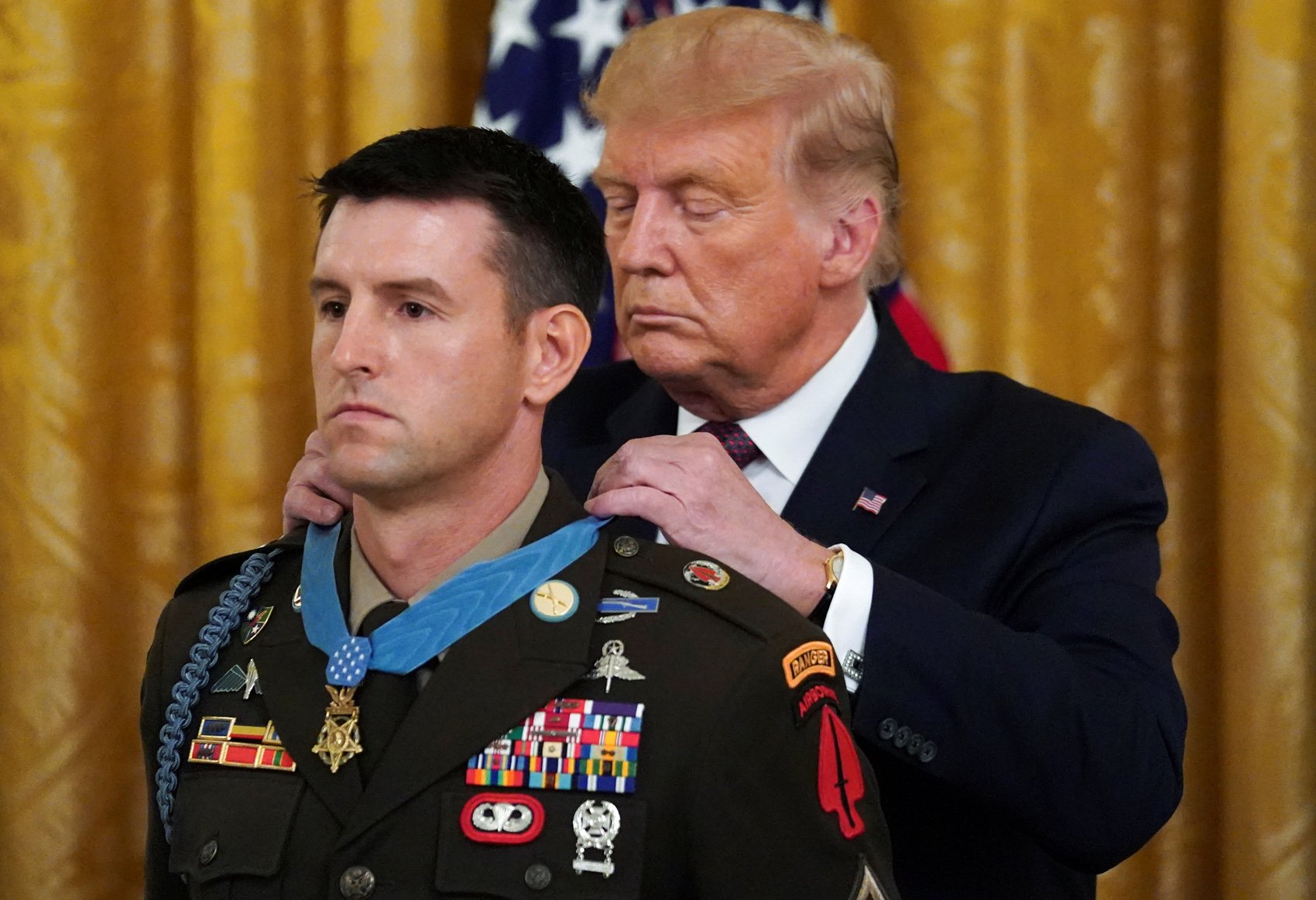
The Medal of Honor, the highest military decoration awarded by the United States, recognizes acts of valor beyond the call of duty. The recipients of this prestigious award have often demonstrated extraordinary courage and selflessness in the face of extreme danger, leaving a lasting impact on the military and the nation. Their stories serve as powerful reminders of the sacrifices made by those who serve in the armed forces.
The Medal of Honor: Vietnam War Heroes
The Vietnam War witnessed countless acts of bravery, and several individuals were recognized with the Medal of Honor for their heroic actions. Here are the stories of three such individuals:
-
Sergeant First Class Alvin York, US Army
Sergeant First Class Alvin York was a decorated soldier who served in World War I. During the Meuse-Argonne Offensive, York single-handedly captured 132 German soldiers, killing 25. His actions were considered one of the most extraordinary feats of individual heroism in American military history. York was awarded the Medal of Honor for his bravery and leadership.
-
Audie Murphy, US Army
Audie Murphy was a highly decorated soldier who served in World War II. He received the Medal of Honor for his actions during the Battle of the Bulge. Murphy was a skilled marksman and leader, and he was known for his courage and determination. He was also a successful actor after the war.
-
Desmond Doss, US Army
Desmond Doss was a Seventh-day Adventist combat medic who refused to carry a weapon during World War II. He was awarded the Medal of Honor for his bravery and heroism during the Battle of Okinawa. Doss saved the lives of 75 soldiers while under intense enemy fire. His story is a testament to the power of faith and compassion, even in the midst of war.
Impact of Awards on Recipients
Receiving a high US military award can have a profound impact on a recipient’s life and legacy. The impact can be multifaceted, affecting personal life, career, public recognition, and legacy.
| Aspect of Impact | Description | Example |
|---|---|---|
| Personal Life | Receiving a prestigious award can bring a sense of pride and accomplishment, but it can also lead to increased attention and scrutiny. | A Medal of Honor recipient may face challenges adjusting to the newfound fame and public recognition. |
| Career | Awards can open doors to new opportunities, such as leadership roles, speaking engagements, and writing opportunities. | A decorated soldier may be offered a position at a military academy or a leadership role in a government agency. |
| Public Recognition | Recipients of high military awards often become symbols of courage and sacrifice, receiving widespread public recognition and admiration. | A Medal of Honor recipient may be invited to participate in parades, ceremonies, and public events. |
| Legacy | Awards can ensure that a recipient’s actions and sacrifices are remembered and celebrated for generations to come. | The stories of Medal of Honor recipients are often featured in museums, documentaries, and textbooks, inspiring future generations. |
Women in the Military: A Story of Courage and Distinction
The history of women in the US military is marked by both challenges and triumphs. One notable example is the story of Lieutenant Colonel Mary K. “K” Walker, a US Army officer who received the Distinguished Service Cross for her actions in Vietnam. Walker, a nurse, served with distinction in the Vietnam War, providing critical medical care to soldiers in the midst of intense combat.
During the Battle of Khe Sanh, Walker’s actions under fire saved countless lives. She was awarded the Distinguished Service Cross, the second highest military decoration awarded by the US Army, for her bravery and leadership. Walker’s story is a testament to the courage and resilience of women in the military and the significant contributions they have made to the defense of the nation.
Awards and the Public Recognition of Military Service
The public plays a vital role in acknowledging and honoring the sacrifices made by those who serve in the US military. Recognizing and celebrating military service goes beyond simply thanking those who have served; it’s about understanding the sacrifices made and the dedication displayed by individuals who put their lives on the line to protect the nation.
Public Recognition of Military Awards
The public recognizes and honors recipients of US military awards through various means, creating a tangible link between the military’s efforts and the appreciation of the civilian population.
- Public Ceremonies and Events: Formal ceremonies, parades, and events are organized to publicly acknowledge the achievements of military personnel. These gatherings serve as platforms to showcase the bravery and dedication of those who have been awarded for their service. The presence of dignitaries, community members, and media further amplifies the recognition and appreciation.
- Media Coverage: News outlets, both traditional and online, play a significant role in highlighting the stories of award recipients. News reports, documentaries, and feature articles bring the narratives of bravery and sacrifice to a wider audience, increasing public awareness and understanding of military service.
- Public Institutions: Museums, memorials, and historical sites dedicated to military history often feature displays and exhibits showcasing the stories of award recipients. These institutions serve as lasting tributes to the courage and commitment of those who have served their country.
- Community Involvement: Communities across the country often organize events to honor local veterans and award recipients. These events, such as parades, dinners, and community gatherings, demonstrate the appreciation and respect felt by the community for those who have served.
Importance of Public Ceremonies and Events
Public ceremonies and events are not just symbolic gestures; they play a crucial role in strengthening the bond between the military and the civilian population.
- Public Appreciation: These events provide a platform for the public to express their gratitude and appreciation for the sacrifices made by military personnel. The collective display of appreciation reinforces the understanding that military service is valued and recognized.
- Inspiration and Motivation: Public ceremonies and events serve as a source of inspiration for future generations, highlighting the importance of service and sacrifice. They instill a sense of patriotism and encourage young people to consider careers in the military.
- National Unity: Public recognition of military service contributes to national unity by fostering a sense of shared purpose and appreciation for the sacrifices made by those who serve. It reinforces the idea that the military is a vital part of the nation’s fabric and that its contributions are deeply valued.
Role of Media and Public Institutions
The media and public institutions play a vital role in recognizing and honoring military achievements.
- Media: By reporting on military awards and highlighting the stories of recipients, the media ensures that the public is informed about the sacrifices made by those who serve. This coverage helps to create a more informed and appreciative public, contributing to a greater understanding of military service.
- Public Institutions: Museums, memorials, and historical sites serve as lasting tributes to the courage and commitment of those who have served their country. They provide a space for reflection and remembrance, ensuring that the sacrifices made by military personnel are never forgotten.
The Evolution of US Military Awards: Us Military Awards Ranking

The US military award system has evolved significantly over time, reflecting changes in societal values, military priorities, and the nature of warfare. From its humble beginnings, the system has become increasingly complex and nuanced, with a wide range of awards recognizing diverse contributions and sacrifices.
Historical Context: Recognizing Courage and Sacrifice
The origins of the US military award system can be traced back to the Revolutionary War, where the Continental Army awarded medals and other forms of recognition for bravery and service. The early motivations for establishing a system of awards were primarily focused on recognizing individual courage and sacrifice, fostering morale, and providing incentives for enlistment.
“The American Revolution was a time of great upheaval and change, and the Continental Army needed to find ways to motivate its soldiers and recognize their contributions.”
During the early years of the Republic, the US military awarded medals and certificates for specific acts of valor, but there was no formal system of awards. The first official military awards were established in the 19th century, with the creation of the Medal of Honor in 1862 and the Distinguished Service Cross in 1918. These awards were designed to recognize the most extraordinary acts of heroism and sacrifice in combat.
Criteria and Types: Reflecting Evolving Warfare
The criteria for awarding medals have evolved over time, reflecting changes in the nature of warfare and the roles of military personnel. For example, the Medal of Honor was initially awarded for acts of heroism in the face of the enemy, but later expanded to include acts of valor in other situations, such as during rescue operations or humanitarian missions.The types of awards have also changed over time, with the introduction of new categories to recognize specific contributions and achievements.
The Air Medal, for example, was established in 1942 to recognize aircrew members for acts of heroism or meritorious service during aerial combat. The Bronze Star, introduced in 1944, was initially awarded for acts of heroism or meritorious service in combat, but has since been expanded to recognize non-combat contributions.
“Technological advancements and changing warfare tactics have also impacted the types of awards granted.”
The introduction of new technologies, such as aircraft and nuclear weapons, has led to the creation of new awards to recognize the unique skills and contributions of those who operate and maintain these technologies.
Societal Values and Military Priorities: Embracing Diversity and Innovation
The US military award system has also reflected changing societal values, particularly in terms of recognizing the contributions of women and minorities. In recent decades, there has been a growing emphasis on diversity and inclusion in the military, and this has been reflected in the awards granted.
“Awards have been adapted to reflect evolving military priorities, such as the emphasis on specific combat roles or technological expertise.”
The establishment of the Purple Heart in 1932, which is awarded to service members who have been wounded or killed in action, is a testament to the changing societal values. The Purple Heart is a non-combat award that recognizes the sacrifices made by all service members, regardless of their role or gender.
Examples and Analysis: Recognizing Valor and Sacrifice
The Medal of Honor, the Purple Heart, and the Distinguished Service Cross are three of the most prestigious awards in the US military. Each of these awards has a rich history and reflects the evolving values and priorities of the nation.The Medal of Honor, the highest military award, is awarded for acts of valor beyond the call of duty in the face of the enemy.
Its criteria have remained largely unchanged since its inception, reflecting the enduring value placed on acts of extraordinary heroism.The Purple Heart, originally known as the Badge of Military Merit, was established in 1782 by General George Washington to recognize soldiers who were wounded or killed in action. It was revived in 1932 and has since become a symbol of sacrifice and valor, regardless of the nature of the conflict.The Distinguished Service Cross, the second-highest military award, is awarded for extraordinary heroism in connection with military operations against an armed enemy.
Its criteria have evolved over time, reflecting the changing nature of warfare and the roles of military personnel.The Air Medal and the Bronze Star are examples of awards that were introduced to recognize specific actions or contributions. The Air Medal is awarded for meritorious achievement in aerial flight, while the Bronze Star is awarded for heroic or meritorious service in combat or non-combat situations.
“These awards have played a significant role in fostering esprit de corps and recognizing individual bravery and sacrifice.”
The evolution of the US military award system is a testament to the enduring values of courage, sacrifice, and service that have shaped the nation’s military history. From the early days of the Republic to the present day, the system has evolved to reflect changing societal values, military priorities, and the nature of warfare. The awards granted continue to recognize the diverse contributions and sacrifices of those who serve in the US armed forces.
Comparison with Awards Systems of Other Nations
Comparing the award systems of different nations provides valuable insights into the diverse values, priorities, and historical contexts that shape military culture and recognition. By examining the similarities and differences in award categories, criteria, ranking systems, and cultural influences, we can gain a broader understanding of the global landscape of military honors.
Award Categories
The major award categories in the US military, such as Valor, Service, and Achievement, are broadly mirrored in the award systems of other nations. However, specific award names and the emphasis placed on different categories can vary significantly.
| Country | Award Category | Specific Award Names |
|---|---|---|
| United States | Valor | Medal of Honor, Navy Cross, Distinguished Service Cross, Air Force Cross |
| United States | Service | Distinguished Service Medal, Legion of Merit, Bronze Star Medal |
| United States | Achievement | Meritorious Service Medal, Air Medal, Army Commendation Medal |
| United Kingdom | Valor | Victoria Cross, George Cross, Conspicuous Gallantry Cross |
| United Kingdom | Service | Distinguished Service Order, Order of the British Empire, Military Cross |
| United Kingdom | Achievement | Queen’s Gallantry Medal, British Empire Medal, Queen’s Commendation for Valuable Service |
| France | Valor | Legion of Honor, Croix de Guerre, Médaille Militaire |
| France | Service | Ordre National du Mérite, Ordre des Arts et des Lettres, Médaille de la Défense Nationale |
| France | Achievement | Médaille d’Honneur du Travail, Médaille de la Reconnaissance Française, Médaille de l’Ordre National du Mérite |
| China | Valor | Medal of the Republic, First-Class Medal of Military Merit, Second-Class Medal of Military Merit |
| China | Service | Medal of Merit, Medal of Distinction, Medal of Honor |
| China | Achievement | Medal of Science and Technology, Medal of Education, Medal of Public Health |
| Russia | Valor | Hero of the Russian Federation, Order of Saint George, Order of Glory |
| Russia | Service | Order of “For Merit to the Fatherland”, Order of Courage, Order of Alexander Nevsky |
| Russia | Achievement | Order of Friendship, Order of Honor, Medal “For Distinction in Military Service” |
For instance, while the US military places a strong emphasis on combat valor, reflected in awards like the Medal of Honor, the UK’s Victoria Cross, and France’s Legion of Honor, other nations like China and Russia have a broader range of awards that recognize contributions in areas such as scientific advancement, technological innovation, and service to the nation.
Award Criteria
The criteria for receiving major awards in the US military, such as the Medal of Honor, typically require acts of extraordinary heroism and valor in combat. This emphasis on combat bravery is shared by many nations, such as the UK, France, and Russia, with their respective highest awards, the Victoria Cross, Legion of Honor, and Hero of the Russian Federation, all recognizing acts of conspicuous gallantry in the face of the enemy.
However, the specific criteria for these awards can differ in terms of the level of heroism required, the duration of service, and the type of actions that qualify.
For example, the US Medal of Honor can be awarded posthumously, while the UK’s Victoria Cross is typically awarded to living recipients. Additionally, some nations, such as France, have a more flexible system that allows for awards to be granted for acts of valor in both combat and non-combat situations. The emphasis placed on specific aspects of service, such as leadership, contributions to technological advancement, or service in specific branches of the military, also varies across nations.
Ranking Systems
The ranking systems used to categorize awards within each nation’s military reflect the hierarchical structure of the armed forces and the significance of different levels of recognition. The US military uses a system of medals and ribbons, with the Medal of Honor occupying the highest position, followed by the Navy Cross, Distinguished Service Cross, and Air Force Cross. This hierarchical structure is mirrored in the award systems of other nations, with the highest awards typically reserved for acts of extraordinary heroism, while lower-level awards recognize meritorious service, achievement, and good conduct.
However, the specific levels within the ranking system can vary. For example, the UK’s system includes awards such as the Victoria Cross, George Cross, and Conspicuous Gallantry Cross, all of which are considered the highest honors, while France’s Legion of Honor has five different grades, ranging from Chevalier to Grand Croix. The relationship between awards and promotion or recognition also varies across nations.
In some cases, awards can directly contribute to career advancement, while in others, they are primarily considered a form of public recognition.
Cultural and Historical Influences
The cultural and historical influences that have shaped the award systems of each nation are reflected in the values and traditions that have shaped the criteria for awards, the significance of specific awards within each nation’s history, and the impact of political and social changes on award systems. For example, the US Medal of Honor, established during the Civil War, reflects the nation’s emphasis on individual heroism and sacrifice in the face of adversity.
Similarly, the UK’s Victoria Cross, awarded for the first time during the Crimean War, reflects the British military’s tradition of valor and courage.
The historical context and cultural values of each nation have also influenced the criteria for receiving awards. For instance, France’s Legion of Honor, established by Napoleon Bonaparte in 1802, initially focused on recognizing military achievement but has since expanded to include civilian contributions to the arts, sciences, and society. This evolution reflects the changing values and priorities of French society.
Impact on Military Culture
Each nation’s award system has a significant impact on its military culture. The perceived prestige of different awards, the role of awards in motivating soldiers, and the influence of awards on morale and esprit de corps all contribute to the unique character of each nation’s armed forces. For example, the US military’s emphasis on combat valor, reflected in the high prestige of awards like the Medal of Honor, contributes to a culture of heroism and sacrifice.
In contrast, other nations, such as France, have a broader range of awards that recognize contributions in areas such as science, technology, and culture, reflecting a more holistic approach to military service and national recognition. The impact of awards on military culture can also be influenced by the historical context and the specific challenges faced by each nation’s armed forces.
Comparison of Awards for Non-Combat Service
While combat valor is often the primary focus of military awards, many nations recognize the vital contributions of non-combat personnel in areas such as medicine, engineering, logistics, and support services. The US military offers a range of awards, including the Meritorious Service Medal, the Army Commendation Medal, and the Navy and Marine Corps Achievement Medal, to acknowledge these contributions. However, the relative emphasis placed on non-combat service can vary across nations.
For instance, the UK’s system includes awards such as the Queen’s Gallantry Medal and the British Empire Medal, which can be awarded for acts of bravery and meritorious service in both combat and non-combat situations. Similarly, France’s system includes awards like the Médaille de la Défense Nationale, which recognizes contributions to national defense, regardless of the nature of service. The cultural significance of these awards can also vary, reflecting the values and priorities of each nation.
Awards for International Cooperation
In an increasingly interconnected world, military cooperation and joint operations are becoming increasingly common. Many nations have established awards to recognize contributions to multinational efforts and foster international collaboration. The US military offers awards such as the Joint Service Commendation Medal and the Joint Service Achievement Medal to acknowledge service in joint operations.
Other nations, such as the UK, France, and Germany, have similar awards that recognize contributions to international peacekeeping missions, humanitarian aid efforts, and other forms of military cooperation. These awards play a significant role in military diplomacy, fostering trust and understanding between allied nations.
Impact of Awards on Recruitment and Retention
Military awards can play a significant role in attracting potential recruits and retaining qualified personnel. The prestige associated with certain awards, the potential for career advancement, and the recognition and honor that come with receiving an award can all be powerful motivators for individuals considering military service. For example, the US military’s emphasis on combat valor and the high prestige of awards like the Medal of Honor can be a significant draw for individuals seeking recognition for bravery and sacrifice.
However, the impact of awards on recruitment and retention can vary depending on the specific cultural context and the priorities of each nation’s armed forces. In some cases, awards may be more effective in attracting individuals with specific skills or experience, while in others, they may be more effective in motivating soldiers to stay in service.
Comparison of Award Systems for Civilian Service
Many nations recognize the contributions of civilians who support the military through various means, such as research, development, manufacturing, and logistics. The US military offers awards such as the Department of Defense Medal for Distinguished Public Service and the Secretary of Defense Medal for Outstanding Public Service to acknowledge these contributions. Similar awards are offered by other nations, such as the UK’s Queen’s Award for Enterprise and France’s Ordre National du Mérite.
The criteria for receiving these awards can vary, but they typically recognize individuals who have made significant contributions to national defense through their civilian work. The cultural significance of these awards can also vary, reflecting the values and priorities of each nation. For instance, the US Department of Defense Medal for Distinguished Public Service is considered a prestigious award, reflecting the nation’s recognition of the importance of civilian contributions to national defense.
FAQ Section
How often are US military awards reviewed and updated?
The US military award system is periodically reviewed and updated to reflect changes in military priorities, societal values, and the evolving nature of warfare. These updates can involve changes to award criteria, the introduction of new awards, or the discontinuation of existing ones.
Can a civilian receive a US military award?
While the majority of US military awards are reserved for members of the armed forces, there are exceptions. The Department of Defense (DoD) may award certain medals to civilians who have provided extraordinary service to the military, such as the Distinguished Public Service Award or the Secretary of Defense Medal for the Defense of Freedom.
What are the implications of receiving a US military award for a service member’s career?
Receiving a US military award can significantly impact a service member’s career trajectory. It can lead to increased promotion opportunities, eligibility for specialized training programs, and priority for certain assignments. Awards also enhance a service member’s reputation and can open doors to leadership roles within the military.
What are some of the challenges facing the US military award system in the 21st century?
The US military award system faces challenges in the 21st century, including adapting to new technologies in warfare, ensuring inclusivity and equity, and maintaining relevance in a rapidly changing world. These challenges require a continuous reevaluation and modernization of the system to ensure it remains effective and meaningful.

Emma Nehls is a military writer and historian with a passion for exploring the intricacies of warfare and the human experience within the military. With extensive knowledge and a deep understanding of military strategy, tactics, and historical contexts, Nehls brings a unique perspective to his writings.
