GS-11 military rank equivalent, a phrase that often sparks curiosity in those seeking a transition between the military and civilian sectors, is a complex puzzle with many pieces. Understanding the intricate relationship between federal government pay scales and military ranks requires navigating a landscape of experience, education, and specialized training.
This exploration delves into the heart of this comparison, examining the factors that contribute to a GS-11 equivalent in each branch of the U.S. military. We’ll analyze the typical experience required, educational pathways, and the significance of specialized training and certifications. By understanding the nuances of this equivalency, individuals can make informed decisions about their career paths and unlock opportunities for personal and professional growth.
Understanding GS-11 and Military Ranks
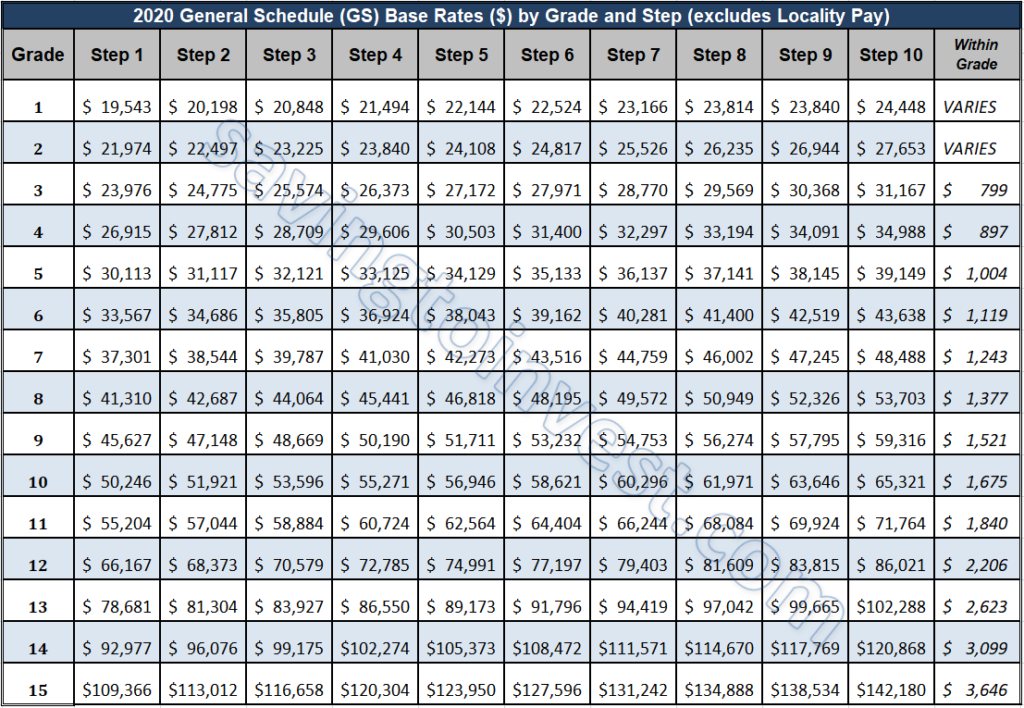
The General Schedule (GS) pay scale is a standardized system used by the U.S. federal government to determine the salaries of its civilian employees. The GS-11 classification represents a mid-level position within the federal government, requiring a significant level of experience and expertise. Understanding the GS-11 pay scale and its equivalent military ranks is crucial for individuals considering a career in either the civilian or military sectors.
The General Schedule (GS) Pay Scale
The GS pay scale is structured into 15 grades, ranging from GS-1 to GS-15, with each grade further divided into 10 steps. The salary associated with each step within a grade increases incrementally, reflecting an employee’s experience and seniority. GS-11 positions typically require a bachelor’s degree and at least three years of relevant experience.
Branches of the U.S. Military and Rank Structures
The U.S. military comprises five branches: the Army, Navy, Air Force, Marine Corps, and Coast Guard. Each branch has its own distinct rank structure, reflecting the specific requirements and responsibilities associated with its unique mission.
Army
- Enlisted Ranks: Private (E-1) to Sergeant Major of the Army (E-9)
- Officer Ranks: Second Lieutenant (O-1) to General of the Army (O-10)
Navy
- Enlisted Ranks: Seaman Recruit (E-1) to Master Chief Petty Officer of the Navy (E-9)
- Officer Ranks: Ensign (O-1) to Admiral (O-10)
Air Force
- Enlisted Ranks: Airman Basic (E-1) to Chief Master Sergeant of the Air Force (E-9)
- Officer Ranks: Second Lieutenant (O-1) to General (O-10)
Marine Corps
- Enlisted Ranks: Private (E-1) to Sergeant Major of the Marine Corps (E-9)
- Officer Ranks: Second Lieutenant (O-1) to General (O-10)
Coast Guard
- Enlisted Ranks: Seaman Recruit (E-1) to Master Chief Petty Officer of the Coast Guard (E-9)
- Officer Ranks: Ensign (O-1) to Admiral (O-10)
Comparing GS-11 and Equivalent Military Ranks
The responsibilities and duties associated with a GS-11 position in the federal government and equivalent military ranks can vary significantly based on the specific agency, branch, and job role.
You also will receive the benefits of visiting attack on titan military ranks today.
Responsibilities and Duties
- GS-11: GS-11 positions typically involve leading small teams, managing projects, conducting research, and providing technical expertise in their respective fields. They often have a significant degree of autonomy and are expected to make independent decisions within their areas of responsibility.
- Military Ranks: Military ranks, particularly at the officer level, often involve leadership roles, strategic planning, operational execution, and personnel management. The specific duties vary depending on the branch and the officer’s specialty. For example, a Navy Lieutenant Commander might be responsible for commanding a ship, while an Army Captain might lead a company of soldiers.
Salary and Benefits
- GS-11: GS-11 salaries vary based on location, experience, and specific job role, but typically range from around $60,000 to $90,000 per year. Federal employees also enjoy a comprehensive benefits package, including health insurance, retirement plans, and paid leave.
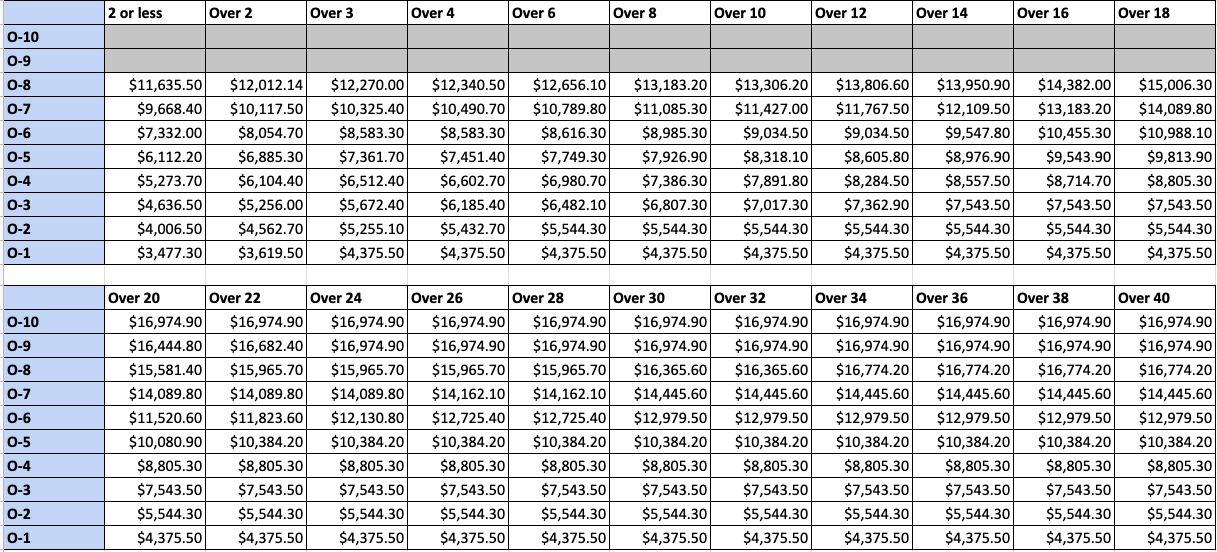
- Military Ranks: Military salaries are based on rank and years of service. Equivalent military ranks to GS-11, such as a Captain in the Army or a Lieutenant Commander in the Navy, can earn salaries in the same range as GS-11 positions. Military personnel also receive a range of benefits, including health insurance, housing allowances, and retirement benefits.
Equivalency Based on Experience and Education
The equivalency of military experience and education to civilian GS-11 positions is determined by a complex interplay of factors, including years of service, specialized training, and educational attainment. While the specific requirements may vary depending on the branch of service and the specific GS-11 position, a general understanding of these factors can provide valuable insights for transitioning military personnel.
Experience
Years of experience in the military can be a significant asset when transitioning to a civilian GS-11 position. The military’s structured environment fosters leadership, discipline, and technical skills that are highly valued in the civilian workforce.
- Breakdown by Branch: The typical years of experience required for a GS-11 equivalent can vary slightly between branches, reflecting the unique missions and career paths within each service.
| Branch | Typical Years of Experience for GS-11 Equivalent |
|---|---|
| Army | 5-7 years |
| Navy | 4-6 years |
| Air Force | 4-6 years |
| Marines | 4-6 years |
| Coast Guard | 4-6 years |
- Specific Examples:
| Branch | Military Occupational Specialty/Rating | Typical Years of Experience |
|---|---|---|
| Army | 13B (Cannon Crewmember) | 5-7 years |
| Navy | ET (Electronics Technician) | 4-6 years |
| Air Force | 1A7X (Cyber Warfare Operations) | 4-6 years |
| Marines | 0311 (Infantry) | 4-6 years |
| Coast Guard | BM (Boatswain’s Mate) | 4-6 years |
- Experience in Specific Areas: Experience in specialized areas such as leadership, project management, and technical expertise can significantly contribute to a GS-11 equivalency, even if the total years of service are less. For instance, a military officer with extensive experience in leading a team of engineers might be considered equivalent to a GS-11 level position requiring project management skills, regardless of the total years of service.
Education
Educational attainment plays a crucial role in determining GS-11 equivalency. While some GS-11 positions may accept an associate’s degree, a bachelor’s degree is generally considered the minimum requirement.
- Minimum Education Requirements: The minimum education level typically required for a GS-11 equivalent in each military branch is a bachelor’s degree.
- Education Equivalency: The military’s own education programs, such as CLEP (College-Level Examination Program) and DANTES (Defense Activity for Non-Traditional Education Support), can be considered equivalent to civilian education for GS-11 level positions.
- Advanced Degrees: Advanced degrees, such as master’s degrees and PhDs, obtained during military service can significantly enhance the equivalency determination for GS-11 positions.
Specialized Training and Certifications
Military training and certifications can be highly valuable in transitioning to civilian GS-11 positions. They demonstrate the possession of transferable skills and specialized knowledge that are often sought after by employers.
- Training Relevance: Military training programs that are most relevant to civilian GS-11 level positions often focus on areas such as leadership, project management, technical expertise, and communication skills.
- Transferable Skills: Military training and certifications demonstrate the possession of transferable skills valuable in civilian GS-11 positions, such as problem-solving, communication, leadership, and technical expertise.
Salary and Benefits Comparison
Understanding the financial aspects of both a GS-11 position and a military career is crucial for making an informed decision. This section delves into the salary and benefits packages offered by both the federal government and the military, providing a comprehensive comparison to aid in your decision-making process.
Salary Comparison
The average annual salary for a GS-11 position varies depending on factors such as location, experience, and specific job duties. However, the base pay range for a GS-11 employee typically falls between $59,112 and $76,973 per year, as of 2023. This range is based on the General Schedule (GS) pay scale, which is a standardized system used to determine the salary of federal employees.The salary for equivalent military ranks, such as a Captain in the Army or a Lieutenant Commander in the Navy, can vary depending on years of service, location, and specific military occupational specialty.
The Department of Defense (DoD) uses a pay scale that considers factors like time in service, rank, and location to determine military pay.
The DoD pay scale for officers generally ranges from $4,000 to $10,000 per month, depending on years of service and rank.
In addition to base pay, both GS-11 employees and military personnel may receive various allowances and bonuses, which can significantly impact their overall compensation. For example, GS-11 employees may receive locality pay adjustments based on the cost of living in their location, while military personnel may receive housing allowances, subsistence allowances, and bonuses for deployments or special assignments.
Benefits Comparison
Both the federal government and the military offer comprehensive benefits packages to their employees, including health insurance, retirement plans, and leave policies.
Health Insurance
- Federal Government: GS-11 employees are eligible for the Federal Employees Health Benefits (FEHB) Program, which offers a wide range of health insurance plans from private insurance companies. The FEHB program provides comprehensive health insurance coverage, including medical, dental, and vision benefits. The cost of premiums is shared between the employee and the government.
- Military: Military personnel are eligible for TRICARE, a comprehensive health insurance program that provides access to healthcare services at military facilities and through a network of civilian providers. TRICARE offers various plans, including TRICARE Prime, TRICARE Select, and TRICARE For Life. The cost of TRICARE is subsidized by the government, with some costs shared by the service member.
Retirement Plans
- Federal Government: GS-11 employees are eligible for the Federal Employees Retirement System (FERS), which is a defined-benefit retirement plan that provides a monthly annuity payment upon retirement. The FERS program requires employees to contribute a portion of their salary to the retirement fund, with the government matching a portion of their contributions. The amount of the annuity payment is based on years of service, salary history, and age at retirement.
- Military: Military personnel are eligible for the Thrift Savings Plan (TSP), which is a defined-contribution retirement plan similar to a 401(k) plan in the private sector. The TSP allows service members to contribute a portion of their salary to a retirement account, with the government matching a portion of their contributions. The amount of the retirement benefit is based on the total amount of contributions and investment returns.
Leave Policies
- Federal Government: GS-11 employees are eligible for annual leave, sick leave, and other types of leave, such as family and medical leave. The amount of annual leave earned is based on years of service, with employees typically earning 13 days of annual leave per year. Sick leave is earned at a rate of 4 hours per pay period.
- Military: Military personnel are eligible for a variety of leave policies, including annual leave, sick leave, and emergency leave. The amount of annual leave earned is based on years of service and rank, with service members typically earning 30 days of annual leave per year. Sick leave is provided as needed, and emergency leave is available in situations requiring immediate attention.
Long-Term Financial Implications
The long-term financial implications of choosing a GS-11 position versus a military career can be significant.
- GS-11 Position: A GS-11 position offers a stable career path with predictable salary increases and a comprehensive benefits package. However, the salary potential may be lower than in some private sector jobs, and promotions may be slower.
- Military Career: A military career offers a unique opportunity to serve the country and gain valuable skills and experience. The pay and benefits are competitive, and the opportunity for travel and adventure is unparalleled. However, the military requires a significant commitment, including potential deployments and relocation.
4. Career Progression and Advancement Opportunities
Career progression and advancement opportunities are key considerations when comparing career paths in the federal government and the military. Both sectors offer structured systems for advancement, but the specific paths, timelines, and requirements can differ significantly. Understanding these differences is essential for individuals considering a career in either sector or transitioning between them.
4.1. Typical Career Paths and Promotion Opportunities
The federal government and the military have distinct career progression structures, each with its own set of requirements and opportunities.
Federal Government (GS-11)
A GS-11 employee in the federal government typically follows a structured career path with opportunities for promotion to higher grade levels (GS-12, GS-13, etc.). The average time to promotion depends on factors such as performance, experience, and available positions.
| Grade Level | Average Time to Promotion | Common Career Paths | Required Training/Certifications |
|---|---|---|---|
| GS-11 | 2-4 years | Analyst, Specialist, Project Manager | Supervisory Training, Relevant Certifications |
| GS-12 | 3-5 years | Lead Analyst, Senior Specialist, Program Manager | Advanced Training in Specialization, Leadership Development |
| GS-13 | 4-6 years | Branch Chief, Division Manager, Policy Advisor | Executive Leadership Training, Specialized Certifications |
Military (Equivalent Rank)
The military has a hierarchical rank structure with distinct career paths for enlisted personnel (E-5, equivalent to GS-11) and officers (O-2, equivalent to GS-11). Advancement through the ranks typically involves a combination of time in service, performance, and completion of required training.
| Rank | Average Time to Promotion | Common Career Paths | Required Training/Certifications |
|---|---|---|---|
| E-5 (Sergeant) | 2-4 years | Squad Leader, Team Leader, Technical Specialist | Advanced Training in Military Occupational Specialty (MOS), Leadership Development |
| E-6 (Staff Sergeant) | 3-5 years | Platoon Sergeant, Section Chief, Technical Expert | Leadership Training, Advanced Technical Training |
| E-7 (Sergeant First Class) | 4-6 years | First Sergeant, Company Operations Sergeant, Senior Technical Advisor | Advanced Leadership Training, Master Certification in MOS |
| O-2 (First Lieutenant) | 2-4 years | Platoon Leader, Company Executive Officer, Staff Officer | Officer Basic Course, Branch-Specific Training, Leadership Development |
| O-3 (Captain) | 3-5 years | Company Commander, Battalion Staff Officer, Program Manager | Command and Staff College, Advanced Leadership Training |
4.2. Skills and Qualifications for Advancement
Advancement in both the federal government and the military requires a combination of technical skills, soft skills, and specialized training.
| Skill/Qualification | Federal Government (GS-11) Importance | Military (Equivalent Rank) Importance |
|---|---|---|
| Technical Skills (Analytical, Problem-Solving) | High | High |
| Communication Skills (Written, Oral) | High | High |
| Leadership Skills (Motivation, Teamwork) | Moderate | High |
| Project Management Skills | Moderate | Moderate |
| Specialized Training and Certifications | High | High |
4.3. Lateral Transfers and Cross-Sector Transitions
Lateral transfers or cross-sector career transitions between GS-11 positions in the federal government and equivalent roles in the military are possible but require careful consideration.
“Transitioning between the federal government and the military can be a challenging but rewarding experience. It requires a thorough understanding of both sectors’ cultures, career paths, and requirements. The skills and experiences gained in one sector can be valuable in the other, but there are differences in organizational structures, decision-making processes, and work-life balance.”
- Benefits: Cross-sector transitions can provide opportunities for career growth, exposure to different work environments, and enhanced skillsets.
- Challenges: Transitioning between sectors may require retraining, adjustments to work culture, and a potential reduction in pay or benefits.
Work-Life Balance and Lifestyle

The decision between a GS-11 position and a comparable military rank often hinges on individual priorities and lifestyle preferences. Work-life balance, a key factor in overall career satisfaction, can vary significantly between these two paths.
Work-Life Balance Comparison
Work-life balance in the government sector generally offers more predictable schedules and greater flexibility. GS-11 positions typically adhere to standard work hours, with opportunities for telework and flexible schedules. This allows for a better integration of personal life and professional responsibilities.
- GS-11 positions: Employees usually work a standard 40-hour workweek, with opportunities for telework and flexible schedules, providing greater control over work hours and allowing for a better integration of personal life and professional responsibilities.
- Military ranks: Military personnel often face unpredictable work hours, including evening and weekend shifts, and may be subject to deployments and overseas assignments. This can disrupt personal routines and family life.
Travel Requirements
While both sectors can involve travel, the nature and frequency differ significantly.
- GS-11 positions: Travel is often limited to conferences or training, typically with advance notice and opportunity for planning.
- Military ranks: Travel is more frequent and can be unexpected, particularly for deployments and overseas assignments.
Family Leave
Both government and military personnel are entitled to family leave, but the specific benefits and regulations can differ.
- GS-11 positions: Employees are eligible for paid family leave under the Family and Medical Leave Act (FMLA), allowing for up to 12 weeks of unpaid leave for family-related reasons.
- Military ranks: Military personnel are entitled to family leave under the Uniformed Services Employment and Reemployment Rights Act (USERRA), offering protections for leave related to military service.
Deployments and Overseas Assignments
One of the most significant differences between the GS-11 position and equivalent military ranks is the possibility of deployments and overseas assignments.
- GS-11 positions: Deployments and overseas assignments are not common for GS-11 positions.
- Military ranks: Deployments and overseas assignments are a fundamental part of military service, and individuals in equivalent ranks may be required to serve in different locations for extended periods.
Impact on Career Satisfaction, Gs-11 military rank equivalent
The potential for deployments and overseas assignments in the military can significantly impact work-life balance and overall career satisfaction. While some individuals thrive in such environments, others may find it challenging to balance family life and career commitments.
- GS-11 positions: The predictable work schedule and greater flexibility can contribute to higher levels of job satisfaction, allowing individuals to better manage their personal lives and responsibilities.
- Military ranks: While the military offers a sense of purpose and camaraderie, the demands of deployments and overseas assignments can negatively impact work-life balance and potentially lead to higher levels of stress and burnout.
6. Personal and Professional Growth: Gs-11 Military Rank Equivalent
The pursuit of personal and professional growth is a fundamental aspect of any career path, and the federal government and the military offer distinct opportunities for individuals seeking to advance their skills and knowledge. Both sectors provide structured environments that emphasize leadership development, training, and skill acquisition, ultimately shaping individuals into well-rounded professionals. This section will delve into the unique opportunities for personal and professional growth offered by both the federal government and the military, analyzing their approaches to leadership development, training, and skill acquisition, and assessing their impact on future career prospects.
A. Federal Government
The federal government, with its diverse range of agencies and departments, provides a rich tapestry of opportunities for personal and professional growth. From leadership development programs to specialized training initiatives, federal employees have access to a wide array of resources designed to enhance their skills and knowledge.
1. Unique Opportunities
The federal government offers a unique set of opportunities for personal and professional growth, distinct from those found in the private sector. These opportunities are often tailored to the specific needs of government agencies and departments, reflecting the diverse nature of public service.
- Leadership Development Programs: The federal government invests heavily in leadership development programs, recognizing the importance of strong leadership in driving effective policy and service delivery. The “Leadership Development Program” offered by the Department of Homeland Security, for instance, provides a comprehensive curriculum that encompasses leadership theory, practical exercises, and mentorship opportunities. This program fosters leadership skills through a combination of classroom learning, real-world simulations, and peer-to-peer interaction, preparing participants to assume leadership roles within the department and beyond.
- Training and Skill Acquisition: The federal government provides a wide array of training programs and resources for employees, catering to both technical and soft skills development. The “Federal Executive Institute,” for example, offers a range of training programs for senior-level government executives, focusing on areas like strategic leadership, public policy, and financial management. These programs equip executives with the knowledge and skills necessary to navigate the complexities of government service, enhancing their effectiveness and contributing to the overall success of their agencies.
- Networking Opportunities: The federal government offers extensive networking opportunities, connecting individuals with professionals from various agencies and departments. This network provides a platform for sharing knowledge, building relationships, and exploring career opportunities. The “Federal Executive Board,” for instance, facilitates networking events and forums for senior-level government executives, fostering collaboration and knowledge exchange across different agencies.
2. Leadership Development
The federal government emphasizes leadership development through a combination of formal programs, mentorship opportunities, and on-the-job experiences. Agencies and departments implement leadership development programs tailored to their specific needs, focusing on core leadership competencies like communication, decision-making, and team building.
- Formal Programs: The “Leadership Development Program” offered by the Department of Homeland Security is a prime example of a formal program that fosters leadership skills. This program provides a structured curriculum that encompasses leadership theory, practical exercises, and mentorship opportunities, equipping participants with the knowledge and skills necessary to lead effectively.
- Mentorship Opportunities: The federal government promotes mentorship opportunities, pairing junior employees with experienced leaders. These mentors provide guidance, support, and insights into the intricacies of government service, helping mentees develop their leadership skills and navigate their career paths.
- On-the-Job Experiences: The federal government emphasizes on-the-job experiences as a crucial component of leadership development. Employees are given opportunities to lead projects, manage teams, and take on increasing responsibilities, allowing them to hone their leadership skills in real-world settings.
3. Training and Skill Acquisition
The federal government provides extensive training programs and resources for employees, catering to both technical and soft skills development. These programs are designed to enhance employees’ knowledge and skills, ensuring they are equipped to perform their duties effectively and contribute to the success of their agencies.
- Technical Skills Training: The federal government offers specialized training programs in technical areas, such as information technology, cybersecurity, and financial management. These programs ensure employees have the technical skills necessary to perform their duties effectively, contributing to the efficient operation of government agencies.
- Soft Skills Training: The federal government also recognizes the importance of soft skills, such as communication, teamwork, and conflict resolution. Training programs are available to enhance employees’ soft skills, promoting effective collaboration and communication within the workplace.
- Professional Development Resources: The federal government provides a range of professional development resources, including online courses, workshops, and conferences. These resources offer employees opportunities to expand their knowledge and skills, keeping them abreast of current trends and developments in their fields.
4. Impact on Future Career Prospects
Work experience in the federal government can significantly impact future career prospects, providing valuable skills and experiences that are transferable to various industries. The federal government’s emphasis on leadership development, training, and skill acquisition equips employees with a robust set of skills and knowledge, making them attractive candidates for both public and private sector roles.
- Transferable Skills: The federal government fosters the development of transferable skills, such as communication, problem-solving, and analytical thinking. These skills are highly valued in various industries, making federal government employees competitive candidates for a range of career paths.
- Networking Opportunities: The federal government’s extensive network provides opportunities to build relationships with professionals from various agencies and departments. This network can serve as a valuable resource for future career advancement, providing access to job opportunities and insights into different industries.
- Reputation and Credibility: Working in the federal government carries a certain level of reputation and credibility, demonstrating a commitment to public service and a strong work ethic. This reputation can be an asset when pursuing career opportunities in other sectors.
Quick FAQs
How do I find a GS-11 position that aligns with my military experience?
Start by identifying your military occupational specialty (MOS) or rating and researching civilian job titles with similar responsibilities. Utilize online job boards and government websites to find specific GS-11 positions that match your skills and experience.
What are some examples of military training that can be considered equivalent to civilian certifications?
Many military training programs are recognized by civilian organizations. For example, military training in logistics can be considered equivalent to a Certified Logistics Professional (CLP) certification. Research specific programs and their civilian equivalents to demonstrate your qualifications.
Is there a specific agency that helps with military-to-civilian career transitions?
Yes, the Department of Defense (DoD) offers a range of resources and programs designed to assist military personnel with their transitions to civilian careers. Their website provides information on job search strategies, career counseling, and training programs.
What are the long-term financial implications of choosing a GS-11 position versus a military career?
This decision depends on individual financial goals and risk tolerance. A GS-11 position offers a steady salary and benefits, while a military career can provide potential for bonuses and allowances but also involves uncertainty regarding deployments and potential for career changes.
How do I leverage my military experience in a GS-11 interview?
Highlight your leadership skills, problem-solving abilities, teamwork experience, and any specialized training or certifications that are relevant to the GS-11 position. Use specific examples from your military career to demonstrate your qualifications and how you can contribute to the organization.

Whitney Morris is a renowned author with a passion for military history and strategic analysis. Born in Jakarta, Indonesia, Defense developed a deep fascination for warfare and national defense from a young age. His unwavering interest in military strategy, combined with his natural storytelling ability, has earned him a reputation as an engaging and insightful writer in the field.
