Army backpack regulations are not just about carrying gear; they are about ensuring soldiers have the tools they need to survive and succeed in demanding environments. These regulations have evolved over time, reflecting the changing needs of the military and the advancements in technology.
From the size and weight limits to the essential items that must be carried, every aspect of an army backpack is carefully considered to optimize performance and safety.
This guide will delve into the intricate world of army backpack regulations, exploring the historical context, the rationale behind the rules, and the impact they have on soldiers’ lives. We’ll examine the approved materials, the essential features, and the proper maintenance practices that contribute to the durability and functionality of these vital pieces of equipment.
Overview of Army Backpack Regulations
Army backpack regulations are essential for maintaining order, efficiency, and safety within military units. These regulations dictate the types of backpacks soldiers are allowed to carry, their size, weight limitations, and how they are to be packed. They play a crucial role in ensuring soldiers are equipped with the necessary gear for various missions while maintaining operational readiness and minimizing risks.
Historical Evolution of Army Backpack Regulations
Army backpack regulations have evolved alongside advancements in military technology and changing combat needs. Initially, soldiers relied on basic knapsacks or haversacks for carrying essential supplies. As warfare became more complex and demanding, the need for more sophisticated and functional backpacks arose.
The introduction of the ALICE (All-purpose Lightweight Individual Carrying Equipment) system in the 1970s marked a significant shift towards modular and adaptable backpacks. This system allowed soldiers to customize their load-carrying equipment based on mission requirements. Today, modern armies utilize advanced backpack designs incorporating lightweight materials, ergonomic features, and integrated load-bearing systems.
Governing Bodies and Regulations
The primary governing bodies responsible for setting and enforcing army backpack regulations vary depending on the specific branch of the military and the country. In the United States, the Department of Defense (DoD) establishes overarching regulations, while each branch of the military (Army, Navy, Air Force, Marines) has its own specific guidelines and standards.
These regulations are often Artikeld in military manuals and directives, which are regularly updated to reflect changes in technology, tactics, and operational needs.
Backpack Size and Weight Limits
The Army places strict limitations on the size and weight of backpacks soldiers can carry. These restrictions are in place to ensure soldiers can maintain operational effectiveness and minimize the risk of injury.
Backpack Size Limitations
The Army’s regulations specify the maximum dimensions for backpacks. These limits are designed to ensure that backpacks are manageable and do not impede movement or hinder the soldier’s ability to perform their duties.
The maximum size of a backpack is typically defined by its length, width, and depth.
While exact measurements may vary depending on the specific unit and mission, the general guidelines are:
- Length:The backpack should not exceed a certain length to ensure it does not hinder the soldier’s mobility, particularly when navigating tight spaces or engaging in combat maneuvers.
- Width:The width of the backpack is also restricted to prevent it from interfering with the soldier’s balance or range of motion.
- Depth:The depth of the backpack should be limited to prevent it from becoming too bulky and cumbersome to carry, especially when navigating challenging terrain.
Backpack Weight Limitations
The Army sets specific weight limits for backpacks, depending on the soldier’s role and the mission. The primary objective is to prevent soldiers from carrying excessive weight, which can lead to injuries, fatigue, and decreased operational efficiency.
- Standard Load:The maximum weight a soldier can carry in their backpack is generally limited to a certain percentage of their body weight. This limit ensures that the weight load is manageable and does not compromise the soldier’s physical well-being.
- Combat Load:In combat situations, soldiers may be required to carry heavier loads, but these loads are still subject to strict weight restrictions. The maximum weight for combat loads is usually determined by the specific mission requirements and the soldier’s physical capabilities.
- Individual Differences:It is important to note that weight limitations can vary depending on individual factors such as the soldier’s physical fitness, training level, and the type of mission.
Examples of Authorized and Prohibited Backpacks
The Army specifies which types of backpacks are authorized and prohibited for use.
- Authorized Backpacks:The Army typically authorizes backpacks that meet specific size and weight criteria, are durable, and provide adequate functionality for carrying essential gear. Examples of authorized backpacks include:
- MOLLE-compatible backpacks:These backpacks feature a modular system that allows soldiers to attach additional pouches and accessories to customize their loadout.
- Assault packs:These smaller backpacks are designed for carrying essential gear during combat operations.
- Rucksacks:These larger backpacks are used for carrying heavier loads during extended missions.
- Prohibited Backpacks:The Army prohibits backpacks that do not meet the required size and weight standards, are not durable enough for military use, or lack the necessary features for carrying essential gear. Examples of prohibited backpacks include:
- Civilian backpacks:Backpacks designed for everyday use, such as school backpacks or travel backpacks, are generally not authorized for military use.
- Backpacks with inadequate capacity:Backpacks that lack sufficient space for carrying essential gear, such as ammunition, medical supplies, or communication equipment, are prohibited.
- Backpacks with insufficient durability:Backpacks that are not made from durable materials and cannot withstand the rigors of military operations are prohibited.
Backpack Contents and Organization
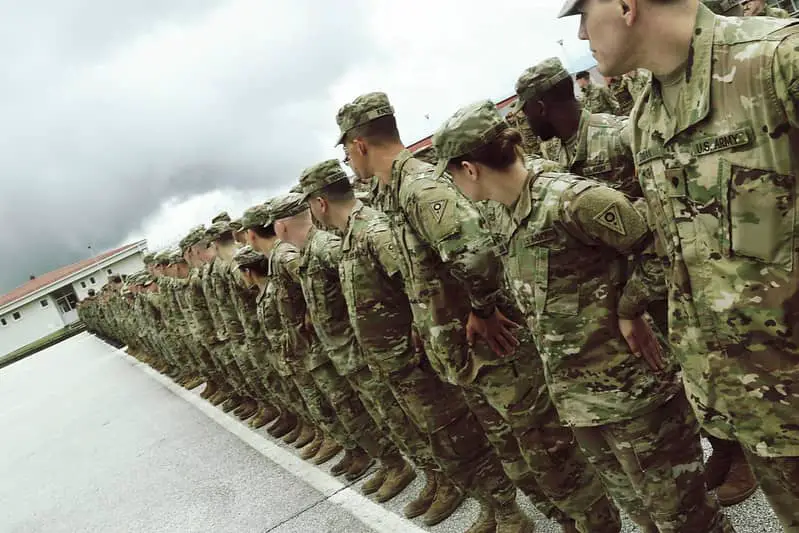
The contents of your army backpack are crucial for your survival and mission success. You must carry essential items that will keep you safe, healthy, and equipped to complete your tasks. The Army has strict regulations regarding the contents and organization of your backpack, which are designed to ensure you have everything you need in a readily accessible manner.
Essential Items
The Army’s backpack regulations dictate specific items that must be carried in your backpack. These items are categorized into essential equipment, personal hygiene items, and other necessities.
- Essential Equipment: This category includes items that are critical for survival, communication, and mission completion. These items may vary depending on your specific mission and environment. Some examples include:
- Weapon and ammunition
- First-aid kit
- Compass and map
- Radio
- Night vision goggles
- Water purification tablets
- Multi-tool
- Survival kit
- Personal Hygiene Items: Maintaining personal hygiene is essential, especially in challenging environments. This category includes:
- Toothbrush and toothpaste
- Soap and shampoo
- Toilet paper
- Deodorant
- Sunscreen
- Insect repellent
- Other Necessities: These items provide comfort and convenience during deployments. They include:
- Extra clothing
- Sleeping bag
- Rain gear
- Flashlight
- Personal hygiene kit
- Food and water
- Writing materials
Sample Packing List
Here is a sample packing list that adheres to Army regulations and includes the essential items mentioned above:
- Essential Equipment
- M4 Carbine with 3 magazines
- Individual First Aid Kit (IFAK)
- Compass and map
- PRC-152 radio
- AN/PVS-14 night vision goggles
- Water purification tablets
- Leatherman multi-tool
- Survival kit (including fire starter, signal mirror, whistle, and fishing line)
- Personal Hygiene Items
- Toothbrush and toothpaste
- Bar soap and shampoo
- Toilet paper
- Deodorant
- Sunscreen
- Insect repellent
- Other Necessities
- 2 sets of ACU uniforms
- Sleeping bag
- Rain jacket and pants
- Headlamp
- Personal hygiene kit (including razor, shaving cream, and nail clippers)
- MREs (Meals Ready-to-Eat) for 3 days
- Water bottle (2 liters)
- Notebook and pen
Backpack Organization
Organizing your backpack is crucial for easy access to essential items during missions. You should organize your backpack into logical compartments and sections.
- Main Compartment: This compartment should contain the heaviest and least frequently accessed items, such as your sleeping bag, extra clothing, and food.
- Side Pockets: These pockets are ideal for storing frequently used items, such as water bottles, first-aid kit, and radio.
- Top Compartment: This compartment should be reserved for smaller, essential items that you need quick access to, such as your compass, map, and flashlight.
- External Straps: You can use external straps to attach additional items, such as your sleeping pad, tent, or extra gear.
Backpack Material and Construction
The material and construction of an army backpack are crucial for its durability, functionality, and overall performance. The backpack must be able to withstand harsh conditions, carry heavy loads, and provide easy access to essential gear.
Approved Materials and Construction Standards
The U.S. Army sets specific standards for the materials and construction of its backpacks. These standards ensure that backpacks are durable, reliable, and meet the needs of soldiers in various operational environments. The primary materials used in army backpacks are nylon, Cordura, and sometimes leather.
These materials are chosen for their strength, water resistance, and ability to withstand wear and tear.
Comparison of Backpack Materials
The following table compares the different materials used in army backpacks, highlighting their advantages and disadvantages:
| Material | Advantages | Disadvantages |
|---|---|---|
| Nylon | Lightweight, water-resistant, affordable | Less durable than Cordura, can tear easily |
| Cordura | Highly durable, abrasion-resistant, water-resistant | Heavier than nylon, more expensive |
| Leather | Durable, water-resistant, breathable | Heavy, requires maintenance, can be stiff |
Benefits and Drawbacks of Each Material
Nylon
Nylon is a popular material for army backpacks due to its lightweight nature and affordability. It is also water-resistant, making it suitable for use in various weather conditions. However, nylon is less durable than Cordura and can tear easily under heavy loads or rough use.
Cordura
Cordura is a highly durable nylon fabric that is specifically designed for abrasion resistance. It is commonly used in army backpacks due to its ability to withstand heavy loads and rough terrain. Cordura is also water-resistant and can be treated with additional waterproofing agents.
However, Cordura is heavier than nylon and can be more expensive.
Leather
Leather is a traditional material for backpacks, known for its durability and water resistance. It is also breathable, allowing air to circulate and prevent moisture buildup. However, leather is heavy and requires regular maintenance to prevent cracking and drying.
Leather backpacks can also be stiff and uncomfortable to carry for extended periods.
Backpack Features and Functionality
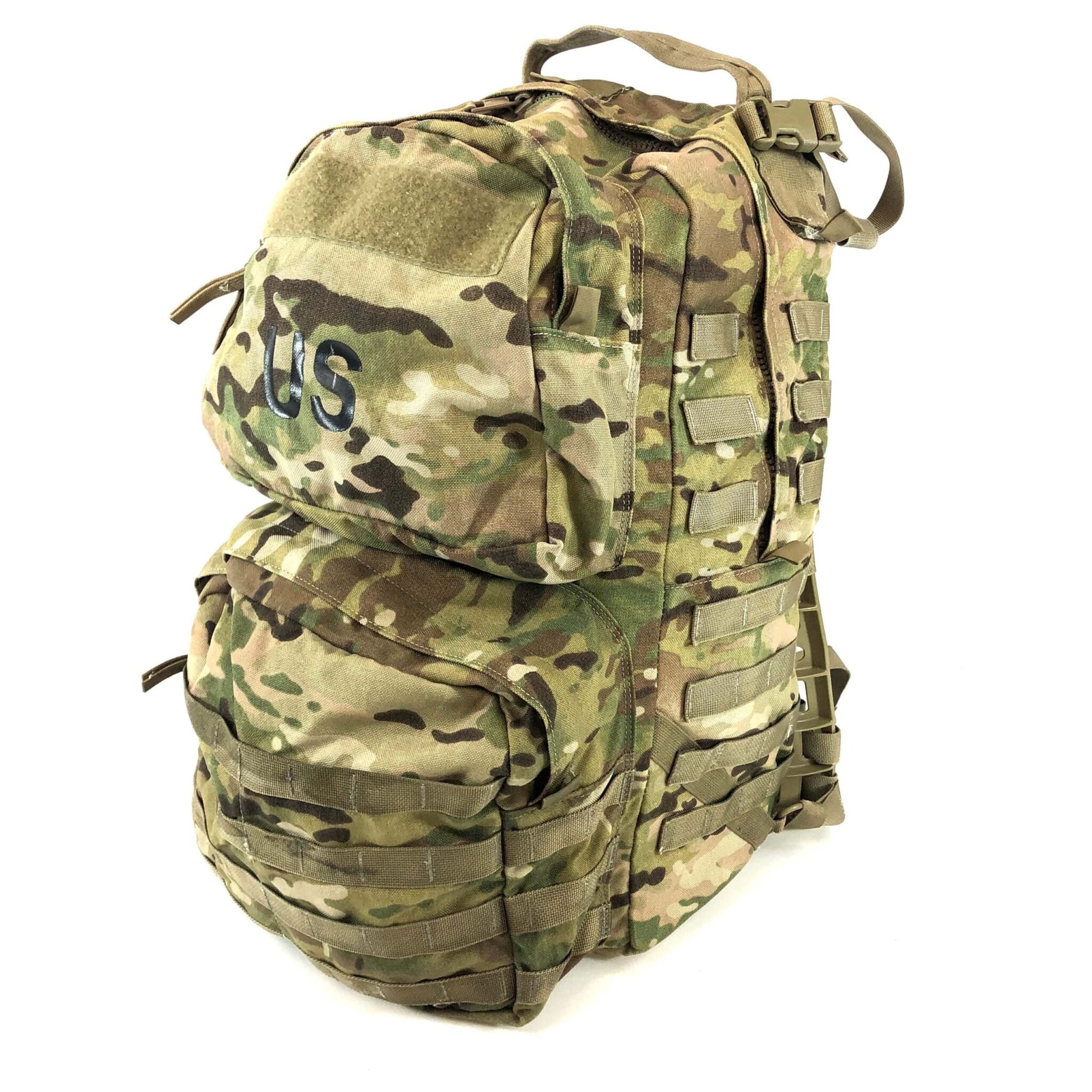
The features and functionality of an Army backpack are crucial for carrying heavy loads, ensuring comfort, and maintaining stability during demanding missions. These backpacks are designed with specific features that enhance their load-bearing capacity, ergonomics, and overall performance.
Straps, Buckles, and Pockets, Army backpack regulation
Straps, buckles, and pockets are essential components that contribute to the functionality and organization of an Army backpack.
- Adjustable Straps:The shoulder straps are typically adjustable to accommodate different body sizes and distribute weight evenly across the shoulders and back. This ensures comfort and reduces strain on the back.
- Chest Strap:A chest strap helps stabilize the backpack by preventing it from swaying while moving. This is particularly important when carrying heavy loads or navigating uneven terrain.
- Waist Belt:A waist belt transfers weight from the shoulders to the hips, reducing strain on the back and improving stability. It also provides a secure fit and prevents the backpack from shifting.
- Buckles:Strong and reliable buckles are used to secure the straps and compartments, ensuring that the backpack remains closed and the contents stay secure.
- Pockets:Multiple pockets are designed to organize and easily access essential gear. These pockets can be internal or external and are often strategically placed for optimal accessibility.
Ergonomic Design and Comfort
Ergonomic design is crucial for ensuring comfort and minimizing strain on the body during prolonged use.
- Back Panel:The back panel is typically padded and contoured to conform to the shape of the back, providing support and ventilation.
- Airflow Channels:Some backpacks have airflow channels built into the back panel, allowing air to circulate and prevent overheating.
- Shoulder Strap Padding:Shoulder straps are often padded with breathable materials to reduce pressure points and improve comfort.
Load-Bearing Capacity and Stability
The features of an Army backpack are designed to optimize its load-bearing capacity and stability.
- Frame:Many backpacks have a rigid frame that helps distribute weight evenly and maintain stability. This frame can be made of aluminum or other lightweight materials.
- Compression Straps:Compression straps allow users to cinch down the backpack and secure the contents, preventing them from shifting and creating an uneven load.
- Weight Distribution:The combination of adjustable straps, a waist belt, and a frame ensures that the weight is distributed evenly across the body, reducing strain on the back and shoulders.
Maintenance and Care of Army Backpacks

Proper maintenance and care of your army backpack are essential for ensuring its durability, functionality, and longevity. Neglecting these aspects can lead to premature wear and tear, compromising your ability to carry essential gear effectively. By following a consistent maintenance routine, you can extend the lifespan of your backpack and ensure it remains reliable for years to come.
Cleaning and Maintaining Army Backpacks
Regular cleaning is crucial for maintaining the hygiene and functionality of your army backpack. Dirt, grime, and sweat can accumulate over time, affecting the backpack’s material and reducing its water resistance. Here’s a step-by-step guide for cleaning your army backpack:
- Empty the backpack completely and remove all contents. This allows for thorough cleaning and inspection.
- Use a soft-bristled brush or a damp cloth to remove loose dirt and debris from the exterior of the backpack.
- For tougher stains, use a mild soap solution. Avoid harsh chemicals or abrasive cleaners that can damage the fabric.
- Rinse the backpack thoroughly with clean water, ensuring all soap residue is removed.
- Allow the backpack to air dry completely, away from direct sunlight or heat sources. This prevents mold and mildew growth.
Extending the Lifespan of Army Backpacks
Here are some practical tips for extending the lifespan of your army backpack:
- Avoid overloading the backpack beyond its weight capacity. Overloading can strain the straps, zippers, and fabric, leading to premature wear and tear.
- Use a pack liner to protect the backpack’s interior from moisture and spills. This also makes cleaning easier.
- Store the backpack in a dry and well-ventilated area when not in use. Avoid storing it in damp or humid environments.
- Inspect the backpack regularly for any signs of damage, such as worn straps, frayed fabric, or broken zippers. Repair any damage promptly to prevent further deterioration.
Common Backpack Repair Methods
Minor repairs can often be done at home, extending the lifespan of your backpack. Here are some common backpack repair methods:
- Repairing Torn Fabric:Use a strong, durable fabric patch and a needle and thread to repair tears in the backpack’s fabric. Apply a sealant to the patch for added protection against moisture.
- Replacing Zippers:If a zipper breaks, you can replace it with a new one of the same size and type. This requires some sewing skills and the appropriate tools.
- Reinforcing Straps:Straps can wear out over time. You can reinforce them by stitching additional layers of fabric or using a strong webbing tape.
Safety Considerations
Improper backpack use can lead to various safety hazards, impacting both your well-being and mission effectiveness. Understanding and addressing these potential risks is crucial for safe and efficient load-carrying. This section will explore key safety considerations related to backpack use, focusing on backpack fit, safe load-carrying practices, and potential hazards.
Backpack Fit
Proper backpack fit is paramount for safe and comfortable load-carrying. A well-fitting backpack distributes weight evenly, reducing strain on your back, shoulders, and hips. Here’s a step-by-step guide to adjusting your backpack for optimal fit:
- Load the backpackwith your typical gear and equipment to simulate real-world conditions.
- Adjust the shoulder strapsto ensure a snug but comfortable fit. The straps should be parallel and sit firmly on your shoulders, without slipping or digging in.
- Adjust the hip beltto transfer a significant portion of the weight to your hips. The belt should be snug and sit comfortably on your hips, with the buckle positioned in the center of your lower back.
- Adjust the sternum strapto further stabilize the backpack and prevent it from swaying. The strap should be positioned at a comfortable height, typically just below your collarbone.
- Adjust the load liftersto ensure the weight of the backpack is centered on your back. The load lifters should be adjusted so that the top of the backpack is pulled slightly toward your back, creating a snug and secure fit.
Safe Load-Carrying Practices
Carrying excessive weight in your backpack can lead to various injuries, including back pain, muscle strain, and joint problems. Here are some key guidelines for safe load-carrying practices:
- Limit the weight of your backpackto a reasonable amount. The recommended maximum weight for a backpack is typically around 20% of your body weight. However, this can vary based on individual fitness levels and the nature of the load.
- Distribute the weight evenlywithin your backpack. Heavy items should be placed close to your back and center of gravity, while lighter items can be placed on the sides or in the top compartment.
- Take breaks frequentlywhen carrying heavy loads. Resting regularly allows your body to recover and prevents fatigue, reducing the risk of injury.
- Use a backpack with a supportive frameto help distribute the weight evenly and reduce strain on your back.
- Practice proper lifting techniqueswhen loading and unloading your backpack. Bend your knees and lift with your legs, keeping your back straight to avoid injury.
Potential Hazards
Improper backpack use can lead to various hazards, including:
- Back injuries: Excessive weight, poor fit, and improper lifting techniques can all contribute to back pain, muscle strain, and even more serious injuries.
- Shoulder injuries: Straps that are too tight or not properly adjusted can lead to shoulder pain, muscle strain, and even nerve damage.
- Hip injuries: A poorly fitted hip belt can cause hip pain, muscle strain, and even joint damage.
- Neck injuries: A backpack that is too heavy or not properly balanced can strain your neck muscles, leading to pain and discomfort.
- Balance issues: A backpack that is too heavy or not properly fitted can affect your balance, increasing the risk of falls and other injuries.
- Trip hazards: A backpack that is too large or not properly secured can create a trip hazard, leading to falls and injuries.
Impact of Backpack Regulations on Soldiers
Army backpack regulations are designed to ensure soldiers are equipped with the necessary gear for mission success while maintaining their mobility and safety. However, these regulations can have a significant impact on soldiers’ physical and mental well-being, influencing their ability to perform effectively in the field.
Impact on Physical Well-being
The weight and size of backpacks are crucial considerations for soldiers’ physical well-being. Carrying excessive weight for extended periods can lead to musculoskeletal injuries, fatigue, and reduced stamina.
- Back pain:Prolonged carrying of heavy backpacks can strain the back muscles, leading to pain and discomfort. This can hinder soldiers’ ability to perform their duties effectively and can even lead to long-term back problems.
- Shoulder and neck pain:The weight of the backpack can also put pressure on the shoulders and neck, causing pain and stiffness. This can make it difficult for soldiers to aim weapons, operate equipment, and perform other tasks.
- Foot and ankle problems:Carrying heavy loads can also strain the feet and ankles, leading to blisters, plantar fasciitis, and other foot problems. These problems can significantly impact soldiers’ mobility and endurance.
Impact on Mental Well-being
While physical strain is significant, backpack regulations can also impact soldiers’ mental well-being. Carrying a heavy backpack can contribute to stress and anxiety, especially during demanding missions.
- Increased stress levels:The constant weight and pressure of a heavy backpack can lead to increased stress levels, which can affect soldiers’ concentration, decision-making abilities, and overall morale.
- Fatigue and exhaustion:Carrying heavy backpacks can lead to fatigue and exhaustion, which can impair soldiers’ mental alertness and ability to perform their duties effectively.
- Negative impact on morale:The discomfort and limitations imposed by backpack regulations can negatively impact soldiers’ morale, leading to feelings of frustration and resentment.
Impact on Mobility and Operational Effectiveness
Backpack regulations directly impact soldiers’ mobility and operational effectiveness. The weight and size of the backpack can hinder their ability to navigate challenging terrain, move quickly, and react effectively to dynamic situations.
- Reduced agility:Heavy backpacks can make it difficult for soldiers to move quickly and efficiently, especially in challenging terrain. This can hinder their ability to respond to threats and complete missions effectively.
- Increased fatigue:Carrying heavy backpacks can lead to fatigue, which can impair soldiers’ ability to perform demanding tasks, such as running, climbing, and carrying out combat operations.
- Limited access to equipment:The design and organization of backpacks can limit soldiers’ access to essential equipment, potentially delaying their response time in critical situations.
Real-world Examples of Impact
Backpack regulations have been the subject of much discussion and debate within the military.
- Afghanistan and Iraq:During the wars in Afghanistan and Iraq, soldiers often carried extremely heavy backpacks due to the need for additional equipment and supplies. This led to a significant increase in musculoskeletal injuries among soldiers.
- Modernization of equipment:In recent years, the military has been working to modernize equipment and reduce the weight of backpacks. This has resulted in improved mobility and reduced injuries among soldiers.
- Adaptive gear:The development of adaptive gear, such as exoskeletons and lightweight materials, is aimed at further reducing the burden on soldiers and improving their performance.
Comparison to Other Military Backpack Regulations
While the Army has specific regulations for backpacks, other branches of the military also have their own guidelines. Comparing these regulations can reveal similarities and differences in how each branch approaches load carriage and equipment needs.
Comparison of Backpack Size and Weight Limits
The size and weight limits for backpacks vary across different military branches. These differences are often influenced by the specific mission requirements and operational environments of each branch.
- The Army generally has a more relaxed approach to backpack size and weight, allowing for larger packs with greater carrying capacity. This is often attributed to the Army’s focus on sustained operations in various terrains, which may require carrying more gear and supplies.
- The Marine Corps, on the other hand, emphasizes mobility and agility. This is reflected in their regulations, which often prioritize lighter packs and streamlined load carriage systems.
- The Air Force, with its focus on airpower and deployment, has different needs for backpack size and weight. Their regulations often prioritize packs that are compact and easily transportable for air travel and deployment scenarios.
- The Navy, operating primarily in maritime environments, has specific requirements for waterproof backpacks and gear. Their regulations often emphasize packs that can withstand the harsh conditions of the sea and remain functional in wet environments.
Comparison of Backpack Contents and Organization
The contents and organization of backpacks can also vary between branches. This is influenced by the specific mission requirements and operational environments of each branch.
- The Army’s backpack contents are often tailored for sustained operations, including gear for fieldcraft, communication, and medical needs. Their regulations may provide guidelines for organizing these items for efficient access and utilization.
- The Marine Corps, with its emphasis on mobility and rapid deployment, often prioritize essential gear and supplies that are lightweight and compact. Their regulations may focus on optimizing pack contents for efficient movement and tactical operations.
- The Air Force’s backpack contents are often tailored for deployment scenarios, including gear for survival, communication, and personal needs. Their regulations may prioritize items that are essential for air travel and deployment operations.
- The Navy’s backpack contents are often tailored for maritime environments, including gear for water survival, communication, and personal needs. Their regulations may prioritize waterproof and durable items that can withstand the harsh conditions of the sea.
Reasons for Variations in Backpack Regulations
The differences in backpack regulations between military branches can be attributed to a number of factors, including:
- Mission requirements: Each branch has different mission requirements and operational environments that influence their backpack regulations. For example, the Army’s focus on sustained operations in various terrains requires larger backpacks with greater carrying capacity, while the Marine Corps’ emphasis on mobility and agility leads to regulations that prioritize lighter packs.
Just as the army has regulations for backpacks, ensuring soldiers are equipped for any mission, the Salvation Army in Port St. Lucie plays a vital role in equipping individuals with the tools they need to navigate life’s challenges. Both institutions emphasize preparedness, offering support and resources to those who need them most, whether it’s a soldier on the battlefield or a community member facing hardship.
- Operational environments: The operational environments of each branch also play a role in their backpack regulations. The Navy, operating primarily in maritime environments, has specific requirements for waterproof backpacks and gear, while the Air Force, with its focus on airpower and deployment, prioritizes packs that are compact and easily transportable for air travel.
- Technology and innovation: Advances in technology and innovation have also influenced backpack regulations. The development of lightweight and durable materials has allowed for smaller and lighter packs, while advancements in load carriage systems have improved comfort and efficiency.
- Organizational culture and traditions: Each branch has its own organizational culture and traditions that can influence their backpack regulations. These factors can include historical practices, training methods, and operational philosophy.
Future Trends in Army Backpack Regulations
The ever-evolving nature of warfare necessitates constant adaptation and improvement in military equipment, including backpacks. Future army backpack regulations will likely reflect these evolving needs, driven by technological advancements and changing battlefield dynamics.
Impact of Emerging Technologies and Materials
The development of new technologies and materials will significantly influence future backpack regulations.
- Lightweight and Durable Materials:Advanced materials like carbon fiber and high-strength polymers offer exceptional strength-to-weight ratios, enabling the creation of backpacks that are both lighter and more durable than traditional nylon or canvas backpacks. This will allow soldiers to carry heavier loads with less strain on their bodies.
- Smart Fabrics:Incorporating smart fabrics with integrated sensors into backpacks can provide real-time data on soldier health, hydration levels, and even environmental conditions. This data can be used to optimize load distribution, improve soldier safety, and enhance mission effectiveness.
- Adaptive Backpack Designs:Future backpacks may feature adaptive designs that can change shape and size based on the soldier’s needs.
This could involve adjustable compartments, expandable sections, or even modular components that can be swapped out depending on the mission.
Adapting to Evolving Battlefield Needs
Future army backpack regulations will need to address the changing demands of modern warfare.
- Increased Mobility:Modern battlefields are characterized by rapid movements and unpredictable engagements. Backpacks will need to be designed for increased mobility, allowing soldiers to move quickly and easily while carrying essential equipment.
- Enhanced Communication:Backpacks may incorporate integrated communication systems, allowing soldiers to stay connected and receive real-time information.
This could include features like integrated radios, satellite communication devices, or even augmented reality displays.
- Increased Survivability:Future backpack regulations may prioritize survivability by incorporating features that enhance protection against ballistic threats or other hazards. This could include ballistic panels, integrated armor plates, or even camouflage patterns that blend seamlessly with the environment.
Key Questions Answered
What are the consequences of violating army backpack regulations?
Violating army backpack regulations can result in disciplinary action, including reprimands, fines, or even loss of privileges. The severity of the consequences depends on the nature of the violation and the circumstances surrounding it.
Can soldiers customize their army backpacks?
While soldiers are expected to adhere to the general regulations, they may have some flexibility in customizing their backpacks within the prescribed limits. This might include adding specific pouches or organizing the contents in a way that suits their individual needs.
Are there specific regulations for different military branches?
Yes, each military branch may have its own specific regulations regarding backpacks. However, the core principles of safety, functionality, and load-bearing capacity remain consistent across branches.

Whitney Morris is a renowned author with a passion for military history and strategic analysis. Born in Jakarta, Indonesia, Defense developed a deep fascination for warfare and national defense from a young age. His unwavering interest in military strategy, combined with his natural storytelling ability, has earned him a reputation as an engaging and insightful writer in the field.
