Defence football drills are an essential component of any successful football program, providing a structured and effective means to develop the skills, coordination, and mental toughness required for defensive success on the field. These drills cover a wide range of areas, from improving individual techniques to enhancing team communication and coordination, ensuring that players are well-prepared for the challenges they will face in competitive play.
By engaging in these drills, defensive players can refine their tackling, pass coverage, and run defense abilities, while also developing the physicality, aggression, and mental fortitude necessary to excel in their roles. The drills are designed to simulate real-game scenarios, fostering situational awareness and decision-making skills, ultimately leading to improved performance on the field.
Drills for Improving Defensive Techniques
Effective defensive play in football requires a combination of individual techniques and coordinated team effort. Drills are an essential part of developing and refining these techniques, enhancing players’ ability to tackle effectively, cover passes, and defend against the run.
Tackling Drills
Tackling is a fundamental skill in football, requiring players to safely and effectively bring down an opponent with the ball. Various drills can be used to improve tackling technique, including:
- Solo Tackling Drill:Focuses on individual tackling technique, with players practicing form and execution on tackling dummies or sleds.
- Partner Tackling Drill:Involves two players, with one acting as the ball carrier and the other as the tackler. Emphasizes proper footwork, body position, and timing.
- Live Tackling Drill:Incorporates game-like scenarios, with players tackling opponents in a controlled environment. Helps develop instincts and reaction time.
Pass Coverage Drills
Pass coverage is crucial in preventing opposing offenses from completing passes. Drills to improve pass coverage techniques include:
- Backpedal Drill:Teaches defenders to move backward while maintaining balance and proper body position to cover receivers.
- Mirror Drill:Focuses on shadowing receivers’ movements, staying in close proximity while anticipating routes.
- Zone Coverage Drill:Assigns defenders to specific zones on the field, emphasizing communication and teamwork in covering receivers.
Run Defense Drills
Run defense aims to prevent opposing ball carriers from gaining yards on the ground. Drills to improve run defense techniques include:
- Shed Blocking Drill:Teaches defenders to disengage from blockers and pursue the ball carrier.
- Gap Control Drill:Emphasizes maintaining proper spacing and alignment to prevent running lanes from opening up.
- Pursuit Drill:Focuses on developing defenders’ speed and agility in pursuing the ball carrier.
– Drills for Team Coordination and Communication
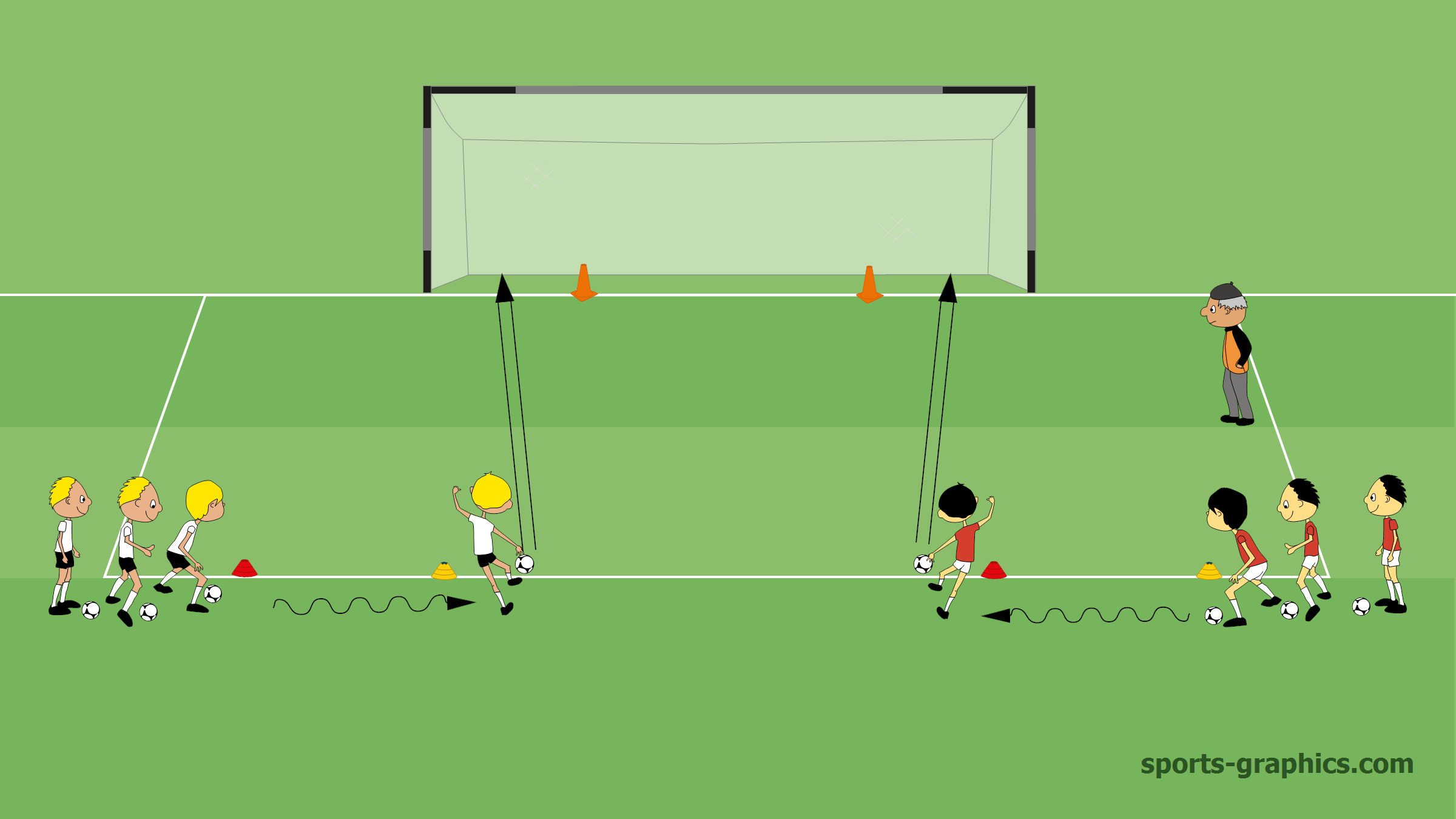
Effective communication and coordination are vital for successful defensive play. Drills specifically designed to develop these skills can enhance teamwork and situational awareness on the field.
Communication Drills
- Signal Drills:Players practice sending and receiving hand signals or verbal cues to adjust formations, coverages, or assignments.
- Role-Playing Drills:Players take on different defensive roles and communicate in real-time scenarios, simulating game situations.
- Huddle Drills:Players gather in a huddle to discuss defensive strategy, assignments, and communication plans.
Coordination Drills
- Pass Rush Drills:Defensive linemen and linebackers work together to generate pressure on the quarterback, requiring coordination in timing and movement.
- Coverage Drills:Defensive backs practice covering receivers in different formations, emphasizing communication and coordination in zone or man-to-man coverage.
- Tackling Drills:Players practice proper tackling techniques, emphasizing coordination and communication to bring down the ball carrier effectively.
Benefits of Communication and Coordination
- Improved situational awareness and understanding of defensive schemes.
- Enhanced teamwork and trust among defensive players.
- Increased efficiency in adjusting to offensive formations and plays.
- Reduced errors and miscommunications during game situations.
Communication Plan for Defensive Players
A well-defined communication plan Artikels the following:
- Verbal and non-verbal cues for communication.
- Responsibilities of each defensive player in different situations.
- Procedures for making adjustments and calling audibles.
Role of the Defensive Coordinator
The defensive coordinator plays a crucial role in:
- Establishing the communication plan and ensuring its implementation.
- Facilitating communication during practices and games.
- Evaluating and improving the team’s communication and coordination.
Table: Summary of Communication Drills
| Drill Type | Objectives |
|---|---|
| Signal Drills | Develop hand signal and verbal communication skills. |
| Role-Playing Drills | Simulate real-game scenarios and enhance communication in different defensive roles. |
| Pass Rush Drills | Improve coordination and timing in generating pressure on the quarterback. |
| Coverage Drills | Practice communication and coordination in zone and man-to-man coverage. |
| Tackling Drills | Emphasize coordination and communication in effective tackling techniques. |
“Communication and coordination are the lifeblood of a successful defense. It allows players to react quickly, make adjustments, and execute their assignments with precision.”- Defensive Coach
Resources for Further Learning
- Defensive Football Drills for Communication and Coordination
- Communication and Coordination Drills for Defense
- 12 Defensive Communication Drills for Any Level
Drills for Building Physicality and Aggression
Developing physicality and aggression is crucial for effective defense in football. Defensive players must be strong, fast, agile, and have sound tackling techniques to withstand offensive attacks. Drills that focus on building these attributes are essential for enhancing defensive performance.
Defence football drills are an essential part of preparing for the rigours of the game, much like defence against the dark arts is crucial for wizards in training. These drills teach players how to react to various offensive strategies and formations, just as wizards learn to counter dark spells and curses.
By practising these drills regularly, players can develop the skills and confidence needed to defend effectively on the field.
Strength Development Drills
- Weighted sled pulls:This drill improves lower body strength and power, which is vital for tackling and shedding blocks.
- Bench press:Builds upper body strength, essential for controlling ball carriers and maintaining pad level.
- Squats:Improves overall leg strength, explosiveness, and power, enhancing tackling ability and pursuit angles.
Speed and Agility Drills
- Sprint drills:Develops acceleration and top-end speed, crucial for pursuing ball carriers and closing gaps.
- Agility drills:Enhances quickness, footwork, and change of direction ability, essential for evading blockers and making plays.
- Cone drills:Improves coordination, balance, and reaction time, enhancing overall defensive agility.
Tackling Technique Drills
- Tackling dummies:Provides a realistic scenario for practicing proper tackling technique, including head placement, body position, and wrap-up.
- Partner tackling drills:Allows defenders to practice tackling live opponents, developing timing, leverage, and power.
- Shed blocking drills:Teaches defenders how to break free from blocks and pursue the ball carrier effectively.
Conditioning Drills
- Interval training:Alternating periods of high-intensity exercise with rest or low-intensity exercise, improves cardiovascular fitness and endurance, enabling defenders to maintain physicality throughout the game.
- Plyometrics:Explosive exercises that enhance power and athleticism, improving tackling ability and pursuit angles.
- Fartlek training:A form of interval training that involves varying the intensity and duration of exercise, enhancing overall physicality and conditioning.
Sample Training Plan
A comprehensive training plan for building physicality and aggression in defensive football players should include a combination of the drills mentioned above. The frequency, intensity, and duration of the drills should be adjusted based on the individual needs and fitness levels of the players.
For example, a weekly training plan might include:
- Monday:Strength development drills (e.g., weighted sled pulls, bench press, squats)
- Tuesday:Speed and agility drills (e.g., sprint drills, agility drills, cone drills)
- Wednesday:Rest or light recovery
- Thursday:Tackling technique drills (e.g., tackling dummies, partner tackling drills, shed blocking drills)
- Friday:Conditioning drills (e.g., interval training, plyometrics, fartlek training)
- Saturday:Game day or scrimmage
- Sunday:Rest or active recovery
– Drills for Game Situation Preparation
Preparing for specific game situations is crucial for defensive success. Drills that simulate these scenarios allow players to practice their decision-making and execution under pressure.
Red Zone Defense
Drills in this category simulate situations within the opponent’s 20-yard line. They focus on:
- Defending against short-yardage runs
- Preventing touchdowns in the red zone
- Pressuring the quarterback and forcing turnovers
Goal Line Stands
These drills replicate situations where the offense is trying to score from within the 5-yard line. They emphasize:
- Maintaining gap integrity and preventing penetration
- Tackling effectively in a confined space
- Communicating and coordinating with teammates
Third-Down Stops
Third-down drills simulate scenarios where the defense needs to prevent the offense from converting on third down. They involve:
- Pressuring the quarterback and disrupting passing lanes
- Covering receivers effectively and preventing big plays
- Making tackles to force a turnover on downs
“Game situation preparation drills are essential for building a successful defense. They allow players to develop the instincts and execution necessary to perform under pressure in critical moments.”
| Drill | Objective | Game Situation Simulated |
|---|---|---|
| Red Zone Defense | Defend short-yardage runs and prevent touchdowns | Within the opponent’s 20-yard line |
| Goal Line Stands | Prevent touchdowns from within the 5-yard line | Inside the opponent’s 5-yard line |
| Third-Down Stops | Force a turnover on downs on third down | Third-down situations |
- Specific Scenarios:
- Defending a run-pass option (RPO) in the red zone
- Stopping a quarterback sneak on the goal line
- Covering a tight end on a third-and-long play
- Drill Variations:
- Increase the number of offensive players to challenge the defense
- Limit the time available for the defense to react
- Introduce different formations and play calls to keep the defense guessing
Drills for Individual Player Development
Drills for individual player development are essential for enhancing the skills and techniques of defensive players. These drills focus on refining individual abilities, such as tackling, pass coverage, and pass rushing. By participating in these drills, players can improve their footwork, agility, and reaction time, leading to improved performance on the field.
Drills for Linemen
One-on-one blocking drills
These drills pit linemen against each other in one-on-one blocking scenarios, simulating real-game situations. They help linemen develop proper footwork, leverage, and hand placement techniques.
Sled drills
Sled drills involve pushing a weighted sled to improve strength, power, and acceleration. These drills are beneficial for linemen who need to generate force and move opposing players off the line of scrimmage.
Drills for Linebackers
Lateral movement drills
Lateral movement drills, such as cone drills and shuttle runs, enhance a linebacker’s agility and quickness. These drills help linebackers react quickly to lateral movements, such as running backs cutting or quarterbacks scrambling.
Tackling drills
Tackling drills focus on developing proper tackling technique, including form, leverage, and timing. These drills help linebackers execute effective tackles and prevent ball carriers from gaining yardage.
Drills for Defensive Backs
Backpedal drills
Backpedal drills improve defensive backs’ ability to move backward while maintaining balance and control. These drills help defensive backs stay in coverage and prevent receivers from getting behind them.
Intercept drills
Intercept drills involve throwing passes to defensive backs who must intercept the ball. These drills enhance defensive backs’ hand-eye coordination, reaction time, and ball-tracking skills.
Drills for Defensive Formations and Adjustments
Defensive formations are crucial for controlling the opponent’s offense and dictating the terms of engagement. Drills for defensive formations and adjustments help players understand the purpose and execution of each formation. These drills also simulate adjustments to offensive formations and plays, enabling players to respond effectively in real-game situations.
Formation Recognition and Execution
Drills for formation recognition and execution focus on developing players’ ability to identify offensive formations and align correctly in response. These drills involve setting up various offensive formations and having the defense practice aligning in the appropriate defensive formation. For example, a drill could involve the offense lining up in a spread formation, and the defense practicing aligning in a cover-2 zone defense.
Adjustments to Offensive Formations and Plays
Drills for adjustments to offensive formations and plays simulate the dynamic nature of football games. These drills involve setting up specific offensive formations and plays, and then having the defense practice making adjustments based on the formation or play. For example, a drill could involve the offense running a play-action pass, and the defense practicing adjusting from a base defense to a pass coverage defense.
Drills for Reading Offensive Plays
Defensive players must be able to read and anticipate offensive plays to be effective. This requires film study, understanding offensive tendencies, and practicing drills that test their ability to recognize formations, motions, and play calls.
Film Study
Film study is an essential part of preparing for an opponent. By watching game film, defensive players can learn the tendencies of the opposing offense, including their favorite formations, plays, and personnel groupings. This knowledge can help them make better decisions on the field and anticipate what the offense is going to do.
Understanding Offensive Tendencies
In addition to film study, defensive players must also have a good understanding of offensive tendencies. This includes knowing the strengths and weaknesses of the opposing offense, as well as the tendencies of the quarterback and other key players. By understanding what the offense is likely to do, defensive players can put themselves in a better position to make plays.
Drills for Reading Offensive Plays
There are a number of drills that can be used to test defensive players’ ability to read offensive plays. These drills typically involve the offense running a series of plays against the defense, while the defense tries to guess what play is coming.
The defense can then be evaluated on their ability to make the correct reads and adjust their coverage accordingly.One common drill for reading offensive plays is the “scout team” drill. In this drill, the scout team runs the plays of the opposing offense against the defense.
The defense must then try to guess what play is coming and adjust their coverage accordingly. This drill can be very effective for teaching defensive players how to read offensive tendencies and make the correct reads.Another common drill for reading offensive plays is the “cover 2” drill.
In this drill, the defense lines up in a cover 2 zone coverage. The offense then runs a series of plays against the defense, while the defense tries to stay in their zones and cover the receivers. This drill can be very effective for teaching defensive players how to read the quarterback’s eyes and adjust their coverage accordingly.
Drills for Pass Rush Techniques

Developing effective pass rush techniques is crucial for defensive linemen and linebackers to disrupt the opposing quarterback’s rhythm and generate pressure on the pocket. Pass rush drills are designed to enhance speed, power, and technique, simulating game-like scenarios that test players’ abilities.
Pass rush moves can be categorized into several types, each with its unique execution and effectiveness. Common pass rush moves include:
- Bull Rush:A straightforward and powerful move where the defender charges directly at the offensive lineman, using their strength and momentum to push them backward.
- Speed Rush:Utilizing quickness and agility, the defender attempts to beat the offensive lineman off the line of scrimmage and reach the quarterback before they can set up their pass.
- Swim Move:A deceptive move where the defender initially engages the offensive lineman with their outside arm, then quickly ducks under their arm to penetrate the pocket.
- Rip Move:Similar to the swim move, the defender engages the offensive lineman with their outside arm, but instead of ducking under, they pull the lineman’s arm up and over their head to create an opening.
- Spin Move:A flashy and athletic move where the defender spins around the offensive lineman, using their momentum to gain leverage and break free.
Drills for pass rush techniques vary in complexity and intensity. Some common drills include:
- 1-on-1 Pass Rush Drill:A fundamental drill that pairs a defender against an offensive lineman, focusing on individual technique and execution.
- Pass Rush Circuit Drill:A series of drills that simulate different pass rush scenarios, such as double-teams, cut blocks, and stunts.
- Live Pass Rush Drill:A drill that incorporates live blocking and tackling, testing defenders’ ability to apply their techniques in a game-like setting.
By incorporating these drills into their training regimen, defensive linemen and linebackers can develop the necessary skills to become effective pass rushers, disrupting opposing offenses and creating opportunities for turnovers and sacks.
Drills for Blitz Packages
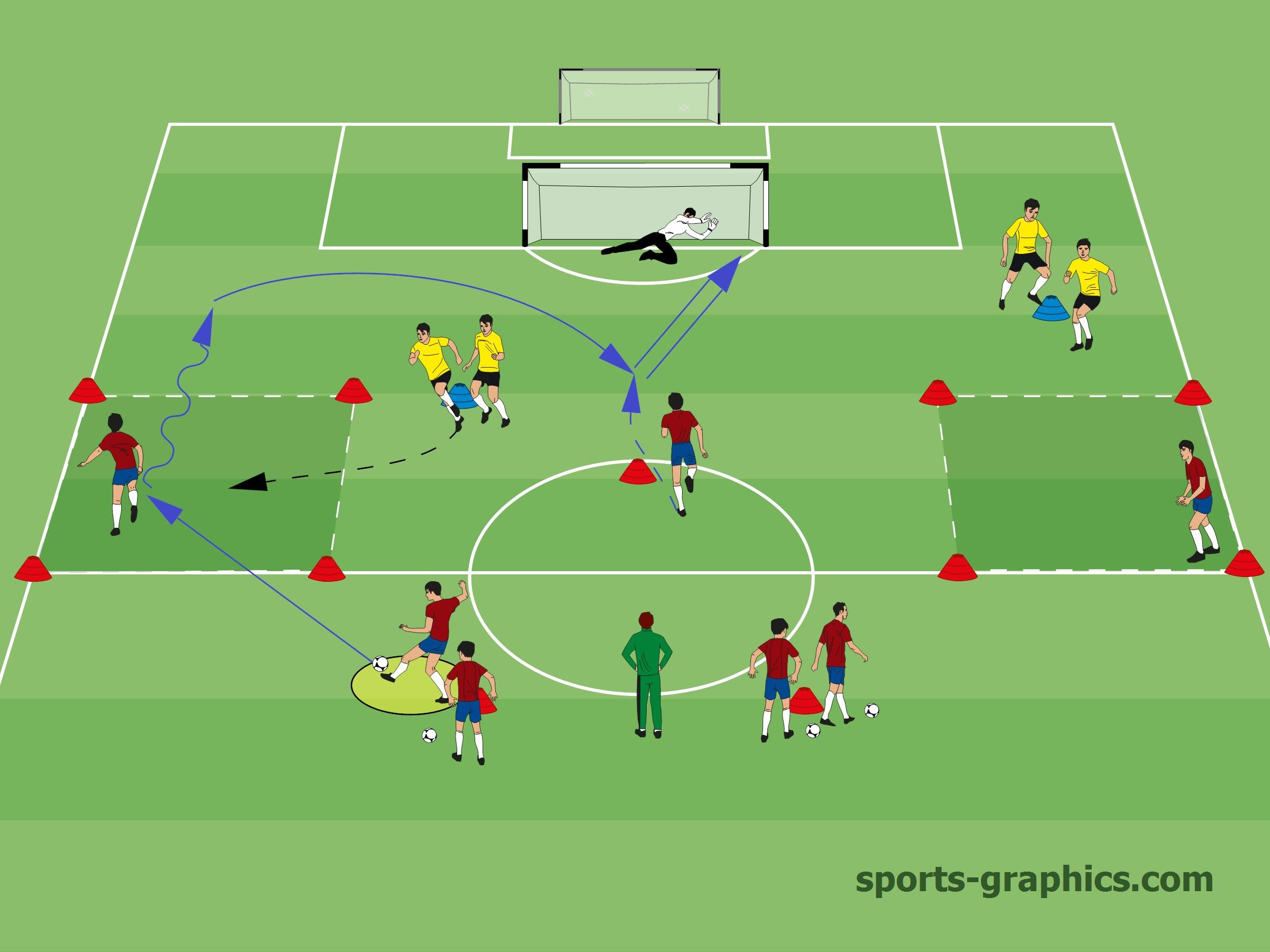
Blitzing is an aggressive defensive strategy that involves sending extra players to rush the quarterback. Blitz packages are designed to create pressure on the quarterback and disrupt the offense’s timing and rhythm. There are many different types of blitzes, each with its own purpose and execution.
Types of Blitzes
Blitzes can be classified into three main types:* Standard Blitzes:These are the most common type of blitzes and involve sending four or five players to rush the quarterback. Standard blitzes include the Fire Zone Blitz, Safety Blitz, and Corner Blitz.
Exotic Blitzes
These are less common blitzes that involve sending six or more players to rush the quarterback. Exotic blitzes include the Zero Blitz, Bear Blitz, and Dog Blitz.
Hybrid Blitzes
These are blitzes that combine elements of both standard and exotic blitzes. Hybrid blitzes include the Cover 0 Blitz, Cover 1 Blitz, and Cover 2 Blitz.
Strengths and Weaknesses of Blitzes
Each type of blitz has its own strengths and weaknesses. Standard blitzes are relatively easy to execute and can be effective in creating pressure on the quarterback. However, they can also be vulnerable to the run game. Exotic blitzes can be very effective in creating pressure on the quarterback, but they can also be risky if they are not executed properly.
Hybrid blitzes offer a balance of risk and reward, and they can be effective in a variety of situations.
Defence football drills are an essential component of any team’s training regimen. They help players develop the skills and techniques necessary to execute their defensive responsibilities effectively. While the concept of “defence” in football is closely related to the constitutional mandate to “provide for the common defence” as outlined in the US Constitution , the focus of defence football drills remains on the specific tactics and strategies employed on the field to prevent the opposing team from scoring.
Disguising Blitzes
One of the most important aspects of blitzing is disguising the blitz. This means making the offense believe that you are not blitzing, even though you are. There are a number of ways to disguise a blitz, such as:* Shifting players before the snap
- Using pre-snap motion
- Showing a different coverage than the one you are actually playing
Drills for Blitz Packages
There are a number of drills that can be used to practice blitz packages. These drills can help players learn the timing, coordination, and communication necessary to execute blitzes effectively.| Drill Name | Purpose | Execution | Variations ||—|—|—|—|| Zone Blitz Drill | To practice the timing and coordination of a zone blitz | The defense lines up in a zone coverage.
The quarterback throws a pass to a receiver in the zone. The blitzing players must cover the receiver and prevent him from catching the pass. | The drill can be varied by changing the number of blitzing players, the type of coverage, and the location of the receiver.
|| Safety Blitz Drill | To practice the timing and coordination of a safety blitz | The defense lines up in a man coverage. The quarterback throws a pass to a receiver. The safety blitzes the quarterback and tries to sack him.
| The drill can be varied by changing the number of blitzing players, the type of coverage, and the location of the receiver. || Corner Blitz Drill | To practice the timing and coordination of a corner blitz | The defense lines up in a man coverage.
The quarterback throws a pass to a receiver. The corner blitz the quarterback and tries to sack him. | The drill can be varied by changing the number of blitzing players, the type of coverage, and the location of the receiver.
|
Drills for Run Defense Techniques

Run defense is a crucial aspect of football, and developing effective techniques is essential for defensive success. This section focuses on drills that enhance run defense skills for defensive linemen, linebackers, and defensive backs.
Run defense schemes vary depending on the team’s philosophy and personnel. Common schemes include:
- One-gap scheme:Defensive linemen attack the gaps directly in front of them, aiming to disrupt the ball carrier or create penetration.
- Two-gap scheme:Defensive linemen control two gaps, forcing the ball carrier to choose a path. This scheme requires linemen with size and strength.
- Zone scheme:Defensive players are assigned to specific areas (zones) and react to the ball carrier’s movement. This scheme emphasizes communication and quick reaction time.
Drills for Defensive Linemen
- Gap Penetration Drill:Linemen line up in a three-point stance and explode through a gap to tackle a running back.
- Double Team Drill:Two linemen work together to block a double team from an offensive lineman and tackle the ball carrier.
- Shed Block Drill:Linemen practice shedding blocks from offensive linemen to get to the ball carrier.
Drills for Linebackers
- Tackling Drill:Linebackers practice tackling ball carriers in various situations, including head-on, lateral, and pursuit.
- Gap Control Drill:Linebackers learn to control gaps and fill running lanes, preventing the ball carrier from gaining yards.
- Pursuit Drill:Linebackers practice pursuing the ball carrier from different angles and maintaining good tackling form.
Drills for Defensive Backs
- Open Field Tackling Drill:Defensive backs practice tackling ball carriers in open space, emphasizing proper form and ball security.
- Run Support Drill:Defensive backs learn to support the run defense by filling running lanes and tackling ball carriers.
- Zone Coverage Drill:Defensive backs practice dropping into coverage and reading the quarterback’s intentions to prevent completions.
Drills for Special Teams Defense
Special teams defense is a crucial aspect of football, as it involves preventing the opposing team from scoring points on special teams plays such as punts, kickoffs, and field goals. To prepare players for these situations, specific drills are designed to enhance their techniques, responsibilities, and overall performance.
Punt Coverage
Punt coverage drills focus on developing players’ ability to block punts and tackle the returner effectively. These drills typically involve a simulated punting situation, where players practice their blocking assignments, containment techniques, and tackling skills. Players are taught to maintain proper alignment, react quickly to the snap, and execute their roles efficiently to prevent the returner from advancing the ball.
Kickoff Coverage
Kickoff coverage drills aim to minimize the opposing team’s return yardage and potentially recover the ball. Players practice their responsibilities as either the kick coverage team or the return team. The kick coverage team drills involve practicing their blocking techniques, maintaining proper spacing, and tackling the returner.
Return team drills focus on fielding the ball securely, breaking tackles, and advancing the ball up the field.
Field Goal Block
Field goal block drills simulate the scenarios where players attempt to block the opposing team’s field goal attempt. These drills involve the defensive line practicing their pass rush techniques, timing, and communication to penetrate the offensive line and reach the kicker.
Players are taught to identify the snap count, execute their blocking assignments, and disrupt the kicker’s operation.
Drills for Mental Toughness and Discipline
Mental toughness and discipline are crucial for defensive players in football. Players must be able to stay focused, control their emotions, and execute under pressure. Drills that build these qualities can help players improve their performance on the field.Drills that simulate pressure situations can help players learn to stay calm and execute under pressure.
For example, a drill where players are required to make tackles while being hit by blocking dummies can help them learn to focus on the task at hand and not get distracted by the physicality of the game.Drills that encourage players to challenge themselves can help them develop a growth mindset.
For example, a drill where players are required to tackle a ball carrier who is significantly larger than them can help them learn to overcome adversity and believe in their ability to succeed.Drills that involve visualization, meditation, and other techniques can help players improve their mental focus and concentration.
For example, a drill where players are required to visualize themselves making a big play can help them develop the confidence and focus needed to execute under pressure.Positive reinforcement and feedback can help players develop mental toughness and discipline. Coaches should praise players for their effort and progress, and help them to learn from their mistakes.Drills for mental toughness and discipline should be incorporated into a comprehensive training program for defensive players.
These drills can help players develop the mental skills they need to succeed on the field.
Drills that Simulate Pressure Situations
Pressure Cooker Drill
Players line up in a single file and face a series of obstacles, such as blocking dummies, cones, and hurdles. They must navigate through the obstacles while being hit by coaches or teammates. This drill helps players to stay focused and execute under pressure.
Tackling Under Fire Drill
Players pair up and take turns tackling each other while being hit by blocking dummies. This drill helps players to learn to focus on the task at hand and not get distracted by the physicality of the game.
Drills that Encourage Players to Challenge Themselves
Giant Killer Drill
Players are paired up with a larger opponent and must tackle them to the ground. This drill helps players to learn to overcome adversity and believe in their ability to succeed.
Hill Sprints
Players run sprints up a hill. This drill helps players to develop the physical and mental toughness needed to succeed in football.
Drills that Involve Visualization, Meditation, and Other Techniques
Visualization Drill
Players close their eyes and visualize themselves making a big play in a game. This drill helps players to develop the confidence and focus needed to execute under pressure.
Meditation Drill
Players sit in a quiet place and focus on their breathing. This drill helps players to improve their mental focus and concentration.
Drills for Defensive Play Calling and Adjustments

Defensive play calling and adjustments are crucial for a successful defense. These drills aim to improve players’ understanding of defensive schemes and their ability to make quick adjustments based on game situations.The defensive coordinator plays a vital role in making adjustments and communicating them to players.
They analyze the opposing offense’s tendencies and make adjustments to the defensive scheme to counter their plays.
Drills for In-Game Decision-Making
* Situation Drill:Players are presented with different game situations, such as third down or goal line defense, and must make the appropriate play call.
Adjustment Drill
Players practice making adjustments to the defensive scheme based on the opposing offense’s formation or personnel.
Drills for Specific Situations
* Third Down Defense Drill:Players practice defending against third-down plays, focusing on pressure packages and coverage schemes.
Goal Line Defense Drill
Players practice stopping the offense from scoring near the goal line, using various techniques to create a strong goal line stand.
Drills for Defensive Coaching and Evaluation
Effective coaching and communication are crucial for improving defensive performance. Drills provide opportunities for coaches to evaluate players’ technique, decision-making, and overall performance, offering valuable feedback to enhance their skills.
Drills for Technique Evaluation
- Individual Technique Drills:Focus on specific techniques, such as tackling, pass rushing, and coverage skills, allowing coaches to assess players’ form and execution.
- Scrimmage Drills:Simulate game-like situations, providing coaches with a broader view of players’ technique in a competitive environment.
Drills for Decision-Making Evaluation, Defence football drills
- Read and React Drills:Test players’ ability to recognize offensive formations and make appropriate adjustments, developing their football IQ.
- Situation Drills:Present players with various game scenarios, requiring them to make quick decisions and execute plays effectively.
Drills for Overall Performance Evaluation
- Team Scrimmages:Full-scale scrimmages allow coaches to evaluate players’ performance in a competitive setting, assessing their teamwork, communication, and overall execution.
- Game Film Review:After games or scrimmages, coaches can use video analysis to identify areas for improvement and provide constructive feedback to players.
Technology in Defensive Coaching and Evaluation
- Video Analysis:Coaches can use video to analyze players’ technique, decision-making, and overall performance, providing specific feedback and areas for improvement.
- GPS Tracking:GPS devices can track players’ movement and provide data on their speed, acceleration, and distance covered, aiding in assessing their physical performance.
Best Practices for Defensive Coaching and Evaluation
- Provide Clear and Concise Feedback:Coaches should communicate feedback in a way that is easily understood by players, focusing on specific areas for improvement.
- Motivate and Encourage Players:Create a positive and supportive environment where players feel comfortable asking questions and seeking feedback.
- Use a Variety of Drills:Incorporate a range of drills to assess different aspects of defensive performance, keeping players engaged and challenged.
Sample Defensive Practice Drill Plan
Warm-up:
- Dynamic stretching
- Agility drills
- Individual technique drills
Drills:
- Read and react drills
- Pass rush drills
- Coverage drills
- Team scrimmage
Cool-down:
- Static stretching
- Hydration
- Review and feedback
Clarifying Questions: Defence Football Drills
What are the key benefits of defence football drills?
Defence football drills provide numerous benefits, including improved tackling and pass coverage techniques, enhanced team coordination and communication, increased physicality and aggression, better preparation for game situations, and improved decision-making skills.
How often should defence football drills be conducted?
The frequency of defence football drills will vary depending on the team’s schedule and goals. However, it is generally recommended to incorporate these drills into practice sessions at least twice per week to ensure consistent improvement and skill development.
Can defence football drills be adapted for players of different skill levels?
Yes, defence football drills can be adapted to suit players of varying skill levels. By adjusting the complexity and intensity of the drills, coaches can ensure that all players are challenged and able to develop their skills effectively.

Emma Nehls is a military writer and historian with a passion for exploring the intricacies of warfare and the human experience within the military. With extensive knowledge and a deep understanding of military strategy, tactics, and historical contexts, Nehls brings a unique perspective to his writings.
