Self defence cane – The self-defense cane, an unassuming yet formidable tool, has emerged as a valuable means of personal protection. Its versatility, effectiveness, and legal accessibility make it an ideal choice for individuals seeking to enhance their safety without resorting to lethal force.
In this comprehensive guide, we delve into the world of self-defense canes, exploring their benefits, techniques, legal implications, and ethical considerations.
As we embark on this journey, we will uncover the advantages of using a self-defense cane over other weapons, examining statistics and testimonials that attest to its efficacy. We will dissect the fundamental techniques employed in self-defense cane usage, categorizing them and providing step-by-step instructions accompanied by illustrative images and videos.
Self-Defense Cane Basics
A self-defense cane is a walking stick specifically designed for self-defense purposes. It typically features a sturdy shaft made of wood, metal, or composite materials, and may incorporate additional features such as a concealed blade, pepper spray dispenser, or flashlight.
The legal implications of carrying a self-defense cane vary depending on jurisdiction. In some areas, they are considered legal to carry as a mobility aid, while in others they may be classified as a weapon and subject to restrictions or prohibitions.
Types of Self-Defense Canes
There are various types of self-defense canes available, each with its own unique features and advantages:
- Traditional Canes:These are typically made of wood or metal and have a simple, straightforward design. They provide a solid foundation for support and can be used to block, strike, or parry attacks.
- Tactical Canes:Designed for law enforcement and military personnel, these canes are often made of lightweight, durable materials and incorporate additional features such as expandable batons, concealed blades, or stun guns.
- Concealed Canes:These canes are designed to resemble ordinary walking sticks but incorporate a hidden compartment or mechanism that allows for the deployment of a concealed weapon, such as a blade or pepper spray.
- Cane-Guns:These are specialized canes that incorporate a firearm, typically a small-caliber pistol, into the shaft or handle. They are highly regulated and require special permits or licenses to carry.
Benefits of Using a Self-Defense Cane
Self-defense canes provide several advantages over other weapons, making them a popular choice for personal protection. Their unique design and versatility offer distinct benefits that enhance self-defense capabilities.
Enhanced Reach and Striking Power
- Canes extend the user’s reach, allowing them to strike attackers from a distance, keeping them out of harm’s way.
- The rigid structure of canes provides increased striking power, making them effective for deterring and incapacitating attackers.
Concealability and Legal Accessibility
- Self-defense canes are often disguised as ordinary walking aids, making them easy to conceal and carry in public without attracting undue attention.
- In many jurisdictions, canes are considered less threatening than other weapons, making them more legally accessible.
Versatility and Multiple Uses
- Canes can be used for various self-defense techniques, including blocking, striking, and disarming opponents.
- They can also serve as mobility aids, providing support and balance for individuals with physical limitations.
Improved Confidence and Deterrence
- Carrying a self-defense cane can boost confidence and provide a sense of security, especially for vulnerable individuals.
- The mere presence of a cane can deter potential attackers, reducing the likelihood of being targeted.
Techniques for Using a Self-Defense Cane

A self-defense cane can be used in a variety of ways to block, strike, and grapple an attacker. The effectiveness of a technique depends on the skill of the user, the situation, and the type of cane being used.
The self-defence cane, with its sturdy construction and compact size, has emerged as a formidable tool for personal protection. Its effectiveness lies in its ability to inflict significant damage, despite its relatively small dimensions. However, as which best expresses the law of diminishing marginal utility , the impact of the self-defence cane diminishes with each successive blow, as the attacker becomes more accustomed to its force and learns to anticipate its trajectory.
Techniques can be categorized into three main groups:
- Blocking techniques are used to deflect or stop an attacker’s blows.
- Striking techniques are used to deliver blows to an attacker’s vital areas.
- Grappling techniques are used to control an attacker and take them to the ground.
Blocking Techniques
Blocking techniques are used to protect the user from an attacker’s blows. The most common blocking techniques are:
- Outside block:The cane is held in front of the body with the tip pointing away from the attacker. The cane is used to block the attacker’s blows by moving it in a circular motion.
- Inside block:The cane is held in front of the body with the tip pointing towards the attacker. The cane is used to block the attacker’s blows by moving it in a clockwise or counterclockwise motion.
- Cross block:The cane is held in front of the body with the tip pointing diagonally across the body. The cane is used to block the attacker’s blows by moving it in a diagonal motion.
Striking Techniques
Striking techniques are used to deliver blows to an attacker’s vital areas. The most common striking techniques are:
- Jab:The cane is held in front of the body with the tip pointing towards the attacker. The cane is used to deliver a quick, straight punch to the attacker’s face or body.
- Cross:The cane is held in front of the body with the tip pointing diagonally across the body. The cane is used to deliver a powerful, swinging blow to the attacker’s head or body.
- Hook:The cane is held in front of the body with the tip pointing towards the attacker’s side. The cane is used to deliver a powerful, hooking blow to the attacker’s head or body.
Grappling Techniques
Grappling techniques are used to control an attacker and take them to the ground. The most common grappling techniques are:
- Cane grab:The cane is used to grab the attacker’s arm or leg. The cane is then used to control the attacker and take them to the ground.
- Cane lock:The cane is used to lock the attacker’s arm or leg. The cane is then used to control the attacker and take them to the ground.
- Cane sweep:The cane is used to sweep the attacker’s legs out from under them. The cane is then used to control the attacker and take them to the ground.
Effectiveness and Difficulty of Techniques
The effectiveness of a self-defense cane technique depends on the skill of the user, the situation, and the type of cane being used. Some techniques are more effective than others, and some techniques are more difficult to learn than others.
The following table compares the effectiveness and difficulty of the most common self-defense cane techniques:
| Technique | Effectiveness | Difficulty |
|---|---|---|
| Outside block | Good | Easy |
| Inside block | Good | Easy |
| Cross block | Good | Moderate |
| Jab | Good | Easy |
| Cross | Very good | Moderate |
| Hook | Very good | Difficult |
| Cane grab | Good | Moderate |
| Cane lock | Very good | Difficult |
| Cane sweep | Very good | Difficult |
Tips for Practicing and Mastering Techniques
The best way to learn and master self-defense cane techniques is to practice regularly. Here are a few tips for practicing:
- Find a qualified instructor who can teach you the proper techniques.
- Practice in a safe environment with a partner.
- Start with the basic techniques and gradually work your way up to more advanced techniques.
- Be patient and don’t get discouraged. It takes time and practice to master self-defense cane techniques.
Legal Implications of Using a Self-Defense Cane
The legal implications of using a self-defense cane vary from state to state. In some states, self-defense canes are legal to carry and use. In other states, self-defense canes are considered weapons and may be illegal to carry or use.
It is important to check the laws in your state before carrying or using a self-defense cane.
Training and Practice

Training and practice are crucial for effectively using a self-defense cane. Regular practice enhances muscle memory, coordination, and reflexes, enabling individuals to respond swiftly and efficiently in self-defense situations. A structured training program can provide a foundation for developing proficiency with the cane.
Beginner’s Training Program
Beginners should start with basic techniques and gradually progress to more advanced maneuvers. A structured program might include:
Stance and Grip
Proper stance and grip provide stability and control. Practice standing with feet shoulder-width apart, knees slightly bent, and the cane held in a dominant hand with a firm grip.
Striking Techniques
Learn basic striking techniques such as forward thrusts, side strikes, and overhead swings. Focus on accuracy, power, and control.
Blocking Techniques
Blocking techniques protect against incoming attacks. Practice blocking with the cane from different angles and positions.
Cane Manipulation
Develop proficiency in manipulating the cane, including spinning, twirling, and disarming techniques.
Practice Tips
Use a Training Partner
Practicing with a partner allows for realistic simulations and feedback.
Start Slowly and Gradually Increase Intensity
Begin with slow, controlled movements and gradually increase speed and power.
Focus on Form and Technique
Emphasize proper form and technique to maximize effectiveness and minimize risk of injury.
Stay Hydrated and Take Breaks
Training can be physically demanding, so stay hydrated and take breaks as needed.
Seek Professional Instruction
Consider seeking guidance from a qualified self-defense instructor for personalized training and safety precautions.
Factors to Consider When Choosing a Self-Defense Cane
Selecting a self-defense cane requires careful consideration of various factors to ensure it aligns with your specific needs and use case.
Key factors to consider include the material, length, style, and intended purpose.
Material
- Wood:Traditional and durable, with options like oak, hickory, and rattan.
- Metal:Strong and sturdy, but heavier than wood.
- Aluminum:Lightweight and corrosion-resistant, but may not be as durable as wood or metal.
- Composite:Combines materials for strength, durability, and lightweight.
Length
- Short (24-30 inches):Compact and easy to conceal, suitable for close-range encounters.
- Medium (36-42 inches):Provides greater reach and versatility, suitable for both close and medium-range.
- Long (48-54 inches):Maximum reach and leverage, but less concealable and maneuverable.
Style
- Straight:Classic design, versatile for various techniques.
- Crooked:Angled handle allows for better wrist articulation and grappling techniques.
- Offset:Handle is positioned off-center, providing additional leverage and power.
Intended Purpose
- Primary Self-Defense:Choose a cane specifically designed for self-defense, with a sturdy material and appropriate length.
- Walking Aid:Select a cane that also serves as a walking aid, ensuring it is comfortable to use and provides support.
- Fashion Accessory:Opt for a cane that complements your style and can be used for both self-defense and fashion.
Concealing a Self-Defense Cane
Concealing a self-defense cane in public is essential for maintaining discretion and avoiding detection. Several methods can be employed to effectively conceal a cane, ensuring its availability for self-defense when needed.
Choosing the Right Cane for Concealment
Selecting a cane suitable for concealment involves considering its size, material, and appearance. Smaller canes are easier to conceal, while thicker canes provide greater striking power. Materials like aluminum or carbon fiber offer both durability and lightweight concealment. Opting for canes with neutral colors and inconspicuous designs further aids in maintaining discretion.
Selecting Appropriate Clothing and Accessories
Appropriate clothing and accessories play a crucial role in concealing a self-defense cane. Loose-fitting clothing allows for discreet carrying, while jackets or coats with deep pockets provide ample storage space. Accessories like scarves or umbrellas can also be utilized to obscure the cane’s presence.
Developing Strategies for Carrying the Cane in a Discreet Manner
Carrying a self-defense cane discreetly requires strategic placement and handling. Avoid holding the cane in plain sight or swinging it excessively. Instead, carry it vertically along the body or conceal it within clothing. When walking, hold the cane naturally, ensuring it does not protrude or attract attention.
Identifying and Addressing Potential Detection Risks
Anticipating and mitigating potential detection risks is crucial for successful concealment. Avoid carrying the cane in areas with high security or surveillance. Be aware of potential onlookers who may notice the cane’s presence. If detection becomes imminent, remain calm and act confidently, explaining the cane’s use as a mobility aid if necessary.
Legal Considerations
Carrying and using a self-defense cane raises legal implications that vary across jurisdictions. Understanding the legal framework is crucial to avoid potential legal troubles.
United States
Federal and state laws govern the use of self-defense canes. Generally, using a cane for self-defense is legal if:
- There is an imminent threat of serious bodily harm
- The individual reasonably believes the cane is necessary to prevent harm
- The force used is proportional to the threat
Some states have specific laws regulating self-defense canes, such as requiring a permit or prohibiting their use in certain public places.
United Kingdom
In the UK, carrying a self-defense cane is generally legal. However, using it to inflict harm can lead to charges of assault or grievous bodily harm. The use of force must be reasonable and proportionate to the threat faced.
Canada
In Canada, carrying a self-defense cane is legal as long as it is not used in an aggressive or threatening manner. Using a cane for self-defense is justified only when there is a reasonable belief of imminent danger and the force used is necessary and proportionate.
Australia
The legality of self-defense canes in Australia varies by state. In general, carrying a cane for self-defense is legal, but using it to cause harm can lead to charges of assault or grievous bodily harm. The use of force must be reasonable and proportionate to the threat.
Avoiding Legal Trouble
To avoid legal issues when carrying or using a self-defense cane, it is essential to:
- Familiarize yourself with local laws and regulations
- Carry the cane concealed to avoid attracting attention
- Avoid brandishing or threatening with the cane
- Report any incidents of self-defense to law enforcement immediately
Alternatives to Self-Defense Canes
Self-defense canes are effective weapons, but they can be conspicuous or prohibited in certain situations. Therefore, it is essential to consider alternative self-defense weapons that are less conspicuous or offer different advantages.Various alternatives to self-defense canes exist, each with unique characteristics and legal implications.
Exploring these alternatives allows individuals to choose the most suitable option based on their needs, preferences, and legal constraints.
Pepper Spray
Pepper spray is a non-lethal self-defense weapon that releases a potent chemical irritant known as capsaicin. When sprayed into an attacker’s eyes, it causes intense pain, coughing, and temporary blindness, incapacitating them. Pepper spray is compact, easy to carry, and can be used effectively at close range.
However, its effectiveness may be limited in windy conditions or if the attacker is wearing protective eyewear. Additionally, pepper spray is illegal in some jurisdictions and requires proper training to use safely and effectively.
Stun Guns
Stun guns deliver a powerful electric shock that temporarily incapacitates an attacker. They are more effective than pepper spray at close range and can penetrate thin clothing. However, stun guns require direct contact with the attacker, which can be difficult in certain situations.
They are also illegal in some jurisdictions and require proper training to use safely and effectively.
Kubatons, Self defence cane
Kubatons are small, keychain-sized self-defense weapons made of durable materials such as metal or plastic. They are designed to be held in the palm and used for striking or jabbing. Kubatons are less conspicuous than self-defense canes and can be carried discreetly.
Self defence canes, a popular choice for personal protection, are often made of durable materials like wood or metal. They are typically used to strike or block attacks, providing a physical deterrent against potential threats. However, understanding the broader context of defence spending is crucial for assessing the significance of self defence canes.
The US defence budget , for instance, reflects the nation’s commitment to national security and military capabilities. By considering both self defence canes and the overall defence budget, we gain a comprehensive perspective on the measures taken to ensure public safety and national security.
However, they require training and skill to use effectively and may not be as effective against larger or more aggressive attackers.
Myths and Misconceptions: Self Defence Cane
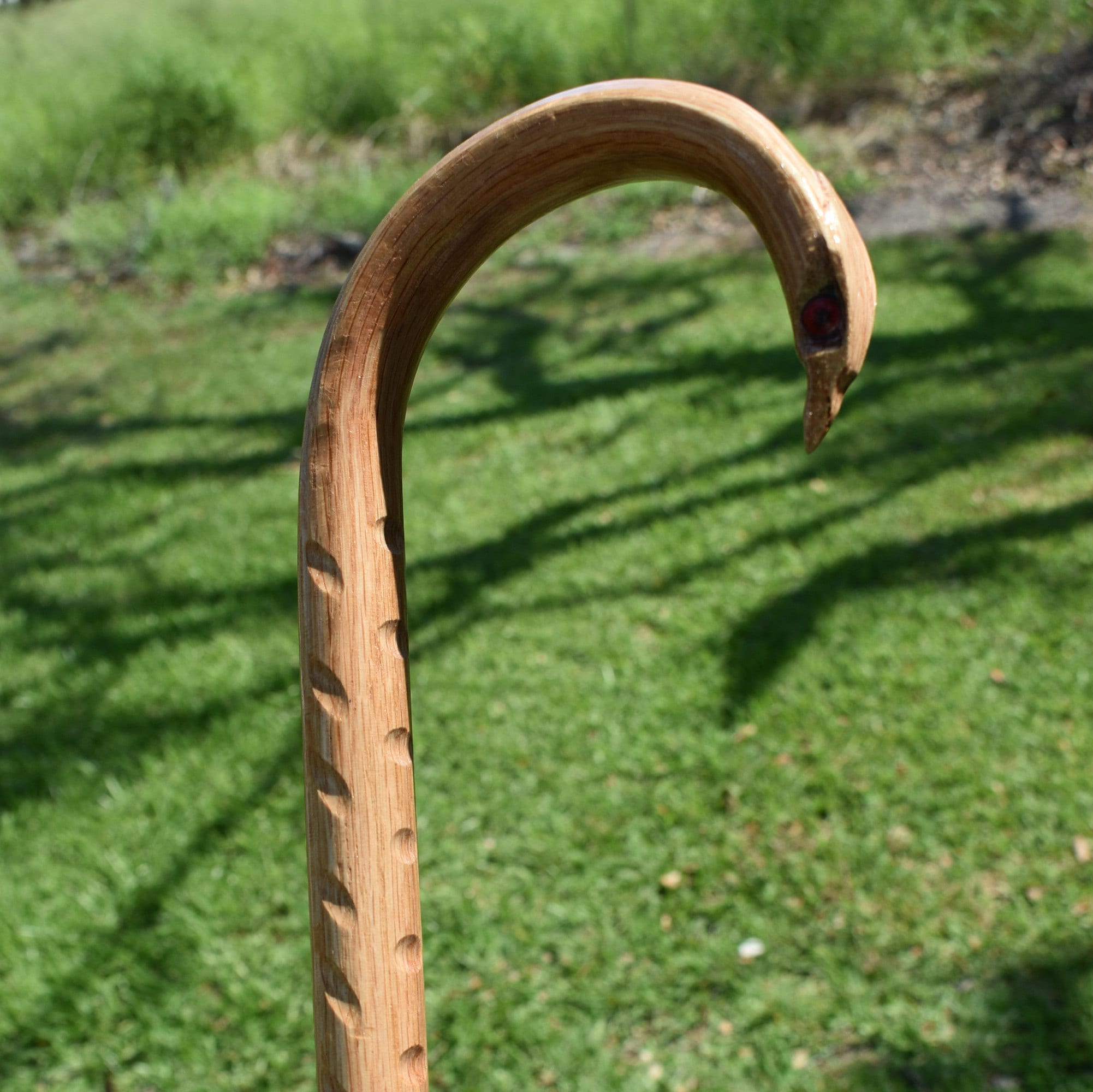
Self-defense canes have been subject to various misconceptions and myths that can deter individuals from considering them as a viable self-defense tool. Addressing these misconceptions is crucial to provide a comprehensive understanding of the effectiveness and legality of using self-defense canes.
One common misconception is that self-defense canes are illegal. However, this is not true in most jurisdictions. Self-defense canes are legal to carry and use in many countries, including the United States, provided they meet specific requirements. These requirements typically involve the length, material, and design of the cane.
Another misconception is that self-defense canes are ineffective. This is simply not true. In fact, self-defense canes can be a highly effective tool for self-defense when used properly. Canes provide leverage, allowing individuals to generate more force and impact with their strikes.
Additionally, canes can be used to block and parry attacks, creating distance between the user and the attacker.
Finally, some people believe that self-defense canes are dangerous. While it is true that any weapon can be dangerous if used improperly, self-defense canes are not inherently more dangerous than other self-defense tools. When used correctly, self-defense canes can be a safe and effective way to protect oneself.
Legality
As mentioned earlier, the legality of self-defense canes varies depending on the jurisdiction. In the United States, federal law does not prohibit the possession or use of self-defense canes. However, some states and localities have their own laws regarding the use of canes for self-defense.
It is important to check the local laws to ensure that carrying and using a self-defense cane is legal in your area.
Effectiveness
There is ample evidence to support the effectiveness of self-defense canes. Studies have shown that canes can be used to generate significant force and impact, making them a viable weapon for self-defense. Additionally, canes can be used to block and parry attacks, creating distance between the user and the attacker.
In many cases, the mere presence of a self-defense cane can deter an attacker from initiating an assault.
Safety
Self-defense canes are not inherently dangerous. However, it is important to use them properly to avoid injury. It is recommended to receive training from a qualified instructor to learn how to use a self-defense cane safely and effectively.
Ethical Considerations
The use of a self-defense cane raises ethical concerns regarding the potential for misuse or excessive force. It is crucial to consider the ethical implications and establish guidelines for responsible use.
The primary ethical concern is the potential for misuse or excessive force. A self-defense cane can be a powerful weapon, and it is important to use it only in situations where it is necessary and proportionate to the threat. It is unethical to use a self-defense cane for aggressive or offensive purposes.
Guidelines for Responsible Use
- Only use a self-defense cane in situations where you are in imminent danger of being harmed.
- Use the minimum amount of force necessary to protect yourself.
- Do not use a self-defense cane to inflict unnecessary pain or injury.
- Be aware of your surroundings and avoid situations where you may need to use a self-defense cane.
- Train regularly with a self-defense cane so that you can use it effectively and safely.
| Ethical Consideration | Guideline |
|---|---|
| Potential for misuse or excessive force | Only use a self-defense cane in situations where you are in imminent danger of being harmed. |
| Use of minimum force necessary | Use the minimum amount of force necessary to protect yourself. |
| Avoid unnecessary pain or injury | Do not use a self-defense cane to inflict unnecessary pain or injury. |
| Situational awareness | Be aware of your surroundings and avoid situations where you may need to use a self-defense cane. |
| Training and practice | Train regularly with a self-defense cane so that you can use it effectively and safely. |
11. Real-Life Scenarios
Self-defense canes have been used effectively in various real-life situations. These scenarios demonstrate the potential of self-defense canes in deterring or neutralizing threats.
One notable incident occurred in 2019, when a 72-year-old woman in New York City used her self-defense cane to fend off an attacker who attempted to grab her purse. The attacker was successfully deterred, and the woman was unharmed.
Analysis
The successful use of the self-defense cane in this scenario can be attributed to several factors:
- Physical deterrence:The presence of the cane served as a visual deterrent, making the attacker less likely to approach the woman.
- Swift response:The woman was able to react quickly and effectively, using the cane to block the attacker’s attempt to grab her purse.
- Psychological impact:The attacker may have been surprised or intimidated by the woman’s use of the cane, leading to their decision to retreat.
Training Resources
Seeking proper training is crucial to effectively utilizing a self-defense cane. Reputable organizations and instructors provide comprehensive programs tailored to various skill levels and needs.
Listed below are reputable resources offering self-defense cane training, along with their contact information, websites, and reviews:
National Cane Fighting Association (NCFA)
- Website: https://www.canemasters.com
- Contact: [email protected]
- Reviews: NCFA is highly regarded for its comprehensive training programs and certified instructors.
Cane Masters International (CMI)
- Website: https://www.canemastersintl.com
- Contact: [email protected]
- Reviews: CMI offers a wide range of training options, including online courses and workshops.
Self-Defense Cane Institute (SDCI)
- Website: https://www.selfdefensecaneinstitute.com
- Contact: [email protected]
- Reviews: SDCI focuses on practical self-defense techniques and situational awareness.
The benefits of enrolling in a formal training program include:
- Learning proper techniques and safety protocols.
- Gaining confidence and developing situational awareness.
- Connecting with a community of like-minded individuals.
However, it’s important to consider the drawbacks as well:
- Training programs can be expensive.
- Finding a reputable instructor in your area may be challenging.
- Training requires time and dedication.
Ultimately, the decision of whether to enroll in a training program depends on your individual needs, goals, and resources.
Accessories for Self-Defense Canes
Benefits and Drawbacks of Accessories
Accessories for self-defense canes can enhance their functionality, comfort, and durability. However, it’s essential to consider factors such as comfort, durability, and practicality when selecting accessories. Comfort:Accessories should provide additional comfort and support while using the cane. Ergonomic grips, padded handles, and wrist straps can improve grip and reduce fatigue during prolonged use.
Durability:Accessories should be made of durable materials to withstand the rigors of self-defense situations. Metal or reinforced polymer sheaths can protect the cane from damage, while reinforced tips can provide better traction and stability on various surfaces. Practicality:Accessories should be practical and easy to use.
Quick-release mechanisms for sheaths and adjustable straps ensure easy access to the cane in an emergency. Flashlights or whistles can provide additional safety features in low-light conditions or to signal for help.
Advanced Techniques
Introduction:Advanced self-defense techniques with a cane enhance the practitioner’s ability to defend themselves against various threats. These techniques involve complex maneuvers, disarming strategies, and escapes from dangerous holds. Disarming an Attacker:
Cane Strike
Using a sharp, downward strike with the cane’s tip, aim for the attacker’s weapon-holding hand or forearm.
Cane Sweep
Sweep the cane across the attacker’s legs to unbalance them and create an opening for disarming.
Cane Leverage
Hook the cane around the attacker’s weapon and apply pressure to disarm them. Escaping a Chokehold:
Cane Defense
Position the cane horizontally across the attacker’s arms, pushing against their elbows to break the chokehold.
Cane Hook
Hook the cane under the attacker’s chin and pull upward to release the chokehold.
Cane Distraction
Use the cane to strike the attacker’s legs or other body parts, distracting them and creating an opportunity to escape. Additional Resources:
[Video Tutorial
Advanced Cane Self-Defense Techniques](link)
[Article
Escaping Dangerous Chokeholds with a Cane](link)
FAQ Insights
Is it legal to carry a self-defense cane?
The legality of carrying a self-defense cane varies by jurisdiction. In some areas, they are legal to carry openly or concealed, while in others, they may be restricted or prohibited. It is crucial to research and understand the laws in your specific location.
What are the benefits of using a self-defense cane?
Self-defense canes offer several advantages, including their non-lethal nature, ease of concealment, and versatility in both defensive and offensive maneuvers. They provide an effective means of deterring attackers, creating distance, and delivering powerful strikes.
How do I choose the right self-defense cane?
When selecting a self-defense cane, consider factors such as the material (e.g., wood, metal, or composite), length, weight, and grip. Choose a cane that is sturdy, durable, and comfortable to handle. Consider your height, strength, and intended use.

Whitney Morris is a renowned author with a passion for military history and strategic analysis. Born in Jakarta, Indonesia, Defense developed a deep fascination for warfare and national defense from a young age. His unwavering interest in military strategy, combined with his natural storytelling ability, has earned him a reputation as an engaging and insightful writer in the field.
