Ministry of Defence clothing plays a crucial role in equipping armed forces with functional and protective gear, ensuring their safety, comfort, and effectiveness in diverse operational environments. This comprehensive analysis delves into the history, design principles, materials, manufacturing processes, and specialized clothing for specific roles within the Ministry of Defence.
From ancient armor to modern combat uniforms, military clothing has evolved significantly, reflecting advancements in technology and the changing nature of warfare. The Ministry of Defence meticulously designs and procures clothing that meets the unique demands of military operations, considering factors such as ergonomics, camouflage, durability, and adaptability.
Military Clothing History
Military clothing has evolved significantly throughout history, reflecting advancements in technology, warfare tactics, and cultural influences. From the rudimentary garments of ancient warriors to the sophisticated uniforms of modern soldiers, military attire has played a crucial role in protecting, identifying, and empowering armed forces.
Ancient Military Clothing
In ancient times, soldiers often wore clothing made from natural materials such as leather, wool, or linen. These garments provided basic protection from the elements and weapons. Notable examples include the leather armor of Greek hoplites, the linen tunics of Roman legionaries, and the quilted cotton armor of Chinese warriors.
Medieval Military Clothing
During the Middle Ages, the introduction of chain mail and plate armor revolutionized military clothing. These protective garments provided superior protection against swords and arrows. Knights and other heavy cavalry wore full suits of armor, while infantry often wore a combination of chain mail and leather or cloth garments.
Early Modern Military Clothing
With the advent of firearms in the early modern period, military clothing began to emphasize mobility and concealment. Soldiers wore uniforms made from wool or linen, which were dyed in dark colors to reduce visibility. Musketeers and other infantry often wore wide-brimmed hats or helmets to protect their heads from musket fire.
19th Century Military Clothing
The 19th century saw the introduction of mass-produced uniforms and the widespread use of camouflage. The British Army adopted scarlet uniforms for its infantry, while the French Army wore blue uniforms. Both armies used camouflage patterns to blend in with their surroundings, such as the British “rifle green” and the French “horizon blue.”
20th Century Military Clothing
The 20th century witnessed major advancements in military clothing. Synthetic materials, such as nylon and polyester, were introduced, providing improved durability, moisture wicking, and insulation. New camouflage patterns were developed, such as the US Army’s “woodland” and “desert” patterns, which became standard issue for many armies around the world.
Modern Military Clothing
Modern military clothing is designed to meet the specific needs of different military operations and environments. Soldiers wear specialized uniforms for combat, training, and ceremonial occasions. Advanced materials and technologies are used to provide protection, comfort, and functionality. Examples include flame-resistant fabrics, lightweight body armor, and GPS tracking systems integrated into clothing.
Types of Ministry of Defence Clothing

The Ministry of Defence (MOD) provides a wide range of clothing items to its personnel to meet the specific requirements of their roles and environments. These clothing items are designed to provide protection, comfort, and functionality in various operational settings.
The MOD’s clothing system is comprehensive and includes items for all seasons and climates. The following is a list of the main types of clothing issued by the MOD, along with their descriptions and functionalities:
Uniforms
- Combat Uniform:Designed for use in combat operations, providing camouflage, durability, and functionality. It typically includes a jacket, trousers, and headgear.
- Dress Uniform:Worn for formal occasions and ceremonial duties, representing the branch of service and rank of the wearer.
- Mess Uniform:Worn for dining in military messes, adhering to specific dress codes and regulations.
- Physical Training Uniform:Designed for physical training and exercise, providing comfort, flexibility, and moisture-wicking properties.
- Specialist Uniforms:Designed for specific roles and environments, such as flight suits for pilots, chemical warfare suits for CBRN defense, and diving suits for underwater operations.
Protective Clothing
- Body Armour:Provides protection against ballistic threats, such as bullets and shrapnel.
- Flame-Resistant Clothing:Protects against heat and flames, used by personnel working in hazardous environments.
- Wet-Weather Gear:Designed to keep personnel dry and protected from rain, snow, and other wet conditions.
- Chemical and Biological Warfare Clothing:Provides protection against chemical and biological agents.
Other Clothing Items
- Boots and Footwear:Designed for specific environments and activities, providing support, protection, and comfort.
- Headgear:Includes helmets for protection, berets for ceremonial purposes, and caps for everyday wear.
- Gloves:Protect hands from cold, heat, and chemicals.
- Accessories:Include belts, lanyards, and other items to enhance functionality and organization.
Materials Used in Ministry of Defence Clothing
The materials used in the construction of military clothing play a crucial role in determining the performance, comfort, and durability of the garments. These materials must meet stringent requirements for protection, breathability, moisture management, and durability in diverse environmental conditions.
The choice of materials depends on the specific purpose and environment in which the clothing will be used. Different types of materials offer unique advantages and disadvantages, and a combination of materials is often employed to achieve the desired properties.
Ministry of Defence clothing, such as combat uniforms and protective gear, is designed to enhance the self-defence capabilities of soldiers in the field. Similarly, the Bible offers guidance on self-defence, emphasizing the importance of protecting oneself and others from harm.
While the Bible generally encourages pacifism and reconciliation, it also acknowledges the necessity of self-defence in certain circumstances. What does the Bible say about self defence ? The Bible teaches that Christians should love their enemies and pray for those who persecute them, but it also allows for self-defence when necessary.
Ministry of Defence clothing, therefore, not only provides physical protection but also serves as a reminder of the ethical and moral considerations involved in self-defence.
Natural Fibers
- Cotton:A natural fiber known for its breathability, comfort, and moisture absorption. It is often used in base layers and garments intended for warmer climates.
- Wool:A natural fiber with excellent insulation properties and moisture wicking capabilities. It is commonly used in cold-weather clothing and garments designed for moisture management.
- Linen:A natural fiber with high breathability and moisture absorption. It is often used in summer uniforms and garments designed for hot and humid environments.
Synthetic Fibers
- Nylon:A synthetic fiber with high strength, durability, and resistance to abrasion. It is often used in outer layers and garments designed for rugged use.
- Polyester:A synthetic fiber with excellent moisture wicking capabilities and resistance to wrinkles. It is commonly used in athletic wear and garments designed for moisture management.
- Spandex:A synthetic fiber with high elasticity and flexibility. It is often used in garments that require a close fit and freedom of movement.
Blends
- Cotton-Nylon Blend:Combines the breathability and comfort of cotton with the strength and durability of nylon. It is often used in garments designed for both comfort and durability.
- Wool-Polyester Blend:Combines the insulation and moisture wicking properties of wool with the moisture management and wrinkle resistance of polyester. It is commonly used in cold-weather garments.
- Nylon-Spandex Blend:Combines the strength and durability of nylon with the elasticity and flexibility of spandex. It is often used in garments that require a close fit and freedom of movement.
Table of Materials
| Material | Properties | Uses |
|---|---|---|
| Cotton | Breathable, comfortable, moisture absorbent | Base layers, garments for warmer climates |
| Wool | Insulating, moisture wicking | Cold-weather clothing, moisture management |
| Linen | Breathable, moisture absorbent | Summer uniforms, garments for hot and humid environments |
| Nylon | Strong, durable, abrasion resistant | Outer layers, garments for rugged use |
| Polyester | Moisture wicking, wrinkle resistant | Athletic wear, garments for moisture management |
| Spandex | Elastic, flexible | Garments that require a close fit and freedom of movement |
Summary
The materials used in Ministry of Defence clothing are carefully selected to meet the specific requirements of military operations. Natural fibers, synthetic fibers, and blends offer a range of properties that can be tailored to different environments and purposes. By understanding the advantages and disadvantages of each material, designers can create garments that provide optimal protection, comfort, and durability for military personnel.
– Design Principles
Military clothing is designed with specific principles in mind to ensure that it meets the unique demands of combat and other operational environments. These principles include:
Ergonomics and mobility:Military clothing should allow for maximum freedom of movement and comfort, even when carrying heavy loads or performing strenuous activities.
Camouflage and concealment:Military clothing is often designed to blend in with the surrounding environment, making it difficult for enemy forces to spot.
Durability and resilience:Military clothing must be able to withstand harsh conditions, including exposure to extreme temperatures, moisture, and rough terrain.
Adaptability to different environments:Military clothing should be designed to accommodate a wide range of climates and conditions, from extreme cold to extreme heat.
– Features
To enhance functionality and protection, military clothing incorporates a variety of specialized features, including:
- Advanced fabrics and materials:Military clothing is often made from advanced fabrics and materials that are lightweight, durable, and breathable.
- Specialized pockets and compartments:Military clothing features numerous pockets and compartments designed to carry essential gear and equipment.
- Integrated protection systems:Some military clothing incorporates integrated protection systems, such as armor or pads, to provide additional protection against impacts or other hazards.
- Ventilation and climate control:Military clothing often includes ventilation systems and climate control features to keep the wearer comfortable in different environments.
- Night vision compatibility:Military clothing is often designed to be compatible with night vision devices, allowing the wearer to operate in low-light conditions.
– How Features Enhance Functionality and Protection
The features of military clothing work together to enhance functionality and protection in a variety of ways. For example:
- Advanced fabrics and materials help to keep the wearer comfortable and protected in different environments.
- Specialized pockets and compartments provide easy access to essential gear and equipment, reducing the risk of losing or damaging items.
- Integrated protection systems provide additional protection against impacts or other hazards, reducing the risk of injury.
- Ventilation and climate control features help to keep the wearer comfortable in different environments, reducing the risk of heat-related injuries or discomfort.
- Night vision compatibility allows the wearer to operate in low-light conditions, increasing situational awareness and reducing the risk of injury.
– Table: Design Principles and Corresponding Features
| Design Principle | Corresponding Features |
|---|---|
| Ergonomics and mobility | Advanced fabrics and materials, specialized pockets and compartments |
| Camouflage and concealment | Advanced fabrics and materials, night vision compatibility |
| Durability and resilience | Advanced fabrics and materials, integrated protection systems |
| Adaptability to different environments | Advanced fabrics and materials, ventilation and climate control features |
– Flowchart: How Features Enhance Functionality and Protection
The following flowchart illustrates how specific features of military clothing enhance different aspects of functionality and protection:

– Real-World Examples
The design principles and features of military clothing have been successfully applied in combat and other operational scenarios. For example:
- In the Gulf War, US soldiers wore desert camouflage uniforms that helped them to blend in with the surrounding environment.
- In the Afghanistan War, US soldiers wore body armor that protected them from enemy fire.
- In the Iraq War, US soldiers wore night vision goggles that allowed them to operate in low-light conditions.
– Manufacturing Processes
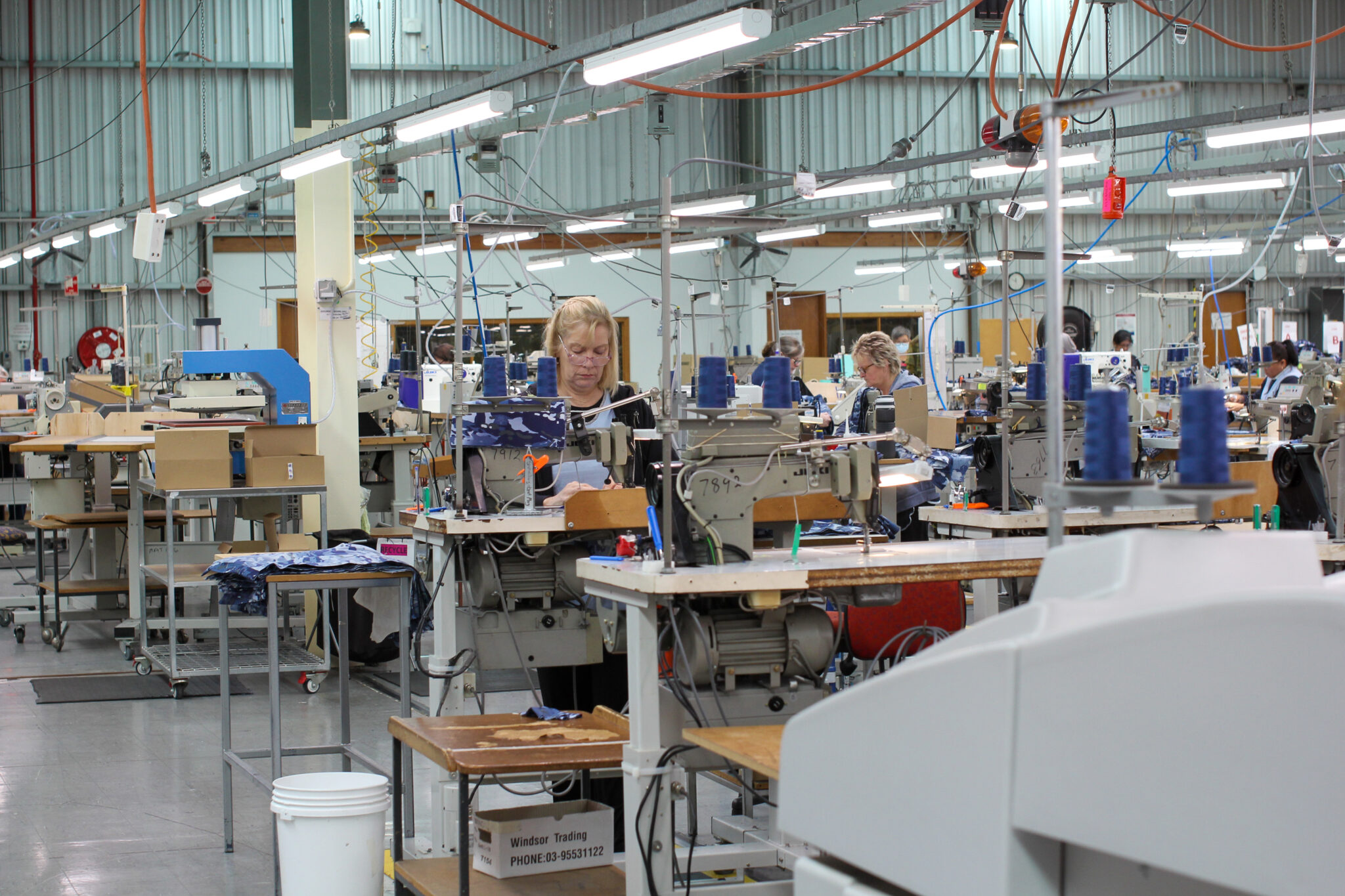
The production of military clothing involves a series of well-defined steps, each with its own set of equipment and machinery. These processes are designed to transform raw materials into finished products that meet stringent quality standards.
Procurement of Raw Materials
The first step in the manufacturing process is the procurement of raw materials, such as fabrics, trims, and accessories. These materials are carefully selected based on their performance characteristics, durability, and compliance with industry standards.
Fabric Cutting
Once the raw materials are acquired, they are cut into specific shapes and sizes according to the garment design. This is typically done using automated cutting machines, which ensure precision and consistency.
Sewing and Assembly
The cut fabric pieces are then sewn together to create the garment. This process involves a combination of manual and automated sewing machines, depending on the complexity of the design.
Finishing and Inspection
After sewing, the garments undergo a series of finishing processes, such as pressing, ironing, and quality inspection. These steps ensure that the garments meet the desired specifications and are free from defects.
Provide guidelines for the proper storage and maintenance of military clothing, including uniforms, protective gear, and accessories.
Maintaining the integrity and functionality of military clothing is essential for the safety, comfort, and performance of personnel. Proper storage and maintenance practices extend the lifespan of clothing, ensuring optimal performance and protection. Here are some key guidelines to follow:
Storage Conditions
Proper storage conditions are crucial to preserve the quality and functionality of military clothing. Consider the following factors:
- Temperature:Store clothing in a cool, dry place, ideally between 40-60°F (4-15°C).
- Humidity:Maintain a humidity level of 40-50% to prevent mold and mildew growth.
- Ventilation:Ensure adequate ventilation to prevent moisture buildup and odor.
Cleaning and Repairs
Regular cleaning and repairs are essential to maintain the integrity and appearance of military clothing. Follow these guidelines:
- Cleaning:Clean clothing according to the manufacturer’s instructions. Use appropriate detergents and avoid harsh chemicals.
- Repairs:Address tears, rips, and other damage promptly to prevent further deterioration. Use suitable repair techniques and materials.
Material-Specific Care
Different materials require specific care to maintain their properties. Consider the following:
| Material | Care Instructions |
|---|---|
| Cotton | Wash in cold water, tumble dry on low heat. Iron on low setting. |
| Wool | Dry clean only. Avoid machine washing and drying. |
| Synthetic Fabrics | Follow manufacturer’s instructions. Generally, wash in warm water and tumble dry on low heat. |
Common Issues and Solutions
Identify and address common issues promptly to prevent damage and maintain clothing functionality.
- Stains:Use appropriate stain removers and follow the manufacturer’s instructions.
- Tears:Repair tears using a sewing machine or needle and thread.
- Fading:Minimize exposure to sunlight and use fabric protectors to prevent fading.
Regular Inspections
Regular inspections help identify and prevent potential damage. Inspect clothing periodically for:
- Tears, rips, or holes
- Fading or discoloration
- Mold or mildew growth
Periodic Maintenance Checklist
Follow this checklist for periodic maintenance:
- Clean clothing according to manufacturer’s instructions.
- Inspect for damage and repair as needed.
- Store clothing in appropriate conditions.
- Check for fading or discoloration.
Disposal of Damaged Clothing
Dispose of damaged or unserviceable clothing properly. Follow these guidelines:
- Donate clothing in good condition to charities or organizations.
- Recycle materials whenever possible.
- Dispose of contaminated or hazardous materials according to local regulations.
Uniforms and Dress Codes
Uniforms and dress codes play a crucial role in the armed forces, serving both practical and symbolic purposes. They establish a sense of unity, discipline, and professionalism within the ranks while also conveying the authority and legitimacy of the military.
Types of Uniforms
Members of the armed forces wear various types of uniforms, each designed for specific purposes and occasions. These include:
- Ceremonial Uniforms:Elaborate and formal uniforms worn during parades, official ceremonies, and special events.
- Combat Uniforms:Functional and durable uniforms designed for combat operations, providing protection and camouflage.
- Dress Uniforms:Semi-formal uniforms worn during official functions, social events, and off-duty occasions.
Dress Codes and Regulations
Strict dress codes govern the wearing of uniforms within the armed forces. These codes specify the appropriate uniform for different occasions and situations, including:
- Formal Events:Ceremonial uniforms or dress uniforms are required.
- Combat Operations:Combat uniforms are mandatory for all personnel engaged in combat.
- Daily Wear:Dress uniforms or service uniforms may be worn during non-operational periods.
Violations of dress codes can result in disciplinary action, ranging from verbal warnings to written reprimands or even demotions.
Historical Evolution
Uniforms and dress codes have evolved significantly throughout the history of the armed forces. Initially, uniforms served primarily as a means of distinguishing friend from foe on the battlefield. Over time, they became more standardized and elaborate, reflecting the growing professionalism and national pride associated with military service.
Cultural and Social Significance
Uniforms and dress codes hold deep cultural and social significance within the military. They foster a sense of belonging, tradition, and esprit de corps among members of the armed forces. They also convey a message of authority and respect to the public, reinforcing the military’s role as a guardian of national security.
Recommendations for Improvement, Ministry of defence clothing
To enhance the effectiveness and appropriateness of uniforms and dress codes within the armed forces, several recommendations can be considered:
- Regular Review and Updates:Uniforms and dress codes should be periodically reviewed and updated to ensure they meet the evolving needs of the military and society.
- Consultation with Personnel:Input from military personnel should be sought when making changes to uniforms and dress codes, ensuring that their practical and aesthetic concerns are addressed.
- Cultural Sensitivity:Dress codes should be sensitive to the cultural and religious diversity of military personnel, allowing for appropriate accommodations where necessary.
Camouflage and Concealment
Camouflage and concealment are essential techniques for military operations, allowing soldiers to blend in with their surroundings and avoid detection by enemy forces. The principles of camouflage involve using colors, patterns, and textures that match the natural environment, breaking up the human form, and creating optical illusions.
Military clothing is designed to incorporate these principles, utilizing specific camouflage patterns and materials to enhance concealment in different environments, such as forests, deserts, and urban areas.
Animal Camouflage
Animals have evolved remarkable camouflage adaptations to survive in their habitats. For example:
Chameleons
Change their skin color to match their surroundings.
Stick insects
Resemble twigs or leaves, blending in with vegetation.
Polar bears
White fur provides camouflage in snowy environments.
Tigers
Striped patterns break up their Artikel in dense forests.
| Technique | Environment |
|---|---|
| Coloration | Matching the background color |
| Pattern | Disrupting the Artikel with stripes, spots, or other patterns |
| Texture | Mimicking the surface texture of the environment |
| Behavioral | Using body movements or postures to blend in |
Camouflage in Military Operations
Camouflage plays a crucial role in military operations, providing soldiers with an advantage in stealth and surprise. A well-camouflaged soldier can move undetected, gather intelligence, and engage in combat without being easily spotted by the enemy. For instance, during the Gulf War, the US military utilized desert camouflage uniforms that blended in with the sandy terrain, allowing soldiers to operate effectively in the harsh desert environment.
Ministry of defence clothing is essential for military personnel to perform their duties effectively. The uniforms provide protection, camouflage, and identification. The clothing also needs to be comfortable and durable to withstand the rigours of military life. Do you pay utilities in an apartment ?
Ministry of defence clothing is typically made from high-quality materials and is designed to last for many years.
Protective Gear and Equipment
The Ministry of Defence (MoD) issues a wide range of protective gear and equipment to its personnel to enhance their safety and protection in combat situations. These items are designed to safeguard against a variety of threats, including ballistics, shrapnel, chemical agents, and extreme weather conditions.
Body Armour
Body armour is a vital component of personal protective equipment for military personnel. It is designed to protect the wearer’s torso from ballistic threats, such as bullets and shrapnel. Body armour typically consists of a series of hard or soft armour plates that are inserted into a carrier vest or jacket.
The type of armour used depends on the level of protection required and the specific threats faced.
Helmets
Helmets are another essential piece of protective gear for military personnel. They protect the wearer’s head from ballistic threats, shrapnel, and blunt force trauma. Helmets are typically made of a hard outer shell with a soft inner lining to absorb impact.
Some helmets also feature visors or goggles to protect the wearer’s eyes from debris and other hazards.
Chemical and Biological Warfare Gear
Chemical and biological warfare (CBW) gear is designed to protect military personnel from exposure to chemical or biological agents. CBW gear typically includes a gas mask, protective suit, and gloves. The gas mask filters out harmful gases and vapours, while the protective suit and gloves prevent skin contact with hazardous materials.
Cold Weather Clothing: Ministry Of Defence Clothing
Operating in cold weather environments presents significant challenges for military personnel. Extreme cold can impair physical and cognitive function, increase the risk of injury, and even be life-threatening. Specialized clothing and equipment are essential for protecting against these hazards and ensuring the safety and effectiveness of military operations in cold weather conditions.
Insulation
- Insulation is crucial for retaining body heat and preventing hypothermia. Cold weather clothing typically uses synthetic or natural materials with high insulating properties, such as down, fleece, or wool.
- The amount of insulation required depends on the expected temperature and activity level. Layering clothing allows for flexibility in adjusting insulation as conditions change.
Wind Protection
- Wind can significantly increase the rate of heat loss. Cold weather clothing must provide adequate wind protection to prevent wind chill and maintain body temperature.
- Windproof fabrics, such as Gore-Tex or other breathable membranes, are used to block wind while allowing moisture vapor to escape.
Moisture Management
- Perspiration can accumulate inside cold weather clothing, leading to discomfort and reduced insulation effectiveness. Moisture-wicking fabrics help to draw moisture away from the body and keep the wearer dry.
- Layering clothing with different moisture management properties allows for efficient moisture transfer and prevents moisture buildup.
Head, Hands, and Feet Protection
- These extremities are particularly vulnerable to cold injuries. Specialized headwear, gloves, and footwear are designed to provide insulation, wind protection, and moisture management.
- Headwear should cover the ears and neck, while gloves should allow for dexterity and insulation. Footwear should be insulated and waterproof to protect against frostbite and trench foot.
Hot Weather Clothing
Operating in hot weather environments poses unique challenges for military personnel. Extreme heat can lead to dehydration, heat exhaustion, and heatstroke, which can impair performance and even be life-threatening. To address these challenges, specialized clothing and equipment have been developed to protect against heat and dehydration.
Specialized Clothing
Hot weather clothing is designed to be lightweight, breathable, and moisture-wicking. Fabrics such as cotton and nylon are commonly used, as they allow air to circulate and help to evaporate sweat. Clothing is often loose-fitting to allow for air circulation and to minimize chafing.
Additionally, some garments may incorporate cooling technologies, such as phase-change materials or evaporative cooling systems, to help regulate body temperature.
Equipment
In addition to specialized clothing, a range of equipment is available to protect against heat and dehydration in hot weather environments. This includes:
- Wide-brimmed hats:To protect the head and neck from the sun.
- Sunglasses:To protect the eyes from harmful UV rays.
- Hydration packs:To carry and dispense water, ensuring easy access to fluids.
- Cooling vests:To circulate cool water around the body, helping to regulate temperature.
Clothing for Specific Roles
Members of the armed forces often perform specialized roles that require unique clothing and equipment to enhance their effectiveness and safety. These specialized garments are designed to meet the specific demands of each role, providing protection, functionality, and comfort in various environments and operational scenarios.
The clothing and equipment issued to personnel in different roles vary significantly depending on their responsibilities and the nature of their missions. For instance, combat medics require specialized medical kits and protective gear to provide medical assistance in hazardous environments, while pilots need flight suits and helmets tailored to the demands of aerial operations.
Combat Medic Clothing
- Medical kits and pouches: Designed to carry essential medical supplies and equipment, allowing medics to provide immediate medical care on the battlefield.
- Protective gear: Includes helmets, body armor, and gloves to protect medics from shrapnel, bullets, and other hazards during combat operations.
- Uniforms: Typically made from durable and breathable materials, providing comfort and mobility while maintaining a professional appearance.
Pilot Clothing
- Flight suits: Designed to provide comfort and functionality during flight operations, with features such as anti-G suits to prevent loss of consciousness during high-speed maneuvers.
- Helmets: Equipped with communication systems, oxygen masks, and visors to protect pilots from wind, debris, and other hazards.
- Goggles: Protect pilots’ eyes from sun glare, wind, and dust while providing clear visibility.
Research emerging technologies and innovations in military clothing, including advanced materials, wearable sensors, and augmented reality.
The military clothing industry is constantly evolving, with new technologies and innovations emerging all the time. These advancements are designed to enhance the capabilities of armed forces in various areas, such as protection, communication, and situational awareness. Some of the most promising emerging technologies in military clothing include:
- Advanced materials:New materials are being developed that are lighter, stronger, and more durable than traditional materials. These materials can be used to create clothing that is more protective, comfortable, and breathable.
- Wearable sensors:Wearable sensors can be integrated into clothing to monitor a soldier’s vital signs, track their location, and provide them with real-time information about their surroundings. This information can help soldiers to make better decisions and stay safe in dangerous situations.
- Augmented reality:Augmented reality (AR) technology can be used to overlay digital information onto a soldier’s field of view. This information can include maps, navigation instructions, and target identification. AR can help soldiers to improve their situational awareness and make better decisions in combat.
These are just a few of the emerging technologies that are being developed for military clothing. As these technologies continue to develop, they will have a profound impact on the future of warfare.
FAQ Guide
What are the key design principles of Ministry of Defence clothing?
Ergonomics, mobility, camouflage, durability, and adaptability to different environments.
What materials are commonly used in Ministry of Defence clothing?
Cotton, wool, synthetic fabrics, advanced materials, and specialized materials for protection.
How does Ministry of Defence clothing enhance protection?
Through features such as armor, pads, ventilation systems, and night vision compatibility.

Welcome to my website! Here’s a brief introduction about me.
I am Charles Pham, a passionate individual with a diverse range of interests and experiences. Throughout my life, I have pursued my curiosity and embraced various opportunities that have shaped me into the person I am today.
