What does provide for the common defence mean – What does provide for the common defense mean? This question has been at the heart of debates surrounding national security, military spending, and the role of the federal government in protecting its citizens. To delve into this multifaceted concept, this academic presentation will explore the constitutional mandate that obligates the government to provide for the common defense, examining its historical context, limitations, and the extent to which it has been fulfilled throughout history.
As we navigate this discussion, we will dissect the specific powers granted to the federal government to ensure the common defense, analyzing how these powers have been interpreted and exercised by different branches of government. We will also delve into the complex relationship between federal and state authority in matters of defense, shedding light on the delicate balance that must be struck.
Constitutional Mandate
The US Constitution mandates the federal government to “provide for the common defense.” This provision is found in Article I, Section 8, Clause 11, which grants Congress the power to “declare war, grant letters of marque and reprisal, and make rules concerning captures on land and water.” The historical context behind this provision lies in the experiences of the American colonies during the Revolutionary War, when the lack of a centralized defense system led to significant challenges in coordinating and funding military efforts.
Limitations and Exceptions
While the federal government has a broad mandate to provide for the common defense, there are certain limitations and exceptions to this power. For instance, the Constitution reserves the right to declare war to Congress, and the President cannot unilaterally commit the nation to armed conflict without congressional approval.
Additionally, the Posse Comitatus Act of 1878 prohibits the use of federal troops for domestic law enforcement purposes, except in specific circumstances.
Extent of Fulfillment
The extent to which the federal government has fulfilled its mandate to provide for the common defense has varied throughout history. During periods of war and national emergency, the government has significantly expanded its defense capabilities and spending. However, in times of peace, defense spending has often been reduced, and the focus has shifted towards maintaining a smaller, more technologically advanced military.
Role of the Military
The military plays a pivotal role in ensuring the common defense of a nation. It serves as the primary instrument through which a country safeguards its sovereignty, protects its citizens, and maintains national security.
The military’s primary responsibility is to deter and repel foreign threats. It accomplishes this by maintaining a credible defense posture, including well-trained and equipped armed forces, advanced weapons systems, and a robust intelligence network. By deterring potential adversaries, the military helps prevent conflicts and preserves peace.
Protecting Against Foreign Threats
- Deterrence: The military’s presence and capabilities serve as a deterrent against potential aggressors, discouraging them from initiating hostilities.
- Defense: In the event of an attack, the military is responsible for defending the nation’s territory, citizens, and interests.
- Peacekeeping: The military may also participate in peacekeeping operations, helping to maintain stability and prevent violence in conflict-ridden regions.
Maintaining National Security
- Border Security: The military assists in securing national borders, preventing illegal entry and the smuggling of contraband.
- Cybersecurity: The military plays a crucial role in protecting the nation’s cyberspace from cyberattacks and other threats.
- Natural Disaster Response: The military provides assistance during natural disasters, such as hurricanes, earthquakes, and floods, by providing logistical support, evacuation, and other forms of aid.
Defense Mechanisms
To safeguard against potential threats, nations employ an array of defense mechanisms. These strategies encompass both active and passive measures designed to deter, detect, and neutralize threats.
Active defense mechanisms involve the deployment of military forces and equipment to counter threats. Examples include:
Missile Defense Systems
- Interception of incoming missiles using ground-based or ship-based interceptors.
- Early warning systems to detect and track incoming missiles.
Air Superiority
- Maintaining control of airspace through fighter jets, anti-aircraft missiles, and radar systems.
- Denying enemy aircraft access to critical areas or assets.
Naval Patrols
- Monitoring and securing maritime borders to prevent unauthorized entry or attacks.
- Conducting anti-submarine warfare to detect and neutralize underwater threats.
Cyber Defense
- Protecting computer networks and systems from cyber attacks.
- Developing and deploying cybersecurity measures to prevent data breaches and cyber espionage.
Military Alliances and Partnerships

Military alliances and partnerships play a crucial role in enhancing common defense by fostering cooperation, deterring aggression, and facilitating collective responses to security challenges. These alliances establish formal agreements between nations to provide mutual assistance and support in times of need.
Key Alliances and Their Contributions
- North Atlantic Treaty Organization (NATO): NATO is a collective defense alliance founded in 1949 to protect member states from external threats. It has played a significant role in maintaining peace and stability in Europe and beyond.
- Treaty on Collective Security (CSTO): CSTO is a military alliance formed by Russia and several former Soviet republics. It aims to ensure collective security in the Eurasian region.
- Five Eyes Alliance: This alliance comprises Australia, Canada, New Zealand, the United Kingdom, and the United States. It focuses on intelligence sharing and cooperation in matters of national security.
Mechanisms and Structures
Military alliances and partnerships operate through various mechanisms and structures, including:
- Joint Commands: Alliances often establish joint commands to coordinate military operations and facilitate decision-making.
- Standing Forces: Some alliances maintain standing forces that can be rapidly deployed in response to threats.
- Regular Exercises: Alliances conduct regular military exercises to enhance interoperability and strengthen cooperation among member states.
Challenges and Opportunities
Maintaining and strengthening military alliances presents both challenges and opportunities:
- Political Differences: Alliances can face challenges due to political differences or disagreements among member states.
- Resource Constraints: Member states may have varying capabilities and resources, which can affect their contributions to the alliance.
- Technological Advancements: Emerging technologies, such as cyber warfare and artificial intelligence, pose new challenges and opportunities for military alliances.
Role of Diplomacy and International Law
Diplomacy and international law play a vital role in shaping military alliances and partnerships. Diplomatic efforts help resolve conflicts, build trust, and maintain alliances. International law provides a framework for cooperation and regulates the use of force.
To ensure the common defense, a comprehensive approach is required. Understanding the circumstances under which Koch’s postulates would be utilized ( when would koch’s postulates be utilized ) can inform the development of effective defense strategies. By identifying the specific conditions that warrant the application of Koch’s postulates, policymakers can ensure that the common defense is provided for in a targeted and efficient manner.
Intelligence and Surveillance
Intelligence and surveillance play a critical role in providing for the common defense by gathering and analyzing information to prevent and respond to threats to national security. Intelligence gathering involves collecting data from various sources, such as human intelligence (HUMINT), signals intelligence (SIGINT), and imagery intelligence (IMINT).
Analysis of this data helps identify potential threats, assess their capabilities, and develop strategies to counter them.
Ethical and Legal Implications
Intelligence gathering and surveillance raise ethical and legal concerns, particularly regarding privacy and civil liberties. Governments must balance the need for national security with the protection of individual rights. Laws and regulations govern the collection, use, and dissemination of intelligence to ensure that it is conducted legally and ethically.
Role of Technology
Technology has significantly enhanced intelligence gathering and surveillance capabilities. Advanced sensors, data analytics, and artificial intelligence (AI) enable real-time monitoring and analysis of vast amounts of data. This technology has improved the efficiency and accuracy of intelligence operations, allowing for more targeted and effective responses to threats.
Effectiveness
Intelligence and surveillance programs have been instrumental in protecting national security. They have helped prevent terrorist attacks, disrupt criminal networks, and safeguard critical infrastructure. However, the effectiveness of these programs is often debated, as they can be costly, intrusive, and prone to errors.
Research and Development
Research and development (R&D) play a crucial role in maintaining a strong and effective defense system. Continuous advancements in technology have a significant impact on military capabilities, providing new and innovative ways to deter and respond to threats.R&D efforts focus on developing cutting-edge technologies and systems that enhance the capabilities of military forces.
These include advancements in areas such as artificial intelligence (AI), robotics, cyber warfare, and directed energy weapons. By investing in R&D, nations can ensure that their military remains at the forefront of technological innovation and is well-equipped to meet the evolving challenges of modern warfare.
AI and Robotics in Military Applications
AI and robotics have emerged as key areas of R&D in military systems. AI-powered technologies can enhance situational awareness, improve decision-making, and automate tasks, leading to increased efficiency and effectiveness on the battlefield. Robotic systems, such as drones and unmanned vehicles, provide new capabilities for surveillance, reconnaissance, and precision strikes, reducing the risk to human personnel.
Defense Spending
Defense spending is a crucial component of providing for the common defense, ensuring a nation’s ability to deter and respond to threats. It encompasses the allocation of financial resources to maintain and develop military capabilities, personnel, infrastructure, and research.
Factors influencing defense budget allocation include:
- Perceived threats:Governments prioritize funding for capabilities that address current and anticipated threats to national security.
- Technological advancements:Rapid technological advancements drive the need for investments in new weapons systems, equipment, and training.
- Economic conditions:Defense spending is influenced by overall economic growth, fiscal constraints, and competing budgetary demands.
- Political considerations:Defense budgets can be shaped by domestic political priorities, public opinion, and international alliances.
Adequate defense spending is essential for maintaining military readiness. It enables:
- Modernization of equipment:Upgrading and replacing aging weapons systems to maintain a technological edge.
- Personnel training and retention:Investing in training and education programs to develop and retain skilled military personnel.
- Research and development:Funding innovative technologies and capabilities to address future threats.
- Infrastructure maintenance:Ensuring bases, facilities, and logistics networks are operational and meet modern requirements.
Insufficient defense spending can compromise military readiness, leaving a nation vulnerable to threats and reducing its ability to fulfill its common defense responsibilities.
Homeland Security: What Does Provide For The Common Defence Mean
Homeland security is the protection of a nation’s territory, people, and infrastructure from threats, both domestic and international. It is closely related to the common defense, as both aim to protect the nation from harm. However, homeland security focuses specifically on internal threats, while common defense addresses external threats.
Measures taken to protect against domestic threats and terrorism include:
- Intelligence gathering and analysis
- Law enforcement and border security
- Emergency preparedness and response
Homeland security measures have been implemented in different countries in a variety of ways. Some common examples include:
- The United States Department of Homeland Security was created in response to the September 11, 2001 terrorist attacks.
- The United Kingdom has a long history of homeland security measures, including the Metropolitan Police Service’s Counter Terrorism Command.
- Israel has a highly developed homeland security system, including the Israel Security Agency (Shin Bet).
The effectiveness of homeland security measures is difficult to assess, as it is impossible to know for sure how many attacks have been prevented. However, there is evidence that these measures have been successful in reducing the number of terrorist attacks in some countries.
There are a number of areas where homeland security measures could be improved. These include:
- Improving intelligence sharing between different agencies
- Developing new technologies to detect and prevent terrorist attacks
- Educating the public about homeland security threats
Civilian Support

Civilians play a crucial role in supporting the common defense of a nation. Their contributions extend beyond military service and encompass a wide range of activities that strengthen national security.
Volunteer Service
Civilians can volunteer their time and skills to support the common defense in various ways, such as:
- Joining civil defense organizations
- Providing medical or technical assistance in disaster relief efforts
- Serving as volunteer firefighters or law enforcement officers
- Participating in community watch programs
Industrial Production
Industrial production is essential for providing the military with the equipment and supplies it needs to defend the nation. Throughout history, civilians have played a vital role in producing weapons, vehicles, aircraft, and other military hardware.
For example, during World War II, American factories produced millions of tons of munitions, aircraft, and ships, contributing significantly to the Allied victory.
Providing for the common defence is a fundamental responsibility of any government, as it ensures the protection and well-being of its citizens. In the context of utilities, this principle extends to the provision of essential services such as electricity, gas, and water.
In New York, the current situation regarding utility shut-offs is complex and raises questions about the balance between the need for these services and the financial challenges faced by some residents. For more information on this topic, please refer to can utilities be shut off right now in ny 2023.
Ultimately, providing for the common defence requires a comprehensive approach that addresses both the immediate needs of the population and the long-term sustainability of essential services.
Public Awareness
Public awareness is crucial for maintaining support for the common defense. Civilians need to be informed about the threats facing their nation and the importance of a strong military.
This can be achieved through education, media coverage, and public outreach programs that highlight the role of the military in protecting the nation and its citizens.
Challenges and Opportunities in the Modern Era
In the modern era, civilian support for the common defense faces both challenges and opportunities:
- Challenges:Declining civic engagement, technological advancements that make it easier for individuals to act independently, and the spread of misinformation.
- Opportunities:Increased access to information, social media platforms that facilitate community organizing, and the rise of volunteerism.
Ethical Considerations
Providing for the common defense involves complex ethical considerations that balance national security and individual rights, with potential impacts on civilian populations and the use of advanced technologies like artificial intelligence (AI) in warfare. Understanding the ethical implications of these issues is crucial for responsible and just decision-making.
Balance between National Security and Individual Rights
National security measures often entail surveillance, data collection, and restrictions on certain freedoms. While these measures aim to protect the nation from threats, they can also raise concerns about privacy, due process, and the potential for abuse. Striking a balance between national security and individual rights requires careful consideration of the necessity, proportionality, and accountability of such measures.
Potential Impact of Military Action on Civilian Populations
Military actions can have devastating consequences for civilians, including loss of life, displacement, and disruption of livelihoods. The use of indiscriminate weapons or tactics that fail to distinguish between combatants and non-combatants raises ethical concerns about the protection of civilians during armed conflicts.
Adherence to international humanitarian law and the principles of proportionality and distinction is essential to minimize civilian casualties.
Ethical Implications of Using Artificial Intelligence in Warfare
The use of AI in warfare presents ethical challenges related to autonomous decision-making, bias, and accountability. AI-powered weapons systems raise concerns about the potential for unintended consequences, lack of human oversight, and the blurring of the line between humans and machines in the use of lethal force.
Ethical considerations must guide the development and deployment of AI in warfare to ensure responsible and accountable use.
Role of International Law in Regulating the Use of Force
International law provides a framework for regulating the use of force by states. The UN Charter establishes the principle of non-intervention and prohibits the use of force except in self-defense or with Security Council authorization. Adherence to international law helps prevent arbitrary or unilateral use of force and promotes peaceful resolution of disputes.
Challenges and Future Trends
Providing for the common defense in the 21st century presents a complex and evolving set of challenges. The rise of new technologies, geopolitical shifts, and the growing impact of climate change are all shaping the future of warfare and national security.
Emerging Technologies
Emerging technologies, such as artificial intelligence (AI), autonomous systems, and cyberwarfare, are rapidly changing the nature of warfare. AI-powered systems can be used to analyze vast amounts of data, identify threats, and make decisions in real time. Autonomous systems can operate independently of human control, performing tasks such as surveillance, reconnaissance, and combat.
Cyberwarfare attacks can disrupt critical infrastructure, steal sensitive information, and sow chaos.
These technologies offer both opportunities and challenges for providing for the common defense. They can enhance situational awareness, improve decision-making, and increase the effectiveness of military operations. However, they also raise concerns about the potential for unintended consequences, escalation, and the erosion of human control over the use of force.
Geopolitical Shifts
The global balance of power is shifting, with the rise of China and the decline of the United States. China is rapidly modernizing its military and expanding its influence in the Asia-Pacific region. The United States, meanwhile, is facing a number of challenges, including budget constraints, political polarization, and a growing national debt.
These geopolitical shifts are creating new challenges for providing for the common defense. The United States must find ways to maintain its military superiority while also cooperating with China on issues of mutual interest. The United States must also be prepared to respond to new threats from other countries, such as Russia and North Korea.
Climate Change
Climate change is having a significant impact on the global security landscape. Rising sea levels, extreme weather events, and resource scarcity are all contributing to instability and conflict around the world.
Climate change is also affecting the way that militaries operate. Rising sea levels are threatening coastal military bases and infrastructure. Extreme weather events can disrupt military operations and supply chains. Resource scarcity can lead to competition and conflict over vital resources, such as water and energy.
The United States and its allies must find ways to adapt to the challenges posed by climate change. This includes investing in climate-resilient infrastructure, developing new technologies to mitigate the effects of climate change, and working with other countries to address the root causes of climate change.
Economic Impact
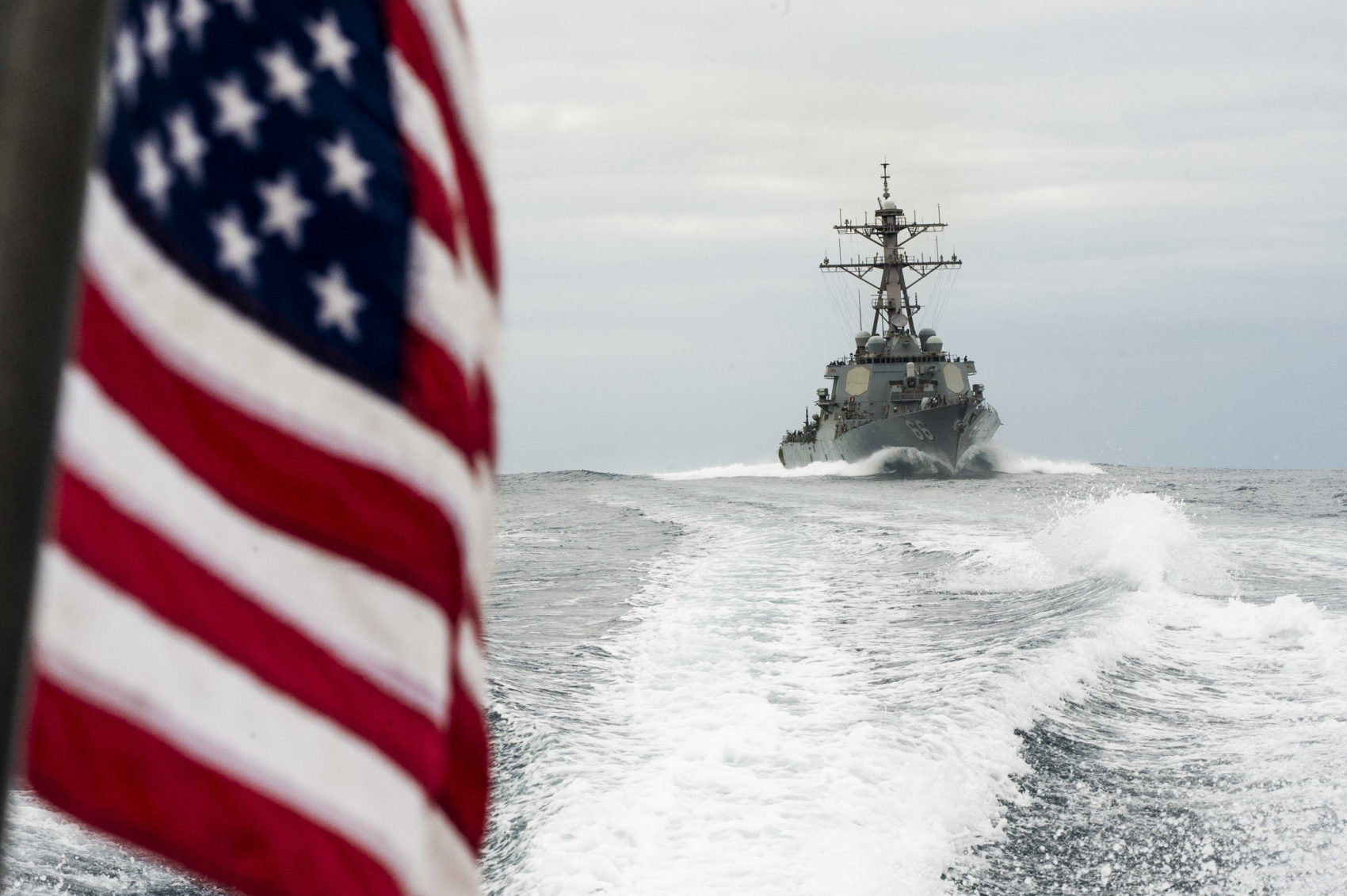
Providing for the common defense has a significant economic impact. Defense spending, which includes funding for military personnel, equipment, and operations, is a major driver of economic activity. It creates jobs, supports industries, and stimulates innovation. However, it also represents a significant cost to taxpayers.
Costs of Defense Spending
The costs of defense spending are substantial. In the United States, for example, the Department of Defense is the largest single agency in the federal government, with a budget of over $700 billion in
This funding is used to pay for a wide range of activities, including:
- Military personnel salaries and benefits
- Procurement of weapons and equipment
- Research and development
- Operation and maintenance of military bases
- Overseas deployments
These costs can have a significant impact on the economy. For example, defense spending can lead to inflation by increasing the demand for goods and services. It can also lead to a trade deficit by reducing the amount of money available for imports.
Benefits of Defense Spending, What does provide for the common defence mean
Despite the costs, defense spending can also provide significant benefits to the economy. These benefits include:
- Job creation:Defense spending creates jobs in a variety of industries, including manufacturing, construction, and services.
- Industrial development:Defense spending supports the development of new technologies and industries. For example, the development of the internet was largely funded by the US Department of Defense.
- National security:Defense spending is essential for protecting the country from threats both foreign and domestic.
The economic impact of defense spending is complex and multifaceted. It is important to weigh the costs and benefits of defense spending carefully in order to make informed decisions about the appropriate level of funding.
International Law and Cooperation

International law and cooperation play a crucial role in providing for the common defense by establishing frameworks and mechanisms for collaboration and conflict resolution. Treaties, agreements, and organizations facilitate global security through the promotion of arms control, disarmament, and conflict prevention.
Treaties and Agreements
Treaties and agreements between nations are legally binding documents that Artikel specific commitments and obligations in matters of defense and security. Examples include the Nuclear Non-Proliferation Treaty (NPT), which aims to prevent the spread of nuclear weapons, and the Chemical Weapons Convention (CWC), which prohibits the development, production, and use of chemical weapons.
These agreements establish international norms and standards, fostering cooperation and reducing the risk of conflict.
International Organizations
International organizations, such as the United Nations (UN) and the North Atlantic Treaty Organization (NATO), provide platforms for multilateral cooperation on defense and security issues. The UN Security Council has the authority to authorize military action to maintain international peace and security, while NATO is a military alliance that provides collective defense for its member states.
These organizations facilitate dialogue, coordination, and joint action among nations, enhancing global security and stability.
Challenges and Future Trends
Despite the benefits of international law and cooperation, challenges remain. Compliance with treaties and agreements can be difficult to enforce, and conflicts may arise over the interpretation and implementation of these agreements. Future trends include the increasing importance of cyber security and the need for cooperation in addressing transnational threats such as terrorism and climate change.
Case Studies
Historical and modern-day conflicts serve as crucial case studies, showcasing the paramount importance of providing for the common defense. These instances underscore the necessity of maintaining robust military capabilities to safeguard national security and preserve global stability.
During World War II, the Allies’ collective defense mechanisms proved instrumental in defeating the Axis powers. The mobilization of vast military resources, strategic alliances, and technological advancements enabled the Allied forces to overcome adversity and secure victory.
Cold War
The Cold War, marked by ideological rivalry and nuclear proliferation, emphasized the critical role of deterrence in preventing direct military confrontation. The United States and the Soviet Union engaged in a strategic arms race, developing and deploying sophisticated weapons systems to maintain a balance of power.
Modern-Day Conflicts
In contemporary conflicts, such as the War on Terror, counterterrorism measures have become indispensable in safeguarding national security. Intelligence gathering, military operations, and international cooperation have played a vital role in combating terrorism and protecting civilian populations.
FAQ
What is the constitutional basis for the federal government’s responsibility to provide for the common defense?
The constitutional basis for this responsibility lies in Article I, Section 8, Clause 1 of the U.S. Constitution, which grants Congress the power “to provide for the common Defence and general Welfare of the United States.”
What are some of the limitations on the federal government’s power to provide for the common defense?
The federal government’s power to provide for the common defense is not unlimited. For example, the government cannot infringe on individual rights guaranteed by the Constitution, such as the right to freedom of speech or the right to bear arms.
How has the federal government’s interpretation of its responsibility to provide for the common defense changed over time?
The federal government’s interpretation of its responsibility to provide for the common defense has changed over time, reflecting changes in technology, geopolitical threats, and social values.

Whitney Morris is a renowned author with a passion for military history and strategic analysis. Born in Jakarta, Indonesia, Defense developed a deep fascination for warfare and national defense from a young age. His unwavering interest in military strategy, combined with his natural storytelling ability, has earned him a reputation as an engaging and insightful writer in the field.
