Israel Military Rank Insignia: A Visual History, is a fascinating exploration of the badges and symbols that have adorned the uniforms of the Israel Defense Forces (IDF) since its inception in 1948. These insignia, beyond mere adornment, tell a story of national identity, military evolution, and the enduring values that define the IDF. They offer a glimpse into the rich tapestry of history, culture, and symbolism that has shaped the nation’s military landscape.
From the early days of the nascent state, the IDF’s insignia has evolved alongside its strategic and operational needs, reflecting the changing dynamics of the region and the IDF’s role in safeguarding the nation. Each element, from the iconic Star of David to the specific motifs adopted by different branches, holds a unique significance, revealing the core values, traditions, and historical events that have shaped the IDF’s identity.
History of Israel Military Rank Insignia
The evolution of Israel’s military rank insignia reflects the nation’s history and its evolving military structure. From its establishment in 1948, the insignia has undergone several transformations, influenced by various historical events and the need to establish a distinct identity.
Early Insignia and Influences
The early insignia of the Israel Defense Forces (IDF) was heavily influenced by the British Army, as many of the founding members had served in the British military during World War II. This initial design incorporated elements of the British system, such as the use of stars and pips for different ranks. The first insignia were introduced in 1948, and they featured a simple design with a star or a pip on a rectangular base.
This early system reflected the IDF’s initial focus on practical functionality rather than elaborate symbolism.
The Transition to a Unique Identity
Over time, the IDF sought to develop a distinct identity, reflecting its unique role and mission. This shift was evident in the evolution of the rank insignia, which began to incorporate elements of Hebrew culture and military history. For example, the introduction of the Magen David (Star of David) as a central element in the insignia symbolized the Jewish identity of the IDF and its connection to Jewish tradition.
The incorporation of the Magen David also served to distinguish the IDF from other militaries, reinforcing its unique character.
Key Changes and Design Evolution
Several key events and periods influenced the evolution of the IDF’s rank insignia:
- The Six-Day War (1967): This war significantly boosted the IDF’s reputation and contributed to its growing sense of national pride. The insignia design was refined, with a greater emphasis on symbolism and aesthetics.
- The Yom Kippur War (1973): This war highlighted the need for greater efficiency and clarity in communication, leading to the adoption of a more standardized and streamlined insignia system.
- The 1980s: The IDF introduced new ranks and corresponding insignia, reflecting the growing complexity of the military structure and its expanding operational roles.
Modern Insignia and Symbolism
Modern IDF rank insignia are characterized by their simplicity, functionality, and symbolism. The use of the Magen David as a central element continues to be a defining feature, representing the Jewish identity of the IDF and its connection to its heritage. The colors used in the insignia are also significant. The blue color represents the sky and the sea, symbolizing the IDF’s defense of Israel’s borders.
The white color represents purity and peace, reflecting the IDF’s commitment to protecting its people and its land.
Comparison of Early and Modern Insignia
Comparing early and modern IDF rank insignia highlights the evolution of the military’s identity and its evolving role. Early insignia were primarily functional, influenced by British designs. Modern insignia, however, incorporate more symbolism, reflecting the IDF’s unique character and its connection to Jewish culture and history.
- Early Insignia: Simple, functional, influenced by British designs, lacking significant symbolism.
- Modern Insignia: Symbolic, incorporating the Magen David, distinct color scheme, reflecting a unique national identity.
The evolution of the IDF’s rank insignia reflects the growth and development of the Israeli military, its unique identity, and its commitment to defending its nation.
Israel’s military rank insignia, a complex system of stripes, stars, and other symbols, reflects the country’s unique history and military structure. While the Israeli Defense Forces (IDF) employs a diverse range of ranks, it’s interesting to note that the highest-ranking officer, the Chief of General Staff, holds a rank equivalent to a four-star general. In contrast, the renowned ultra-marathon runner and motivational speaker, David Goggins, served as an Air Force Tactical Air Control Party Specialist, a role that involved coordinating air strikes.
You can learn more about David Goggins’ military rank and his impressive journey from enlisted personnel to motivational guru. Returning to Israel’s military insignia, the specific design and placement of each symbol offer insight into the officer’s position and authority within the IDF.
Current Rank Structure and Insignia: Israel Military Rank Insignia
The Israel Defense Forces (IDF) maintains a complex and well-defined rank structure, reflecting the diverse roles and responsibilities within its ranks. The rank insignia, worn on uniforms, serve as visual identifiers of an individual’s position and authority within the military hierarchy.The IDF utilizes a system of ranks, similar to other modern militaries, but with unique features and distinctions. Each rank is associated with specific insignia, crafted with specific materials and colors, symbolizing the individual’s level of responsibility and experience within the IDF.
Rank Structure and Insignia
| Rank | Branch | Insignia | Description |
|---|---|---|---|
| Private (Tayar) | All Branches | None | No insignia is worn by privates in the IDF. |
| Private First Class (Tayar Rishon) | All Branches | One Chevron | A single chevron, typically made of metal or cloth, is worn on the sleeve of the uniform. |
| Corporal (Rav Tayar) | All Branches | Two Chevrons | Two chevrons, usually in the same material as the private first class insignia, are worn on the sleeve. |
| Sergeant (Samal) | All Branches | Three Chevrons | Three chevrons are worn, signifying a higher level of responsibility and experience. |
| Staff Sergeant (Samal Rishon) | All Branches | Three Chevrons and a Star | The addition of a star above the three chevrons distinguishes this rank from a regular sergeant. |
| Sergeant First Class (Rav Samal) | All Branches | Four Chevrons | Four chevrons indicate a senior non-commissioned officer with significant experience and leadership qualities. |
| Master Sergeant (Rav Samal Rishon) | All Branches | Four Chevrons and a Star | Similar to the Staff Sergeant insignia, a star above the four chevrons distinguishes this rank. |
| First Sergeant (Rav Samal Sheni) | All Branches | Five Chevrons | Five chevrons signify a highly experienced and respected non-commissioned officer. |
| Warrant Officer (Regev) | All Branches | One Star | A single star, typically worn on the shoulder straps, denotes the beginning of the commissioned officer ranks. |
| Warrant Officer (Regev Rishon) | All Branches | Two Stars | Two stars, worn on the shoulder straps, indicate a higher level of responsibility within the warrant officer ranks. |
| Second Lieutenant (Sgan Mishne) | All Branches | One Bar | A single bar, usually made of metal, is worn on the shoulder straps, representing the entry-level commissioned officer rank. |
| First Lieutenant (Sgan Rishon) | All Branches | Two Bars | Two bars on the shoulder straps denote a more senior commissioned officer position. |
| Captain (Seren) | All Branches | One Star | A single star, typically worn on the shoulder straps, represents a captain in the IDF. |
| Major (Rav Seren) | All Branches | Two Stars | Two stars, worn on the shoulder straps, signify a major’s rank and responsibility. |
| Lieutenant Colonel (Sgan Aluf) | All Branches | One Oak Leaf | A single oak leaf, usually made of metal, is worn on the shoulder straps, denoting a lieutenant colonel. |
| Colonel (Aluf Mishne) | All Branches | Two Oak Leaves | Two oak leaves on the shoulder straps represent a colonel’s senior rank. |
| Brigadier General (Aluf) | All Branches | One Star | A single star, worn on the shoulder straps, distinguishes a brigadier general. |
| Major General (Rav Aluf) | All Branches | Two Stars | Two stars, worn on the shoulder straps, signify a major general’s rank. |
| Lieutenant General (Aluf Mishne) | All Branches | Three Stars | Three stars on the shoulder straps represent a lieutenant general. |
| General (Rav Aluf) | All Branches | Four Stars | Four stars, worn on the shoulder straps, denote the highest rank in the IDF, held by the Chief of Staff. |
Materials and Colors
The materials and colors used for IDF rank insignia vary depending on the specific rank and branch of service. The most common materials include:* Metal: Gold, silver, and bronze are frequently used for the insignia, often with a matte or polished finish.
Cloth
Chevrons for non-commissioned officers are often made of cloth, typically in a color matching the branch of service.
Embroidery
Some insignia, particularly those for higher ranks, may feature embroidered details or symbols.The colors used for the insignia often reflect the branch of service:* Army: Green is the primary color for the army, with metal insignia being used for officers.
Navy
Blue is the primary color for the navy, with gold insignia being used for officers.
Air Force
Light blue is the primary color for the air force, with silver insignia being used for officers.Unique features may be incorporated into the insignia, such as:* Stars: Stars are used for officers, with the number of stars increasing with rank.
Oak Leaves
Oak leaves are used for senior officers, with the number of leaves increasing with rank.
Chevrons
Chevrons are used for non-commissioned officers, with the number of chevrons increasing with rank.The use of specific materials, colors, and features adds to the visual distinctiveness of each rank and contributes to the overall symbolism of the IDF rank structure.
3. Symbolism and Meaning of Insignia

The IDF rank insignia, while seemingly simple, are rich in symbolism and meaning, reflecting the history, values, and aspirations of the Israeli military. Each element, from the number of stars to the placement of stripes, has a specific significance that contributes to the overall message conveyed by the insignia.
3.1. Decoding the Stars
The star, a prominent feature in IDF rank insignia, is a powerful symbol with deep historical and cultural roots. It represents the nation of Israel, its aspirations, and its place in the world. The specific number of stars used in each rank reflects the individual’s level of authority and responsibility within the military hierarchy.
- Private: The absence of stars on the insignia of a private signifies their entry-level status and the beginning of their journey within the IDF. They are the foundation of the military, and their role is essential in upholding the values and principles of the IDF.
- Corporal: One star signifies the first step up in the chain of command, representing a greater level of responsibility and leadership. Corporals are expected to guide and mentor their subordinates, ensuring their training and preparedness for the challenges ahead.
- Sergeant: Two stars symbolize the increased authority and experience of a sergeant. They are responsible for leading and managing a larger group of soldiers, ensuring their effectiveness and discipline.
- Staff Sergeant: Three stars represent the advanced leadership skills and tactical knowledge of a staff sergeant. They often hold key positions within their units, responsible for coordinating operations and ensuring the successful execution of missions.
- Sergeant First Class: Four stars represent the highest level of non-commissioned officer rank within the IDF. These individuals are highly skilled and experienced, serving as mentors and role models for their subordinates. They are entrusted with significant responsibilities, contributing to the overall success of their unit.
3.2. The Significance of Stripes
Stripes, another prominent feature in IDF rank insignia, are used to distinguish different branches of service and levels of seniority within the military hierarchy. The color and placement of stripes are carefully chosen to reflect the specific role and responsibilities of the individual.
- Color: The color of the stripes often signifies the branch of service. For example, blue stripes are used for the Navy, while brown stripes are used for the Army.
- Placement: The placement of the stripes on the sleeve or collar indicates the rank of the individual. Stripes placed on the sleeve typically denote non-commissioned officer ranks, while stripes placed on the collar denote commissioned officer ranks.
3.3. Unveiling Other Motifs
While stars and stripes are the primary elements of IDF rank insignia, other motifs are also used to add visual distinction and convey specific meanings.
- Branch Specific Symbols: The IDF uses branch-specific symbols, such as the anchor for the Navy, the wings for the Air Force, and the crossed rifles for the Army, to visually identify the individual’s branch of service. These symbols reinforce the unique identity and purpose of each branch.
- Specific Shapes: The shape of the insignia can also convey meaning. For example, the star of David, a central symbol of Judaism and the State of Israel, is incorporated into the insignia of some IDF ranks, reflecting the historical and cultural context of the military.
- Colors: The colors used in IDF rank insignia are carefully chosen to represent specific values and aspirations. For example, blue, often associated with peace and justice, is used in the insignia of the Navy, reflecting the role of the branch in protecting the nation’s maritime interests.
3.4. Cultural and Historical References
The design of IDF rank insignia is deeply rooted in the cultural and historical context of Israel. The use of stars, stripes, and specific symbols reflects the nation’s history, values, and aspirations.
- The Star of David: The incorporation of the Star of David in some insignia reflects the Jewish heritage of Israel and the importance of religious and cultural identity in the nation’s history. It symbolizes the strength and resilience of the Jewish people and their enduring connection to their homeland.
- Military Tradition: The use of stripes, a common feature in military insignia worldwide, reflects the influence of global military traditions on the IDF. It emphasizes the shared values and principles of military service, such as discipline, honor, and loyalty.
- National Symbolism: The use of colors and symbols, such as the blue and white of the Israeli flag, reflects the national identity of the IDF and its commitment to defending the nation. These elements serve as visual reminders of the military’s role in protecting the country and its people.
4. Insignia for Different Branches of the IDF
The Israel Defense Forces (IDF) is comprised of several distinct branches, each with its unique insignia reflecting its specific role and functions. These insignia, while sharing common elements like the Star of David, incorporate unique visual elements that represent the branch’s history, traditions, and operational capabilities.
Insignia for Different Branches
The primary branches of the IDF, each with its distinct insignia, are:
- Army: The Army insignia features a stylized Star of David surrounded by a laurel wreath, symbolizing strength, victory, and the enduring spirit of the Jewish people. The laurel wreath, a symbol of honor and achievement, further emphasizes the Army’s commitment to protecting the nation. The colors used in the insignia are gold and green, representing the land of Israel and the olive branches of peace.
- Navy: The Navy insignia, a blue and white shield with a ship’s wheel at its center, represents the power and might of the Israeli Navy. The blue and white colors symbolize the sea and the sky, reflecting the Navy’s operations in maritime and coastal regions. The ship’s wheel, a symbol of navigation and control, signifies the Navy’s ability to navigate the waters and protect Israel’s maritime interests.
- Air Force: The Air Force insignia features a stylized falcon with wings outstretched, representing the speed, agility, and power of the Israeli Air Force. The falcon, a bird known for its keen eyesight and swift flight, symbolizes the Air Force’s ability to strike swiftly and accurately. The colors used in the insignia are blue and silver, representing the sky and the technological prowess of the Air Force.
Comparison of Insignia Designs
The following table compares and contrasts the insignia designs across different branches of the IDF:
| Branch | Primary Symbol | Color Scheme | Unique Features |
|---|---|---|---|
| Army | Star of David with laurel wreath | Gold and green | Laurel wreath symbolizing victory and honor |
| Navy | Ship’s wheel on a blue and white shield | Blue and white | Ship’s wheel symbolizing navigation and control |
| Air Force | Stylized falcon with outstretched wings | Blue and silver | Falcon symbolizing speed, agility, and power |
Rationale for Differences in Insignia Design
The differences in insignia design between branches of the IDF reflect a combination of historical, cultural, and practical considerations.
- Historical Origins: The Star of David, a central element in all IDF insignia, symbolizes the Jewish people’s historical connection to the land of Israel. The laurel wreath, a symbol of victory and honor, is a common motif in military insignia worldwide, reflecting the Army’s role in defending the nation.
- Branch-Specific Functions: The Navy insignia, with its ship’s wheel and maritime colors, reflects the Navy’s unique role in protecting Israel’s coastal waters. The Air Force insignia, with its stylized falcon and colors of the sky, reflects the Air Force’s dominance in the skies.
- Visual Distinctiveness: The distinct visual elements of each branch’s insignia ensure clear identification and differentiation, making it easy to recognize the different branches of the IDF.
5. Special Insignia and Decorations
The Israeli Defense Forces (IDF) utilizes a comprehensive system of special insignia and decorations to recognize valor, service, and unit affiliation. These emblems, worn with pride by soldiers, hold deep symbolic meaning and historical significance, reflecting the IDF’s values, operational history, and the sacrifices made by its members. This section will delve into the various categories of special insignia and decorations, exploring their design, criteria for earning, and the profound impact they have on unit cohesion and national identity.
Combat Badges
Combat badges are awarded to soldiers who have successfully completed specific training courses or participated in combat operations. These badges represent the skills, dedication, and bravery required to serve in elite units. They serve as a tangible symbol of the challenges overcome and the sacrifices made during their military service.
Paratrooper Badge
- Appearance: The Paratrooper Badge features a stylized parachute with wings, crafted from metal and finished in gold. The badge is often worn on the left breast pocket of the uniform.
- Units Awarded: This badge is awarded to soldiers who have successfully completed the Paratrooper Qualification Course.
- Criteria for Earning: The Paratrooper Qualification Course is a rigorous training program that includes physical fitness tests, parachute jumps, and combat drills. Soldiers must demonstrate proficiency in all aspects of airborne operations.
- Significance: The Paratrooper Badge represents the elite status of paratroopers within the IDF. It symbolizes their willingness to take risks and their ability to operate in challenging environments.
- Historical Context: The Paratrooper Badge was first introduced in 1948, during the War of Independence. It has been a symbol of the IDF’s airborne capabilities ever since.
Golani Brigade Badge
- Appearance: The Golani Brigade Badge is a circular emblem featuring a stylized lion’s head, often depicted with a crown. The badge is typically made of metal and finished in gold.
- Units Awarded: This badge is awarded to soldiers who have served in the Golani Brigade, one of the IDF’s most renowned infantry brigades.
- Criteria for Earning: Soldiers are awarded the Golani Brigade Badge upon completing their service in the brigade.
- Significance: The Golani Brigade Badge represents the brigade’s history of combat prowess and its unwavering dedication to its mission. The lion’s head symbolizes strength, courage, and leadership.
- Historical Context: The Golani Brigade Badge was first introduced in 1948, during the War of Independence. It has been a symbol of the brigade’s legacy and its unwavering spirit.
Sayeret Matkal Badge
- Appearance: The Sayeret Matkal Badge features a stylized dagger, often depicted with a skull and crossbones. The badge is typically made of metal and finished in silver or gold.
- Units Awarded: This badge is awarded to soldiers who have served in Sayeret Matkal, the IDF’s elite special forces unit.
- Criteria for Earning: Soldiers must complete a highly selective training program and demonstrate exceptional skills in combat, intelligence gathering, and covert operations.
- Significance: The Sayeret Matkal Badge represents the unit’s elite status and its ability to execute highly classified and demanding missions. The dagger symbolizes the unit’s precision and lethality.
- Historical Context: The Sayeret Matkal Badge was first introduced in the 1950s. It has become a symbol of the unit’s secrecy and its critical role in Israeli national security.
Uniform and Insignia Regulations
The Israel Defense Forces (IDF) has a comprehensive set of regulations governing the wearing of uniforms and insignia. These regulations ensure uniformity, professionalism, and proper identification within the military.
Placement and Orientation of Insignia
The IDF has strict guidelines for the placement and orientation of rank insignia on uniforms. These guidelines ensure that insignia is displayed in a standardized manner, facilitating easy identification and understanding of personnel’s rank and position.
- Rank Insignia on Uniforms: Rank insignia is typically displayed on the collar of the uniform, with the specific placement varying based on the type of uniform and the branch of service.
- Orientation: Rank insignia is generally worn with the points of the insignia facing upwards, towards the wearer’s head.
- Placement on Collar: The placement of rank insignia on the collar is standardized, with specific locations for each rank. For example, officers’ rank insignia is typically worn on the left side of the collar, while enlisted personnel’s insignia is worn on the right side.
- Uniform Type: The placement and orientation of insignia may vary slightly depending on the type of uniform being worn, such as combat uniforms, dress uniforms, or ceremonial uniforms.
Recent Changes and Updates, Israel military rank insignia
The IDF periodically reviews and updates its uniform and insignia regulations to reflect changes in military practices, technology, and aesthetic preferences. Recent changes include:
- Modernization of Insignia: The IDF has modernized the design of some insignia, incorporating more contemporary elements while maintaining traditional symbolism.
- Digital Camouflage: The adoption of digital camouflage patterns in recent years has led to adjustments in the placement and color of insignia to ensure visibility against the new camouflage patterns.
- Gender-Neutral Insignia: The IDF has introduced gender-neutral insignia for certain ranks, reflecting the growing diversity and inclusivity within the military.
Comparison with Other Military Forces
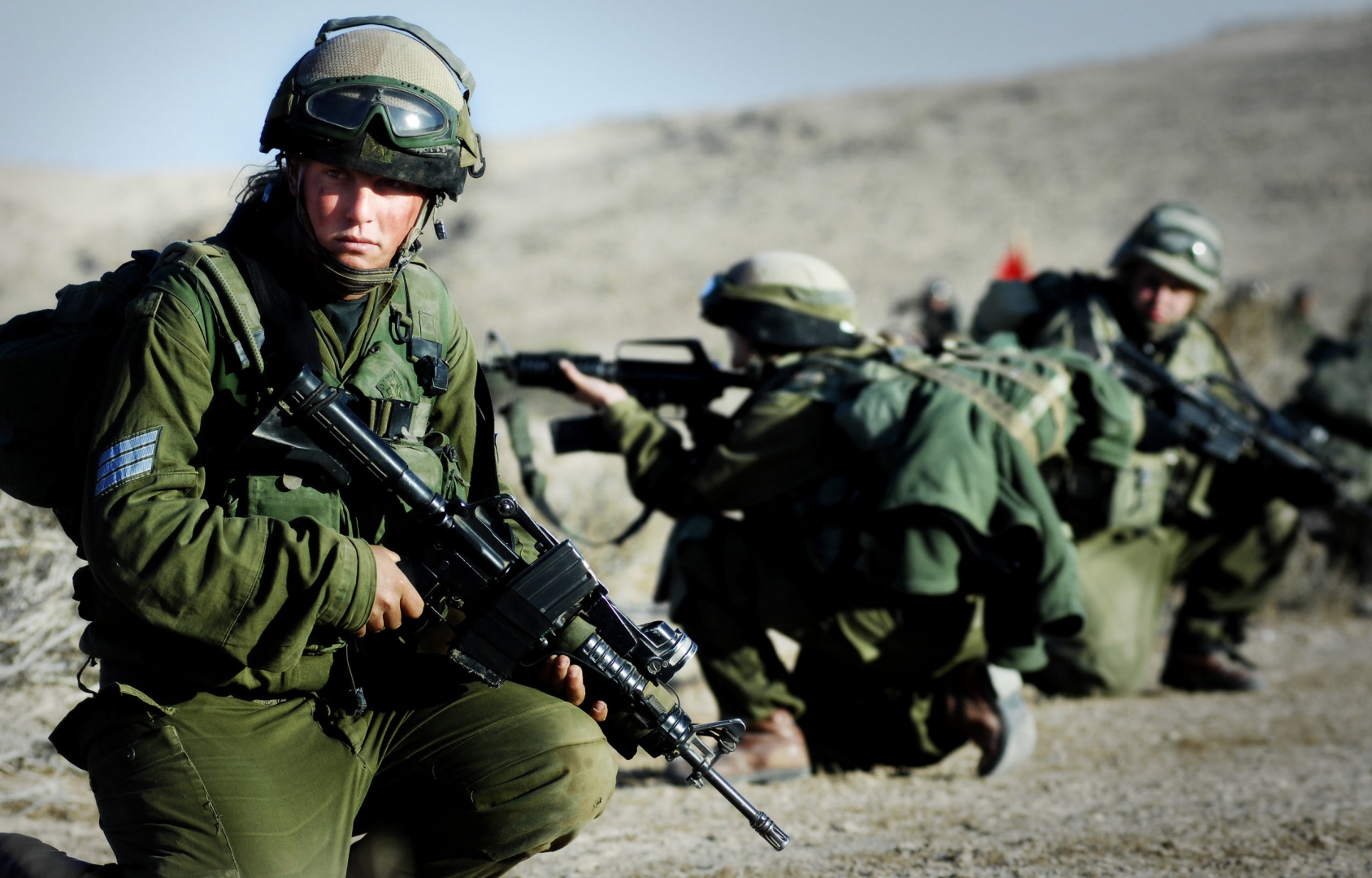
The rank insignia of the Israel Defense Forces (IDF) shares similarities and differences with those of other militaries worldwide, particularly in the Middle East. These variations reflect the historical, cultural, and strategic contexts of each nation’s armed forces.
Similarities and Differences in Design
The IDF rank insignia, like many other militaries, utilizes a system of stripes, chevrons, and stars to denote rank. However, the specific design and arrangement of these elements can differ significantly.
- Stripes: The IDF uses a system of stripes on the sleeves to denote rank, similar to the United States Army and other Western militaries. However, the IDF uses a distinctive color scheme of black and white stripes, while other militaries may use different colors such as gold or red.
- Chevrons: The IDF utilizes chevrons for non-commissioned officers, similar to many other militaries. However, the IDF’s chevrons are often distinguished by their unique shape and placement on the uniform. For example, the IDF’s chevrons for sergeants are typically positioned on the shoulders, while in other militaries they may be placed on the sleeves.
- Stars: The IDF uses stars to denote officers, similar to the United States Army and other Western militaries. However, the IDF’s stars are typically smaller and more numerous than those used by other militaries.
Symbolism and Meaning of Insignia
The symbolism and meaning of rank insignia can vary across different militaries, reflecting their respective cultural and historical contexts.
- Stars: The use of stars in military insignia often symbolizes rank, authority, and leadership. In the IDF, the number of stars on an officer’s collar denotes their seniority.
- Stripes: Stripes, particularly those used on sleeves, often symbolize seniority and experience within the military. The IDF’s black and white stripes are believed to reflect the country’s history and its ongoing struggle for survival.
- Chevrons: Chevrons, typically worn by non-commissioned officers, symbolize their role as leaders and trainers within the military. The IDF’s unique chevron design reflects the country’s commitment to innovation and efficiency.
Rank Structure and Insignia
The rank structure of the IDF is broadly similar to that of other militaries, with a hierarchy of enlisted personnel, non-commissioned officers, and officers. However, the specific ranks and their corresponding insignia can differ significantly.
- Enlisted Personnel: The IDF uses a system of ranks for enlisted personnel, including Private, Corporal, Sergeant, and Staff Sergeant. The insignia for these ranks typically consists of stripes on the sleeves.
- Non-Commissioned Officers: The IDF has a well-defined structure for non-commissioned officers, including Sergeant, Staff Sergeant, Sergeant First Class, and Master Sergeant. These ranks are typically denoted by chevrons on the shoulders.
- Officers: The IDF’s officer ranks include Second Lieutenant, Lieutenant, Captain, Major, Lieutenant Colonel, Colonel, Brigadier General, Major General, Lieutenant General, and General. The insignia for officers typically consists of stars on the collar.
Reasons for Variations in Insignia Design
The variations in insignia design across different militaries are often influenced by a combination of factors, including:
- Historical Influences: The design of military insignia often reflects a nation’s historical and cultural heritage. For example, the IDF’s use of black and white stripes may be influenced by the country’s history of conflict and its ongoing struggle for survival.
- Strategic Considerations: The design of military insignia can also be influenced by strategic considerations. For example, the IDF’s use of smaller stars on its officer’s collars may be a reflection of the country’s need to project a sense of unity and egalitarianism.
- Cultural Norms: The design of military insignia can also be influenced by cultural norms. For example, the IDF’s use of chevrons on the shoulders may be a reflection of the country’s emphasis on leadership and responsibility.
Cultural Impact of Insignia
The rank insignia of the Israel Defense Forces (IDF) has a profound cultural impact, extending beyond the military and permeating Israeli society. The insignia, with its distinct design and symbolism, reflects the nation’s history, values, and aspirations, shaping public perceptions and contributing to the IDF’s image and identity.
Public Perceptions and Interpretations
The IDF’s rank insignia is not merely a system of identifying military hierarchy but also a visual representation of the nation’s military ethos and its role in Israeli society. The star of David, a prominent feature on many insignia, evokes a sense of national pride and connection to Jewish heritage. The colors and designs of the insignia, often inspired by historical military traditions, resonate with a sense of continuity and national identity.
Role in Shaping the Image and Identity of the IDF
The IDF’s rank insignia plays a significant role in shaping its image and identity within Israeli society. The public’s perception of the insignia, often linked to notions of bravery, discipline, and national service, reinforces the IDF’s status as a respected and vital institution. The insignia also serves as a symbol of unity and shared purpose, fostering a sense of collective responsibility and national pride.
9. Insignia in Art and Popular Culture
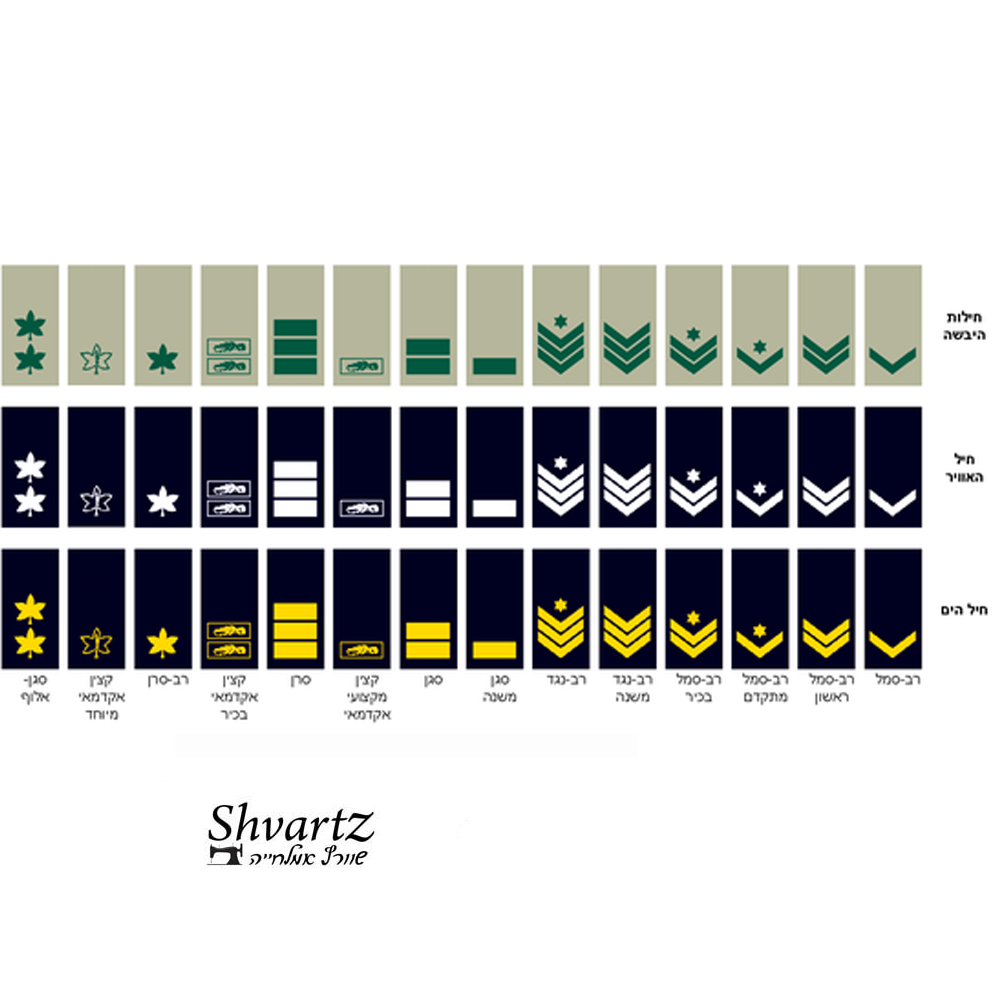
The IDF rank insignia, imbued with a rich history and symbolic meaning, has transcended its military context and found its way into the realm of art and popular culture. From cinematic portrayals to literary descriptions, the insignia has become a visual and narrative element that adds depth and context to fictional worlds. This section explores the various interpretations of IDF rank insignia in different forms of popular culture, analyzing their impact on public perception and the potential ethical implications of their use.
IDF Rank Insignia in Film
The depiction of IDF rank insignia in film offers a glimpse into the visual language of military storytelling. By examining specific examples, we can gain insights into how the insignia is used to convey character roles, power dynamics, and the overall atmosphere of a scene.
- In the Israeli war film “Waltz with Bashir” (2008), the director Ari Folman utilizes animation to depict the psychological impact of war on soldiers. In one scene, a young soldier is shown wearing the insignia of a lieutenant, a rank that symbolizes responsibility and authority. However, the animation style, with its distorted and fragmented imagery, suggests the soldier’s internal turmoil and the fragility of his sense of self.
- In the action thriller “The Debt” (2010), the insignia of a Mossad agent serves as a visual reminder of the character’s past and the weight of their secret mission. The insignia is depicted as a badge of honor, but also as a symbol of the sacrifices and moral dilemmas faced by those who serve their country.
- In the historical drama “The Gatekeepers” (2012), the film explores the inner workings of the Israeli intelligence agency Shin Bet. The rank insignia of the former heads of the Shin Bet are prominently displayed throughout the film, serving as visual markers of their authority and the complex legacy of their actions.
IDF Rank Insignia in Literature
The portrayal of IDF rank insignia in literature offers a different perspective on the insignia, exploring its symbolic significance within the context of a narrative. By comparing and contrasting how the insignia is used in different literary works, we can gain a deeper understanding of its cultural and emotional weight.
- In the contemporary novel “The Seventh Gate” by Amos Oz, the insignia of a young soldier is used to symbolize the conflict between duty and personal identity. The protagonist, a soldier stationed on the Israeli-Lebanese border, struggles with the moral implications of his actions and the burden of carrying the insignia of a powerful military force.
- In the historical novel “The King of the Jews” by David Grossman, the insignia of a Jewish soldier during the Holocaust is used to explore the themes of survival, resistance, and the enduring power of hope. The protagonist, a young man forced into hiding, clings to the insignia as a symbol of his Jewish identity and a reminder of his commitment to his people.
Interpretations of IDF Rank Insignia in Popular Culture
| Form of Popular Culture | Examples | Potential Meanings |
|---|---|---|
| Film | “Waltz with Bashir,” “The Debt,” “The Gatekeepers” | Authority, responsibility, sacrifice, internal conflict, national identity |
| Literature | “The Seventh Gate,” “The King of the Jews” | Duty, personal identity, survival, resistance, hope, moral dilemmas |
| Art | Paintings, sculptures, photographs depicting IDF soldiers | Patriotism, bravery, strength, resilience, conflict, peace |
| Music | Songs about war, peace, and the Israeli-Palestinian conflict | National pride, loss, longing for peace, political commentary |
Analysis of a Specific Artwork
-
The photograph “IDF Soldier on Patrol” by David Rubinger, taken during the Six-Day War, is a powerful image that captures the intensity and drama of conflict. The soldier, wearing the insignia of a sergeant, is depicted standing guard on a rooftop overlooking the city of Jerusalem. The photograph’s composition, with the soldier silhouetted against the backdrop of the city, emphasizes the soldier’s role as a protector and a symbol of national resilience.
Rubinger’s intent was to capture the human cost of war and the bravery of those who defend their country. The photograph has become an iconic image of the Six-Day War, representing the triumph of the IDF and the enduring spirit of the Israeli people.
10. Future of IDF Rank Insignia

The IDF’s rank insignia, like any military institution’s, reflects its history, values, and aspirations. As the IDF continues to evolve in the face of technological advancements and societal shifts, its rank insignia may also undergo a transformation, reflecting a modern and dynamic military force.
Speculative Design Evolution
The IDF’s rank insignia, like any military institution’s, reflects its history, values, and aspirations. As the IDF continues to evolve in the face of technological advancements and societal shifts, its rank insignia may also undergo a transformation, reflecting a modern and dynamic military force. Here’s a table outlining potential changes to the IDF’s rank insignia:
| Feature | Current Design | Potential Future Design | Reason for Change |
|---|---|---|---|
| Materials | Metal, fabric | Advanced composites, bio-materials | Durability, weight reduction, sustainability |
| Colors | Traditional colors (gold, silver, etc.) | New color palettes, reflective materials | Improved visibility, camouflage considerations |
| Symbolism | Stars, stripes, etc. | Abstract designs, digital elements | Modern aesthetics, reflecting technological advancements |
Influences on Future Insignia
Emerging technologies and societal shifts can influence the future design of IDF rank insignia. Advancements in 3D printing, microelectronics, and bio-luminescence could lead to more complex and intricate designs, potentially incorporating dynamic elements that change color or emit light based on specific conditions. Societal shifts, such as increased gender inclusivity and environmental awareness, could influence the symbolism and aesthetics of insignia.
The IDF might adopt more gender-neutral designs or incorporate elements that promote sustainability and environmental consciousness.
Technological Impact on Insignia
Advanced technologies could be integrated into IDF rank insignia, transforming them from static symbols to dynamic information carriers.
Smart Insignia
Insignia equipped with microchips or sensors could provide additional information about personnel, such as their rank, skills, or medical status. This could enhance security and streamline operations.
Augmented Reality
AR technology could overlay rank information on insignia, making it easier to identify personnel and access relevant data. AR could also be used to provide tactical information or enhance recognition in complex environments.
Personalized Insignia
Insignia could be customized with individual data or preferences, allowing for greater personalization and identity expression. This could foster a sense of belonging and individual pride within the IDF.
Question Bank
What is the significance of the Star of David in IDF insignia?
The Star of David, a prominent feature in IDF insignia, represents the Jewish faith and national identity of Israel. It symbolizes strength, resilience, and the enduring spirit of the Jewish people.
What are the different branches of the IDF and their unique insignia?
The IDF comprises the Army, Navy, and Air Force, each with distinctive insignia. The Army insignia features a stylized Star of David surrounded by a laurel wreath, representing strength and victory. The Navy insignia incorporates a blue and white shield with a ship’s wheel, symbolizing maritime power. The Air Force insignia features a stylized falcon with wings outstretched, representing speed and agility.
How do IDF insignia compare to those of other militaries?
While IDF insignia shares some similarities with other militaries in its use of stars and stripes, it also incorporates unique elements reflecting Israel’s specific history and culture. For example, the prominence of the Star of David sets it apart from most other militaries.
What are some examples of combat badges and service medals awarded by the IDF?
Notable combat badges include the Paratrooper Badge, Golani Brigade Badge, and the Sayeret Matkal Badge, each awarded for specific skills and achievements. Service medals include the Medal of Valor, the Service Medal, and the Distinguished Service Medal, recognizing long service, bravery, and outstanding contributions.
What are the regulations governing the wearing of IDF rank insignia?
The IDF has strict regulations regarding the wearing of rank insignia, including specific placement, orientation, and authorized occasions for their display. These regulations ensure uniformity and proper representation of rank within the military.

Emma Nehls is a military writer and historian with a passion for exploring the intricacies of warfare and the human experience within the military. With extensive knowledge and a deep understanding of military strategy, tactics, and historical contexts, Nehls brings a unique perspective to his writings.
