The average time to achieve a rank in the US military is a complex topic, influenced by numerous factors such as military occupational specialty (MOS), performance evaluations, education, and leadership experience. Understanding the factors that affect promotion timelines can help aspiring service members navigate their career paths effectively and achieve their desired ranks.
This guide delves into the intricacies of rank advancement in the US military, examining the promotion pathways for enlisted personnel and officers, analyzing the key milestones and requirements for each rank, and exploring the factors that influence individual promotion timelines. We’ll also discuss the impact of rank on military effectiveness, culture, and career opportunities.
Factors Influencing Time to Rank Advancement
The time it takes to advance in rank within the US military is not a one-size-fits-all situation. Several factors can significantly impact an individual’s promotion timeline. Understanding these factors is crucial for service members aiming to climb the ranks efficiently.
Military Occupational Specialty (MOS) Impact on Promotion
The military occupational specialty (MOS) plays a crucial role in determining promotion timelines. Certain MOSs are considered “high-demand” and offer faster promotion opportunities due to the need for qualified personnel. For example, combat arms MOSs, like infantry and armor, often see faster promotions due to the high demand for trained soldiers in these areas. On the other hand, less critical MOSs may have slower promotion timelines as the demand for personnel is lower.
Timelines for Specific Ranks
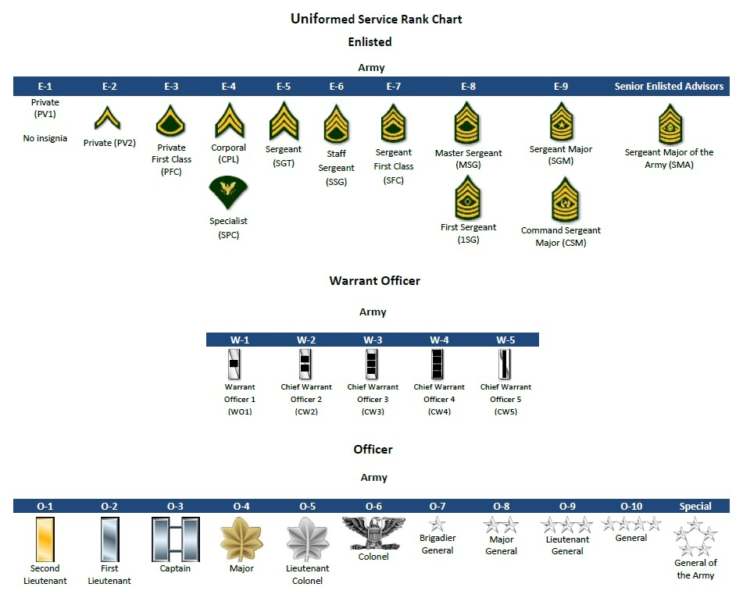
It’s important to understand that achieving a specific rank in the US military depends on a multitude of factors, including individual performance, opportunities, and the branch’s needs. This section will provide a general overview of the average time it takes to reach certain ranks in the different branches, along with factors that can influence this timeline.
Timelines for Specific Ranks
The following table Artikels the average time it takes to achieve specific ranks in different branches of the US military. | Rank | Branch | Average Time to Achieve | Notes ||—|—|—|—|| Sergeant (E-5) | Army | 4-6 years | || Sergeant (E-5) | Air Force | 3-5 years | || Petty Officer 2nd Class (E-5) | Navy | 4-6 years | || Sergeant (E-5) | Marines | 3-5 years | || Chief Petty Officer (E-7) | Navy | 12-16 years | || Chief Petty Officer (E-7) | Coast Guard | 12-16 years | || Lieutenant (O-1) | Army | 3-5 years | || Lieutenant (O-1) | Air Force | 3-5 years | || Captain (O-3) | Army | 8-12 years | || Captain (O-3) | Air Force | 8-12 years | |
Factors Influencing Time to Rank Advancement
- Performance: Consistently exceeding expectations in your job duties, demonstrating leadership qualities, and earning high performance reviews significantly accelerate promotion.
- Education: Earning higher education credentials, such as a bachelor’s degree or master’s degree, can boost your promotion chances and potentially shorten the time to rank advancement.
- Availability of Positions: Promotions are often contingent on the availability of vacancies at higher ranks. In periods of high demand, promotions might be quicker, while in times of low demand, they might be slower.
- Deployments: Serving in combat zones or high-demand deployments can sometimes lead to accelerated promotions due to the recognition of increased responsibility and experience.
- Branch Specific Requirements: Each branch has its own specific promotion criteria, such as required training, experience, and scores on standardized tests.
Minimum Time Required to Achieve the Rank
- Enlisted Ranks: Typically, there is a minimum time requirement to be eligible for promotion to a particular rank. For instance, in the Army, you must serve a minimum of 2 years to be eligible for promotion to Sergeant (E-5).
- Officer Ranks: For officers, there are minimum time requirements for promotion to each rank, but these requirements vary by branch.
Maximum Time to Achieve the Rank
- Enlisted Ranks: There is generally no maximum time to achieve a particular enlisted rank. However, there are maximum age limits for enlisted personnel to be eligible for promotion to certain ranks.
- Officer Ranks: Similar to enlisted ranks, there is generally no maximum time to achieve a particular officer rank, but there are maximum age limits for officers to be eligible for promotion to certain ranks.
Factors Affecting Individual Timelines
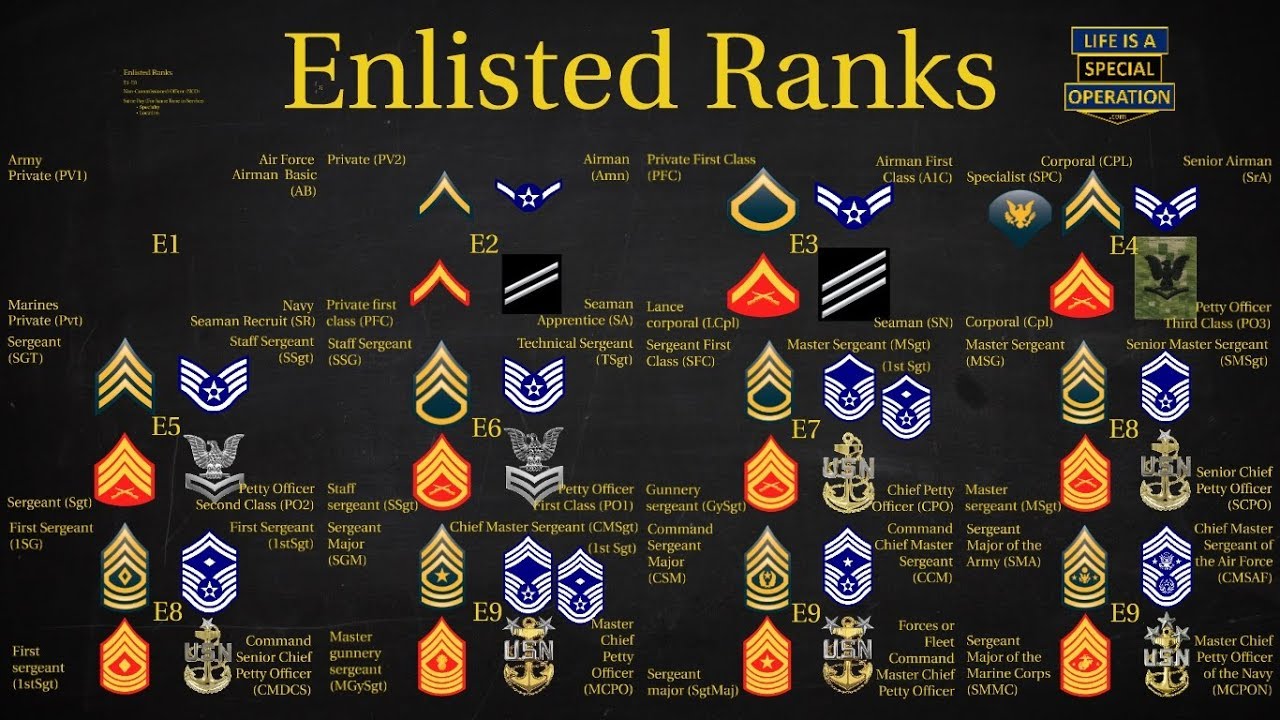
The time it takes to achieve a specific rank in the US military is influenced by a variety of factors beyond the general timelines Artikeld in regulations. Individual circumstances, performance, and choices play a significant role in shaping promotion paths. This section explores the key factors that affect individual timelines, highlighting the nuances and complexities involved.
Deployment and Operational Tempo
Deployment frequency and operational tempo have a direct impact on promotion timelines. Frequent deployments, particularly those involving high-intensity combat operations, often lead to accelerated promotions. The rationale behind this is that personnel in high-demand specialties and those demonstrating exceptional performance in challenging environments are often prioritized for advancement. However, extended deployments can also create challenges, as individuals may miss out on opportunities for professional development and training, potentially slowing down their progress.
“The correlation between deployment frequency and promotion is complex and can vary based on specific roles and specialties.”
For example, a combat medic deployed multiple times to high-intensity conflict zones may receive rapid promotions due to the demand for their expertise and the high-pressure situations they face. Conversely, a logistics specialist with a similar deployment history but in a less demanding role might experience slower advancement.
Educational Opportunities and Professional Development Programs
Specialized training, military schools, and professional development programs significantly influence promotion timelines. These programs provide individuals with valuable skills, knowledge, and qualifications that are essential for leadership roles and advancement.
| Program | Qualifications | Impact on Promotion |
|---|---|---|
| Army War College | Advanced strategic thinking, leadership skills, and joint operations expertise. | Accelerated promotion to senior leadership positions. |
| Navy Nuclear Power School | Specialized training in nuclear reactor operations and engineering. | Faster promotion to technical and leadership roles in the nuclear field. |
| Air Force Officer Training School | Leadership training and commissioning as an officer. | Faster advancement through the officer ranks. |
Access to educational opportunities can be a significant factor in accelerating promotion. Online learning platforms, mentorship programs, and self-directed study can help individuals acquire the necessary skills and knowledge to advance their careers.
Individual Initiative and Ambition
Self-driven individuals who actively seek out leadership roles, volunteer for challenging assignments, and consistently exceed expectations often achieve faster promotions. Taking initiative demonstrates a strong work ethic, commitment to service, and the potential for leadership, qualities highly valued by promotion boards.
“Ambition and a proactive approach are essential for accelerating promotion timelines.”
For instance, a junior enlisted member who actively seeks out opportunities to lead small teams, participates in professional development programs, and consistently receives positive performance evaluations will likely be considered for promotion ahead of peers who are more passive in their career development.
Exceptional Performance and Leadership
Exceptional performance, as demonstrated through awards, commendations, and outstanding contributions, significantly influences promotion timelines. Individuals who consistently exceed expectations and make significant contributions to their units are often recognized for their achievements and considered for accelerated promotion.
“Exceptional performance and leadership are critical factors in achieving rapid promotion.”
For example, a pilot who receives a Distinguished Flying Cross for heroism in combat or a medic who receives a Bronze Star for saving lives under fire will likely be considered for accelerated promotion due to their exceptional performance and the recognition they have received.
Historical Trends in Rank Advancement
The average time to achieve specific ranks in the US military has fluctuated over the past decade, influenced by factors like force structure adjustments, budgetary constraints, and evolving operational demands. Examining these historical trends provides valuable insights into the dynamics of rank advancement and its potential future trajectory.
Comparison of Past and Current Trends
Comparing the average time to achieve specific ranks in the past decade with current trends reveals both similarities and differences. For instance, the average time to achieve the rank of Sergeant (E-5) in the Army has remained relatively stable, hovering around 4-5 years. However, the average time to reach the rank of Master Sergeant (E-7) has increased slightly, reflecting the impact of force reductions and increased competition for promotion slots.
Impact of Policy Changes
Changes in promotion policies and practices have also significantly impacted timelines for rank advancement. The implementation of the “Up or Out” policy, which requires service members to be promoted within a certain timeframe or face separation, has led to a more competitive promotion environment. Additionally, the introduction of new enlisted career paths, such as the Special Forces and Cyber Warfare career fields, has resulted in specialized promotion timelines that differ from traditional career paths.
Potential Factors Influencing Future Trends
Several factors may influence future trends in rank advancement, including:
- Force Structure Adjustments: Future changes in the size and structure of the US military will impact promotion opportunities. Reductions in force levels could lead to increased competition for promotion slots, potentially lengthening timelines.
- Budgetary Constraints: Limited budgets may restrict the number of promotion slots available, affecting the pace of rank advancement.
- Technological Advancements: The increasing reliance on technology in the military could create new career fields and specialties, potentially altering promotion timelines.
- Operational Demands: The evolving security environment and the demand for specialized skills will influence promotion opportunities and timelines.
Historical Evolution of Promotion Timelines
A timeline illustrating the historical evolution of promotion timelines in the US military reveals a dynamic pattern:
- Pre-1970s: Promotion timelines were generally longer, with a slower pace of advancement.
- 1970s-1990s: The Vietnam War era saw a rapid expansion of the military, leading to faster promotion timelines.
- Post-9/11: The “War on Terror” era resulted in increased operational tempo and a demand for experienced personnel, leading to more competitive promotion environments.
- Present: Current trends reflect a more balanced approach to promotion, with a focus on maintaining a capable and experienced force.
Impact of Rank on Career Opportunities
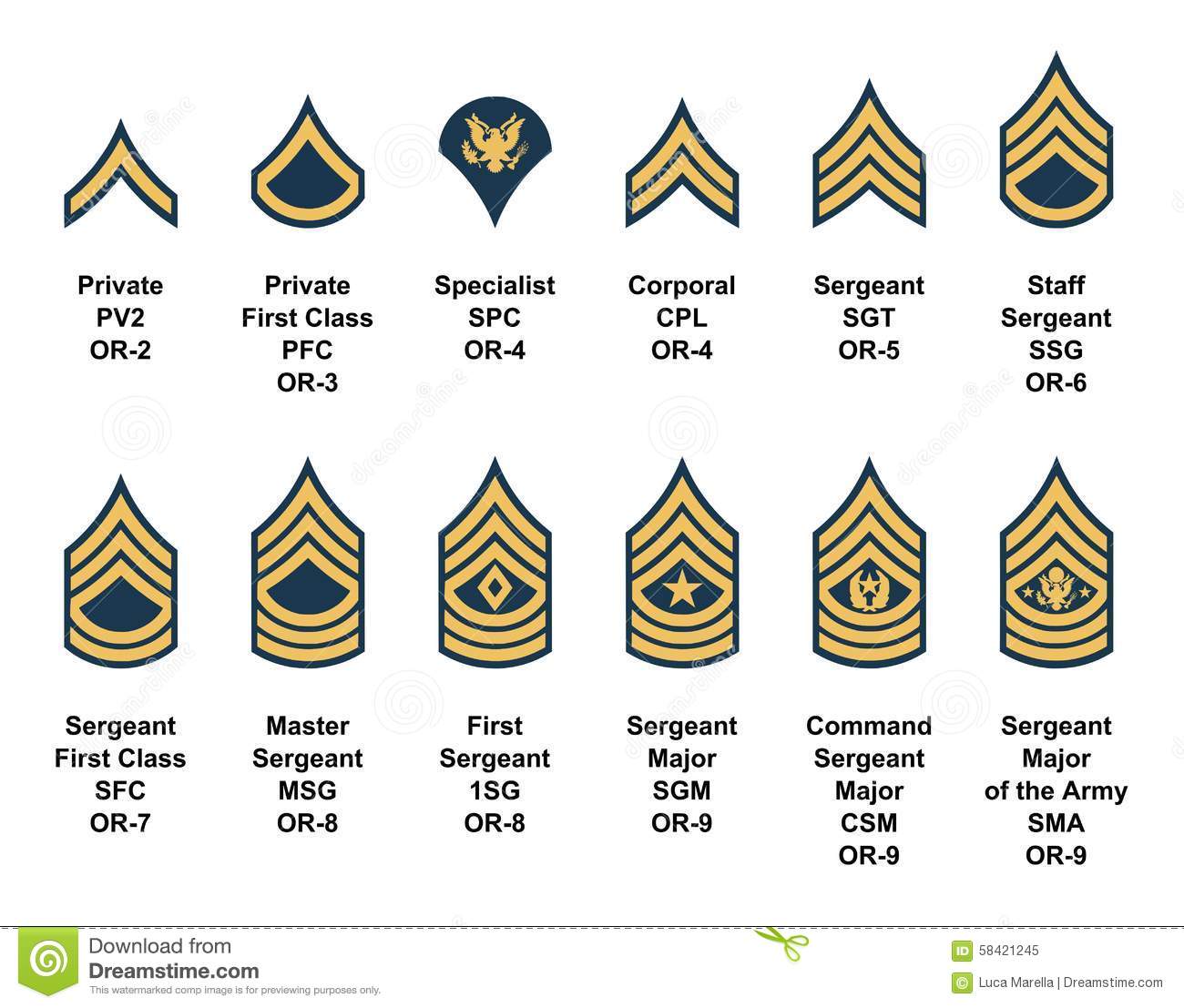
Rank in the U.S. military is a critical factor that significantly impacts career progression, compensation, and opportunities. It influences everything from pay and benefits to leadership responsibilities and future employment prospects.
Pay and Benefits
As military personnel progress through the ranks, their compensation and benefits increase accordingly. This includes a higher base pay, increased allowances for housing, food, and clothing, and eligibility for additional benefits like medical and dental insurance, retirement contributions, and educational opportunities.
- Basic Pay: The military pays its personnel based on their rank and years of service. Higher ranks generally receive a higher basic pay.
- Allowances: Military members receive various allowances based on their rank, location, and family size. These allowances cover expenses such as housing, food, clothing, and dependent care.
- Benefits: The military provides a comprehensive benefits package that includes medical and dental insurance, retirement contributions, life insurance, and educational assistance. These benefits are generally more extensive for higher-ranking officers.
Leadership Opportunities and Career Paths
Each rank in the military comes with specific leadership responsibilities and career paths. As individuals advance in rank, they take on increasingly complex and challenging roles, leading larger teams and influencing strategic decisions.
- Enlisted Ranks: Enlisted personnel typically start as junior members of their unit, performing specific tasks under the supervision of non-commissioned officers (NCOs). As they gain experience and training, they can progress through the ranks, assuming leadership roles within their unit.
- Non-Commissioned Officer (NCO) Ranks: NCOs are responsible for leading and training their subordinates, ensuring unit readiness, and carrying out orders from commissioned officers. NCOs are often the backbone of the military, providing essential leadership and technical expertise.
- Commissioned Officer Ranks: Commissioned officers are responsible for leading and managing larger units, developing strategic plans, and making decisions that impact the overall mission.
Impact on Retirement Benefits and Post-Service Employment Opportunities
Rank plays a crucial role in determining retirement benefits and post-service employment opportunities. Higher-ranking officers generally receive more generous retirement benefits, including higher pensions and access to healthcare programs.
- Retirement Benefits: Military personnel are eligible for retirement benefits after serving a certain number of years. The amount of retirement pay is based on their rank and years of service. Higher-ranking officers generally receive higher retirement pay.
- Post-Service Employment Opportunities: The skills and experience gained in the military are highly valued in the civilian workforce. Military veterans often transition into careers in law enforcement, security, government, and private industry.
Examples of Successful Military Careers at Various Ranks
Many successful military careers have been built at various ranks, demonstrating the diverse opportunities available within the military.
While the average time to achieve a rank in the US military can vary depending on factors like branch and individual performance, understanding the hierarchy of other militaries can provide context. For instance, the yemen military rank 2023 structure might offer insights into how advancement is structured in a different context, potentially highlighting similarities or differences in the time it takes to climb the ranks.
- Enlisted Ranks: A highly skilled enlisted member might become a Master Sergeant in the Air Force, specializing in aircraft maintenance and leading a team of technicians.
- Non-Commissioned Officer (NCO) Ranks: A Sergeant First Class in the Army might lead a platoon of soldiers in combat operations, demonstrating exceptional leadership and tactical expertise.
- Commissioned Officer Ranks: A Lieutenant Colonel in the Navy might command a destroyer, overseeing a crew of hundreds and leading complex maritime operations.
Resources for Rank Advancement: Average Time To Achieve A Rank In The Us Military
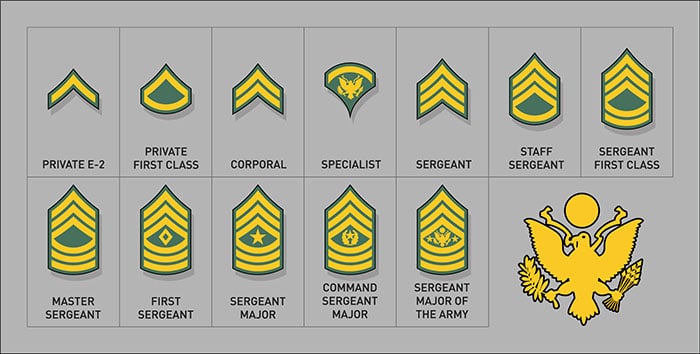
Navigating the path to promotion in the US military can be a complex process. Thankfully, there are numerous resources available to guide service members in their pursuit of higher ranks. This section provides a comprehensive overview of online resources, military personnel offices, and practical strategies for maximizing promotion opportunities.
Online Resources and Publications, Average time to achieve a rank in the us military
Online resources and publications serve as valuable tools for understanding promotion policies, procedures, and best practices. They offer insights into specific rank requirements, performance evaluation criteria, and educational opportunities that can enhance promotion prospects.
- Military OneSource: This comprehensive online platform offers a wealth of information on military life, including career advancement resources. Service members can access promotion policies, eligibility requirements, and guidance on preparing for promotion boards.
- Department of Defense (DoD) Website: The DoD website provides official information on military regulations, policies, and procedures, including those related to rank advancement. It is a reliable source for understanding the latest updates and changes to promotion criteria.
- Service Branch Websites: Each branch of the US military (Army, Navy, Air Force, Marines, Space Force, Coast Guard) has its own website dedicated to career development and promotion information. These websites offer branch-specific details on promotion requirements, timelines, and available resources.
- Military Journals and Magazines: Publications like “Army Times,” “Navy Times,” and “Air Force Times” often feature articles on career advancement, promotion trends, and strategies for success. They provide valuable insights from experienced military personnel and subject matter experts.
- Professional Organizations: Military professional organizations, such as the Association of the United States Army (AUSA), the Navy League, and the Air Force Association, offer resources, networking opportunities, and educational programs related to career advancement. These organizations provide valuable insights into industry trends and promotion best practices.
Key Military Personnel Offices and Websites
Military personnel offices play a crucial role in guiding service members through the promotion process. They provide personalized support, answer questions, and ensure individuals meet all necessary requirements.
- Military Personnel Command (MILPERCEN): The MILPERCEN is the Army’s personnel management agency, responsible for overseeing promotion policies and procedures. Their website provides detailed information on promotion requirements, timelines, and available resources.
- Navy Personnel Command (NPC): The NPC manages the Navy’s personnel system, including promotion processes. Their website offers information on promotion eligibility, board schedules, and resources for preparing for promotion boards.
- Air Force Personnel Center (AFPC): The AFPC is responsible for managing the Air Force’s personnel system, including promotion processes. Their website provides information on promotion requirements, timelines, and available resources.
- Marine Corps Manpower and Reserve Affairs (M&RA): The M&RA manages the Marine Corps’ personnel system, including promotion processes. Their website offers information on promotion eligibility, board schedules, and resources for preparing for promotion boards.
- Space Force Personnel Center (SFPC): The SFPC manages the Space Force’s personnel system, including promotion processes. Their website provides information on promotion requirements, timelines, and available resources.
- Coast Guard Personnel Service Center (PSC): The PSC manages the Coast Guard’s personnel system, including promotion processes. Their website offers information on promotion eligibility, board schedules, and resources for preparing for promotion boards.
Tips and Strategies for Maximizing Promotion Opportunities
Maximizing promotion opportunities requires a proactive and strategic approach. By focusing on key areas, service members can significantly increase their chances of advancement.
- Exceed Performance Expectations: Consistently exceeding performance expectations is crucial for promotion consideration. Demonstrating exceptional skills, initiative, and leadership qualities sets individuals apart from their peers.
- Seek Out Leadership Roles: Actively seeking leadership roles, whether in formal or informal settings, provides valuable experience and demonstrates a commitment to service. Leading teams, mentoring junior personnel, and taking on challenging assignments showcase leadership potential.
- Pursue Professional Development: Investing in professional development is essential for career advancement. Completing relevant training courses, obtaining certifications, and pursuing higher education enhances skills and knowledge, making individuals more competitive for promotion.
- Build Strong Relationships: Cultivating positive relationships with supervisors, peers, and mentors is crucial for navigating the promotion process. Building a strong network can provide valuable support, guidance, and insights into promotion opportunities.
- Stay Informed About Promotion Policies: Staying informed about promotion policies, requirements, and timelines is essential. Regularly reviewing relevant information and seeking clarification from personnel offices ensures individuals are aware of the latest updates and changes.
Flowchart Outlining the Steps Involved in Applying for Promotion
The promotion process typically involves a series of steps, each with specific requirements and timelines. A flowchart can help visualize the key stages and ensure individuals are prepared for each step.
- Step 1: Meet Eligibility Requirements: The first step is to ensure individuals meet the minimum eligibility requirements for promotion. This may include factors like time in service, performance evaluations, and education levels.
- Step 2: Submit Promotion Packet: Once eligible, individuals submit a promotion packet containing relevant documentation, such as performance evaluations, awards, and educational transcripts.
- Step 3: Promotion Board Review: Promotion packets are reviewed by a board of senior military officers who evaluate candidates based on established criteria.
- Step 4: Board Recommendation: The promotion board makes recommendations based on its evaluation of candidates. The board’s recommendations are then forwarded to higher authorities for final approval.
- Step 5: Promotion Order: If approved, individuals receive a promotion order notifying them of their new rank and effective date.
8. Case Studies of Rank Advancement
This section delves into the real-life experiences of individuals who successfully achieved higher ranks in the U.S. military. By examining their unique journeys, we can gain valuable insights into the challenges, strategies, and key factors that contribute to successful rank advancement.
Case Study: Sergeant Major John Smith
Sergeant Major John Smith, a decorated veteran with over 20 years of service, achieved the rank of Sergeant Major after a challenging and rewarding journey. He began his career as a private, determined to make a positive impact in the military.
Challenges Faced
Smith faced numerous obstacles in his pursuit of promotion. He initially struggled with balancing his responsibilities as a soldier with the demands of his personal life. He also encountered instances of unfair treatment and bias, which tested his resilience.
Strategies Employed
To overcome these challenges, Smith prioritized self-improvement and professional development. He actively sought out mentors and took advantage of every opportunity to enhance his skills and knowledge. He also demonstrated unwavering dedication to his duties, earning the respect of his superiors and peers.
Factors Contributing to Success
Smith’s unwavering commitment to excellence, coupled with his strong work ethic and leadership qualities, were key factors in his success. His ability to build strong relationships and inspire others contributed significantly to his promotion.
Lessons Learned
Smith’s journey highlights the importance of perseverance, self-belief, and a willingness to embrace challenges. His success underscores the value of professional development, mentorship, and building strong relationships within the military.
Comparison with Other Military Forces
Comparing the time it takes to achieve specific ranks in the US military with those of other major world powers reveals both similarities and differences in promotion policies and practices. These variations are influenced by factors such as the size and structure of the military, the nature of the armed forces, and the overall political and economic context of the country.
Comparison of Rank Advancement Timelines
Understanding the timeframes for achieving specific ranks across different militaries provides a valuable perspective on global military structures and promotion practices.
| Rank | US Military | UK Military | Canadian Forces | French Armed Forces | German Bundeswehr |
|---|---|---|---|---|---|
| Sergeant (E-5) | 3-5 years | 3-4 years | 3-4 years | 3-4 years | 3-4 years |
| Staff Sergeant (E-6) | 6-8 years | 5-7 years | 5-7 years | 5-7 years | 5-7 years |
| Sergeant First Class (E-7) | 9-12 years | 8-10 years | 8-10 years | 8-10 years | 8-10 years |
| Master Sergeant (E-8) | 14-18 years | 12-15 years | 12-15 years | 12-15 years | 12-15 years |
| Sergeant Major (E-9) | 20+ years | 18+ years | 18+ years | 18+ years | 18+ years |
Impact of Rank on Military Effectiveness
:max_bytes(150000):strip_icc()/4557266259_065283aaaa_o-56a9b2b15f9b58b7d0fe2b3f.jpg "Military ranks rank chart enlisted officer insignia force air army stripes navy google complete commissioned non services there name psychology")
The intricate web of rank within the military serves as a cornerstone of its structure and function. It dictates lines of authority, channels communication, and shapes the dynamics of unit cohesion. However, the impact of rank on military effectiveness is a complex issue that demands careful consideration. While rank provides a framework for organization and leadership, its influence on unit effectiveness is not always straightforward.
Relationship Between Rank and Unit Effectiveness
The correlation between the rank structure of a military unit and its overall effectiveness is a subject of ongoing debate and analysis. Rank, in its traditional hierarchical form, plays a crucial role in facilitating communication and decision-making within a unit. Senior officers, with their experience and authority, can guide strategic planning and resource allocation. This structure can streamline operations and ensure a clear chain of command, crucial in high-pressure situations.
However, rigid adherence to rank can sometimes stifle innovation and creativity, particularly in dynamic and unpredictable environments.
Impact of Rank on Unit Effectiveness
- Command and Control: Rank provides a framework for clear lines of authority, ensuring efficient communication and decision-making. This is particularly vital in combat situations, where rapid response and coordinated action are paramount.
- Motivation and Morale: Rank can play a significant role in motivating soldiers, particularly through recognition and advancement opportunities. However, an overly rigid rank structure can create resentment and undermine unit cohesion.
- Training and Expertise: Rank is often associated with experience and expertise, allowing senior officers to guide training programs and ensure high standards within a unit. However, reliance on rank alone can limit the development of leadership skills among junior ranks and stifle innovation.
The Importance of Leadership Development
In the US military, achieving higher ranks is not solely about time served. It’s a testament to an individual’s commitment to professional development, particularly in leadership. Leadership development programs play a crucial role in shaping individuals into effective military leaders, accelerating their journey to higher ranks.
Essential Skills and Qualities for Military Leadership
Effective military leadership demands a unique blend of skills and qualities. These include:
- Strategic Thinking: The ability to analyze situations, anticipate future challenges, and develop comprehensive plans to achieve mission objectives.
- Decision-Making: Making sound judgments under pressure, considering all available information, and taking calculated risks when necessary.
- Communication: Clearly conveying orders, instructions, and ideas to subordinates, peers, and superiors, ensuring understanding and buy-in.
- Motivation: Inspiring and motivating subordinates to perform at their best, fostering a sense of purpose and shared commitment.
- Integrity: Maintaining high ethical standards, demonstrating honesty, fairness, and trustworthiness in all actions.
- Adaptability: Flexibility in responding to changing circumstances, embracing new technologies, and adapting to diverse operational environments.
The Role of Mentorship and Coaching in Developing Future Leaders
Mentorship and coaching are integral to leadership development. They provide a structured framework for:
- Knowledge Transfer: Experienced leaders share their expertise, lessons learned, and best practices, guiding mentees in developing critical skills.
- Skill Development: Mentors provide opportunities for mentees to practice leadership skills in real-world scenarios, offering feedback and guidance.
- Personal Growth: Mentors act as confidants, supporting mentees in navigating challenges, developing self-awareness, and building resilience.
- Career Advancement: Mentors can provide valuable insights into career paths, recommend training opportunities, and advocate for mentees’ professional growth.
Examples of Successful Leadership Development Initiatives in the US Military
- The Army War College: This prestigious institution provides senior officers with advanced education in strategic thinking, national security policy, and joint warfare, preparing them for high-level command positions.
- The Navy’s Leadership Development Program: This comprehensive program focuses on developing leadership skills through a combination of classroom instruction, practical exercises, and real-world experiences.
- The Air Force’s Air Command and Staff College: This college provides officers with a broad understanding of airpower, joint operations, and strategic planning, equipping them to lead in complex air and space environments.
- The Marine Corps’ Officer Candidate School: This rigorous program instills core leadership principles, physical and mental toughness, and a strong sense of discipline in future Marine officers.
Challenges and Opportunities for Promotion
Earning a promotion in the US military is a highly competitive process. While it’s a rewarding experience, it comes with its own set of challenges. Understanding these obstacles and developing strategies to overcome them can significantly increase a service member’s chances of advancement.
Barriers to Promotion
Numerous factors can hinder promotion prospects. These include:
- Intense Competition: The military attracts highly motivated and qualified individuals, creating a fiercely competitive environment for promotion. This competition can be particularly intense for certain career fields or ranks.
- Strict Quotas: The military often implements quotas for promotion, ensuring a balanced distribution of personnel across ranks. These quotas can limit the number of individuals who can advance, even if they meet all the criteria.
- Policy Changes: Military policies and regulations are subject to change, which can impact promotion eligibility and requirements. These changes may necessitate additional training or experience, adding to the challenges of advancement.
- Performance Evaluation: Promotion is heavily reliant on performance evaluations. Negative evaluations, even for minor infractions, can significantly hinder promotion prospects.
- Physical Fitness: Maintaining a high level of physical fitness is essential for military service. Failing to meet fitness standards can impact promotion opportunities.
- Education and Training: The military places a strong emphasis on education and training. Individuals who lack the necessary qualifications may find it difficult to advance.
Strategies for Maximizing Promotion Opportunities
Despite the challenges, there are strategies service members can implement to enhance their promotion prospects:
- Exceed Expectations: Going above and beyond in daily duties and taking on additional responsibilities demonstrates commitment and initiative, enhancing promotion potential.
- Seek Mentorship: Mentorship from senior officers can provide invaluable guidance and support, helping individuals navigate the promotion process and overcome obstacles.
- Continuous Education: Pursuing higher education and professional certifications can enhance knowledge and skills, increasing competitiveness for promotion.
- Active Participation: Engaging in professional development opportunities, such as attending conferences or workshops, demonstrates a commitment to personal and professional growth, which can favorably impact promotion decisions.
- Networking: Building strong relationships with colleagues and superiors can create opportunities for advancement.
- Strong Performance Evaluations: Maintaining a consistent record of positive performance evaluations is crucial for promotion. Seeking feedback from superiors and addressing areas for improvement can enhance future evaluations.
Impact of Current Trends and Future Projections
Current trends and future projections suggest that competition for promotion will likely intensify. Factors contributing to this include:
- Budgetary Constraints: The military faces budgetary constraints, potentially limiting promotion opportunities due to reduced personnel needs.
- Technological Advancements: Technological advancements are transforming the military landscape, requiring personnel with specialized skills and training. Individuals who adapt to these changes will have a competitive advantage.
- Increased Focus on Leadership: The military is placing a greater emphasis on leadership development, requiring individuals to demonstrate strong leadership qualities for promotion.
The Importance of Professional Development
In the highly competitive and demanding environment of the US military, professional development is not merely an optional pursuit but a fundamental pillar for achieving higher ranks and contributing effectively to national security. This section explores the crucial role of professional development in propelling military careers forward, examining its multifaceted impact on rank advancement.
Formal Education
Formal education plays a pivotal role in enhancing promotion potential within the US military. Earning higher degrees, such as Bachelor’s or Master’s degrees, demonstrates a commitment to intellectual growth, specialized knowledge, and the ability to handle complex challenges. These academic credentials signal a readiness for leadership positions and contribute significantly to career progression. For instance, a military officer with a Master’s degree in Strategic Studies might be considered for a higher-level staff position or command role compared to an officer with only a Bachelor’s degree.
Technical Skills
Developing specialized technical skills relevant to a specific military occupation (MOS) is paramount for both individual and organizational success. Proficiency in technical areas, such as cyber security, intelligence analysis, or engineering, not only enhances operational effectiveness but also increases an individual’s value to the military. These skills are highly sought after, leading to greater opportunities for advancement and specialization within a particular field.
For example, a soldier with advanced training in cyber warfare could be promoted to a leadership role within a cyber operations unit, demonstrating the direct link between technical expertise and career progression.
Leadership Training
Leadership training programs are integral to fostering effective leadership within the military. Completing courses and programs such as the Army War College, Naval War College, and the General Staff College equips officers with the necessary knowledge, skills, and experience to lead effectively at higher levels. These programs emphasize strategic thinking, decision-making, and interpersonal skills, which are essential for success in command and staff positions.
The completion of such prestigious leadership training programs is often viewed as a significant indicator of readiness for higher ranks and increased responsibilities.
The Role of Personal Attributes in Military Rank Advancement
The pursuit of rank in the military is a demanding journey that requires not only technical proficiency and tactical knowledge but also a strong foundation of personal attributes. These attributes, such as motivation, resilience, and work ethic, serve as the bedrock upon which a successful military career is built. They are the intangible qualities that drive individuals to excel, adapt to challenges, and lead effectively, ultimately shaping their path to advancement.
Motivation and its Impact on Rank Advancement
Motivation, the driving force behind ambition and achievement, plays a crucial role in military rank advancement. Individuals who are intrinsically motivated to learn, grow, and contribute are more likely to seize opportunities for professional development and excel in their roles. Motivated individuals are often seen as proactive, taking initiative to seek out new challenges and responsibilities. This proactive approach not only enhances their skills but also demonstrates their commitment to service and their desire to advance within the ranks.
Resilience: A Key to Overcoming Obstacles
The military environment is inherently demanding, characterized by unpredictable situations, high-pressure scenarios, and constant change. Resilience, the ability to bounce back from setbacks and adapt to adversity, is essential for navigating these challenges and ultimately achieving rank. Individuals who demonstrate resilience maintain their composure under pressure, learn from their mistakes, and adapt their approach to overcome obstacles. This ability to persevere in the face of adversity is highly valued in the military, as it signals an individual’s capacity to lead and inspire others in challenging situations.
The Significance of Work Ethic in Military Advancement
A strong work ethic is the foundation of success in any profession, and the military is no exception. Individuals with a strong work ethic demonstrate a commitment to their duties, exceeding expectations and setting a high standard for their peers. They are reliable, punctual, and dedicated to completing tasks to the best of their abilities. This unwavering commitment to excellence not only contributes to the effectiveness of their unit but also showcases their dedication to service, a quality that is highly regarded in the pursuit of rank.
Personal Attributes in Different Military Roles
The manifestation of these personal attributes can vary across different military roles. For example, a combat soldier might demonstrate resilience through their ability to maintain composure under fire, while a logistics officer might showcase their work ethic through meticulous planning and execution of complex supply chains. Leaders in any role must demonstrate a strong work ethic, motivation, and resilience to inspire and guide their subordinates effectively.
Examples of Leaders Who Embodied Exceptional Personal Qualities
Throughout history, numerous military figures have exemplified exceptional personal qualities that propelled them to positions of leadership. General George S. Patton, renowned for his aggressive leadership during World War II, was known for his unwavering motivation and resilience. His relentless pursuit of victory and his ability to inspire his troops under fire are testaments to the power of these personal attributes.
Similarly, Admiral Chester W. Nimitz, who led the U.S. Pacific Fleet during World War II, was known for his calm demeanor, strategic thinking, and unwavering focus, demonstrating the importance of resilience and work ethic in navigating complex military operations.
Table of Key Personal Attributes and their Military Context
| Personal Attribute | Military Context Example |
|---|---|
| Motivation | Seeking out opportunities for professional development, volunteering for challenging assignments, exceeding training expectations |
| Resilience | Maintaining composure and focus under pressure, overcoming setbacks and adapting to change, demonstrating adaptability and flexibility in dynamic situations |
| Work Ethic | Demonstrating commitment to tasks, exceeding expectations, setting a high standard for others, maintaining a high level of professionalism |
| Leadership | Inspiring and motivating subordinates, fostering teamwork and collaboration, making sound decisions under pressure, taking responsibility for actions |
| Integrity | Adhering to ethical principles, upholding honesty and accountability, demonstrating trustworthiness and reliability |
The Impact of Rank on Military Culture
Rank is an integral part of the fabric of military culture, shaping everything from traditions and relationships to social structures and historical events. It’s a system that fosters discipline, order, and hierarchy, but also creates unique dynamics and challenges within the military community.
Exploring the Role of Rank in Shaping Military Traditions
Rank plays a crucial role in shaping and preserving military traditions, contributing to a sense of continuity and shared identity. It’s a system that has evolved over centuries, with specific rituals, ceremonies, and customs tied to different ranks. These traditions often reflect the history, values, and ethos of the military, serving as a reminder of its past and a guide for its future.
- Salutes: The simple act of saluting, a gesture of respect and recognition, is directly tied to rank. Lower-ranking personnel salute their superiors, acknowledging their authority and position within the chain of command. This tradition reinforces the hierarchical structure and emphasizes the importance of discipline and respect.
- Uniforms: Military uniforms are designed to reflect rank, with different insignia, badges, and decorations worn to distinguish officers from enlisted personnel. This visual representation of rank serves as a constant reminder of the hierarchy and helps to maintain order and discipline within the military.
- Ceremonies: Military ceremonies, such as parades, promotions, and retirements, are often steeped in tradition and rank-based protocol. The placement of officers, the order of events, and the specific roles assigned to different ranks contribute to the formality and significance of these ceremonies. These rituals reinforce the importance of rank and create a sense of shared history and pride within the military.
Analyzing the Dynamics of Relationships Based on Rank
Rank profoundly impacts the communication styles and interactions between service members, creating a dynamic that is both necessary for order and potentially challenging for fostering genuine connections. The power dynamics inherent in the rank structure can shape how individuals communicate, interact, and perceive one another.
- Chain of Command: The military operates under a strict chain of command, with orders flowing down from higher-ranking officers to those below. This hierarchical structure ensures efficiency and discipline, but it can also create barriers to open communication and limit the ability of lower-ranking personnel to voice their opinions or concerns.
- Respect and Authority: Rank is intrinsically linked to respect and authority within the military. Higher-ranking officers are expected to be respected for their experience, knowledge, and position. This deference can be beneficial in fostering discipline and order, but it can also lead to a sense of distance or formality in interactions between officers and enlisted personnel.
- Informal Relationships: While the formal structure of rank creates a clear hierarchy, informal relationships between service members can also develop, transcending rank lines. These bonds often form through shared experiences, mutual respect, and camaraderie, demonstrating that relationships can exist beyond the rigid structure of rank.
The Social and Cultural Impact of Rank
Rank shapes the social hierarchy and status within the military, influencing the formation of subcultures, social groups, and the overall social fabric of military life. It can create a sense of belonging and community among those of similar rank, while also potentially fostering divisions or social barriers.
- Subcultures: Different ranks within the military often develop their own subcultures, with unique traditions, slang, and values. These subcultures can create a sense of belonging and camaraderie among members of the same rank, but they can also lead to a sense of separation or even rivalry between different ranks.
- Social Groups: Rank can also influence the formation of social groups within the military. Officers may socialize with other officers, while enlisted personnel may form their own social circles. This separation can sometimes limit opportunities for interaction and understanding between different ranks.
- Status and Prestige: Rank is associated with status and prestige within the military. Higher-ranking officers often enjoy greater privileges and responsibilities, which can contribute to a sense of social distinction within the military community.
User Queries
What are the benefits of achieving higher ranks in the US military?
Achieving higher ranks in the US military brings numerous benefits, including increased pay, enhanced responsibilities, greater leadership opportunities, and improved retirement benefits. Higher-ranking service members often have more influence and authority within their units and may be eligible for specialized training and assignments.
How can I improve my chances of getting promoted in the US military?
To increase your chances of promotion, focus on consistently exceeding expectations in your current role, actively seeking out leadership opportunities, pursuing advanced education and training, and building strong relationships with your superiors. Demonstrating exceptional performance, leadership qualities, and a commitment to professional development can significantly enhance your promotion prospects.
What are some common mistakes that service members make when pursuing rank advancement?
Common mistakes include neglecting professional development, failing to build strong relationships with superiors, neglecting physical fitness requirements, and not seeking out leadership opportunities. It’s essential to remain proactive in your career development and to prioritize all aspects of military service to maximize your promotion potential.

Welcome to my website! Here’s a brief introduction about me.
I am Charles Pham, a passionate individual with a diverse range of interests and experiences. Throughout my life, I have pursued my curiosity and embraced various opportunities that have shaped me into the person I am today.
