Yemen Military Rank 2023 delves into the intricate world of military hierarchy in a country grappling with conflict and political instability. This comprehensive guide provides an in-depth analysis of the Yemeni military’s rank structure, its historical evolution, and its impact on the ongoing conflict. From understanding the current organizational structure to examining the influence of key figures, this exploration sheds light on the complexities of military power dynamics in Yemen.
The Yemeni military has undergone significant transformations over the years, shaped by historical events, political shifts, and external influences. This guide examines the impact of these factors on the military’s rank system, its effectiveness in achieving its objectives, and its role in the country’s future. By analyzing the challenges and opportunities facing the Yemeni military, we gain valuable insights into the complexities of navigating a conflict-ridden environment.
Current Military Structure
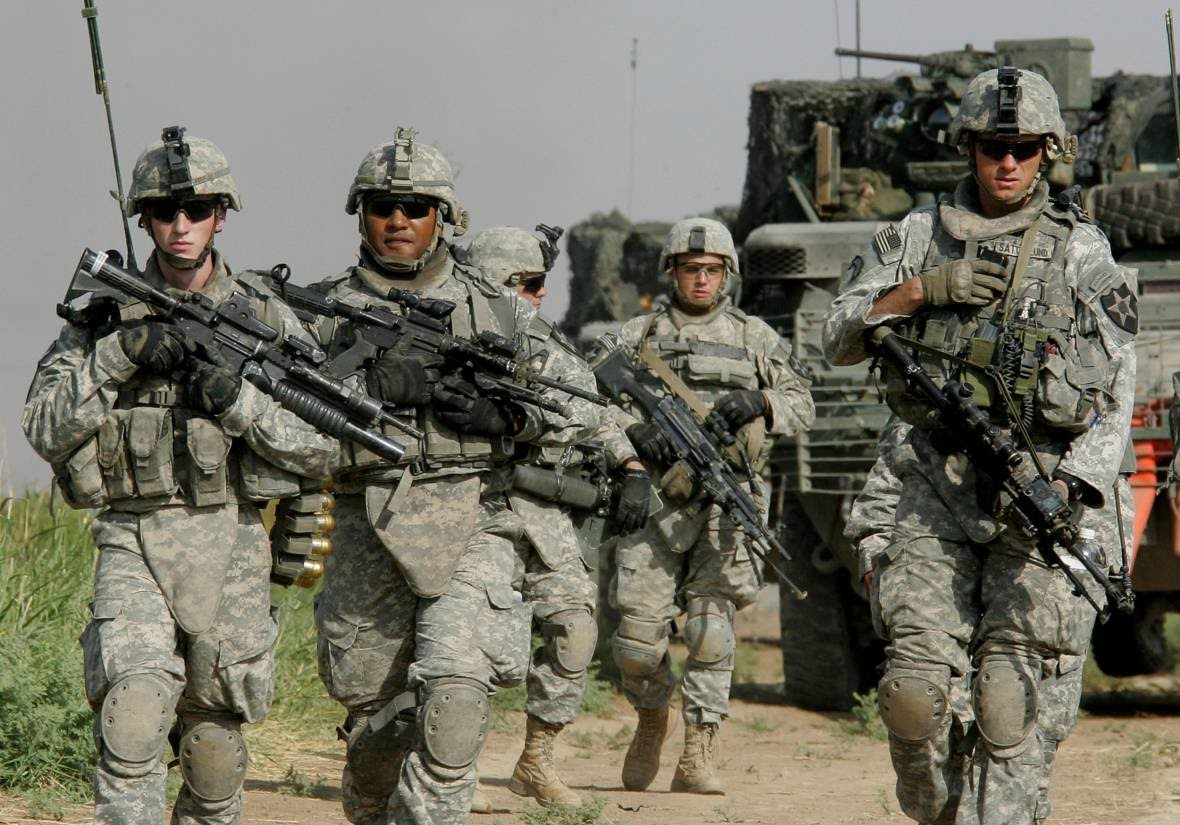
The Yemeni military, once a formidable force in the region, has been deeply fractured and fragmented by the ongoing civil war. The conflict has led to the emergence of multiple factions, each with its own political affiliations, geographic presence, and military capabilities. Understanding the current military structure of Yemen is crucial to grasping the complexities of the conflict and the challenges facing the country’s future.
Organizational Structure
The Yemeni military traditionally consisted of four main branches: the Army, the Navy, the Air Force, and the Special Forces. However, the current conflict has significantly altered this structure, with various factions vying for control and resources.
- Yemeni Army: The Yemeni Army, once the primary military force in the country, is now divided between the internationally recognized government in Aden and the Houthi rebels. The government forces, led by President Abd-Rabbu Mansour Hadi, are primarily located in the south and east of Yemen, while the Houthis control the capital Sana’a and much of the north.
- Navy: The Yemeni Navy has been significantly weakened by the conflict, with its capabilities severely limited. It is largely inactive and has minimal influence on the course of the war.
- Air Force: The Yemeni Air Force has also been heavily impacted by the conflict, with many of its aircraft destroyed or rendered inoperable. Both the government and the Houthis have limited air capabilities.
- Special Forces: The Yemeni Special Forces have been involved in various operations during the conflict, but their effectiveness has been hampered by the overall fragmentation of the military.
Factions and Roles
The Yemeni military landscape is characterized by multiple factions, each with its own objectives and allegiances.
- Yemeni Army (Government Forces):
- Political Affiliations: Aligned with the internationally recognized government of President Abd-Rabbu Mansour Hadi, which is supported by a coalition led by Saudi Arabia.
- Geographic Presence: Primarily located in the south and east of Yemen, including Aden, Marib, and Hadhramaut.
- Key Leaders: President Abd-Rabbu Mansour Hadi, Prime Minister Maeen Abdulmalik Saeed, and Chief of Staff of the Yemeni Armed Forces, Lieutenant General Saghir bin Aziz.
- Military Capabilities: The government forces have received significant military support from the Saudi-led coalition, including advanced weaponry and training. However, they have faced challenges in coordinating their operations and combating the Houthis’ effective guerilla tactics.
- Objectives and Goals: The government forces aim to regain control of the country from the Houthis and restore stability and order. They seek to implement a political solution that would include a power-sharing agreement with the Houthis.
- Houthis (Ansar Allah):
- Political Affiliations: The Houthis are a Shia Muslim group with a strong presence in northern Yemen. They have formed their own political structure and have declared a “National Salvation Government.”
- Geographic Presence: Control Sana’a, the capital, and much of the north, including Saada, Hodeidah, and Taiz.
- Key Leaders: Abdul-Malik al-Houthi, the group’s supreme leader, and Yahya al-Houthi, his brother and military commander.
- Military Capabilities: The Houthis have proven to be a formidable force, with strong guerilla tactics and access to advanced weaponry, including ballistic missiles and drones. They have also benefited from the support of Iran, which provides them with training and weapons.
- Objectives and Goals: The Houthis aim to establish a government that reflects their political ideology and control over Yemen. They seek to negotiate a political settlement that would grant them a significant role in the country’s future.
- Southern Transitional Council (STC):
- Political Affiliations: The STC is a secessionist group that seeks independence for southern Yemen. It is largely aligned with the United Arab Emirates (UAE), which has provided them with significant military support.
- Geographic Presence: Primarily located in the south of Yemen, including Aden, Abyan, and Lahj.
- Key Leaders: Aidarous al-Zubaidi, the president of the STC, and Hani bin Brik, the vice president.
- Military Capabilities: The STC has a strong military force, with significant support from the UAE, including advanced weaponry and training.
- Objectives and Goals: The STC seeks to establish an independent state in southern Yemen, separate from the north. They have clashed with the government forces in Aden, creating a complex multi-sided conflict.
- Other Militias: In addition to the major factions, numerous smaller militias and armed groups operate across Yemen. These groups are often aligned with specific tribes or regions and have varying levels of influence and capabilities.
Chain of Command
The chain of within the Yemeni armed forces is highly complex and fragmented, reflecting the fractured nature of the military itself.
- Government Forces: The chain of in the government forces is formally structured, with President Abd-Rabbu Mansour Hadi as the supreme commander. However, the effectiveness of this chain of has been undermined by the conflict and the lack of central control.
- Houthis: The Houthis have established their own chain of , with Abdul-Malik al-Houthi as the supreme leader. They have a decentralized command structure, with local commanders wielding significant authority in their respective areas.
- Southern Transitional Council: The STC has a relatively centralized chain of , with Aidarous al-Zubaidi as the supreme commander. However, their chain of is also subject to influence from the UAE, which provides them with significant support.
- Other Militias: The chain of within other militias varies widely, often based on tribal loyalties or local alliances.
Rank System
The Yemeni military rank system, like many other aspects of the country’s military structure, has been significantly influenced by historical events and political shifts. The system, which is broadly similar to that of other Arab nations, has undergone various transformations since Yemen’s independence in 1918.
Current Rank Structure
The Yemeni military rank structure is organized into three main branches: the Army, Navy, and Air Force. Each branch has its own unique rank system, but there are commonalities across all branches. The rank structure is hierarchical, with higher ranks holding greater authority and responsibility.
- Officers: The officer corps is responsible for leading and commanding troops, developing strategies, and making tactical decisions. Officer ranks are further subdivided into commissioned and warrant officer ranks.
- Enlisted Personnel: Enlisted personnel make up the majority of the military force and are responsible for carrying out orders and performing specific tasks. Enlisted ranks are typically assigned based on experience and training.
The specific ranks within each branch are as follows:
Army
| Rank | Insignia | Description |
|---|---|---|
| Field Marshal | Five stars | The highest rank in the Yemeni Army, reserved for the most senior military leaders. |
| General | Four stars | A senior command position, often responsible for leading large military formations. |
| Lieutenant General | Three stars | A high-ranking officer, typically responsible for commanding a corps or division. |
| Major General | Two stars | A mid-level command position, often responsible for commanding a brigade. |
| Brigadier General | One star | A junior command position, often responsible for commanding a regiment or battalion. |
| Colonel | No stars | A senior officer, often responsible for leading a battalion or regiment. |
| Lieutenant Colonel | No stars | A mid-level officer, often responsible for leading a company or battalion. |
| Major | No stars | A junior officer, often responsible for leading a company or platoon. |
| Captain | No stars | A junior officer, often responsible for leading a platoon or squad. |
| First Lieutenant | No stars | A junior officer, often responsible for leading a squad or section. |
| Second Lieutenant | No stars | The lowest commissioned officer rank, often responsible for leading a squad or section. |
| Warrant Officer Class 1 | No stars | A specialized officer rank, often responsible for technical or administrative tasks. |
| Warrant Officer Class 2 | No stars | A specialized officer rank, often responsible for technical or administrative tasks. |
| Sergeant Major | No stars | The highest enlisted rank, often responsible for overseeing the training and discipline of enlisted personnel. |
| Master Sergeant | No stars | A senior enlisted rank, often responsible for leading a squad or section. |
| Sergeant First Class | No stars | A mid-level enlisted rank, often responsible for leading a squad or section. |
| Staff Sergeant | No stars | A junior enlisted rank, often responsible for leading a squad or section. |
| Sergeant | No stars | A junior enlisted rank, often responsible for leading a squad or section. |
| Corporal | No stars | A junior enlisted rank, often responsible for leading a squad or section. |
| Private First Class | No stars | The highest enlisted rank, often responsible for overseeing the training and discipline of enlisted personnel. |
| Private | No stars | The lowest enlisted rank, often responsible for carrying out orders and performing specific tasks. |
Navy
The Yemeni Navy, though smaller than the Army, also has a distinct rank structure. The ranks are similar to those of the Army, with some variations in titles and insignia.
Air Force
The Yemeni Air Force has a rank structure similar to that of the Army and Navy. The ranks are largely identical, with some variations in insignia.
Historical Evolution of the Yemeni Military Rank System
The Yemeni military rank system has evolved over time, influenced by various historical events and political shifts.
- Pre-Independence: Before Yemen’s independence in 1918, the country was divided into several independent sultanates and imamates. Each of these entities had its own military structure and rank system, often based on traditional hierarchies and local customs.
- Post-Independence: After independence, Yemen established a unified military structure, drawing inspiration from the rank systems of other Arab nations, particularly Egypt. The system adopted a hierarchical structure, with clear distinctions between officer and enlisted ranks.
- Civil War and Beyond: The Yemeni Civil War (1962-1970) and subsequent conflicts further influenced the military rank system. The war led to the establishment of distinct military factions, each with its own rank structure and insignia.
Comparison with Other Regional Military Rank Systems
The Yemeni military rank system shares similarities with those of other Arab nations, particularly those in the Middle East. However, there are also some key differences.
- Saudi Arabia: The Saudi military rank system is broadly similar to that of Yemen, but with some differences in titles and insignia. For example, the Saudi military uses the rank of “Marshal” instead of “Field Marshal,” and the insignia for certain ranks differ slightly.
- Egypt: The Egyptian military rank system is also similar to that of Yemen, with some variations in titles and insignia. For example, the Egyptian military uses the rank of “Lieutenant General” instead of “General,” and the insignia for certain ranks differ slightly.
- Oman: The Omani military rank system is similar to that of Yemen, but with some variations in titles and insignia. For example, the Omani military uses the rank of “Field Marshal” instead of “Marshal,” and the insignia for certain ranks differ slightly.
Recent Developments
The Yemeni military rank system has been subject to significant changes and challenges in recent years, largely due to the ongoing civil war and the involvement of external actors. The conflict has not only reshaped the power dynamics within the country but has also had a profound impact on the structure and function of the Yemeni armed forces.
Impact of the Conflict
The ongoing conflict in Yemen has had a significant impact on the Yemeni military and its rank structure. The war has led to the fragmentation of the Yemeni armed forces, with different factions vying for control. This fragmentation has resulted in the creation of new military units and hierarchies, often with overlapping or conflicting authority structures. The conflict has also resulted in the loss of experienced personnel and the disruption of training programs, further weakening the Yemeni military’s capacity.
The conflict has also led to the emergence of new power structures within the Yemeni military, with some individuals and groups gaining influence and authority beyond their traditional ranks.
Emerging Trends and Challenges
The Yemeni military faces several emerging trends and challenges in terms of its rank system. One key challenge is the need to rebuild and unify the fractured armed forces. This will require a comprehensive strategy that addresses the root causes of the fragmentation and provides incentives for different factions to come together. Another challenge is the need to address the issue of corruption and patronage within the military.
This is particularly important in the context of the ongoing conflict, as corruption can undermine the military’s effectiveness and morale. The Yemeni military also faces the challenge of integrating new technologies and modernizing its equipment and training. This is essential to improve the military’s effectiveness and ability to counter modern threats.
4. Key Figures in the Yemeni Military: Yemen Military Rank 2023
The Yemeni military, deeply fractured and entangled in the ongoing conflict, is heavily influenced by prominent figures who wield significant power and influence. Understanding the roles and relationships of these key individuals is crucial for grasping the complexities of the Yemeni military and its impact on the conflict.
4.1. Profile Prominent Military Figures
The following table provides an overview of some of the most prominent military figures in Yemen:
| Name | Rank/Position | Faction Affiliation | Key Roles/Responsibilities | Background/Military Experience | Influence and Power Dynamics |
|---|---|---|---|---|---|
| Major General Ali Mohsen al-Ahmar | Commander of the First Armored Division | Anti-Houthi Forces | Leading military operations against the Houthis in central Yemen. | Veteran military leader with a long history of service in the Yemeni military. | Significant influence among the anti-Houthi forces, particularly in the northern provinces. |
| Major General Tariq Saleh | Commander of the Giants Brigades | Southern Transitional Council (STC) | Leading military operations in the south, primarily against the Houthis. | Son of former President Ali Abdullah Saleh, known for his military prowess. | Significant influence within the STC and in the southern provinces. |
| Major General Ahmed Ali Abdullah Saleh | Commander of the Republican Guard | Pro-Saleh Forces | Previously commanded the Republican Guard, a powerful military unit loyal to his father, former President Ali Abdullah Saleh. | Son of former President Ali Abdullah Saleh, known for his close ties to the former regime. | Limited influence due to the demise of his father and the decline of the pro-Saleh forces. |
| Major General Abdul-Raqib al-Qadi | Commander of the Yemeni Coast Guard | Government of Yemen | Leading military operations in the Red Sea and the Gulf of Aden, primarily against Houthi forces. | Veteran military leader with extensive experience in maritime security. | Significant influence in the coastal areas and in maritime security operations. |
4.2. Impact on Military Structure
The presence and influence of these key figures have significantly shaped the Yemeni military’s rank structure, hierarchy, and internal dynamics. Their loyalties, alliances, and rivalries have created a fragmented and often unstable military landscape. The power struggles between these figures have led to the formation of various factions, each with its own agenda and loyalties, further weakening the military’s overall cohesion and effectiveness.
4.3. Inter-Factional Relationships
The relationships between these key figures and their respective factions within the Yemeni military are complex and often fraught with tension. The rivalry between the anti-Houthi forces led by Ali Mohsen al-Ahmar and the Southern Transitional Council (STC) led by Tariq Saleh is a prime example of the inter-factional conflicts within the Yemeni military. These rivalries have hampered the military’s ability to function effectively and have often led to clashes between factions, undermining the overall war effort.
4.4. Impact on the Yemeni Conflict
The actions and influence of these key military figures have had a profound impact on the course of the Yemeni conflict. Their strategic decisions, alliances, and rivalries have shaped the conflict’s trajectory, influencing the battlefield dynamics, the political landscape, and the potential for resolution. Their involvement has often fueled the conflict, prolonging the suffering of the Yemeni people and hindering efforts towards peace.
Training and Education
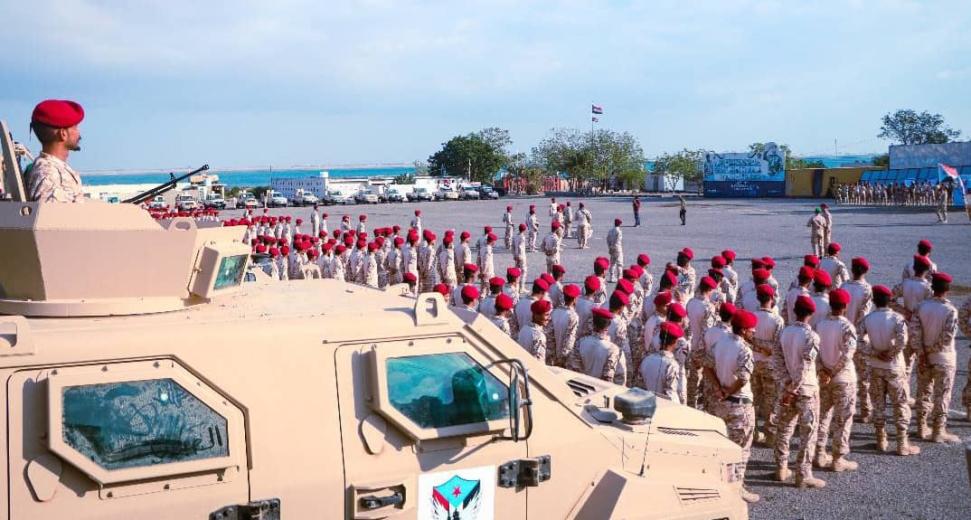
The Yemeni military’s training and education programs are a critical aspect of its overall effectiveness. The programs are designed to equip personnel with the necessary skills and knowledge to perform their duties effectively. However, the ongoing conflict has significantly impacted the military’s training capabilities, leading to inconsistencies in the quality and availability of training opportunities.
Training Programs
The Yemeni military operates a variety of training programs for its personnel, encompassing both basic and specialized training. These programs aim to enhance the military’s combat readiness and operational efficiency.
- Basic Training: This foundational program covers fundamental military skills, including weapon handling, physical fitness, first aid, and basic tactics. It is typically conducted at military training centers across the country.
- Specialized Training: This program focuses on specific military disciplines, such as artillery, engineering, communications, and medical services. Specialized training is often conducted at dedicated military schools and academies.
- Officer Training: The Yemeni military operates academies for training officers, including the National Defense Academy and various military colleges. These academies provide comprehensive training in leadership, strategy, and military doctrine.
Foreign Military Assistance in Training
Foreign military assistance has played a significant role in supporting the Yemeni military’s training and education programs. Various countries, including Saudi Arabia, the United Arab Emirates, and the United States, have provided training assistance, equipment, and financial support.
- Saudi Arabia and the United Arab Emirates: These countries have been major providers of military training to the Yemeni military, particularly to forces aligned with the internationally recognized government. They have established training centers and provided instructors for various military disciplines.
- United States: The United States has provided training and equipment to the Yemeni military in the past, although this assistance has been significantly reduced in recent years due to concerns about the conflict and human rights violations.
Impact of Training and Education on the Yemeni Military
Training and education have a significant impact on the Yemeni military’s effectiveness.
- Combat Readiness: Adequate training enhances the military’s combat readiness by equipping personnel with the necessary skills to operate effectively in various combat situations.
- Operational Efficiency: Specialized training in areas such as logistics, communications, and medical services improves the military’s operational efficiency, enabling it to conduct operations effectively.
- Leadership Development: Officer training programs contribute to the development of competent and effective military leaders, essential for leading and managing troops effectively.
6. Equipment and Technology
The Yemeni military’s equipment and technology have played a significant role in the ongoing conflict, shaping the battlefield dynamics and influencing the course of the war. This section provides an in-depth analysis of the weaponry, vehicles, and technological advancements employed by the Yemeni military, highlighting their impact on the conflict and the challenges and opportunities they present.
6.1 Weapon Systems
The Yemeni military utilizes a diverse range of weapon systems, inherited from previous regimes and acquired through various sources, including regional and international arms dealers. These weapons vary in their sophistication and effectiveness, reflecting the complex political landscape and the ongoing conflict.
6.1.1 Small Arms
The Yemeni military relies heavily on small arms, which are widely available and readily accessible in the conflict zone. These weapons are used by various factions, including the Yemeni Army, Houthi rebels, and Southern Transitional Council forces. Some of the most commonly used small arms include:
- Rifles: AK-47 and its variants, M16 rifles, G3 rifles, SKS rifles, and Dragunov SVD sniper rifles.
- Pistols: Makarov PM pistols, Tokarev TT pistols, and Glock pistols.
- Machine Guns: PKM general-purpose machine guns, RPK light machine guns, and DShK heavy machine guns.
- Other Small Arms: RPG-7 rocket-propelled grenade launchers, Mortars, and various types of grenades.
6.1.2 Artillery
Artillery plays a crucial role in the Yemeni conflict, providing long-range firepower and supporting ground troops. The Yemeni military possesses a variety of artillery pieces, including:
- Towed Artillery: D-30 122mm howitzers, M-46 130mm howitzers, and 2S1 Gvozdika 122mm self-propelled howitzers.
- Self-Propelled Artillery: BM-21 Grad multiple rocket launchers, and 2S3 Akatsiya 152mm self-propelled howitzers.
6.1.3 Missiles
The Yemeni military has access to a range of missiles, including ballistic missiles, cruise missiles, and anti-tank guided missiles. These missiles are primarily used for offensive operations and have been employed against targets in Saudi Arabia and other neighboring countries.
- Ballistic Missiles: Scud missiles, and Qaher-1 ballistic missiles.
- Cruise Missiles: Ya’tiq cruise missiles.
- Anti-Tank Guided Missiles: 9M113 Konkurs anti-tank guided missiles, and 9M111 Fagot anti-tank guided missiles.
6.1.4 Air Defense Systems
The Yemeni military deploys various air defense systems to defend against aerial attacks. These systems include:
- Surface-to-Air Missiles: SA-7 Grail man-portable air defense systems, SA-14 Gremlin man-portable air defense systems, and SA-16 Gimlet surface-to-air missiles.
- Anti-Aircraft Guns: ZU-23-2 23mm anti-aircraft guns, and S-60 57mm anti-aircraft guns.
6.2 Equipment and Vehicles
The Yemeni military operates a diverse range of military vehicles, including tanks, armored personnel carriers, trucks, and aircraft. These vehicles are used for transportation, combat operations, and logistical support.
6.2.1 Tanks and Armored Vehicles
The Yemeni military possesses a limited number of tanks and armored vehicles, which are primarily used for offensive operations and defensive positions. Some of the most common tanks and armored vehicles include:
- Tanks: T-55 main battle tanks, and T-62 main battle tanks.
- Armored Personnel Carriers: BTR-60 armored personnel carriers, and BTR-80 armored personnel carriers.
- Other Armored Vehicles: BRDM-2 armored reconnaissance vehicles, and BMP-1 infantry fighting vehicles.
6.2.2 Trucks and Logistics Vehicles
Trucks and logistics vehicles are essential for transporting personnel, equipment, and supplies. The Yemeni military utilizes a variety of trucks, trailers, and other logistics vehicles, including:
- Trucks: Ural-4320 trucks, and Kamaz trucks.
- Trailers: Various types of trailers for transporting heavy equipment and supplies.
- Other Logistics Vehicles: Fuel tankers, and mobile workshops.
6.2.3 Aircraft
The Yemeni military’s air force has been significantly weakened by the ongoing conflict, but it still possesses a limited number of aircraft, including:
- Fixed-Wing Aircraft: MiG-21 fighter jets, and Su-22 fighter-bombers.
- Helicopters: Mi-8 transport helicopters, and Mi-24 attack helicopters.
6.3 Technology and its Impact, Yemen military rank 2023
Technology has played a significant role in shaping the Yemeni conflict, influencing the military’s rank structure and operational capabilities. The use of advanced technologies, such as communication systems, drones, and cyber warfare tools, has transformed the battlefield dynamics and created new challenges and opportunities.
6.3.1 Command and Control
The Yemeni military has adopted modern communication systems and data networks to improve command and control capabilities. These technologies enable real-time communication, data sharing, and coordination of military operations. However, the conflict has also led to the development of countermeasures, such as jamming and disruption of communication networks, posing challenges to effective command and control.
Examine how aot military ranks can boost performance in your area.
6.3.2 Intelligence Gathering
The Yemeni military utilizes surveillance technologies, drones, and other intelligence-gathering tools to gather information about enemy movements, positions, and activities. Drones, in particular, have proven to be effective in reconnaissance and surveillance operations, providing real-time intelligence to military commanders. However, the use of drones has also raised concerns about privacy and the potential for civilian casualties.
6.3.3 Cyber Warfare
Cyberattacks and information warfare have emerged as significant threats in the Yemeni conflict. Cyberattacks can disrupt communication networks, cripple critical infrastructure, and spread disinformation. Information warfare involves manipulating information to influence public opinion and undermine the enemy’s morale. The Yemeni military has been targeted by cyberattacks, and its own cyber capabilities are evolving.
7. International Relations
The Yemeni military’s history is intricately intertwined with international relations, particularly with regional powers and global actors. Its modernization, training, and operational capabilities have been significantly influenced by foreign aid, military partnerships, and geopolitical dynamics. This section delves into the complex web of international relations that have shaped the Yemeni military’s trajectory.
Historical Evolution of Military Cooperation Between Yemen and Saudi Arabia
The historical relationship between Yemen and Saudi Arabia has been marked by a complex interplay of cooperation and rivalry. Since the unification of Yemen in 1990, Saudi Arabia has been a major supporter of the Yemeni military, providing financial aid, military equipment, and training. This support has been motivated by Saudi Arabia’s desire to maintain stability in Yemen and prevent the emergence of a hostile force on its southern border.
- 1990s: Saudi Arabia provided significant financial and military assistance to Yemen following the unification, contributing to the modernization of the Yemeni military. This support included the supply of weapons, training programs, and infrastructure development.
- 2000s: Saudi Arabia continued its support for the Yemeni military, particularly during the fight against Al-Qaeda in the Arabian Peninsula (AQAP). This cooperation included joint military operations and intelligence sharing.
- 2011: The Yemeni revolution and subsequent civil war significantly strained the relationship between the two countries. Saudi Arabia initially supported the Yemeni government but later intervened militarily in support of the internationally recognized government.
- 2015 – Present: The Saudi-led intervention in Yemen has further deepened the military cooperation between the two countries, with Saudi Arabia providing significant logistical and military support to the Yemeni government forces.
The Saudi Arabian influence on the Yemeni military has been profound, contributing to its modernization, equipment upgrades, and training. However, the ongoing conflict has also created a complex and challenging dynamic, with Saudi Arabia’s military intervention raising concerns about the long-term implications for Yemeni sovereignty and stability.
Influence of the United States on the Yemeni Military
The United States has had a significant influence on the Yemeni military, particularly in the areas of training and equipment procurement. This influence has been driven by U.S. security interests in the region, including combating terrorism and preventing the spread of weapons of mass destruction.
- Post-9/11: The United States significantly increased its military assistance to Yemen following the 9/11 attacks, focusing on counterterrorism training and equipping Yemeni forces to combat AQAP. This included the establishment of training programs and the provision of advanced weapons systems.
- Counterterrorism Programs: The U.S. has conducted numerous counterterrorism training programs for Yemeni military personnel, focusing on tactics, intelligence gathering, and counterinsurgency operations. These programs have been aimed at strengthening the Yemeni military’s capabilities to combat AQAP and other terrorist groups.
- Equipment Procurement: The United States has also provided substantial military equipment to Yemen, including small arms, vehicles, and surveillance technology. This equipment has been crucial in bolstering the Yemeni military’s capacity to conduct counterterrorism operations and maintain internal security.
The U.S. influence on the Yemeni military has been multifaceted, contributing to its modernization and capabilities in combating terrorism. However, the U.S. involvement has also been subject to criticism, with concerns about the potential for unintended consequences, such as fueling instability and contributing to human rights violations.
Military Relationships Between Yemen and Iran and Yemen and the United Arab Emirates
Yemen’s military relationships with Iran and the United Arab Emirates (UAE) are complex and have evolved significantly in recent years, reflecting the shifting geopolitical landscape in the region.
Yemen and Iran
- Historical Ties: Yemen and Iran have historical ties, with both countries sharing cultural and religious connections.
- Post-Revolution: Following the 2011 revolution, Iran began providing support to the Houthi rebels, who gained control of much of northern Yemen. This support included weapons, training, and financial assistance.
- Geopolitical Implications: The Iranian support for the Houthis has been viewed as a challenge to Saudi Arabia’s regional dominance and has fueled tensions in the region.
Yemen and the United Arab Emirates
- Intervention: The UAE joined the Saudi-led intervention in Yemen in 2015, providing significant military support to the Yemeni government forces.
- Southern Separatists: The UAE has also provided support to southern separatists seeking independence from the Yemeni government, adding another layer of complexity to the conflict.
- Geopolitical Implications: The UAE’s involvement in the Yemeni conflict has been driven by its own strategic interests, including securing its maritime routes and countering Iranian influence in the region.
The military relationships between Yemen and Iran and Yemen and the UAE have significant geopolitical implications, contributing to the complexities of the Yemeni conflict and shaping the regional power dynamics.
8. Challenges and Future Prospects
The Yemeni military faces a multitude of challenges that have significantly hindered its effectiveness and ability to contribute to a stable and secure Yemen. These challenges stem from a complex interplay of factors, including internal divisions, a protracted conflict, limited resources, and external interference. Understanding these challenges is crucial for developing realistic strategies for the future development of the Yemeni military.
8.1 Challenges
The Yemeni military’s current rank structure, deeply rooted in the country’s history and political landscape, presents a significant challenge to its overall effectiveness. This structure, often characterized by patronage and tribal affiliations, has led to a system that prioritizes loyalty over merit and undermines professional development.
- The current rank structure, often based on loyalty and tribal connections, hinders the Yemeni military’s effectiveness by promoting a culture of patronage and undermining merit-based advancement.
- This system has resulted in a lack of transparency and accountability, leading to widespread corruption and a decline in morale.
- The Yemeni military’s effectiveness has been further hampered by the lack of a unified command structure, resulting in fragmented leadership and conflicting loyalties.
These issues have led to a decline in the Yemeni military’s effectiveness in recent conflicts, including the ongoing civil war. The military’s ability to operate effectively has been hampered by a lack of training, outdated equipment, logistical challenges, and a lack of coordination between different factions. This has resulted in a protracted conflict with significant human and economic costs.
External factors, such as foreign intervention and political instability, have also played a significant role in undermining the Yemeni military’s effectiveness. The involvement of external actors, including regional powers and international organizations, has often exacerbated existing divisions and fueled the conflict, hindering any efforts towards a lasting peace.
9. Historical Context
The Yemeni military, like the nation itself, has a history marked by internal conflicts, external interventions, and periods of relative stability. Understanding the evolution of its structure, rank system, and capabilities requires tracing its development through these pivotal moments.
1. Evolution of the Yemeni Military
| Date | Event | Impact on the Military |
|---|---|---|
| Pre-1918 | Ottoman Rule | Limited Yemeni military forces existed, primarily local tribal militias, subject to the Ottoman Empire’s control. |
| 1918-1962 | Establishment of the Imamate of Yemen | The Imamate’s army was largely based on tribal loyalties and lacked a standardized rank system. It relied on traditional weapons and tactics. |
| 1962-1970 | Yemeni Civil War | The war led to the formation of the Yemeni Arab Republic (YAR) and a more modern military structure. The rank system became more formalized, and the army began receiving assistance from the Soviet Union. |
| 1970-1990 | YAR Consolidation | The YAR military expanded and modernized, acquiring advanced weapons and equipment from the Soviet Union. It also adopted a more standardized rank system. |
| 1990-1994 | Unification of Yemen | The unification of North and South Yemen led to the integration of the two militaries, creating a larger and more complex force. The rank system was adjusted to accommodate the merger. |
| 1994 | North Yemen Civil War | The war resulted in the defeat of the secessionist forces and solidified the unified Yemeni military. |
| 2014-present | Ongoing Yemeni Civil War | The ongoing conflict has fragmented the Yemeni military, with different factions aligned with various political and regional forces. The war has also led to the use of advanced weapons and tactics, further shaping the military’s capabilities. |
2. Impact of Historical Events
The Yemeni military’s development has been profoundly shaped by historical events, particularly the major civil wars. The 1962-1970 civil war, for example, marked a significant shift towards a more modern military structure. The YAR government, backed by the Soviet Union, adopted a more formalized rank system and began acquiring advanced weapons. This period also saw the establishment of specialized branches like the air force and navy, signifying a move away from the traditional tribal militias that dominated the Imamate era.The 1994 civil war further solidified the unified Yemeni military, eliminating the threat of secession and allowing for a period of relative stability.
However, the ongoing civil war since 2014 has had a devastating impact, fracturing the military along political and regional lines. The conflict has also led to increased reliance on external support, particularly from Saudi Arabia and the United Arab Emirates, further complicating the military’s internal dynamics and organizational structure.
3. Shaping the Current State
The current state of the Yemeni military is a product of its historical evolution, shaped by a complex interplay of internal conflicts, external interventions, and political decisions. The country’s long history of civil wars has resulted in a military deeply intertwined with political factions and regional interests. The reliance on external support, particularly from regional powers, has further influenced the military’s structure, capabilities, and its relationship with the government.The ongoing civil war has also had a significant impact, leading to a fragmented military landscape with multiple factions vying for control.
The conflict has also resulted in a significant loss of human capital and infrastructure, further undermining the military’s effectiveness.
Social and Cultural Context

The Yemeni military, like any other institution in Yemen, is deeply intertwined with the country’s social and cultural fabric. Understanding these influences is crucial for comprehending the military’s structure, dynamics, and its role in society. The complex interplay of tribalism, religion, and tradition profoundly shapes the Yemeni military’s rank system, its overall structure, and its relationship with the broader Yemeni population.
Influence of Tribalism
Tribalism is a defining feature of Yemeni society, and its influence extends to the military. Traditionally, tribal loyalties often supersede national allegiances, impacting recruitment, command structures, and even military operations. In the past, Yemeni armies were often structured along tribal lines, with leaders drawing support from their respective tribes. This system fostered loyalty within individual units but could also create divisions and complicate command and control.
While the Yemeni government has sought to modernize the military and reduce tribal influence, its impact remains significant, particularly in rural areas.
Role of Religion
Islam plays a central role in Yemeni society, and its influence extends to the military. The Yemeni military often incorporates Islamic values and symbols, such as the recitation of the Quran before battles or the use of Islamic imagery on uniforms. Religious leaders often hold significant sway in certain regions, and their support can be crucial for military recruitment and operations.
However, the role of religion in the military is complex and can be influenced by political and sectarian divisions.
Impact of Tradition
Yemen has a rich and complex cultural heritage, and many traditional values and practices continue to influence the Yemeni military. The concept of honor, for example, is deeply ingrained in Yemeni culture and plays a significant role in military affairs. This can manifest in the emphasis on bravery and sacrifice, but also in the potential for feuds and conflicts arising from perceived insults or transgressions.
Traditional norms regarding leadership and authority also impact the military’s structure and hierarchy.
11. Economic Considerations
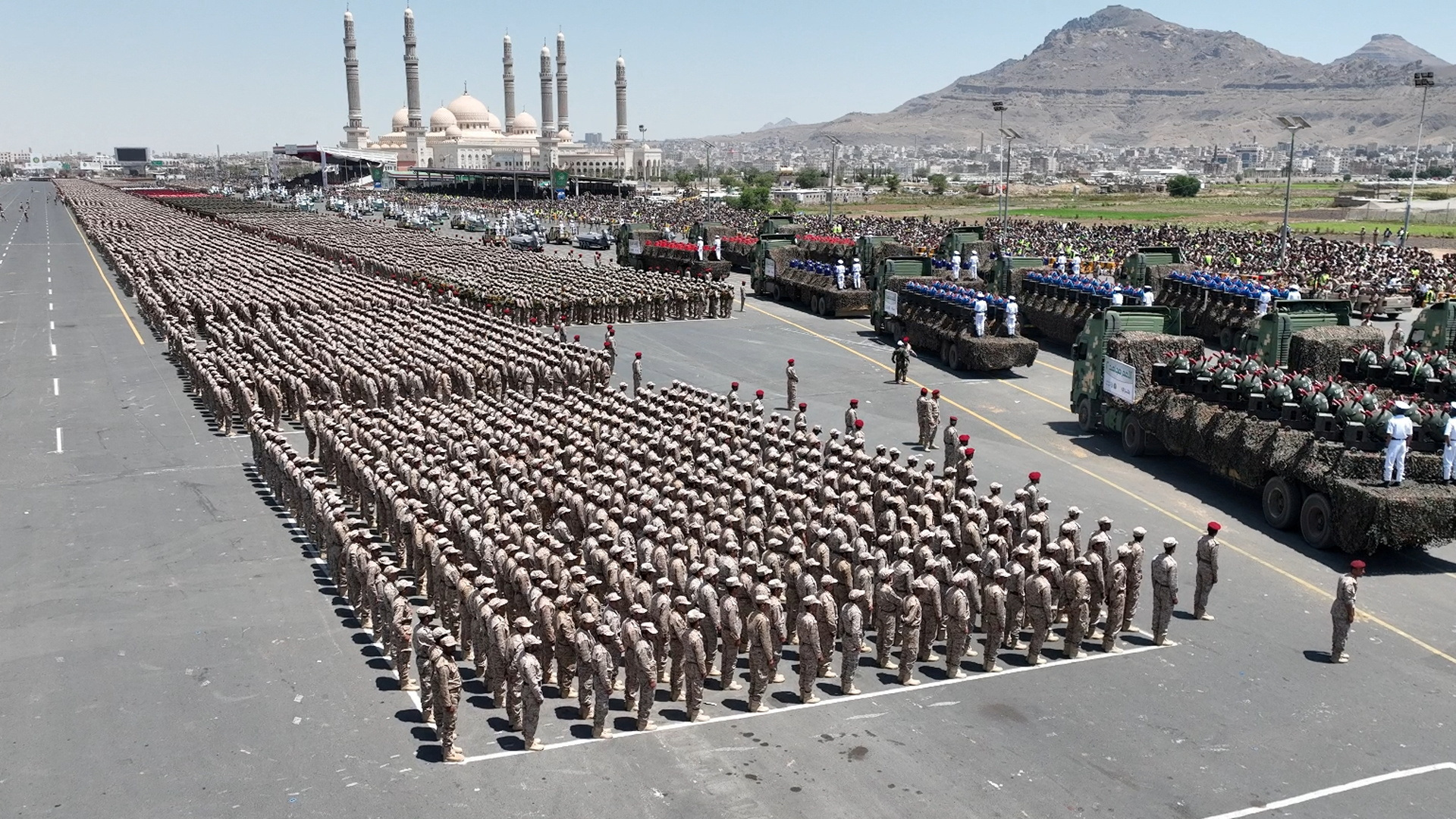
The Yemeni military’s financial health is a crucial factor in its ability to operate effectively and contribute to the country’s security. The conflict has severely impacted the Yemeni economy, directly affecting the military’s funding sources, equipment procurement, training programs, and overall effectiveness. This section examines the economic considerations that influence the Yemeni military, analyzing the challenges and opportunities presented by economic factors in the context of the ongoing conflict.
11.1 Funding
The Yemeni military’s funding sources are complex and multifaceted, reflecting the country’s political and economic landscape. The primary sources of funding include government revenue, foreign aid, and illicit activities. The ongoing conflict has significantly impacted the Yemeni military’s funding sources, leading to a decline in government revenue and making it challenging to access foreign aid. The conflict has also created opportunities for illicit activities, such as smuggling and arms trafficking, which have become significant sources of funding for some factions within the Yemeni military.
- Government Revenue: The Yemeni government’s revenue has been significantly impacted by the conflict, leading to a decline in funding for the military. The conflict has disrupted economic activity, reduced tax collection, and led to a decline in oil production, which is a major source of government revenue. The decline in government revenue has forced the Yemeni military to rely heavily on foreign aid and illicit activities to sustain its operations.
- Foreign Aid: Foreign aid has been a crucial source of funding for the Yemeni military, particularly during the conflict. Various international actors, including the United States, Saudi Arabia, and the United Arab Emirates, have provided financial support to different factions within the Yemeni military. However, the provision of foreign aid has been controversial, with concerns that it is fueling the conflict and prolonging the humanitarian crisis in Yemen.
The impact of foreign aid on the Yemeni military’s funding sources has been mixed, with some factions receiving significant support while others struggle to secure funding.
- Illicit Activities: The conflict in Yemen has created opportunities for illicit activities, such as smuggling and arms trafficking, which have become significant sources of funding for some factions within the Yemeni military. The conflict has weakened government control, making it easier for illicit activities to flourish. The reliance on illicit activities for funding has implications for the Yemeni military’s legitimacy and accountability.
It has also contributed to the proliferation of weapons and the escalation of the conflict.
11.2 Equipment
The Yemeni military’s equipment is a mixed bag, reflecting the country’s limited resources and the impact of the conflict. The military’s equipment is a mix of old and outdated weapons, along with some modern weaponry acquired through foreign aid or purchased on the black market. The Yemeni military’s reliance on foreign suppliers for weapons and equipment has been a significant challenge, particularly during the conflict.
The impact of sanctions and embargoes has limited the Yemeni military’s ability to acquire necessary supplies, forcing it to rely on the black market.
- Current State of Equipment: The Yemeni military’s equipment is a mix of old and outdated weapons, along with some modern weaponry acquired through foreign aid or purchased on the black market. The conflict has significantly impacted the military’s ability to maintain and upgrade its equipment. The lack of spare parts and maintenance facilities has led to a decline in the operational readiness of the Yemeni military.
The conflict has also resulted in the destruction of significant amounts of military equipment, further depleting the military’s resources.
- Reliance on Foreign Suppliers: The Yemeni military has been heavily reliant on foreign suppliers for weapons and equipment. The conflict has made it difficult for the Yemeni military to access foreign suppliers due to sanctions, embargoes, and the reluctance of some countries to provide weapons to a country in conflict. The reliance on foreign suppliers has made the Yemeni military vulnerable to external pressures and has limited its ability to procure necessary supplies.
- Black Market: The black market has become a significant source of weapons and equipment for the Yemeni military, particularly during the conflict. The conflict has created opportunities for illicit arms trafficking, with weapons flowing into Yemen from neighboring countries and other parts of the world. The reliance on the black market has implications for the Yemeni military’s legitimacy and accountability.
It has also contributed to the proliferation of weapons and the escalation of the conflict.
11.3 Training
The Yemeni military’s training programs have been significantly impacted by the conflict, leading to a decline in the quality and quantity of training provided to personnel. The conflict has disrupted training programs, forced many personnel to flee their training facilities, and made it challenging to access foreign training programs. The reliance on foreign training programs has also been impacted by the conflict, with some countries suspending or reducing their training programs for the Yemeni military.
- Current State of Training Programs: The Yemeni military’s training programs have been significantly impacted by the conflict, leading to a decline in the quality and quantity of training provided to personnel. The conflict has disrupted training programs, forced many personnel to flee their training facilities, and made it challenging to access foreign training programs. The lack of trained personnel has impacted the Yemeni military’s operational effectiveness and its ability to effectively respond to security threats.
- Reliance on Foreign Training Programs: The Yemeni military has traditionally relied on foreign training programs to enhance its capabilities. However, the conflict has impacted the Yemeni military’s ability to access these programs. Some countries have suspended or reduced their training programs for the Yemeni military due to concerns about the conflict and the potential for misuse of training. The decline in foreign training programs has further weakened the Yemeni military’s capabilities.
- Private Military Contractors: Private military contractors have played a role in providing training to the Yemeni military, particularly during the conflict. The conflict has created opportunities for private military contractors to offer their services to different factions within the Yemeni military. The use of private military contractors has raised concerns about accountability, transparency, and the potential for escalation of the conflict.
The role of private military contractors in training the Yemeni military has been controversial, with some arguing that it has contributed to the conflict’s escalation while others argue that it has provided valuable training to the Yemeni military.
11.4 Economic Impact
The Yemeni military’s economic impact is significant, both in terms of its contribution to the country’s economy and the impact of the conflict on the military’s ability to operate effectively. The conflict has had a devastating impact on the Yemeni economy, leading to a decline in GDP, increased unemployment, and a deterioration of infrastructure. The conflict has also impacted the Yemeni military’s ability to operate effectively, leading to a decline in its operational readiness and its ability to provide security for the country.
- Contribution to GDP: The Yemeni military’s contribution to GDP is difficult to assess due to the lack of reliable data. However, it is estimated that the military accounts for a significant portion of government spending, which has a direct impact on the country’s economy. The military’s spending on salaries, equipment, and infrastructure projects contributes to economic activity and employment.
The conflict has significantly reduced the military’s contribution to GDP, as the government has been forced to divert resources to humanitarian aid and other essential services.
- Employment: The Yemeni military provides employment to a significant number of people, both directly and indirectly. The military’s personnel, contractors, and suppliers contribute to the country’s economy. The conflict has led to a decline in employment in the military sector, as many personnel have been forced to flee their jobs or have been killed in the fighting. The decline in employment has further weakened the Yemeni economy and has increased unemployment.
- Infrastructure Development: The Yemeni military has played a role in infrastructure development, particularly in remote areas of the country. The military’s construction units have been involved in building roads, bridges, and other infrastructure projects. The conflict has significantly impacted the military’s ability to engage in infrastructure development, as the focus has shifted to military operations and humanitarian assistance.
11.5 Challenges and Opportunities
The Yemeni military faces significant challenges in terms of economic sustainability, particularly in the context of the ongoing conflict. The conflict has severely impacted the Yemeni economy, making it difficult for the military to secure funding, procure equipment, and maintain its operational readiness. However, there are also opportunities for the Yemeni military to improve its effectiveness and strengthen its position within the country, particularly through economic diplomacy and the development of sustainable economic strategies.
- Challenges: The Yemeni military faces several challenges in terms of economic sustainability, including a decline in government revenue, limited access to foreign aid, reliance on illicit activities for funding, and the impact of sanctions and embargoes on its ability to procure equipment. The conflict has created a complex economic environment that makes it difficult for the Yemeni military to operate effectively and contribute to the country’s security.
- Opportunities: Despite the challenges, there are also opportunities for the Yemeni military to improve its effectiveness and strengthen its position within the country. The Yemeni military could explore opportunities for economic diversification, such as developing new revenue streams through investment in infrastructure projects, tourism, or other sectors. The Yemeni military could also engage in economic diplomacy to secure funding and support from international actors.
By developing sustainable economic strategies, the Yemeni military can contribute to the country’s recovery and help to build a more stable and secure future.
| Economic Factor | Impact on Yemeni Military | Challenges | Opportunities |
|---|---|---|---|
| Funding | The conflict has significantly impacted the Yemeni military’s funding sources, leading to a decline in government revenue and making it challenging to access foreign aid. | Decline in government revenue, limited access to foreign aid, reliance on illicit activities for funding. | Exploring opportunities for economic diversification, engaging in economic diplomacy to secure funding and support from international actors. |
| Equipment | The Yemeni military’s equipment is a mix of old and outdated weapons, along with some modern weaponry acquired through foreign aid or purchased on the black market. | Limited access to foreign suppliers, impact of sanctions and embargoes, reliance on the black market. | Seeking alternative suppliers, developing domestic production capabilities, investing in maintenance and upgrade programs. |
| Training | The Yemeni military’s training programs have been significantly impacted by the conflict, leading to a decline in the quality and quantity of training provided to personnel. | Disrupted training programs, limited access to foreign training programs, reliance on private military contractors. | Developing sustainable training programs, exploring partnerships with international organizations, improving the quality and quantity of training provided to personnel. |
| Economic Impact | The Yemeni military’s economic impact is significant, both in terms of its contribution to the country’s economy and the impact of the conflict on the military’s ability to operate effectively. | Decline in GDP, increased unemployment, deterioration of infrastructure, impact of the conflict on the military’s operational readiness. | Developing sustainable economic strategies, engaging in economic diplomacy, contributing to infrastructure development, promoting economic recovery. |
Political Context

The Yemeni military’s role in the country’s political landscape is intricately intertwined with the complex and volatile political dynamics that have shaped Yemen’s history. Understanding the relationship between the military and the government, the impact of political instability, and the influence of various political factions on the military is crucial for comprehending the current situation in Yemen.
Relationship Between the Military and the Government
The relationship between the Yemeni military and the government has been characterized by a complex interplay of power, influence, and competing interests. The military has often played a significant role in shaping the political landscape, with various factions within the military vying for power and influence. This dynamic has contributed to political instability and has often resulted in military interventions in the political process.
- Historically, the Yemeni military has been closely aligned with the ruling regime, often acting as a key pillar of support for the government. However, this relationship has been strained by internal divisions within the military, as well as by the emergence of new political actors and ideologies.
- Since the 2011 uprising, the relationship between the military and the government has become increasingly fragmented, with the military fracturing along political lines. The Houthi movement, which gained significant control over parts of Yemen, has established its own military force, further complicating the relationship between the military and the government.
- The ongoing civil war has further exacerbated tensions between the military and the government, with different factions within the military aligning themselves with opposing sides of the conflict. This has led to a situation where the military’s authority and effectiveness have been significantly diminished, contributing to the ongoing political instability in Yemen.
Impact of Political Instability on the Yemeni Military
The prolonged political instability in Yemen has had a profound impact on the Yemeni military’s rank structure and overall effectiveness. The fragmentation of the military, coupled with the lack of a unified command structure, has undermined the military’s ability to operate effectively and has led to a decline in its professionalism and discipline.
- The ongoing civil war has resulted in the depletion of the military’s resources and manpower, leading to a decline in its overall combat capability. This has also created a situation where the military has been unable to effectively counter the threat posed by various armed groups, including the Houthi rebels.
- Political instability has also contributed to a decline in morale among military personnel, with many soldiers disillusioned with the conflict and the lack of clear objectives. This has led to a decrease in recruitment and retention rates, further weakening the military’s effectiveness.
- The lack of a unified command structure has also hindered the military’s ability to coordinate its operations and effectively respond to security threats. This has been exacerbated by the presence of multiple military factions with competing loyalties and objectives.
Influence of Political Factions on the Yemeni Military
The influence of various political factions on the Yemeni military has been a key factor in shaping the military’s role in the country’s political landscape. Different political groups have sought to utilize the military to advance their own interests, often leading to divisions within the military and contributing to political instability.
- The Houthi movement, for example, has established its own military force, which has played a significant role in the ongoing civil war. The Houthi military has been able to effectively mobilize and deploy its forces, posing a significant challenge to the Yemeni government.
- The Southern Transitional Council, a secessionist group in southern Yemen, has also established its own military force, further complicating the political landscape and adding to the fragmentation of the Yemeni military.
- The Yemeni government has also sought to maintain control over the military, attempting to consolidate its authority and prevent the military from becoming a force independent of its control. However, this has proven to be a difficult task, as the military has been increasingly influenced by various political factions.
13. Legal Framework
The Yemeni military’s legal framework is a complex tapestry woven from historical traditions, international regulations, and contemporary political realities. This framework governs the military’s structure, operations, and its relationship with the broader Yemeni society. Understanding this legal framework is crucial for comprehending the military’s role in Yemeni politics and its impact on the ongoing conflict.
Historical Evolution of the Rank System
The Yemeni military’s rank system has evolved over time, reflecting the country’s diverse historical experiences and social structures. Historically, tribal affiliations and loyalties played a significant role in shaping the military, with leaders often drawing on their personal networks and traditional hierarchies. This traditional system, however, has been challenged and reshaped by the modernizing forces of the 20th and 21st centuries, including the introduction of conscription, the establishment of a formal military hierarchy, and the influence of international military standards.
Despite these changes, remnants of traditional social structures still influence the Yemeni military, particularly in areas where tribal influence remains strong.
Impact of International Legal Regulations
International legal regulations, particularly those related to humanitarian law, have had a significant impact on the structure and operations of the Yemeni military. The Geneva Conventions and other international treaties governing armed conflict have established standards for the conduct of warfare, the treatment of prisoners of war, and the protection of civilians. These regulations have sought to limit the use of force, prevent human rights abuses, and ensure accountability for violations of international law.
The Yemeni military, like all other armed forces, is bound by these regulations and is subject to scrutiny by international organizations and human rights groups.
Role of the Yemeni Legal System
The Yemeni legal system plays a crucial role in shaping the military’s rank system and its effectiveness in maintaining internal order and national security. The constitution and other legal instruments define the military’s powers, responsibilities, and relationship with the civilian government. The legal system also establishes a framework for military justice, ensuring that members of the armed forces are held accountable for their actions.
However, the effectiveness of the legal system in controlling the military and ensuring accountability has been challenged by the ongoing conflict and the fragmentation of the Yemeni state.
Legal Aspects and Their Impact
| Legal Aspect | Impact on Yemeni Military | Evidence/Examples |
|---|---|---|
| Conscription Laws | Conscription laws, when effectively enforced, can contribute to a larger and more diverse military force, potentially reducing reliance on tribal loyalties. However, their implementation in Yemen has been inconsistent, with various factions utilizing different recruitment strategies. | The Houthi movement, for example, has relied heavily on conscription, while other factions have relied more on traditional tribal networks. |
| Military Justice System | A functioning military justice system is essential for maintaining discipline and accountability within the armed forces. However, the Yemeni military justice system has been weakened by the conflict, with different factions operating under different legal frameworks. | The Southern Transitional Council, for example, has established its own military courts, creating a fragmented and often contradictory legal landscape. |
| International Treaties | International treaties, particularly those related to humanitarian law, have influenced the Yemeni military’s conduct in conflict, setting standards for the treatment of prisoners of war, civilians, and the use of force. | Yemen’s adherence to the Geneva Conventions has been inconsistent, with allegations of human rights violations and war crimes committed by various factions. |
| National Security Legislation | National security legislation can provide a legal framework for the military’s role in protecting the country from external threats and maintaining internal order. However, such legislation can also be used to suppress dissent and curtail civil liberties. | The Yemeni government has used national security legislation to justify restrictions on freedom of speech and assembly, particularly during times of conflict. |
| Civil-Military Relations | Clear legal frameworks governing civil-military relations are essential for ensuring that the military remains subordinate to civilian authority and operates within the bounds of the law. However, in Yemen, the relationship between the military and the civilian government has been characterized by instability and power struggles. | The conflict has further blurred the lines between civilian and military authority, with various factions vying for control of key institutions and resources. |
Legal Framework for Deployment and Use of Force
The legal framework governing the deployment and use of force by the Yemeni military is complex and often contested. The constitution, international treaties, and national security legislation provide a legal basis for the military’s actions. However, the ongoing conflict has challenged these legal frameworks, with various factions operating outside the control of the central government. Limitations on the use of force are often disregarded, and oversight mechanisms are weak or non-existent.
The lack of effective legal oversight and accountability has contributed to the widespread human rights abuses and humanitarian crisis in Yemen.
Recruitment and Conscription
The Yemeni military’s recruitment and conscription practices are deeply intertwined with the country’s ongoing conflict and its complex social and political landscape. This section will explore the process of recruitment and conscription, the challenges and opportunities associated with it, and its impact on the Yemeni military’s structure and effectiveness.
Process of Recruitment and Conscription
The Yemeni military’s recruitment and conscription practices have been significantly affected by the ongoing conflict. The Houthis, who control much of the north, have their own recruitment system, while the internationally recognized government in the south struggles to maintain a cohesive military force. The traditional process of conscription in Yemen involved a mandatory period of military service for young men.
However, the conflict has led to a more ad hoc approach, with both sides relying on a combination of conscription, voluntary enlistment, and recruitment of fighters from among displaced populations.
Challenges and Opportunities of Recruitment and Conscription
The Yemeni military faces numerous challenges in its recruitment and conscription efforts. The conflict has resulted in a shortage of qualified personnel, a lack of training facilities, and widespread corruption within the military ranks. This has made it difficult to maintain a consistent and effective force.However, there are also opportunities associated with recruitment and conscription in Yemen. The conflict has fostered a sense of national unity among some Yemenis, leading to an increase in voluntary enlistment.
Additionally, the government has sought to improve training and education programs for its military personnel, with the aim of improving their effectiveness and professionalism.
Impact of Recruitment and Conscription
The impact of recruitment and conscription on the Yemeni military’s rank structure and overall effectiveness has been mixed. On the one hand, the conflict has led to a more fragmented and decentralized military structure, with different factions vying for control. This has hampered the military’s ability to coordinate its operations effectively.On the other hand, the influx of new recruits, both conscripted and voluntary, has provided the Yemeni military with a larger pool of personnel.
However, the lack of proper training and the prevalence of corruption have undermined the effectiveness of these new recruits.
International Comparisons
Analyzing the Yemeni military’s rank system in the context of international comparisons reveals significant insights into its structure, organization, and training. Comparing its rank structure, organization, and training methodologies with those of other countries in the region and globally provides valuable insights into the Yemeni military’s strengths, weaknesses, and potential for future development.
Regional Comparisons
The Yemeni military’s rank system shares similarities with other militaries in the Middle East, particularly those influenced by Western military models. However, there are also notable differences in rank structure, organization, and training methodologies.
- Rank Structure: The Yemeni military’s rank structure broadly aligns with the Western model, with ranks such as General, Colonel, Major, Captain, Lieutenant, and Sergeant. However, there might be subtle variations in the specific designations and responsibilities associated with each rank, influenced by historical and cultural factors.
- Organization: The Yemeni military’s organizational structure mirrors the hierarchical model prevalent in many Middle Eastern militaries. It comprises various branches, such as the Army, Navy, Air Force, and Special Forces, with each branch having its own chain of command and specific roles. This hierarchical structure emphasizes centralized control and command, which is typical in many regional militaries.
- Training: The Yemeni military’s training methodologies are influenced by both regional and international partnerships. Training programs often incorporate elements of Western military doctrine and tactics, alongside regional influences. The extent to which these influences are integrated varies depending on the specific branch and training program.
Global Comparisons
Comparing the Yemeni military’s rank system with those of global militaries reveals both similarities and differences. While some aspects align with global standards, others highlight unique characteristics influenced by Yemen’s specific context.
- Rank Structure: The Yemeni military’s rank structure generally aligns with the global standard of a hierarchical system with distinct ranks and responsibilities. However, the specific designations and titles might vary depending on the country and its military tradition. For example, some countries may have additional ranks or variations in the hierarchy.
- Organization: The Yemeni military’s organizational structure, while broadly resembling the hierarchical model prevalent globally, exhibits unique features shaped by Yemen’s history and geopolitical context. The presence of various factions and the influence of external powers might influence the organization and operational structure of the Yemeni military.
- Training: The Yemeni military’s training methodologies are influenced by a mix of global and regional partnerships. While some training programs may adopt Western military doctrine and tactics, others might incorporate elements from regional or even international allies. This mix of influences reflects the Yemeni military’s need to adapt to the complex geopolitical landscape.
Question Bank
What are the main factions within the Yemeni military?
The Yemeni military is divided into several factions, including the Yemeni Army, the Houthis, the Southern Transitional Council, and other militias, each with their own political affiliations, geographic presence, and objectives.
How does the Yemeni military’s rank system compare to other countries in the region?
The Yemeni military’s rank system shares similarities with other countries in the region, but it also has unique characteristics influenced by the country’s history and political context.
What are the challenges facing the Yemeni military in terms of its rank system?
Challenges include internal divisions, lack of standardized training, corruption, and the influence of external actors.
What are the potential reforms to the Yemeni military’s rank system?
Potential reforms include establishing a unified rank structure, promoting merit-based advancement, and addressing corruption.
What are the future prospects for the Yemeni military?
The future of the Yemeni military depends on factors such as the outcome of the conflict, political stability, and the availability of resources.

Emma Nehls is a military writer and historian with a passion for exploring the intricacies of warfare and the human experience within the military. With extensive knowledge and a deep understanding of military strategy, tactics, and historical contexts, Nehls brings a unique perspective to his writings.
