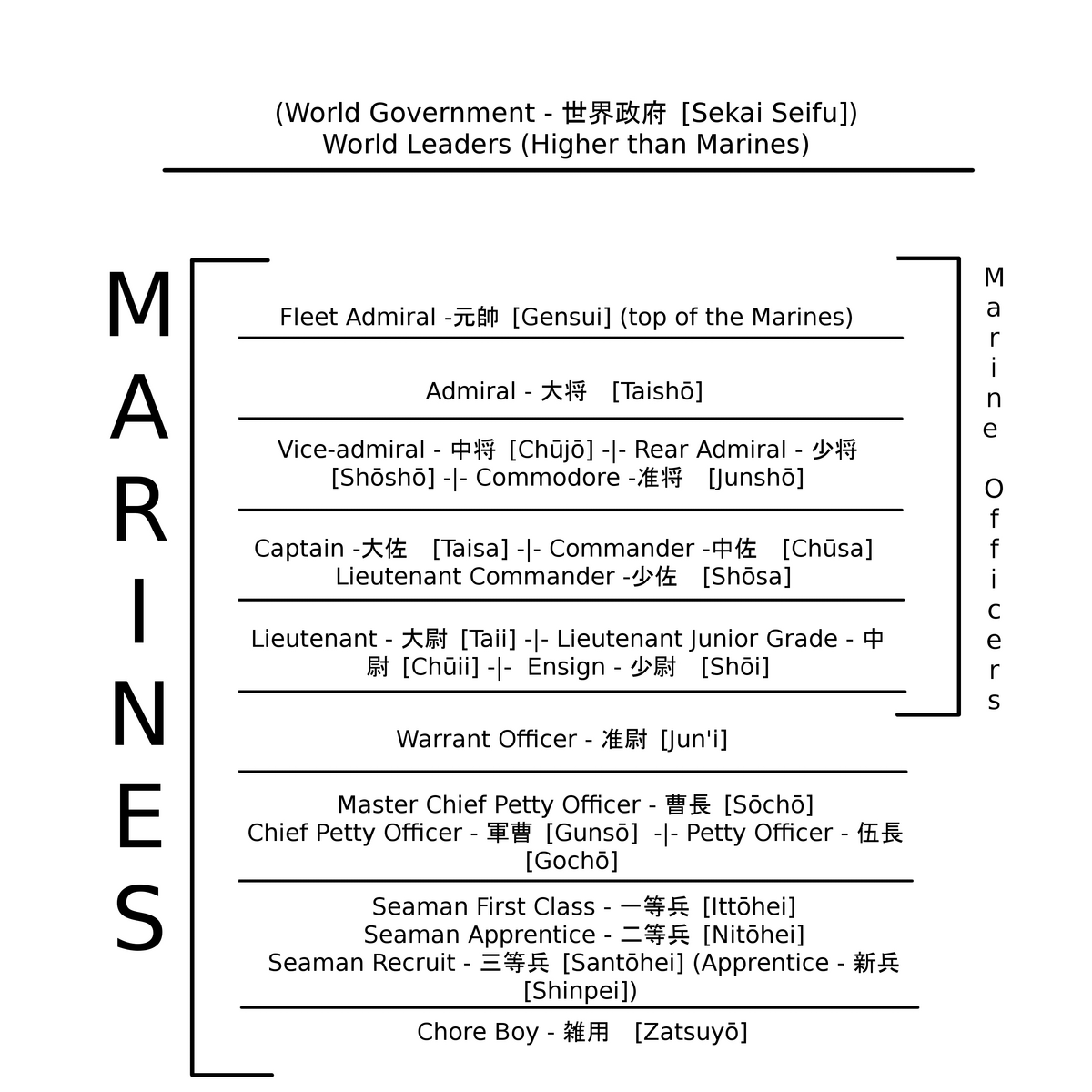
One Piece military ranks, a complex and intricate system that reflects the power dynamics and ethical dilemmas within the world of One Piece, offer a fascinating glimpse into the organization and operation of the Marines, the World Government’s formidable military force. This article delves into the intricacies of these ranks, exploring their significance, responsibilities, and the impact they have on the world of One Piece.
From the humble recruits to the esteemed admirals, each rank within the Marines represents a distinct level of authority, expertise, and responsibility. This hierarchy plays a crucial role in maintaining order and enforcing justice within the vast and chaotic world of One Piece, where pirates roam freely and the threat of chaos constantly looms. The Marines, with their structured ranks and unwavering dedication to upholding the law, serve as a counterbalance to the forces of anarchy and rebellion.
The World Government
The World Government is the dominant political entity in the world of One Piece. It holds immense power and authority, wielding significant influence over the global landscape. It is responsible for maintaining order and enforcing its laws throughout the vast majority of the world. The World Government has a complex and intricate system for achieving its goals.
How the World Government Maintains Control
The World Government maintains control through various methods, including:
- Military Force: The World Government possesses a powerful military force known as the Marines. The Marines are a vast organization composed of numerous soldiers, officers, and admirals. They are responsible for enforcing the World Government’s laws and suppressing any threats to its authority. The Marines’ strength is evident in their advanced weaponry, sophisticated warships, and skilled personnel. Their presence is a constant reminder of the World Government’s power and its unwavering commitment to maintaining order.
- Diplomatic Relations: The World Government maintains diplomatic relations with various kingdoms and nations throughout the world. This allows it to influence and control these entities, ensuring their cooperation and compliance with its directives. The World Government utilizes its diplomatic leverage to secure resources, maintain stability, and suppress dissent.
- Control over the World Economy: The World Government holds significant control over the world’s economy. It regulates trade routes, manages currency, and levies taxes. This economic power allows the World Government to exert influence over various nations and individuals.
- The Shichibukai: The World Government has established a system known as the Shichibukai, which consists of seven powerful pirates who have pledged allegiance to the World Government in exchange for immunity from prosecution. The Shichibukai serve as a deterrent against other pirates and help maintain order on the seas. While their motives are often shrouded in mystery, they serve as a reminder of the World Government’s ability to leverage even its enemies for its own purposes.
The Historical Context of the World Government’s Establishment
The World Government’s establishment is shrouded in mystery and shrouded in a veil of secrecy. The exact origins of the World Government are unknown, but it is believed to have been founded by a group of powerful individuals known as the “Twenty Kingdoms.” These kingdoms, fearing the chaos and destruction caused by the great pirates of the age, united to establish a new order.
They formed the World Government, aiming to create a world where peace and stability would prevail.The World Government’s creation marked a significant shift in the global landscape. It established a new set of rules and laws, bringing order to a world previously dominated by pirates and chaos. The World Government’s establishment was a monumental event, shaping the course of history and influencing the world of One Piece to this day.
3. Key Figures in the Marines
The United States Marine Corps boasts a rich history of valor and leadership, shaped by the contributions of numerous prominent figures. These individuals, through their strategic brilliance, unwavering courage, and decisive actions, have left an indelible mark on the Corps’ legacy and the course of military history. This section will delve into the lives and achievements of five key figures, analyzing their strengths, weaknesses, and the impact they had on the Marines.
Prominent Figures and their Contributions
To understand the impact of these individuals, it’s crucial to examine their backgrounds, key roles, and notable achievements. The following profiles highlight the contributions of five prominent figures:
- General John A. Lejeune: Lejeune served as Commandant of the Marine Corps from 1920 to 1929. He was a staunch advocate for professionalization and modernization within the Corps. He established the Marine Corps Institute, which provided educational opportunities for Marines, and introduced the “Lejeune Manual,” a comprehensive guide to Marine Corps doctrine and traditions. Lejeune’s efforts laid the foundation for the modern Marine Corps, emphasizing the importance of education, training, and professional development.
- General Chesty Puller: Known as “Chesty” for his fearless leadership and unwavering determination, Puller was a highly decorated Marine who earned the nickname “the most decorated Marine in history.” He participated in numerous campaigns, including World War II and the Korean War, earning five Navy Crosses, the highest decoration for valor in the Navy and Marine Corps. His leadership during the Battle of Chosin Reservoir in Korea, where he rallied his troops against overwhelming odds, is legendary.
Puller’s resilience and tactical brilliance made him a symbol of Marine Corps valor and resilience.
- General Lewis B. “Chesty” Puller: A true legend of the Marine Corps, Puller served in four wars, earning five Navy Crosses, the highest decoration for valor in the Navy and Marine Corps. His leadership during the Battle of Chosin Reservoir in Korea, where he rallied his troops against overwhelming odds, is legendary. Puller’s resilience and tactical brilliance made him a symbol of Marine Corps valor and resilience.
- General James Mattis: Mattis, a retired four-star general, served as the 26th United States Secretary of Defense. He was a highly respected military strategist and combat leader, known for his unwavering commitment to his troops and his ability to inspire confidence. Mattis’s leadership during the Iraq War, where he commanded the 1st Marine Division, showcased his strategic acumen and tactical brilliance.
He was also a vocal advocate for military readiness and modernization.
- Admiral Chester W. Nimitz: While not technically a Marine, Nimitz, a five-star admiral, played a pivotal role in shaping the Marine Corps’ destiny during World War II. As Commander in Chief, Pacific Fleet, Nimitz oversaw the strategic planning and execution of the Pacific War, including the island-hopping campaign. He recognized the vital role of the Marines in amphibious operations, providing them with the resources and support necessary to achieve victory.
Analysis of Strengths and Weaknesses
Each of these figures brought unique strengths and weaknesses to their roles, influencing their successes and challenges. Examining these attributes provides valuable insights into their leadership styles and impact on the Marines.
- General John A. Lejeune: Lejeune’s strengths lay in his visionary leadership and his commitment to professionalization. He recognized the need for a modern, well-trained Marine Corps, and his efforts to establish the Marine Corps Institute and introduce the “Lejeune Manual” significantly improved the Corps’ capabilities. However, his focus on modernization may have been perceived as a departure from traditional Marine Corps values by some.
- General Chesty Puller: Puller’s strength was his unwavering courage and tactical brilliance in combat. His leadership during the Battle of Chosin Reservoir is a testament to his resilience and ability to inspire his troops. However, his aggressive approach to warfare may have led to unnecessary casualties in some instances.
- General Lewis B. “Chesty” Puller: Puller’s unwavering courage and tactical brilliance in combat were his defining strengths. His leadership during the Battle of Chosin Reservoir is a testament to his resilience and ability to inspire his troops. However, his aggressive approach to warfare may have led to unnecessary casualties in some instances.
- General James Mattis: Mattis’s strengths included his strategic acumen, his commitment to his troops, and his ability to inspire confidence. He was a highly respected military leader who could articulate a clear vision and motivate his subordinates. However, his blunt and sometimes abrasive communication style could alienate some individuals.
- Admiral Chester W. Nimitz: Nimitz’s strengths lay in his strategic vision, his ability to foster collaboration, and his unwavering support for the Marines. He recognized the importance of the Marines in amphibious operations and provided them with the resources and support necessary to succeed. However, his focus on strategic planning may have sometimes overshadowed the tactical realities of the battlefield.
Summary Table
The following table summarizes the key figures, their ranks, historical periods, notable achievements, strengths, and weaknesses:
| Name | Rank | Historical Period/Campaign | Notable Achievements | Strengths | Weaknesses |
|---|---|---|---|---|---|
| General John A. Lejeune | Commandant of the Marine Corps | 1920-1929 | Established the Marine Corps Institute, introduced the “Lejeune Manual” | Visionary leadership, commitment to professionalization | Focus on modernization may have been perceived as a departure from traditional Marine Corps values |
| General Chesty Puller | Lieutenant General | World War II, Korean War | Earned five Navy Crosses, led troops during the Battle of Chosin Reservoir | Unwavering courage, tactical brilliance in combat | Aggressive approach to warfare may have led to unnecessary casualties |
| General Lewis B. “Chesty” Puller | Lieutenant General | World War II, Korean War | Earned five Navy Crosses, led troops during the Battle of Chosin Reservoir | Unwavering courage, tactical brilliance in combat | Aggressive approach to warfare may have led to unnecessary casualties |
| General James Mattis | Four-Star General | Iraq War | Commanded the 1st Marine Division during the Iraq War, served as Secretary of Defense | Strategic acumen, commitment to troops, ability to inspire confidence | Blunt and sometimes abrasive communication style |
| Admiral Chester W. Nimitz | Five-Star Admiral | World War II | Commander in Chief, Pacific Fleet, oversaw the island-hopping campaign | Strategic vision, ability to foster collaboration, unwavering support for the Marines | Focus on strategic planning may have sometimes overshadowed tactical realities |
The Seven Warlords of the Sea
The Seven Warlords of the Sea, also known as Shichibukai, are a group of powerful pirates who have entered into a pact with the World Government. They are granted amnesty from prosecution in exchange for serving as the World Government’s “dogs” and carrying out their bidding.
Origins and Purpose
The Seven Warlords of the Sea were established by the World Government as a means of maintaining balance in the Grand Line. By granting amnesty to powerful pirates, the World Government could control their actions and prevent them from becoming a threat to their authority. The Seven Warlords were also intended to serve as a deterrent to other pirates, discouraging them from challenging the World Government’s power.
Relationship with the World Government
The relationship between the Seven Warlords and the World Government is a complex one. The Warlords are technically under the World Government’s authority, but they are also granted a great deal of freedom and autonomy. They are allowed to operate independently, as long as they fulfill their obligations to the World Government. This relationship is often strained, as the Warlords are known for their independent spirit and often act in their own self-interest.
Powers and Personalities
The Seven Warlords are all incredibly powerful individuals with unique abilities and personalities.
- Monkey D. Luffy: Luffy is a rubber-human who can stretch his body to great lengths and is extremely strong. He is also a very optimistic and determined person, always willing to fight for what he believes in.
- Dracule Mihawk: Mihawk is the world’s greatest swordsman, known for his exceptional swordsmanship and his calm and collected demeanor. He is a formidable opponent and a skilled strategist.
- Boa Hancock: Hancock is the ruler of Amazon Lily and possesses the power of the Mero Mero no Mi, which allows her to turn people into stone. She is a beautiful and proud woman, but she is also fiercely loyal to her sisters and her people.
- Donquixote Doflamingo: Doflamingo is a ruthless and cunning pirate who possesses the power of the Ito Ito no Mi, which allows him to control strings. He is a skilled manipulator and a master of deception.
- Gecko Moria: Moria is a large and imposing pirate who possesses the power of the Kage Kage no Mi, which allows him to manipulate shadows. He is a master of dark magic and a skilled strategist.
- Bartholomew Kuma: Kuma is a former revolutionary who possesses the power of the Nikyu Nikyu no Mi, which allows him to repel anything. He is a powerful and enigmatic figure, known for his stoic demeanor and his mysterious past.
- Sir Crocodile: Crocodile is a ruthless and ambitious pirate who possesses the power of the Suna Suna no Mi, which allows him to control sand. He is a skilled fighter and a master of deception.
The Seven Warlords are a diverse group of individuals, each with their own unique motivations and goals. They are a powerful force in the world of One Piece, and their actions have a significant impact on the balance of power in the Grand Line.
The Revolutionary Army
The Revolutionary Army is a clandestine organization dedicated to overthrowing the World Government and dismantling its oppressive system. Led by the enigmatic Monkey D. Luffy’s father, Monkey D. Garp, the Revolutionary Army operates in the shadows, orchestrating rebellions and challenging the World Government’s authority from various fronts.
The Goals of the Revolutionary Army
The Revolutionary Army’s primary goal is to dismantle the World Government’s tyrannical rule and establish a more just and equitable world order. They aim to liberate oppressed nations and individuals from the World Government’s control, advocating for freedom and self-determination. The Revolutionary Army’s ideology is rooted in a belief that the World Government’s system is fundamentally flawed, perpetuating inequality and exploiting the weak.
Their actions are driven by a desire to create a world where all people are treated with respect and dignity, regardless of their background or status.
The Relationship Between the Revolutionary Army and the World Government
The Revolutionary Army is a formidable adversary to the World Government, posing a constant threat to its authority and stability. The two entities are locked in an ongoing struggle for power, with the Revolutionary Army constantly challenging the World Government’s dominance and seeking to dismantle its oppressive system. The World Government views the Revolutionary Army as a serious threat to its existence and employs its vast resources to suppress their activities.
The Impact of the Revolutionary Army on the One Piece World
The Revolutionary Army has had a significant impact on the One Piece world, challenging the World Government’s control and inspiring hope among those who suffer under its oppressive rule. Their actions have sparked rebellions and uprisings, highlighting the World Government’s weaknesses and demonstrating that its authority is not absolute. The Revolutionary Army’s influence has also led to a shift in the balance of power, forcing the World Government to divert resources and attention to combating their activities.
This has created opportunities for other factions, like the Straw Hat Pirates, to challenge the World Government’s dominance and pursue their own agendas.
6. Naval Battles and Conflicts
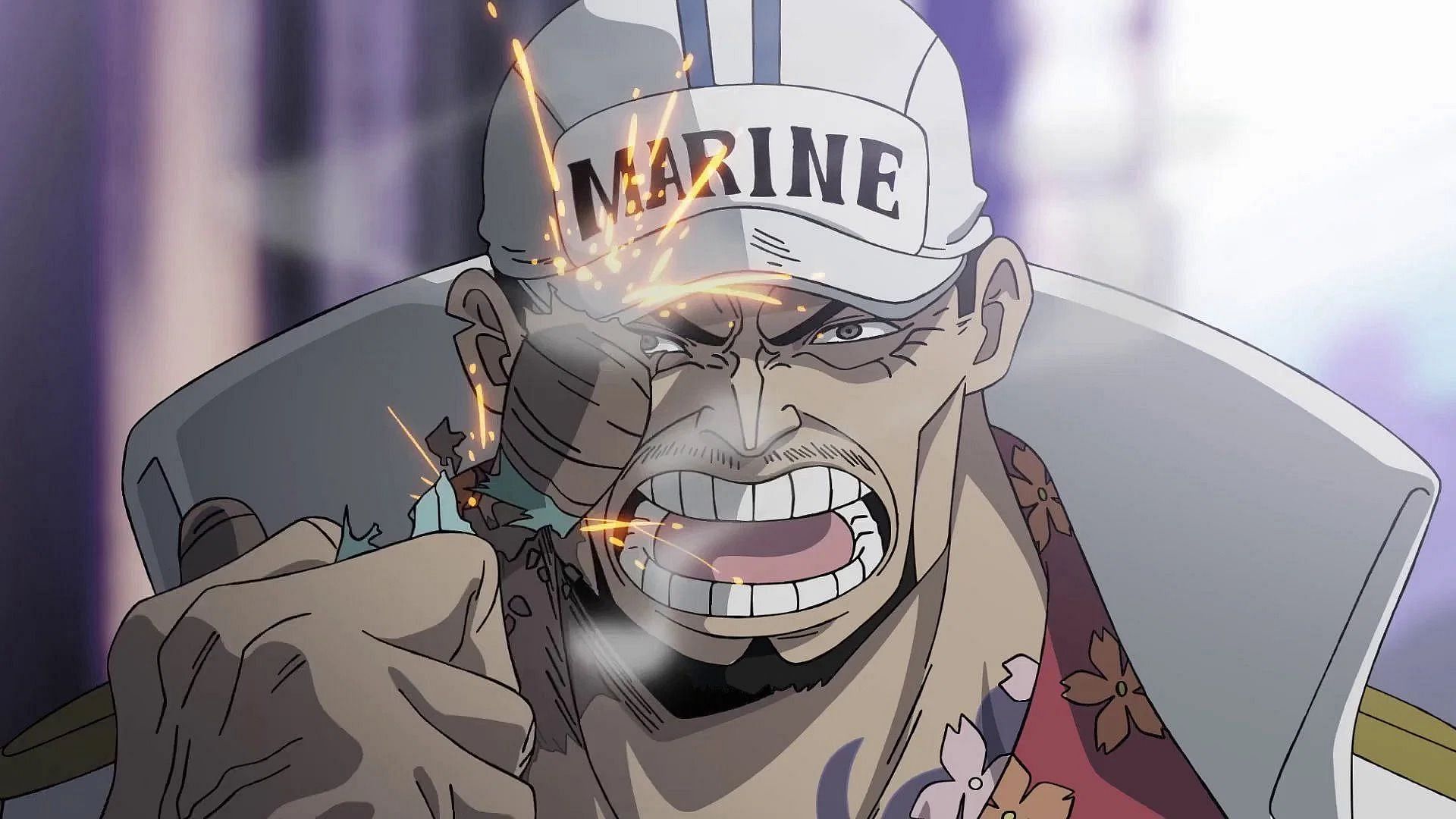
The world of One Piece is a vast and turbulent ocean, where the clash of empires, pirates, and revolutionaries has resulted in numerous epic naval battles. These conflicts have shaped the course of history, leaving lasting impacts on the balance of power and the lives of countless individuals.
Major Battles and Conflicts
The following is a list of some of the most significant naval battles in the One Piece universe:
-
Battle of Marineford:
- Factions involved: Marines, Whitebeard Pirates, Blackbeard Pirates, other pirate crews, and the Revolutionary Army.
- Approximate year: Post-timeskip, roughly 2 years after the events of the Straw Hat Pirates’ two-year training period.
- Summary: This epic battle was fought to prevent the execution of Portgas D. Ace, a powerful pirate and Whitebeard’s adopted son. The battle saw the clash of the world’s most powerful pirates against the Marines, resulting in massive destruction and numerous casualties. Key events included the arrival of Whitebeard, his devastating attacks, the betrayal of Blackbeard, and the eventual death of both Ace and Whitebeard.
- Battle of the Summit War:
- Factions involved: Marines, Whitebeard Pirates, other pirate crews, and the Revolutionary Army.
- Approximate year: Post-timeskip, roughly 2 years after the events of the Straw Hat Pirates’ two-year training period.
- Summary: This massive conflict, known as the “Summit War,” took place at Marineford, the headquarters of the World Government’s Marines. The battle was fought to prevent the execution of Portgas D. Ace, a powerful pirate and Whitebeard’s adopted son. The battle saw the clash of the world’s most powerful pirates against the Marines, resulting in massive destruction and numerous casualties.
Key events included the arrival of Whitebeard, his devastating attacks, the betrayal of Blackbeard, and the eventual death of both Ace and Whitebeard.
- Battle of the Marineford:
- Factions involved: Marines, Whitebeard Pirates, Blackbeard Pirates, other pirate crews, and the Revolutionary Army.
- Approximate year: Post-timeskip, roughly 2 years after the events of the Straw Hat Pirates’ two-year training period.
- Summary: This epic battle was fought to prevent the execution of Portgas D. Ace, a powerful pirate and Whitebeard’s adopted son. The battle saw the clash of the world’s most powerful pirates against the Marines, resulting in massive destruction and numerous casualties. Key events included the arrival of Whitebeard, his devastating attacks, the betrayal of Blackbeard, and the eventual death of both Ace and Whitebeard.
- Paramount War:
- Factions involved: Marines, Whitebeard Pirates, Blackbeard Pirates, other pirate crews, and the Revolutionary Army.
- Approximate year: Post-timeskip, roughly 2 years after the events of the Straw Hat Pirates’ two-year training period.
- Summary: This epic battle was fought to prevent the execution of Portgas D. Ace, a powerful pirate and Whitebeard’s adopted son. The battle saw the clash of the world’s most powerful pirates against the Marines, resulting in massive destruction and numerous casualties. Key events included the arrival of Whitebeard, his devastating attacks, the betrayal of Blackbeard, and the eventual death of both Ace and Whitebeard.
- Marineford War:
- Factions involved: Marines, Whitebeard Pirates, Blackbeard Pirates, other pirate crews, and the Revolutionary Army.
- Approximate year: Post-timeskip, roughly 2 years after the events of the Straw Hat Pirates’ two-year training period.
- Summary: This epic battle was fought to prevent the execution of Portgas D. Ace, a powerful pirate and Whitebeard’s adopted son. The battle saw the clash of the world’s most powerful pirates against the Marines, resulting in massive destruction and numerous casualties. Key events included the arrival of Whitebeard, his devastating attacks, the betrayal of Blackbeard, and the eventual death of both Ace and Whitebeard.
Strategic Analysis
Each naval battle in One Piece involves unique strategic considerations, influenced by factors like the involved factions, their strengths, and the specific objectives of the conflict.
-
Naval Maneuvers and Formations:
- The Marines often employ a disciplined and organized approach, utilizing formations like the “Triangle Formation” to maximize firepower and protect their ships.
- Pirates, on the other hand, tend to be more adaptable and unpredictable, often using hit-and-run tactics and exploiting weaknesses in their opponents’ formations.
- Weaponry and Technology:
- The Marines possess advanced weaponry, including cannons, naval guns, and even specialized ships like the “Sea Train” and the “Pacifista.”
- Pirates often rely on their own ingenuity and resourcefulness, utilizing unique weapons like the “Pirate Ship” and the “Sea Monster” as well as relying on their Devil Fruit abilities.
- Leadership Styles and Decision-Making:
- Marine leaders like Sengoku and Garp prioritize strategy and discipline, making calculated decisions to maximize their forces’ effectiveness.
- Pirate captains like Whitebeard and Shanks often rely on their charisma and individual strength to inspire their crews and make decisive decisions in the heat of battle.
- Use of Devil Fruits and Other Special Abilities:
- Devil Fruits play a crucial role in naval battles, providing individuals with unique powers that can turn the tide of battle.
- For example, Whitebeard’s “Gura Gura no Mi” allowed him to shake the very ground, while Blackbeard’s “Yami Yami no Mi” enabled him to absorb and nullify any Devil Fruit ability.
Impact and Aftermath
The impact of naval battles in the One Piece universe is far-reaching, affecting not only the balance of power but also the lives of ordinary people.
-
Political Shifts and Power Dynamics:
- The Battle of Marineford, for example, resulted in the weakening of the Marines and the rise of Blackbeard as a major threat.
- The death of Whitebeard left a void in the pirate world, leading to a period of instability and the emergence of new pirate factions.
- Changes in the Balance of Power Between Factions:
- The outcome of these battles often determines the balance of power between the World Government, pirates, and other factions.
- For example, the defeat of Whitebeard at Marineford allowed the World Government to consolidate its power, while the rise of Blackbeard threatened to disrupt the existing order.
- Impact on the Lives of Ordinary People:
- Naval battles often result in widespread destruction and displacement, affecting the lives of ordinary people in the surrounding areas.
- The Battle of Marineford, for instance, devastated the island of Marineford, leaving many people homeless and without resources.
- Long-Term Consequences for the World:
- The aftermath of these battles can have long-lasting consequences for the world of One Piece.
- For example, the rise of Blackbeard led to a period of increased pirate activity and instability, while the death of Whitebeard created a power vacuum that was eventually filled by new pirate leaders.
Narrative
The salty spray stung my eyes as I clung to the railing of the ship, the wind whipping my hair into a frenzy. The roar of the cannons reverberated through the air, shaking the very deck beneath my feet. It was a symphony of chaos, a deafening chorus of destruction. Around me, the world seemed to dissolve into a swirling vortex of smoke, fire, and steel.
I was just a lowly sailor, a cog in the vast machine of the Marines, but even I could sense the gravity of this battle. This was no ordinary skirmish; this was the Battle of Marineford, a clash of titans that would forever etch itself into the annals of history. The enemy, the Whitebeard Pirates, were a formidable force, their legendary captain wielding the power to shake the very ground beneath our feet.
Their ship, the Moby Dick, a monstrous vessel that dwarfed even our largest warships, plowed through our ranks, leaving a trail of destruction in its wake. Fear gnawed at my insides, but I forced myself to focus on my duty. I grabbed a cannon, its cold metal biting into my hands, and aimed it at the approaching enemy. The roar of the cannon as I fired it was almost deafening, the shockwave sending me reeling backward.
The battle raged on, a maelstrom of steel and fire. Ships collided, cannons roared, and men fell like leaves in a storm. It was a spectacle of unimaginable brutality, a testament to the sheer power of the human will and the depths of human cruelty. The air grew thick with the stench of gunpowder and blood. Around me, men screamed in pain and agony, their bodies mangled and broken.
I saw comrades fall, their faces contorted in a silent scream. Yet, the battle continued, a relentless tide of fury and despair. I fought on, driven by a mixture of fear and duty. I knew that I was just a small part of something much larger, a cog in a machine that was grinding toward an inevitable conclusion. I fought for my comrades, for my country, for the very future of the world.
The battle ended, as all battles must, with a victor and a vanquished. We had won, but at a terrible cost. The world had been forever changed, the balance of power forever shifted. And I, a humble sailor, was left to grapple with the weight of that knowledge, the echoes of the battle forever ringing in my ears.
10. Comparison to Real-World Military Structures

The One Piece world, a vibrant tapestry of pirates, bounty hunters, and devil fruit users, features a robust military force known as the Marines. This organization serves as the world’s primary defense against pirates and other threats, ensuring order and maintaining a fragile balance of power. This analysis delves into the structure and organization of the Marines, comparing and contrasting them with real-world military structures to understand their effectiveness and the influences that may have shaped Oda’s depiction.
Hierarchy and Rank
The Marines, like most real-world militaries, operate under a hierarchical structure with distinct ranks and responsibilities. The following table compares the Marines’ rank system to the United States Navy, a prominent real-world naval force:
| Rank (Marines) | Rank (US Navy) | Responsibilities | Authority | Symbolic Representation |
|---|---|---|---|---|
| Admiral | Admiral | Command and strategic planning for entire fleets or naval operations | High-level decision-making, overseeing large-scale deployments | Distinctive insignia, flags, and uniforms |
| Vice Admiral | Vice Admiral | Leadership roles within fleets, responsible for specific operational areas | Significant authority within their designated sectors | Specific insignia, flags, and uniforms |
| Rear Admiral | Rear Admiral | Command and control of specific task forces or units | Command authority over assigned ships and personnel | Distinctive insignia, flags, and uniforms |
| Captain | Captain | Command of individual warships or naval bases | Direct operational control over assigned vessels and crews | Distinctive insignia, flags, and uniforms |
| Commander | Commander | Leadership roles within divisions or departments of warships | Specific authority over assigned personnel and functions | Distinctive insignia, flags, and uniforms |
| Lieutenant Commander | Lieutenant Commander | Leadership roles within smaller units or departments | Authority over specific operations and personnel | Distinctive insignia, flags, and uniforms |
| Lieutenant | Lieutenant | Tactical and operational roles within units or departments | Direct command of smaller teams or specific functions | Distinctive insignia, flags, and uniforms |
| Ensign | Ensign | Junior officer roles, often serving as assistants or trainees | Limited authority, responsible for specific tasks and duties | Distinctive insignia, flags, and uniforms |
| Marine | Sailor | Enlisted personnel, performing a variety of roles in naval operations | Limited authority, follow orders from officers | Distinctive uniforms and insignia |
The Marines’ hierarchy closely resembles real-world naval structures, emphasizing a clear chain of command and defined roles. Both systems prioritize efficiency and coordination through a structured rank system, ensuring clear lines of authority and responsibility. However, there are some notable differences. The Marines’ system appears more fluid and less rigid, allowing for individuals to rise through the ranks based on merit and accomplishments rather than strict adherence to a predetermined path.
This is evident in characters like Monkey D. Garp, who achieved the rank of Vice Admiral despite not following the traditional route. This flexible approach allows for exceptional individuals to contribute significantly, potentially leading to faster promotions and increased motivation.
Organization and Structure
The Marines’ organization mirrors real-world military structures, with branches, divisions, and units specializing in different functions. They have a clear chain of command, ensuring effective communication and coordination. The Marines’ headquarters, located in the World Government’s main base, oversees operations globally, coordinating actions across different branches and divisions.The Marines’ structure can be broadly categorized into:
- Headquarters: The central command structure, responsible for strategic planning, resource allocation, and overall direction of the Marines. It includes high-ranking officials like the Fleet Admiral, the highest authority within the Marines.
- Fleets: Large naval units composed of numerous warships and personnel. Each fleet is responsible for a specific geographical area or operational mission, with its own Vice Admiral or Admiral in command.
- Divisions: Specialized units within fleets, focusing on specific tasks such as intelligence gathering, training, or special operations.
- Units: Smaller, tactical units within divisions, consisting of individual warships, specialized teams, or groups of Marines.
This structure provides a framework for efficient deployment and coordination of resources. However, the Marines’ reliance on a centralized command structure can lead to bottlenecks in decision-making and slower response times in certain situations. This is evident in instances where individual units are unable to act decisively due to the need for approval from higher authorities.
Training and Recruitment
The Marines’ training program is rigorous and demanding, emphasizing both physical and mental discipline. Their training facilities, such as the G-5 Base and the Marineford headquarters, are equipped with advanced training equipment and experienced instructors. This program aims to cultivate strong, skilled, and loyal Marines, capable of confronting various threats.The Marines’ recruitment process is highly selective, with stringent standards for physical fitness, mental aptitude, and moral character.
Potential recruits undergo rigorous physical and psychological assessments to determine their suitability for service. This selective process ensures that only the most qualified individuals are admitted into the Marines, contributing to their overall effectiveness and upholding their reputation as a disciplined force.The Marines’ training and recruitment methods are similar to those of real-world militaries, focusing on physical fitness, mental resilience, and tactical skills.
The rigorous training regime prepares Marines for the demanding nature of their duties, while the selective recruitment process ensures the quality and dedication of their personnel. However, the Marines’ training methods may be more focused on combat skills and physical prowess, potentially neglecting aspects like strategic thinking and diplomatic skills, which are crucial in modern militaries.
11. The Role of Justice in One Piece
The concept of justice is a central theme in One Piece, constantly explored through the actions and motivations of its diverse characters. The series presents a multifaceted perspective on justice, highlighting the complexities of upholding moral principles in a world filled with pirates, corrupt governments, and conflicting ideologies.
The Different Interpretations of Justice
The characters in One Piece hold vastly different interpretations of justice, each influenced by their unique experiences and personal values.
- Luffy, the protagonist, embodies a simplistic yet powerful definition of justice: doing what he believes is right, even if it means defying authority. He prioritizes freedom and the protection of his friends, often clashing with the Marines’ rigid adherence to the law. Luffy’s actions, though often chaotic, are driven by a strong sense of loyalty and a desire to protect the innocent.
- Garp, Luffy’s grandfather and a renowned Marine, represents a more traditional interpretation of justice. He believes in upholding the law and protecting the world from threats, even if it means making difficult choices. Garp’s actions, while often ruthless, are guided by a deep sense of duty and a desire to create a better world.
- Sengoku, the former Fleet Admiral, embodies a more pragmatic approach to justice. He recognizes the limitations of the law and the necessity of making compromises to maintain order. Sengoku’s decisions are often driven by a desire to preserve the status quo, even if it means sacrificing individual rights.
- Akainu, the current Fleet Admiral, represents a rigid and unforgiving interpretation of justice. He believes in absolute obedience to the law and is willing to use extreme force to achieve his goals. Akainu’s actions are often driven by a sense of righteousness and a desire to eliminate any threat to the World Government.
- Aokiji, the former Admiral who resigned from the Marines, embodies a more nuanced perspective on justice. He questions the World Government’s authority and believes in individual freedom. Aokiji’s actions are often guided by a desire to protect the weak and challenge the status quo.
- Doflamingo, a former Warlord, represents a twisted and self-serving interpretation of justice. He believes in absolute power and uses his influence to manipulate others for his own gain. Doflamingo’s actions are often driven by a desire for control and a disdain for the weak.
The Marines’ Interpretation and Enforcement of Justice
The Marines, as the primary force for maintaining order in the One Piece world, play a crucial role in upholding justice. Their organizational structure and hierarchy are designed to ensure a rigid and centralized system of law enforcement.
- Organizational Structure and Hierarchy: The Marines operate with a strict hierarchy, with the Fleet Admiral at the top, followed by Admirals, Vice Admirals, and lower-ranking officers. This structure ensures a chain of command and allows for swift decision-making, but it also limits individual autonomy and can lead to a rigid and inflexible approach to justice.
- Methods of Upholding Justice: The Marines utilize a variety of methods to uphold justice, including the use of force, legal proceedings, and punishments. They rely heavily on their military might to suppress pirates and other threats, often employing overwhelming force to achieve their objectives. The Marines also have a system of legal proceedings, although these are often biased in favor of the World Government.
Punishments range from imprisonment to execution, depending on the severity of the crime.
- Influence of the World Government: The World Government exerts significant influence over the Marines, shaping their interpretation of justice and influencing their actions. The World Government’s agenda often prioritizes maintaining its own power and control, which can lead to the suppression of dissenting voices and the abuse of power by the Marines. This influence can distort the concept of justice and lead to the persecution of individuals who challenge the status quo.
Learn about more about the process of corporal military rank in the field.
Ethical Dilemmas in the Marines’ Pursuit of Justice
The Marines’ pursuit of justice is often fraught with ethical dilemmas, highlighting the inherent conflicts between their ideals and the realities of their actions.
- Conflict Between Justice and Bias: The Marines are not immune to personal biases and prejudices, which can influence their decisions and actions. This can lead to the unjust treatment of individuals based on their background, beliefs, or affiliations. For example, the Marines have been known to target pirates without considering the circumstances of their actions, often overlooking the motivations behind their crimes.
- Limitations of the System of Justice: The Marines’ system of justice is not without its limitations. The system can fail to address certain issues, such as systemic corruption or the abuse of power by the World Government. It can also fail to protect the rights of individuals, particularly those who are marginalized or lack influence.
- Potential for Reform: Despite the ethical dilemmas associated with the Marines’ pursuit of justice, there is potential for reform. The Marines could implement alternative approaches to justice, such as restorative justice or community-based policing, to address the root causes of crime and promote rehabilitation. They could also work to dismantle the World Government’s influence and create a more independent and accountable system of law enforcement.
The Power of the Devil Fruits
The Devil Fruits are a significant factor in the One Piece world, influencing the balance of power and shaping the strategies of both pirates and the Marines. The Marines, being the world’s primary law enforcement agency, have leveraged the power of Devil Fruits to maintain order and combat the threat of pirates. These fruits grant extraordinary abilities, but their unique strengths and weaknesses have a profound impact on the Marines’ capabilities and tactics.
Devil Fruits Used by Prominent Marines
The Marines have strategically recruited and trained individuals who possess Devil Fruits, bolstering their ranks with powerful abilities.
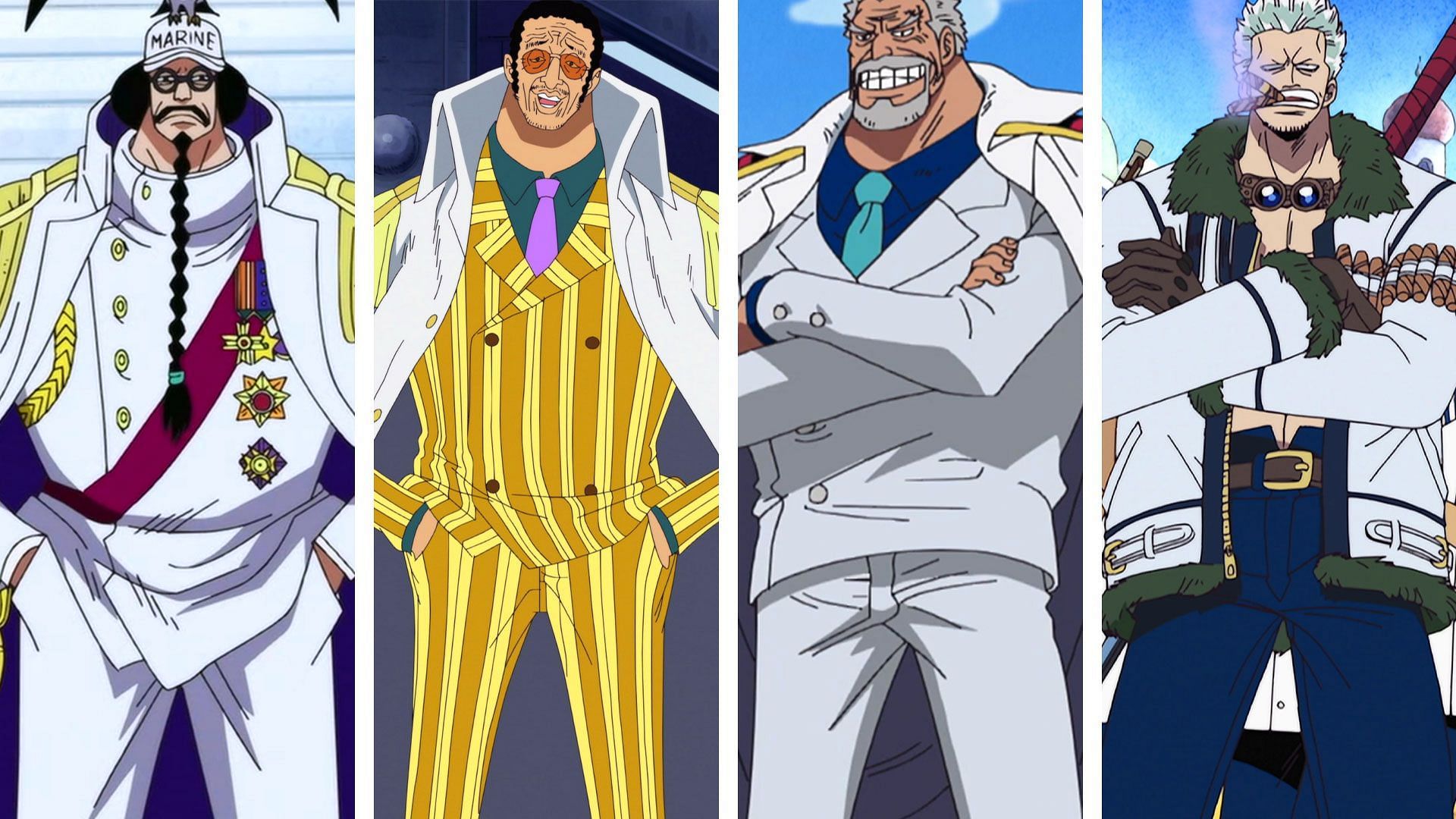
- Sengoku, the former Fleet Admiral, possessed the Hito Hito no Mi, Model: Daibutsu, a Zoan-type Devil Fruit that allowed him to transform into a giant golden Buddha. This fruit granted him immense strength, durability, and the ability to unleash devastating shockwaves. Sengoku utilized his powers in numerous battles, including the Marineford War, where he used his Buddha form to protect his allies and engage in intense combat with Whitebeard.
- Garp, a legendary Marine hero and Sengoku’s close friend, possesses the Gomu Gomu no Mi, a Paramecia-type Devil Fruit that grants the user the ability to stretch their body like rubber. Although he is not a Devil Fruit user himself, Garp has been seen wielding a powerful weapon known as the “Garp Cannon,” which allows him to unleash devastating blows. This fruit’s ability to absorb and redirect attacks makes Garp a formidable opponent.
- Aokiji, a former Admiral, possesses the Hie Hie no Mi, a Logia-type Devil Fruit that allows him to control and manipulate ice. He can freeze anything he touches, create ice constructs, and even transform his body into ice, rendering him immune to most physical attacks. Aokiji’s powers were prominently displayed during the Marineford War, where he froze the entire battlefield, creating a treacherous environment for both pirates and Marines.
- Kizaru, a current Admiral, possesses the Pika Pika no Mi, a Logia-type Devil Fruit that allows him to control and manipulate light. He can move at incredible speeds, fire beams of light, and even transform his body into light, making him virtually intangible. Kizaru’s powers were showcased during the Marineford War, where he effortlessly evaded attacks and launched devastating beams of light.
- Akainu, the current Fleet Admiral, possesses the Magu Magu no Mi, a Logia-type Devil Fruit that allows him to control and manipulate magma. He can create and control molten rock, unleash fiery attacks, and even transform his body into magma, making him highly resistant to most attacks. Akainu’s powers were demonstrated during the Marineford War, where he engaged in a fierce battle with Whitebeard, showcasing his destructive capabilities.
Strategic Advantages of Devil Fruits
The Devil Fruits possessed by Marines provide them with a significant strategic advantage in their fight against pirates. These abilities allow them to:
- Combat Superiority: The unique powers granted by Devil Fruits give Marines a significant edge in combat. For example, Sengoku’s Buddha form grants him immense strength and durability, while Aokiji’s ice manipulation allows him to control the battlefield and create defensive barriers.
- Enhanced Law Enforcement: Devil Fruits like Kizaru’s light manipulation allow Marines to quickly apprehend criminals and maintain order in vast areas. Their ability to move at incredible speeds and project beams of light makes them highly effective in capturing pirates.
- Defense and Protection: The powers of Devil Fruits can be used to protect important locations and assets from pirate attacks. Akainu’s magma manipulation, for example, can create impenetrable walls and firestorms, making it difficult for pirates to penetrate defended areas.
Tactical Implications of Devil Fruits
The unique abilities of Devil Fruits have also influenced the Marines’ tactical strategies and approaches to combat.
- Control of the Battlefield: Devil Fruits like Aokiji’s Hie Hie no Mi allow Marines to control the battlefield by manipulating the environment. Freezing the sea or creating ice walls can restrict the movement of pirates and create advantageous positions.
- Long-Range Attacks: Devil Fruits like Kizaru’s Pika Pika no Mi grant Marines the ability to engage in long-range combat. Their beams of light can reach distant targets, allowing them to attack pirates from a safe distance.
- Defensive Strategies: Devil Fruits can also be used to create defensive strategies. Sengoku’s Buddha form can be used to protect allies from attacks, while Akainu’s magma manipulation can create barriers that are difficult to penetrate.
Weaknesses and Vulnerabilities of Devil Fruits
Despite their power, Devil Fruits have inherent weaknesses that can be exploited by pirates.
- Sea Weakness: All Devil Fruit users are vulnerable to water. They lose their powers and become significantly weaker when submerged in water. This vulnerability can be exploited by pirates who use water-based attacks or lure them into the sea.
- Specific Countermeasures: Some Devil Fruits have specific weaknesses that can be exploited. For example, the Gomu Gomu no Mi, which grants the user rubber-like abilities, is weak against attacks that use Haki, a powerful force that allows users to bypass Devil Fruit powers.
- Haki: Haki, a powerful force that allows users to sense, control, and manipulate the world’s energy, can be used to counter Devil Fruit abilities. While not a specific weakness, Haki is a significant factor that can mitigate the power of Devil Fruits.
Comparison of Devil Fruit Strengths and Weaknesses
| Devil Fruit | Strengths | Weaknesses |
|---|---|---|
| Hito Hito no Mi, Model: Daibutsu | Immense strength, durability, devastating shockwaves | Limited mobility, vulnerable to water |
| Gomu Gomu no Mi | Ability to stretch and absorb attacks, high durability | Vulnerable to Haki, limited range |
| Hie Hie no Mi | Control and manipulation of ice, defensive capabilities | Vulnerable to fire, limited offensive power |
| Pika Pika no Mi | Incredible speed, long-range attacks, intangibility | Vulnerable to water, limited close-range combat |
| Magu Magu no Mi | Control and manipulation of magma, high offensive power | Vulnerable to water, limited control over magma flow |
13. The Marines’ Training and Recruitment
The Marines’ training program is a rigorous and demanding process designed to transform recruits into highly skilled and disciplined warriors. The training emphasizes physical and mental toughness, combat proficiency, and unit cohesion, all aimed at creating a force capable of operating effectively in a wide range of environments and situations.
Recruitment
The Marines actively recruit individuals who possess the physical, mental, and moral qualities necessary to succeed in this demanding profession.
- Eligibility Criteria: To be eligible for enlistment, individuals must meet certain physical and educational requirements, including age, citizenship, and high school diploma or equivalent. Additionally, potential recruits must pass a physical fitness test and a background check.
- Recruitment Methods: The Marines utilize a variety of methods to reach potential recruits, including online advertising, recruiting stations, and high school outreach programs. Recruiters visit schools and community events to promote the Marines and answer questions about the service.
- Role of Recruiters: Recruiters play a crucial role in the enlistment process. They are responsible for identifying and assessing potential recruits, providing information about the Marines, and assisting recruits through the enlistment process.
Basic Training
Basic training, also known as Recruit Training, is the foundation of the Marines’ training program. It is a 13-week program designed to instill discipline, physical fitness, and the core values of the Marine Corps.
- Structure: The MCRD (Marine Corps Recruit Depot) training program is structured around a regimented schedule that includes physical training, weapons training, drill instruction, and classroom instruction. Recruits are constantly pushed to their physical and mental limits.
- Challenges: Recruits face numerous physical and mental challenges during basic training. They must endure rigorous physical training, including running, swimming, and obstacle courses. They also face constant mental pressure from drill instructors who demand obedience and discipline.
- Skills Taught: During basic training, recruits learn essential skills, including marksmanship, combat tactics, first aid, and land navigation. They also receive instruction in military customs and courtesies, and the history and traditions of the Marine Corps.
Advanced Training
Upon completion of basic training, Marines are assigned to a Military Occupational Specialty (MOS) based on their skills and interests.
- Types of Advanced Training: Marines receive advanced training in their MOS at specialized schools across the country. The duration and content of these programs vary depending on the MOS. For example, infantry Marines receive extensive training in combat tactics, weapons handling, and patrolling. Other MOSs, such as aviation, logistics, and communications, require specialized training in their respective fields.
- Skills and Knowledge: Advanced training programs focus on developing the specific skills and knowledge required for each MOS. Marines learn advanced combat techniques, technical skills, and operational procedures related to their chosen field.
- Duration: The duration of advanced training programs varies depending on the complexity of the MOS. Some programs may last for several weeks, while others may extend for months.
Values and Skills Emphasized in Training
The Marines’ training program is deeply rooted in a set of core values and skills that are essential for success in the military.
- Values: The core values of the Marine Corps are honor, courage, and commitment. These values are instilled in recruits throughout their training.
- Honor: Marines are expected to uphold the highest standards of integrity and ethical conduct.
- Courage: Marines must be willing to face danger and adversity with bravery and determination.
- Commitment: Marines are expected to be dedicated to their mission and their fellow Marines.
- Skills: The Marines’ training program emphasizes the development of key skills that are essential for combat effectiveness and leadership.
- Leadership: Marines are trained to be leaders who can inspire and motivate their subordinates.
- Teamwork: Marines learn the importance of working together as a team to achieve common goals.
- Discipline: Marines are trained to follow orders and maintain a high level of discipline.
- Adaptability: Marines must be able to adapt to changing circumstances and operate effectively in unfamiliar environments.
- Physical Fitness: The Marines’ training program places a strong emphasis on physical fitness. Marines must be physically strong and resilient to endure the demands of combat.
Impact of Training on Effectiveness
The Marines’ training program has a profound impact on their effectiveness in combat and other operations.
- Physical and Mental Toughness: The rigorous training regimen builds physical and mental resilience in Marines. They learn to push themselves beyond their perceived limits and to withstand stress and fatigue. This toughness allows them to perform effectively under pressure and in challenging environments.
- Combat Proficiency: The training equips Marines with the necessary skills and knowledge for combat operations. They learn how to use weapons effectively, how to maneuver in combat, and how to provide medical aid. This training ensures that Marines are prepared to fight effectively in a variety of situations.
- Unit Cohesion: Training fosters a strong sense of unit cohesion and camaraderie among Marines. They learn to trust and rely on each other, and they develop a shared sense of purpose. This cohesion enhances their ability to work effectively as a team and to support each other in difficult situations.
- Overall Effectiveness: The Marines’ training program has made them one of the most effective fighting forces in the world. Their physical and mental toughness, combat proficiency, and unit cohesion allow them to operate effectively in a wide range of environments and situations.
A Marine Recruit’s Journey at Parris Island
The sun beat down mercilessly on the recruits as they marched in perfect unison, their faces etched with determination and fatigue. Private First Class Johnathan “J.T.” Taylor, a fresh-faced recruit from a small town in Texas, felt the weight of his pack pressing down on his shoulders. He had always been athletic and driven, but nothing could have prepared him for the relentless physical and mental challenges of Marine Corps Recruit Training.
The drill instructors were a constant presence, their voices booming across the parade deck, demanding obedience and perfection. J.T. struggled to keep up with the pace, his muscles screaming in protest. He pushed himself beyond his limits, fueled by a stubborn determination to prove himself worthy of the title “Marine.” During weapons training, J.T. struggled to master the M16 rifle.
He fumbled with the magazine, his hands shaking with nerves. The drill instructor, Sergeant Miller, stood over him, his face a mask of impatience. “You’re not a Marine yet, Taylor,” Sergeant Miller barked. “You’re just a recruit. You need to learn to focus and control your fear.” J.T.
took a deep breath, calming his racing heart. He remembered the words his father had told him before he left for boot camp: “Be strong, son. Be courageous. Be a Marine.” He closed his eyes, focusing on the task at hand. He reloaded the magazine, his movements slower and more deliberate.
He took aim, his breath steady, and fired. The shot rang out, hitting the target dead center. Sergeant Miller grunted, his expression softening slightly. “Not bad, Taylor,” he said. “You’re starting to get the hang of it.” J.T.
felt a surge of pride. He had overcome his fear and proved himself. As the weeks passed, J.T. began to see the transformation in himself. He was stronger, more disciplined, and more confident.
He had learned to endure pain and hardship, and he had developed a deep respect for the values of the Marine Corps. He had become a Marine.
The Marines’ Relationship with Other Factions
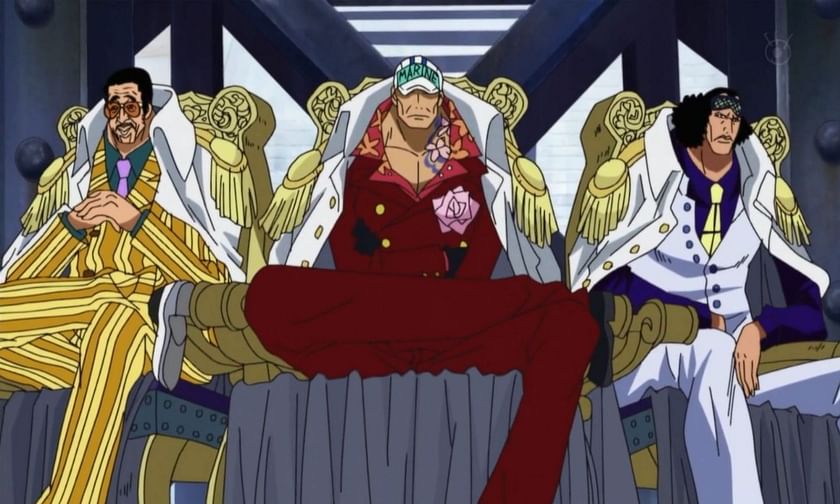
The Marines, as the primary law enforcement agency of the World Government, are constantly engaged in a complex web of relationships with various factions in the One Piece world. These relationships are characterized by a delicate balance of cooperation and conflict, shaped by the Marines’ overarching goal of maintaining order and upholding justice.The Marines’ relationships with other factions are dynamic and often evolve based on the specific circumstances and the actions of the individuals involved.
Their primary objective is to maintain peace and order, but this goal can be achieved through a variety of approaches, ranging from negotiation and diplomacy to direct confrontation and military action.
The Marines’ Relationship with Pirates
The Marines’ relationship with pirates is inherently adversarial. Pirates are considered criminals by the World Government and are actively hunted by the Marines. The Marines deploy their resources to capture or eliminate notorious pirates and their crews, often engaging in intense naval battles. However, the Marines also recognize that pirates are a diverse group with varying levels of threat. Some pirates may be willing to cooperate with the Marines in specific situations, particularly if it serves their own interests.
For instance, a pirate crew might choose to assist the Marines in apprehending a rival pirate group in exchange for leniency or a reduced sentence.
The Marines’ Relationship with the World Government
The Marines are the military arm of the World Government, and their actions are directly influenced by the World Government’s policies and objectives. The World Government provides the Marines with resources, funding, and political support, but it also exerts significant control over their operations. The Marines are expected to enforce the World Government’s laws and policies, even if they conflict with their own moral compass.
This can create tension within the Marines, as some members may question the World Government’s motives or actions. For example, the Marines’ pursuit of the Straw Hat Pirates is driven by the World Government’s desire to maintain its authority and control, but some Marines may disagree with this approach, particularly if they believe the Straw Hats are not a true threat to world peace.
The Marines’ Relationship with the Revolutionary Army
The Revolutionary Army is a direct threat to the World Government and its authority. The Marines are actively engaged in suppressing the Revolutionary Army’s activities, and their relationship is marked by open hostility and conflict. The Marines are tasked with preventing the Revolutionary Army from overthrowing the World Government, and they often deploy their most powerful forces to counter the Revolutionary Army’s movements.
However, the Revolutionary Army’s ideology and goals can resonate with some Marines, particularly those who are disillusioned with the World Government’s corruption and oppression. This can lead to internal conflicts within the Marines, as some members may sympathize with the Revolutionary Army’s cause or even defect to their ranks.
15. The Role of the Marines in the Grand Line: One Piece Military Ranks
The Grand Line, a treacherous and unpredictable expanse of seas, is the central stage of the One Piece world, and the Marines, as the world’s primary law enforcement agency, play a pivotal role in shaping its events. Their presence, missions, and interactions with other factions have a profound impact on the balance of power, influencing the lives of pirates, civilians, and the very fabric of the Grand Line.
Marine Presence and Activities
The Marines maintain a substantial presence throughout the Grand Line, with key bases and outposts strategically located to facilitate their operations. These outposts serve as hubs for intelligence gathering, prisoner detention, and launching expeditions against pirates. Notable examples include:
- Marineford: The headquarters of the Marines, located in the calm waters of the New World, serves as the central command center for their operations and is the site of major battles, such as the Marineford War.
- G-5 Base: Situated on the island of Punk Hazard, G-5 Base is a major outpost responsible for maintaining order in the surrounding area and monitoring the activities of pirates.
- Marine HQ Branch: Established in the Sabaody Archipelago, this branch serves as a liaison between the Marines and the World Government, providing a strategic presence in a key trading hub.
The Marines undertake a variety of missions within the Grand Line, ranging from routine patrols to large-scale operations against powerful pirates. Their activities include:
- Intercepting and apprehending pirates: The Marines regularly patrol the Grand Line, searching for and capturing pirates who violate the World Government’s laws. They employ a variety of tactics, from ambushes to full-scale naval battles, to bring pirates to justice.
- Protecting civilians: The Marines are tasked with protecting civilians from pirate attacks and ensuring the safety of trade routes. They often provide escorts for merchant ships and intervene in cases of piracy.
- Maintaining order and enforcing justice: The Marines strive to maintain order within the Grand Line by enforcing the World Government’s laws and suppressing criminal activity. They investigate crimes, apprehend criminals, and bring them to trial.
The Marines utilize various methods and strategies to maintain order and enforce justice within the Grand Line. These include:
- Intelligence gathering: The Marines gather intelligence on pirate activities through various means, such as informants, surveillance, and the use of specialized agents like Cipher Pol.
- Strategic alliances: The Marines forge alliances with other factions, such as the World Government, the Seven Warlords of the Sea, and even some pirate crews, to achieve common goals.
- Naval superiority: The Marines possess a powerful navy equipped with advanced warships, specialized weaponry, and skilled personnel, giving them a significant advantage in naval battles.
- Justice system: The Marines operate a formal justice system, with courts, prisons, and a hierarchy of authority, to try and punish criminals according to the World Government’s laws.
Challenges and Opportunities
The Marines face numerous challenges in their efforts to maintain order within the Grand Line. These challenges include:
- Vastness of the region: The Grand Line is an expansive and unpredictable region, making it difficult for the Marines to patrol effectively and respond to incidents promptly.
- Powerful pirates: The Grand Line is home to some of the world’s most powerful pirates, who pose a significant threat to the Marines’ authority and ability to enforce justice.
- Unpredictable nature of the seas: The Grand Line is notorious for its unpredictable weather, dangerous sea currents, and unpredictable wildlife, making it a challenging environment for naval operations.
Despite these challenges, the Marines also have opportunities for growth and advancement within the Grand Line. These opportunities include:
- Strategic alliances: The Marines can forge alliances with other factions, such as the World Government, the Seven Warlords of the Sea, and even some pirate crews, to achieve common goals and strengthen their position.
- Resource acquisition: The Marines can utilize the resources available within the Grand Line, such as valuable materials, skilled personnel, and strategic locations, to enhance their capabilities.
- Advancement of their goals: The Marines can leverage their presence in the Grand Line to advance their goals of maintaining order, enforcing justice, and protecting the World Government’s interests.
Impact on the Balance of Power, One piece military ranks
The Marines have a profound impact on the balance of power within the Grand Line. Their presence shapes the interactions between pirates, civilians, and other organizations, influencing the flow of information, the movement of goods, and the overall stability of the region.
- Deterrent to piracy: The Marines act as a deterrent to piracy, discouraging pirates from engaging in criminal activities and maintaining a semblance of order within the Grand Line.
- Protection of civilians: The Marines provide a sense of security for civilians, protecting them from pirate attacks and ensuring the safe passage of goods and services.
- Enforcement of World Government’s laws: The Marines enforce the World Government’s laws, ensuring that pirates and other criminals are held accountable for their actions.
The effectiveness of the Marines in maintaining order and preventing chaos within the Grand Line is a complex issue, with both successes and failures.
- Successes: The Marines have successfully apprehended numerous pirates, protected civilians, and maintained a semblance of order within the Grand Line, demonstrating their effectiveness in enforcing the World Government’s laws.
- Failures: However, the Marines have also faced setbacks, such as the defeat of the World Government at Marineford, demonstrating their limitations in confronting powerful pirates and maintaining absolute control.
The potential consequences of a significant weakening or strengthening of the Marines’ presence in the Grand Line are far-reaching.
- Weakening: A weakening of the Marines’ presence would likely lead to an increase in piracy, a decline in security, and a greater sense of lawlessness within the Grand Line. This could create a power vacuum, allowing other factions, such as pirates or the Revolutionary Army, to exert greater influence.
- Strengthening: A strengthening of the Marines’ presence would likely lead to a decrease in piracy, an increase in security, and a greater sense of order within the Grand Line. This could lead to a more stable and predictable environment, but also raise concerns about the Marines’ potential for overreach and abuse of power.
Essential FAQs
What is the highest rank in the Marines?
The highest rank in the Marines is Fleet Admiral, a position held by the supreme commander of the entire Marine force.
What are the main branches of the Marines?
The Marines are organized into several branches, including the G-5, the HQ, and the various marine bases scattered throughout the world.
How do Marines advance in rank?
Marines advance in rank through a combination of experience, performance, and merit. Demonstrating exceptional skills, completing challenging missions, and upholding the Marines’ values are all factors that contribute to promotion.
What is the significance of the “Vice Admiral” rank?
Vice Admirals are high-ranking officers who hold significant authority within the Marines. They often command entire fleets or specific regions, and their decisions carry significant weight.

Emma Nehls is a military writer and historian with a passion for exploring the intricacies of warfare and the human experience within the military. With extensive knowledge and a deep understanding of military strategy, tactics, and historical contexts, Nehls brings a unique perspective to his writings.
