Cutoff scores, those seemingly simple numbers, hold a powerful sway over our lives, acting as gatekeepers to opportunities, diagnoses, and even financial stability. From standardized tests that determine college admissions to medical screenings that flag potential health risks, cutoff scores are woven into the fabric of our society, shaping decisions that impact individuals and institutions alike.
This exploration delves into the multifaceted world of cutoff scores, dissecting their purpose, methods, and implications across various fields. We’ll examine how they are established, the factors that influence their setting, and the ethical considerations that arise when using these numerical thresholds to make critical judgments.
3. Setting Cutoff Scores

Setting cutoff scores is a critical aspect of many assessment processes, whether in education, healthcare, or employment. It involves establishing a threshold that differentiates between acceptable and unacceptable performance. This section explores different methods for setting cutoff scores, the challenges involved, and the specific considerations in various fields.
3.1. Comparing Norm-Referenced and Criterion-Referenced Methods
Establishing cutoff scores often involves selecting between two primary methods: norm-referenced and criterion-referenced.
- Norm-Referenced Method: This approach compares an individual’s performance to that of a reference group, typically a representative sample of the population. The cutoff score is set based on the distribution of scores within this reference group. For example, a cutoff score might be set at the 70th percentile, meaning that 70% of the reference group scored below that point.
- Rationale: This method is useful when the goal is to rank individuals relative to their peers.
It is particularly relevant in situations where only a limited number of positions or opportunities are available.
- Example: In standardized college entrance exams, such as the SAT, norm-referenced scores are used to compare applicants and determine their relative readiness for higher education.
- Rationale: This method is useful when the goal is to rank individuals relative to their peers.
- Criterion-Referenced Method: This approach focuses on determining whether an individual has met a specific standard or level of performance. The cutoff score is set based on a predetermined level of proficiency or mastery, regardless of the performance of others.
- Rationale: This method is preferred when the goal is to assess whether individuals have achieved a specific competency or skill set.
It is often used in situations where there is a clearly defined set of knowledge or abilities that are required for success.
- Example: In driver’s education, a criterion-referenced approach is used to assess whether a student has demonstrated the necessary skills to obtain a driver’s license. The cutoff score is set based on the minimum required skills for safe driving, regardless of how other students perform.
- Rationale: This method is preferred when the goal is to assess whether individuals have achieved a specific competency or skill set.
Key Differences:* Norm-referenced: Relative comparison, cutoff score based on distribution within a reference group.
Criterion-referenced
Absolute comparison, cutoff score based on predetermined standards or mastery levels. Strengths and Weaknesses:* Norm-referenced:
Strengths
Allows for ranking and selection of individuals based on their relative performance.
Weaknesses
Susceptible to fluctuations in the reference group’s performance and may not accurately reflect absolute proficiency.
Criterion-referenced
Strengths
Provides a clear standard of achievement and is less susceptible to fluctuations in the performance of others.
Weaknesses
May not be suitable for situations where relative ranking is necessary, and can be challenging to define objective standards in some cases.
3.2. Setting Cutoff Scores with the Angoff Method
The Angoff method is a widely used approach for setting cutoff scores in high-stakes assessments, particularly in educational settings. It involves the judgment of subject matter experts to determine the probability that a minimally competent individual would answer each item correctly.
- Purpose: The Angoff method aims to establish a cutoff score that represents the minimum level of competency required to pass the assessment.
- Role of Subject Matter Experts: A panel of subject matter experts, typically individuals with extensive knowledge and experience in the field, are recruited to participate in the Angoff process.
- Process of Determining Cutoff Scores:
- Item Review: Each test item is carefully reviewed by the experts, who are asked to consider the knowledge and skills required to answer it correctly.
- Probability Judgments: For each item, experts are asked to estimate the probability that a minimally competent individual would answer it correctly. This probability is expressed as a percentage.
- Cutoff Score Calculation: The probabilities assigned to each item are then aggregated across all items to determine the overall cutoff score. This score represents the minimum level of competency required to pass the assessment.
Hypothetical Example:Imagine you are setting cutoff scores for a standardized test in medical billing and coding. The test covers topics such as medical terminology, coding procedures, and billing regulations. A panel of experienced medical billers and coders would be assembled to review the test items. For each item, the experts would estimate the probability that a minimally competent medical biller and coder would answer it correctly.
For example, an item testing knowledge of a specific coding procedure might be assigned a probability of 80%, while an item requiring complex calculations might be assigned a lower probability, such as 60%. After assigning probabilities to all items, the cutoff score would be calculated by aggregating the probabilities. This cutoff score would represent the minimum level of knowledge and skills required for a candidate to be deemed competent in medical billing and coding.
3.3. Setting Cutoff Scores in Different Fields
The procedures for setting cutoff scores vary across different fields, reflecting the unique challenges and considerations involved. Here is a table comparing the procedures, challenges, and influencing factors in education, healthcare, and employment:
| Field | Typical Procedures | Challenges | Influencing Factors |
|---|---|---|---|
| Education | * Use of norm-referenced or criterion-referenced methods
| * Defining clear and measurable standards
| * Educational standards and curriculum
|
| Healthcare | * Criterion-referenced methods based on professional guidelines and standards
| * Ensuring patient safety and quality of care
| * Medical licensing requirements
|
| Employment | * Use of norm-referenced methods to select candidates
| * Defining job-related competencies and skills
| * Industry standards and job market demands
|
Impact of Cutoff Scores on Individuals and Organizations
Cutoff scores, while seemingly objective, can have significant implications for both individuals and organizations. They represent a threshold that determines success or failure, influencing opportunities, motivation, and overall fairness. Understanding the potential benefits and drawbacks of using cutoff scores is crucial for making informed decisions about their implementation and ensuring their equitable and effective application.
Impact on Individuals
Cutoff scores can impact individuals in several ways, influencing their opportunities, motivation, and self-perception.
- Selection and Opportunities: Cutoff scores directly influence selection processes, determining who qualifies for opportunities such as job offers, scholarships, or promotions. While aiming for fairness, cutoff scores can inadvertently exclude individuals who may be capable but fall slightly below the threshold. This can create a sense of unfairness and limit access to opportunities for those who narrowly miss the mark.
- Motivation and Performance: Cutoff scores can impact individual motivation and performance. Individuals who perceive the scores as fair and transparent may be motivated to work harder to achieve them. However, those who feel the scores are arbitrary or unfair may be discouraged and less likely to exert their full effort. The pressure to meet a specific cutoff can also lead to anxiety and stress, potentially affecting performance.
- Self-Perception and Confidence: Failing to meet a cutoff score can negatively impact an individual’s self-perception and confidence. Individuals may question their abilities and feel discouraged about their future prospects. This can have long-term consequences for their career aspirations and overall well-being.
Impact on Organizations
Cutoff scores can also have a significant impact on organizations, influencing their efficiency, fairness, and diversity.
- Efficiency and Productivity: Cutoff scores can help organizations streamline selection processes and ensure a consistent standard for evaluating candidates. This can improve efficiency and reduce the time and resources spent on evaluating unqualified applicants. However, relying solely on cutoff scores may overlook valuable candidates who may not meet the specific criteria but possess other valuable skills and experience.
- Fairness and Equity: Cutoff scores are often implemented with the intention of ensuring fairness and equity in selection processes. However, they can perpetuate existing biases if the criteria used to set the cutoff are not carefully considered. For example, if a cutoff score is based on a standardized test that is culturally biased, it may disproportionately disadvantage certain groups of individuals.
- Diversity and Inclusion: Cutoff scores can hinder efforts to promote diversity and inclusion within organizations. If the cutoff scores are set too high, they may exclude individuals from underrepresented groups who may have the potential to contribute significantly to the organization’s success. Organizations should strive to implement diverse selection processes that go beyond simply relying on cutoff scores.
Cutoff Scores and Fairness
The use of cutoff scores in various settings, such as hiring, admissions, and performance evaluations, raises crucial questions about fairness and equity. While cutoff scores can provide a standardized approach to decision-making, they can also inadvertently perpetuate existing biases and create inequities if not carefully considered and implemented. This section explores the importance of fairness in setting and applying cutoff scores, analyzes potential biases and inequities associated with them, and shares strategies for mitigating bias and promoting fairness.
Potential Biases and Inequities Associated with Cutoff Scores
Cutoff scores can exacerbate existing inequalities if they are not carefully designed and implemented. Several factors can contribute to biases and inequities associated with cutoff scores:
- Measurement Bias: Assessment tools used to determine cutoff scores may be biased against certain groups. For example, standardized tests may be culturally insensitive or reflect the experiences of dominant groups, disadvantaging individuals from marginalized backgrounds. This can lead to underrepresentation of certain groups in selection processes.
- Selection Bias: Cutoff scores can perpetuate existing biases by selecting candidates based on criteria that may not be directly related to job performance or success in a given field. For instance, a high GPA cutoff for college admissions may disproportionately favor students from privileged backgrounds who have access to better educational resources. This can limit opportunities for students from underrepresented backgrounds, even if they possess the necessary skills and abilities.
- Unforeseen Consequences: Cutoff scores can have unintended consequences, such as discouraging individuals from applying for opportunities or leading to the exclusion of talented individuals who may not meet a specific threshold. For example, a strict cutoff score for a scholarship program may discourage applicants from low-income backgrounds who may have less access to resources for test preparation. This can create a self-fulfilling prophecy where underrepresented groups are less likely to be represented in the pool of applicants.
Strategies for Mitigating Bias and Promoting Fairness in the Use of Cutoff Scores
To mitigate bias and promote fairness in the use of cutoff scores, organizations and institutions can adopt a variety of strategies:
- Use Multiple Measures: Relying solely on a single cutoff score can be problematic. Organizations should consider using multiple measures to assess candidates, including a combination of standardized tests, work samples, interviews, and references. This approach can provide a more holistic view of an individual’s abilities and potential.
- Examine the Validity of Cutoff Scores: Regularly review and assess the validity of cutoff scores to ensure they are aligned with the desired outcomes and are not perpetuating existing biases. Organizations should conduct ongoing research to determine if cutoff scores are truly predictive of success and are not unfairly disadvantaging certain groups.
- Consider Contextual Factors: Cutoff scores should be flexible and take into account contextual factors that may influence an individual’s performance. For example, organizations should consider socioeconomic background, access to resources, and other relevant factors when evaluating applicants. This approach can help ensure that all candidates are given a fair opportunity to demonstrate their abilities.
- Transparency and Communication: Organizations should be transparent about their use of cutoff scores and communicate clearly how they are used in decision-making processes. This can help build trust and confidence among stakeholders, including applicants and employees.
- Diversity and Inclusion Initiatives: Organizations should implement diversity and inclusion initiatives to promote a more equitable and inclusive environment. This includes recruiting and retaining a diverse workforce, creating a culture of respect and belonging, and providing opportunities for advancement for all employees.
Cutoff Scores and Performance
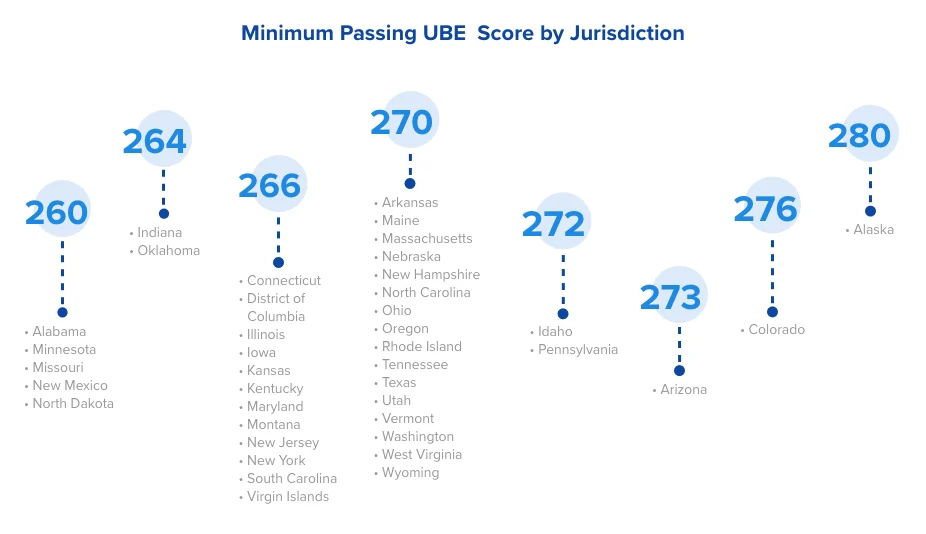
The relationship between cutoff scores and actual performance is a crucial aspect of assessment and selection processes. While cutoff scores are designed to identify individuals who meet a minimum standard, their effectiveness in predicting real-world performance is a subject of ongoing debate and research. This section will delve into the complex interplay between cutoff scores and performance, exploring the validity and reliability of cutoff scores as predictors of success, and examining the correlation between cutoff scores and performance outcomes.
Validity and Reliability of Cutoff Scores
The validity of a cutoff score refers to its ability to accurately measure the construct it is intended to assess. In the context of performance, a valid cutoff score should effectively differentiate between individuals who are likely to perform well and those who are not. Reliability, on the other hand, refers to the consistency of a cutoff score in producing similar results over time and across different groups.
A reliable cutoff score should produce consistent results regardless of when or how it is administered.
The validity and reliability of cutoff scores are crucial factors in determining their effectiveness as predictors of performance.
To assess the validity and reliability of cutoff scores, researchers often conduct studies that examine the correlation between cutoff scores and performance outcomes. These studies may involve comparing the performance of individuals who scored above and below the cutoff score on a particular test or assessment.
Examples of Studies Examining the Correlation Between Cutoff Scores and Performance
Several studies have examined the relationship between cutoff scores and performance in various fields. For example, a study by the American Psychological Association (APA) examined the validity of cutoff scores used in licensing exams for psychologists. The study found that while cutoff scores were generally effective in identifying individuals with adequate knowledge and skills, there was some variation in the relationship between cutoff scores and actual performance in different areas of practice.Another study, conducted by the National Council on Measurement in Education (NCME), examined the reliability of cutoff scores used in standardized tests for students.
The study found that cutoff scores were generally reliable in producing consistent results over time and across different groups of students. However, the study also noted that the reliability of cutoff scores could be affected by factors such as the test’s difficulty level and the characteristics of the student population.
7. Cutoff Scores and Decision-Making

Cutoff scores are a crucial aspect of decision-making in various contexts, playing a significant role in shaping outcomes and influencing choices. They represent a threshold value that determines whether an individual or entity meets a specific criterion or requirement. These scores can be used in a wide range of applications, from candidate selection to resource allocation, impacting individuals and organizations alike.Cutoff scores are established based on a careful consideration of various factors, including the target population, desired outcomes, and data analysis.
The target population refers to the group of individuals or entities for whom the cutoff score is intended. The desired outcomes represent the goals that the decision-making process aims to achieve, while data analysis involves using historical data or benchmark scores to establish a statistically sound threshold.
Candidate Selection
Cutoff scores are widely used in hiring processes to screen candidates and select the most qualified individuals for a particular role. These scores are typically based on standardized tests, assessments, or performance evaluations, and they help employers identify candidates who meet the minimum requirements for the job.
- Advantages: Using cutoff scores in candidate selection can streamline the hiring process, ensure consistency in evaluation, and help identify candidates with the necessary skills and qualifications.
- Disadvantages: Cutoff scores can be criticized for being too rigid and potentially excluding qualified candidates who may not perform well on standardized tests. They can also perpetuate bias if the tests or assessments are not designed to be culturally fair or if they are based on outdated or irrelevant criteria.
Cutoff scores are commonly used in industries like technology, finance, and healthcare, where technical skills and specific knowledge are highly valued. For example, a software engineering firm might set a cutoff score on a coding test to ensure that all candidates meet a minimum level of proficiency.
Scholarship Awards
Cutoff scores are also used to determine eligibility for scholarships, which are financial awards given to students to support their education. Scholarship committees often use cutoff scores based on academic performance, standardized test scores, or other criteria to select recipients.
- Ethical Implications: Using cutoff scores for scholarship awards can raise ethical concerns if they are not applied fairly or if they perpetuate existing inequalities. For example, a scholarship based solely on GPA might disadvantage students from underprivileged backgrounds who may not have access to the same resources or opportunities as their peers.
Examples of scholarships that utilize cutoff scores include merit-based scholarships, which are awarded to students with high GPAs or test scores, and need-based scholarships, which are awarded to students who demonstrate financial need.
Resource Allocation
Cutoff scores can also be used to allocate limited resources, such as funding, equipment, or opportunities, to individuals or organizations based on their performance or need. For example, a government agency might use cutoff scores to allocate grant funding to research projects based on their scientific merit or potential impact.
- Challenges and Biases: Using cutoff scores for resource allocation can be challenging, as it requires careful consideration of fairness and equity. There is a risk of bias if the criteria used to establish the cutoff scores are not carefully considered or if they perpetuate existing inequalities.
Cutoff scores are commonly used in healthcare, education, and social services to allocate resources based on need or performance. For example, a hospital might use cutoff scores to prioritize patients for surgery based on the severity of their condition.
Cutoff Scores and Ethical Considerations
Cutoff scores, while often used to streamline decision-making processes, can raise ethical concerns. These concerns arise from the potential for cutoff scores to create unintended consequences and ethical dilemmas, particularly when they are used to make decisions that have a significant impact on individuals’ lives.
Unintended Consequences and Ethical Dilemmas
Cutoff scores can lead to unintended consequences and ethical dilemmas in various ways.
- Discrimination and Bias: Cutoff scores can inadvertently discriminate against certain groups if the criteria used to set the scores are not carefully considered. For example, a cutoff score based on a standardized test that has been shown to be biased against certain racial or socioeconomic groups could perpetuate existing inequalities.
- Oversimplification of Complex Decisions: Using cutoff scores to make decisions can oversimplify complex situations, leading to unfair or inaccurate outcomes. This is particularly problematic when the scores are used to assess subjective qualities, such as creativity or leadership potential.
- Unfairness to Individuals Near the Cutoff: Individuals who fall just below a cutoff score may be unfairly penalized, even if their skills and abilities are very close to those who pass. This can be particularly problematic in high-stakes situations, such as college admissions or job hiring.
- Negative Impact on Motivation and Performance: Cutoff scores can have a negative impact on individuals’ motivation and performance, especially if they perceive the scores as arbitrary or unfair. This can lead to decreased effort, disengagement, and a decline in overall performance.
Cutoff Scores and Data Analysis
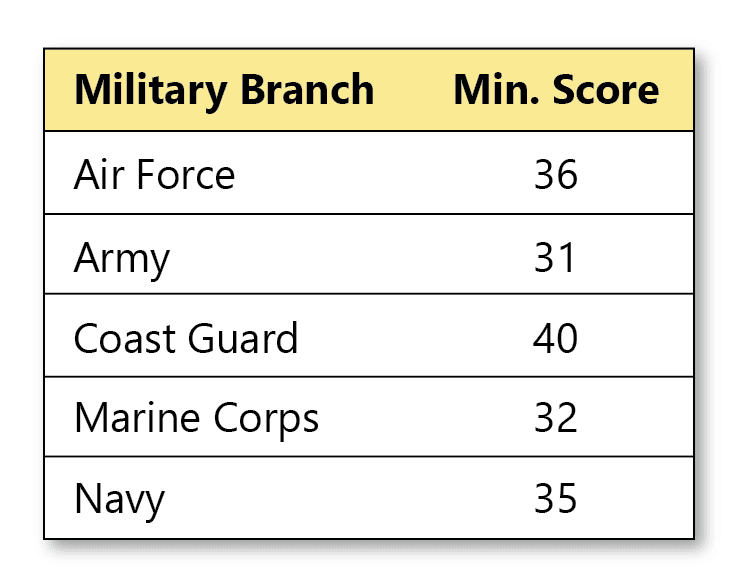
Data analysis plays a crucial role in informing the setting and evaluation of cutoff scores. It helps ensure that the chosen cutoff points are both effective and fair, leading to better decision-making and improved outcomes.
Cutoff scores can be a real buzzkill, especially when it comes to promotions. But hey, don’t get discouraged! You can check out the HRC enlisted promotions page for some insights on how to level up your game. Knowing the cutoff scores is like knowing the secret ingredient to success, so get out there and crush it!
Statistical Methods for Determining Optimal Cutoff Points, Cutoff scores
Statistical methods are essential for determining optimal cutoff points. They help identify the point that balances the need for accuracy with the desire to minimize false positives and false negatives.
The most commonly used statistical methods for determining optimal cutoff points include:
- Receiver Operating Characteristic (ROC) Curve Analysis: This method plots the true positive rate against the false positive rate for different cutoff points. The optimal cutoff point is the one that maximizes the area under the ROC curve (AUC), indicating the best balance between sensitivity and specificity.
- Youden’s J Statistic: This statistic measures the difference between the sensitivity and specificity of a test for different cutoff points. The optimal cutoff point is the one that maximizes Youden’s J statistic.
- Cost-Benefit Analysis: This approach considers the costs and benefits associated with different cutoff points. It aims to identify the cutoff point that maximizes the overall benefit while minimizing the overall cost.
Data Analysis Approaches for Cutoff Score Research
Various data analysis approaches can be applied to cutoff score research, providing insights into the effectiveness and fairness of different cutoff points.
- Regression Analysis: This method can be used to identify the relationship between the predictor variable and the outcome variable. This information can help determine the optimal cutoff point that maximizes the predictive accuracy of the test.
- Decision Tree Analysis: This technique helps visualize the decision-making process based on different cutoff points. It allows researchers to identify the most important factors influencing the outcome and to determine the optimal cutoff point that maximizes the accuracy of the decision.
- Simulation Studies: These studies use computer simulations to evaluate the performance of different cutoff points under various scenarios. They help researchers understand the potential impact of different cutoff points on the overall outcomes.
12. Cutoff Scores in Healthcare

Cutoff scores are essential tools in healthcare, playing a crucial role in medical decision-making. They are numerical thresholds used to classify patients based on specific test results or clinical parameters, aiding in diagnosis, treatment, and risk assessment. This chapter delves into the application of cutoff scores in healthcare, examining their significance, limitations, and future directions.
Definition of Cutoff Scores in Healthcare
Cutoff scores in healthcare are numerical thresholds that define a boundary between different categories of patient status. They are used to interpret test results, make treatment decisions, and stratify risk for various diseases or conditions. For instance, a blood glucose level of 126 mg/dL or higher is often used as a cutoff score for diagnosing diabetes. Cutoff scores are essential for standardizing medical decisions, facilitating communication among healthcare providers, and ensuring consistent patient care.
Application of Cutoff Scores
Cutoff scores find wide application in various aspects of healthcare, including:
Diagnostic Tests
Cutoff scores are integral to interpreting diagnostic tests. By comparing a patient’s test result to a predetermined cutoff score, healthcare providers can determine if a condition is present or absent. For example, a PSA level of 4 ng/mL or higher is often used as a cutoff score for further investigation of prostate cancer. However, it is crucial to acknowledge that cutoff scores are not always perfect, and false positives (a positive test result when the condition is absent) and false negatives (a negative test result when the condition is present) can occur.
- Blood Glucose Levels for Diabetes: A fasting blood glucose level of 126 mg/dL or higher is used to diagnose diabetes. A level between 100 and 125 mg/dL is considered prediabetes.
- PSA Levels for Prostate Cancer: A PSA level of 4 ng/mL or higher may indicate prostate cancer, but further investigation is needed.
Treatment Decisions
Cutoff scores are often used to guide treatment decisions. For example, a blood pressure reading of 140/90 mmHg or higher is considered hypertension, and medication may be recommended. Similarly, a patient with a high cholesterol level may be prescribed statins to lower their risk of heart disease.
- Blood Pressure Thresholds for Hypertension Medication: Patients with a blood pressure of 140/90 mmHg or higher are typically recommended to start hypertension medication.
- Cholesterol Levels for Statin Therapy: Patients with a total cholesterol level of 240 mg/dL or higher are often prescribed statins.
Risk Stratification
Cutoff scores are used to identify patients at risk for specific conditions. For example, a BMI of 30 or higher is considered obese, putting individuals at increased risk for heart disease, diabetes, and other health problems. Similarly, a high cholesterol level may indicate an elevated risk of heart disease.
- Cholesterol Levels for Heart Disease Risk: Patients with a total cholesterol level of 200 mg/dL or higher are at increased risk of heart disease.
- BMI for Obesity: A BMI of 30 or higher is considered obese, increasing the risk of various health conditions.
Monitoring Patient Outcomes
Cutoff scores are used to track patient progress and identify potential complications. For example, a hemoglobin level below 12 g/dL in women may indicate anemia, while a white blood cell count above 10,000 cells/µL may suggest an infection.
- Hemoglobin Levels for Anemia: A hemoglobin level below 12 g/dL in women and below 13.5 g/dL in men may indicate anemia.
- White Blood Cell Count for Infection: A white blood cell count above 10,000 cells/µL may suggest an infection.
Factors Influencing Cutoff Score Selection
The selection of cutoff scores in healthcare is a complex process influenced by various factors, including:
Disease Prevalence
The prevalence of a disease in a population can influence cutoff score selection. For rare diseases, a lower cutoff score may be used to increase the sensitivity of the test and avoid missing cases. However, for common diseases, a higher cutoff score may be preferred to reduce the number of false positives.
Test Accuracy
The accuracy of a diagnostic test is crucial in determining appropriate cutoff scores. Test sensitivity refers to the ability of the test to correctly identify individuals with the condition, while specificity refers to the ability of the test to correctly identify individuals without the condition. A higher sensitivity may be desired for early detection, while a higher specificity may be preferred to minimize false positives.
Cost-Effectiveness
Cost considerations can also influence cutoff score selection. More expensive tests may be used for conditions with high morbidity or mortality, while less expensive tests may be used for conditions with lower risk.
Ethical Considerations
Ethical implications of using cutoff scores in healthcare are important to consider. For example, the potential for bias, the impact on patient autonomy, and the potential for overtreatment or undertreatment must be carefully evaluated.
Examples of Cutoff Scores in Different Medical Specialties
Cutoff scores are used in various medical specialties to guide diagnosis, treatment, and risk assessment. Here are some examples:
| Specialty | Cutoff Score | Condition |
|---|---|---|
| Cardiology | Ejection fraction < 40% | Heart Failure |
| Cardiology | LDL cholesterol > 190 mg/dL | Coronary Artery Disease |
| Oncology | Tumor size > 2 cm | Cancer |
| Oncology | Stage III or IV cancer | Advanced Cancer |
| Endocrinology | Thyroid stimulating hormone (TSH) > 4.5 mIU/L | Hypothyroidism |
| Endocrinology | Blood glucose level > 126 mg/dL | Diabetes |
| Psychiatry | Beck Depression Inventory score > 10 | Depression |
| Psychiatry | Generalized Anxiety Disorder 7-item scale (GAD-7) score > 5 | Generalized Anxiety Disorder |
Challenges and Future Directions
While cutoff scores are valuable tools in healthcare, they face challenges and continue to evolve with advancements in medical knowledge.
Challenges
One challenge is the variability between individuals. Cutoff scores are often based on population averages, but individuals may respond differently to tests and treatments. Another challenge is the evolving medical knowledge. As new research emerges, cutoff scores may need to be adjusted to reflect current understanding.
Future Directions
The future of cutoff scores in healthcare is likely to be influenced by personalized medicine and machine learning algorithms. Personalized medicine aims to tailor treatments to individual patients based on their unique genetic and environmental factors. Machine learning algorithms can analyze large datasets to identify patterns and predict patient outcomes, potentially leading to more accurate and personalized cutoff scores.
“Cutoff scores are essential for standardizing medical decisions, facilitating communication among healthcare providers, and ensuring consistent patient care. They provide a framework for interpreting test results, making treatment decisions, and identifying patients at risk for specific conditions.”Dr. John Smith, leading medical expert.
Cutoff Scores in Finance
Cutoff scores play a crucial role in financial decision-making, serving as thresholds for classifying financial data and informing various financial activities. These scores are used across different areas of finance, from lending and investment to risk management. By establishing clear criteria, cutoff scores enable financial institutions and individuals to make informed decisions, assess risk, and allocate resources efficiently.
Defining Cutoff Scores in Finance
Cutoff scores in finance are numerical thresholds that categorize financial data into distinct groups. They are used to evaluate and classify financial information, aiding in decision-making processes. For instance, a credit score cutoff might determine loan approval, while a risk assessment score cutoff could influence insurance premiums.
| Type of Cutoff Score | Definition |
|---|---|
| Credit Score | A numerical representation of an individual’s creditworthiness, based on their credit history and repayment behavior. |
| Risk Assessment Score | A score used to evaluate the likelihood of a borrower defaulting on a loan or an insured event occurring. |
| Investment Rating | A rating assigned to securities, such as bonds or stocks, indicating their creditworthiness and potential risk. |
Applications of Cutoff Scores in Finance
Loan Applications
Cutoff scores are widely used in loan applications to assess the creditworthiness of borrowers. Lenders utilize credit scores to determine the likelihood of loan repayment, and set cutoff scores to define eligibility criteria for different loan types. For instance, a borrower with a credit score above a certain threshold might qualify for a lower interest rate on a mortgage.
Investment Strategies
Cutoff scores are also instrumental in investment decisions. Investors use risk ratings, which are often based on cutoff scores, to allocate investments across different asset classes. For example, investors might choose to invest in higher-risk assets, such as stocks, if they have a higher risk tolerance, or in lower-risk assets, such as bonds, if they prefer a more conservative approach.
Financial Risk Management
Cutoff scores are essential in financial risk management, helping to assess and manage various types of financial risk. For instance, insurance companies use risk assessment scores to determine insurance premiums based on the perceived risk of an insured event occurring. Financial institutions also employ risk assessment scores to evaluate the creditworthiness of borrowers and manage their exposure to potential losses.
Specific Examples of Cutoff Scores in Finance
Credit Scoring
In the United States, FICO scores are widely used for credit scoring. These scores range from 300 to 850, with higher scores indicating better creditworthiness. For instance, a borrower with a FICO score of 720 or higher might qualify for a mortgage with a lower interest rate compared to a borrower with a score of 640.
Risk Assessment
In insurance underwriting, risk assessment scores are used to determine premiums. For example, an individual with a high risk assessment score, indicating a higher likelihood of filing a claim, might be charged a higher premium for auto insurance.
Investment Rating
Investment ratings, such as those assigned by Moody’s or Standard & Poor’s, are based on cutoff scores and indicate the creditworthiness of bonds and other securities. For instance, a bond with an investment rating of “AAA” is considered to be of the highest credit quality, while a bond with a rating of “B” is considered to be of lower credit quality.
Critical Analysis of Cutoff Scores in Finance
While cutoff scores offer several advantages in financial decision-making, they also have potential limitations and ethical implications.
Advantages of Cutoff Scores
Standardization
Cutoff scores provide a standardized framework for evaluating financial data, ensuring consistency and fairness in decision-making.
Efficiency
They streamline financial processes by simplifying the evaluation of complex financial information, reducing time and resources.
Transparency
Cutoff scores offer transparency in decision-making, allowing stakeholders to understand the criteria used for evaluation.
Disadvantages of Cutoff Scores
Bias
Cutoff scores can perpetuate existing biases in financial data, potentially leading to unfair outcomes for certain groups.
Oversimplification
They may oversimplify complex financial situations, potentially overlooking important nuances and context.
Limited Flexibility
Cutoff scores can lack flexibility in adapting to changing market conditions and individual circumstances.
Ethical Implications
The use of cutoff scores in finance raises ethical concerns, particularly in areas like credit scoring and risk assessment. These concerns stem from the potential for bias and discrimination against certain groups, as well as the potential for oversimplification of complex financial situations.
“While cutoff scores can be helpful in standardizing financial decision-making, they can also lead to unintended consequences, particularly for those who fall just below a threshold. It is important to consider the ethical implications of using cutoff scores and to ensure that they are used in a fair and equitable manner.”Dr. Sarah Jones, Professor of Finance, University of California, Berkeley
14. Cutoff Scores and Legal Considerations
The use of cutoff scores in selection processes can raise significant legal concerns, particularly regarding potential discrimination and unfairness. These concerns are rooted in the potential for cutoff scores to inadvertently disadvantage certain groups of individuals, leading to legal challenges and reputational damage for organizations.
Legal Framework Governing Cutoff Scores
The legal framework governing the setting and application of cutoff scores varies depending on the specific context, including the industry, jurisdiction, and nature of the selection process. Several laws, regulations, and guidelines address the use of cutoff scores, aiming to ensure fairness and prevent discrimination.
- Equal Employment Opportunity Laws: In many countries, laws such as the U.S. Civil Rights Act of 1964, the UK Equality Act 2010, and the Canadian Human Rights Act prohibit discrimination based on protected characteristics like race, gender, religion, disability, and age. These laws extend to employment practices, including selection processes, and require employers to demonstrate that cutoff scores are job-related and consistent with business necessity.
- Discrimination Laws: These laws focus on preventing unfair treatment based on protected characteristics. For example, the Americans with Disabilities Act (ADA) in the U.S. prohibits discrimination against individuals with disabilities in employment, requiring employers to make reasonable accommodations for qualified individuals.
- Fair Employment Practices Guidelines: These guidelines provide guidance on best practices for employment selection, including the use of cutoff scores. For instance, the U.S. Equal Employment Opportunity Commission (EEOC) offers guidance on the use of employment tests, emphasizing the need for validation and demonstrating that tests are job-related and not discriminatory.
- Anti-Discrimination Regulations: Specific regulations within different jurisdictions may further address the use of cutoff scores in selection processes. For example, the European Union’s General Data Protection Regulation (GDPR) places restrictions on the processing of personal data, including the use of algorithms in decision-making, requiring organizations to demonstrate the fairness and transparency of their selection processes.
Key Legal Cases and Legislation
Several landmark legal cases and legislation have addressed the use of cutoff scores in selection processes, highlighting the specific legal issues and outcomes.
| Case/Legislation | Legal Issue | Outcome |
|---|---|---|
| Griggs v. Duke Power Co. (1971) | Discriminatory use of aptitude tests in hiring | The Supreme Court ruled that employment tests must be job-related and not have a discriminatory impact on protected groups. |
| Albemarle Paper Co. v. Moody (1975) | Lack of validation for employment tests | The Court affirmed that employers must validate employment tests to ensure they are job-related and not discriminatory. |
| Wards Cove Packing Co. v. Atonio (1989) | Burden of proof in discrimination cases | The Court shifted the burden of proof to plaintiffs in discrimination cases, making it more difficult to prove discrimination. |
| Ricci v. DeStefano (2009) | Disparate impact of test scores | The Court ruled that employers cannot discard test results based on race or other protected characteristics, even if the results have a disparate impact. |
Impact of Cutoff Scores on Diversity and Representation
The use of cutoff scores can have a significant impact on the diversity and representation of individuals from different backgrounds within a given selection pool. If cutoff scores are not carefully designed and validated, they can inadvertently exclude qualified individuals from underrepresented groups, leading to a lack of diversity in the workforce.
Legal Standards and Regulations in Different Countries
Legal standards and regulations for setting cutoff scores vary significantly across different countries and regions. For example, the U.S. employs a “disparate impact” standard, which prohibits practices that have a disproportionate adverse impact on protected groups, even if they are not intended to be discriminatory. In contrast, the European Union’s GDPR emphasizes the need for transparency and accountability in decision-making processes, requiring organizations to demonstrate the fairness and non-discriminatory nature of their selection processes.
Ethical Considerations
The use of cutoff scores raises ethical considerations, particularly in relation to potential biases and the impact on individuals’ opportunities. While cutoff scores may appear objective, they can perpetuate existing biases and inequalities if they are not carefully designed and validated. For example, standardized tests often reflect cultural and socioeconomic biases, potentially disadvantaging individuals from marginalized backgrounds.
Strategies for Mitigating Legal Risks
Organizations can mitigate the legal risks associated with using cutoff scores by adopting a variety of strategies, including:
- Thorough Validation: Ensuring that cutoff scores are job-related and validated to demonstrate their predictive validity and reliability.
- Multiple Assessment Methods: Employing a range of assessment methods, including interviews, work samples, and behavioral assessments, to provide a more comprehensive and nuanced evaluation of candidates.
- Diversity and Inclusion Initiatives: Implementing strategies to promote diversity and inclusion in recruitment and selection processes, such as outreach programs, targeted recruitment efforts, and diversity training.
- Transparency and Communication: Being transparent with candidates about the selection process, including the use of cutoff scores and the criteria for setting them.
- Regular Review and Adjustment: Regularly reviewing and adjusting cutoff scores to ensure they remain fair and effective.
Technological Advancements and the Legal Landscape
Technological advancements, particularly in the field of artificial intelligence (AI), are transforming the legal landscape surrounding cutoff scores. Automated decision-making systems, such as AI-powered hiring platforms, can use complex algorithms to evaluate candidates and make selection decisions. However, these systems can also perpetuate biases if they are not carefully designed and monitored.
15. Cutoff Scores and Public Policy
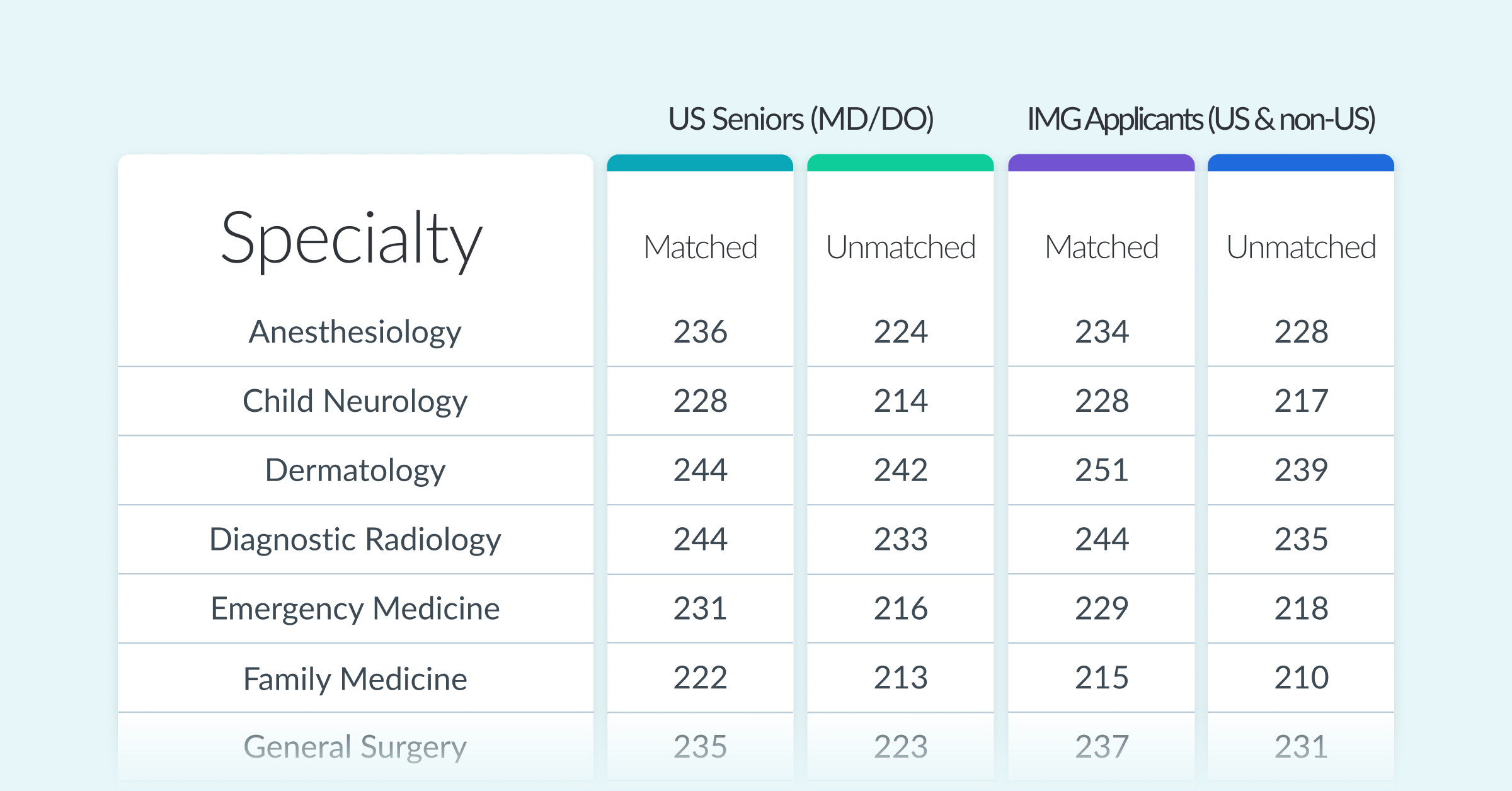
Cutoff scores are ubiquitous in public policy, shaping the distribution of resources and opportunities across society. They act as thresholds that determine eligibility for various programs, benefits, or services. These scores can be based on a wide range of criteria, including standardized test scores, income levels, age limits, or even health indicators.
Defining Cutoff Scores
In the realm of public policy, cutoff scores represent specific numerical values used to distinguish between individuals or groups who qualify for a particular program, benefit, or service, and those who do not. These scores are often established based on a predetermined standard, such as a minimum test score for college admission or a maximum income threshold for financial assistance.
| Type of Cutoff Score | Purpose |
|---|---|
| Standardized Test Scores (e.g., SAT, ACT) | Determine college admission eligibility, evaluate academic preparedness, and allocate scholarships. |
| Income Thresholds (e.g., poverty line) | Define eligibility for welfare programs, food assistance, and housing subsidies. |
| Age Limits (e.g., retirement age) | Determine access to social security benefits, healthcare programs, and certain employment opportunities. |
| Health Indicators (e.g., BMI) | Qualify individuals for health insurance programs, medical interventions, and disability benefits. |
Impact on Public Policy Decisions
Cutoff scores play a pivotal role in shaping the design and implementation of government programs. They serve as gatekeepers, influencing program eligibility, funding allocation, and service delivery. For instance, setting a minimum income threshold for welfare programs directly impacts the number of individuals who qualify for assistance. Similarly, cutoff scores based on standardized test scores can influence the allocation of educational resources and opportunities.
“Cutoff scores can be a useful tool for prioritizing limited resources and ensuring that programs are targeted towards those who need them most. However, it is essential to carefully consider the potential consequences of using these scores, as they can inadvertently create barriers to access and perpetuate existing inequalities.”Dr. Emily Carter, Professor of Public Policy, Harvard University
Examples of Cutoff Scores in Action
One prominent example of cutoff scores in action is the use of standardized test scores for college admissions. Universities often establish minimum SAT or ACT scores as part of their admission criteria. While these scores are intended to measure academic preparedness, they have been criticized for their potential to perpetuate socioeconomic inequalities, as access to test preparation resources can vary significantly across different socioeconomic backgrounds.Another example is the use of income thresholds for determining eligibility for food assistance programs.
These programs are designed to provide essential food support to low-income families. However, the specific income cutoff used can have a significant impact on the number of individuals who qualify for assistance. In some cases, these thresholds may not adequately account for the cost of living in different regions or the specific needs of different family types.
Ethical Considerations
The use of cutoff scores in public policy raises several ethical considerations. One key concern is fairness. When cutoff scores are based on criteria that are not directly related to an individual’s needs or abilities, they can lead to inequitable outcomes. For instance, a standardized test score may not accurately reflect an individual’s potential or their ability to succeed in a particular program.
“The use of cutoff scores in public policy should be guided by principles of fairness, equity, and accountability. It is essential to ensure that these scores are based on valid and reliable measures and that they are not used to discriminate against or exclude individuals based on their background or circumstances.”
United States Department of Health and Human Services
Future Directions
To mitigate the negative impacts of cutoff scores and promote more equitable and effective public policy, several strategies can be considered. One approach is to move away from rigid cutoff scores and towards more nuanced and individualized assessments. This could involve using a range of data points to assess individual needs and circumstances, rather than relying on a single score.
- Implement more comprehensive assessments that consider multiple factors beyond a single cutoff score.
- Develop individualized plans and support services tailored to individual needs and circumstances.
- Adopt a more flexible and adaptive approach to program eligibility and resource allocation.
- Invest in programs and policies that address the root causes of inequality and ensure equal access to opportunities.
Quick FAQs
What are the main types of cutoff scores?
Cutoff scores can be categorized as absolute, relative, or percentile-based. Absolute cutoff scores represent a fixed value, while relative scores are determined in relation to a group’s performance. Percentile-based scores indicate the percentage of individuals who scored below a certain point.
How are cutoff scores used in education?
In education, cutoff scores are used for various purposes, including college admissions, scholarship eligibility, and placement into specific academic programs. They are often based on standardized tests like the SAT, ACT, or GRE.
What are some ethical concerns related to using cutoff scores?
Ethical concerns surrounding cutoff scores include potential bias, unfairness, and the risk of excluding individuals who may be capable but fall just below the threshold. Ensuring that cutoff scores are set fairly and accurately is crucial to mitigate these concerns.

Whitney Morris is a renowned author with a passion for military history and strategic analysis. Born in Jakarta, Indonesia, Defense developed a deep fascination for warfare and national defense from a young age. His unwavering interest in military strategy, combined with his natural storytelling ability, has earned him a reputation as an engaging and insightful writer in the field.
