GS-12 Equivalent Military Rank: A captivating journey through the intricate world of career equivalency, where the federal government’s General Schedule (GS) pay scale meets the structured ranks of the U.S. military. This exploration unveils the complexities of comparing responsibilities, benefits, and career paths across these distinct yet interconnected realms. Imagine a world where the skills honed in a demanding civilian position seamlessly translate into a fulfilling military career, and vice versa.
This is the fascinating landscape we navigate, uncovering the intricate connections between civilian and military service.
Understanding the GS-12 equivalent military rank is crucial for individuals seeking a smooth transition between these sectors. Whether you’re a seasoned federal employee contemplating a military career or a military personnel considering a civilian role, this guide provides valuable insights. We delve into the specific salary ranges and responsibilities associated with a GS-12 position, comparing them to equivalent military ranks across different branches.
This comprehensive analysis will equip you with the knowledge to make informed decisions about your career trajectory.
Comparing Responsibilities and Duties
A GS-12 position in the federal government typically requires a high level of expertise and experience in a specific field. Individuals at this level are often responsible for managing complex projects, leading teams, and making decisions that have a significant impact on their organization. Comparing these responsibilities to those of equivalent military ranks, such as a Major in the Army or a Lieutenant Commander in the Navy, reveals both similarities and differences.
Comparing Responsibilities and Duties
The responsibilities of a GS-12 position are generally focused on technical expertise and managerial skills. These individuals often have a broad understanding of their field and are able to apply their knowledge to solve complex problems. They are also responsible for leading teams, managing budgets, and ensuring that projects are completed on time and within budget. In contrast, equivalent military ranks are more focused on leadership, tactical planning, and operational execution.
They are responsible for leading troops in combat or other operational environments, making decisions under pressure, and ensuring the safety and well-being of their personnel.
- GS-12: Technical expertise, managerial skills, project management, team leadership, budget management.
- Equivalent Military Rank: Leadership, tactical planning, operational execution, troop leadership, decision-making under pressure, personnel safety and well-being.
Differences in Nature of Work and Decision-Making Authority
The nature of work and decision-making authority can vary significantly between GS-12 positions and equivalent military roles. GS-12 positions are often focused on specific technical areas and require a deep understanding of the relevant regulations and policies. Decision-making authority is generally limited to the scope of the individual’s assigned responsibilities. In contrast, equivalent military ranks often have a broader scope of responsibility and are required to make decisions that impact the overall mission of their unit or organization.
They may be required to make decisions under pressure, with limited information, and with the potential for significant consequences.
“GS-12 positions often require a deep understanding of the relevant regulations and policies, while equivalent military ranks may have a broader scope of responsibility and be required to make decisions that impact the overall mission of their unit or organization.”
Career Paths and Advancement
A GS-12 position in the federal government offers a variety of career paths, with opportunities for both promotion and lateral movement. These paths are shaped by individual skills, experience, and career aspirations. Similarly, military personnel holding equivalent ranks also have distinct career trajectories, influenced by factors like performance, leadership, and military specialization. This section delves into the career paths available in both the federal government and the military, highlighting key similarities and differences.
Career Paths in the Federal Government
Individuals holding a GS-12 position in the federal government can progress along various paths. Promotions within the GS system are typically based on merit, performance, and the availability of higher-level positions. Lateral moves, on the other hand, involve transitioning to different agencies or departments, often in similar roles.
- Vertical Advancement: The most common career path involves moving up the GS pay scale, progressing from GS-12 to GS-13, GS-14, and so on. This advancement typically requires a combination of strong performance reviews, relevant training, and the successful completion of specialized certifications. For example, a GS-12 analyst might be promoted to a GS-13 position with increased responsibilities and leadership opportunities.
- Lateral Movement: Individuals may also choose to explore lateral movement, transitioning to different agencies or departments within the federal government. This can provide opportunities to gain new skills, broaden their experience, or pursue specific areas of interest. For instance, a GS-12 project manager in the Department of Transportation might consider a lateral move to a similar position in the Department of Energy, leveraging their skills in a new context.
- Specialized Career Tracks: Some federal agencies offer specialized career tracks that provide opportunities for professional development and advancement. These tracks often focus on specific areas like research, policy analysis, or management. For example, the Federal Bureau of Investigation (FBI) has a specialized career track for agents, with opportunities for advancement based on performance and specialized training.
Career Paths in the Military
Military personnel holding ranks equivalent to a GS-12, such as a Captain in the Army or a Lieutenant Commander in the Navy, have distinct career paths. Advancement in the military is primarily based on performance, leadership, and the acquisition of specialized skills.
- Promotion System: The military utilizes a structured promotion system, with officers advancing through a series of ranks based on their performance, leadership potential, and the availability of vacancies. For example, a Captain in the Army might be promoted to Major based on their performance in previous assignments and their ability to lead a company or battalion.
- Specialized Training and Education: Military personnel are required to undergo specialized training and education, often through military academies, professional military education (PME) programs, and advanced training courses. These programs provide officers with the skills and knowledge necessary to advance in their careers and assume leadership roles. For instance, an Army Captain might attend the Command and General Staff College to prepare for command positions at the battalion level.
- Military Specialties: Military personnel often specialize in specific areas, such as aviation, engineering, or intelligence. These specialties provide officers with specialized skills and knowledge, which can influence their career paths and advancement opportunities. For example, a pilot in the Air Force might specialize in fighter aircraft, leading to a career path focused on combat operations and leadership in air combat units.
5. Benefits and Compensation
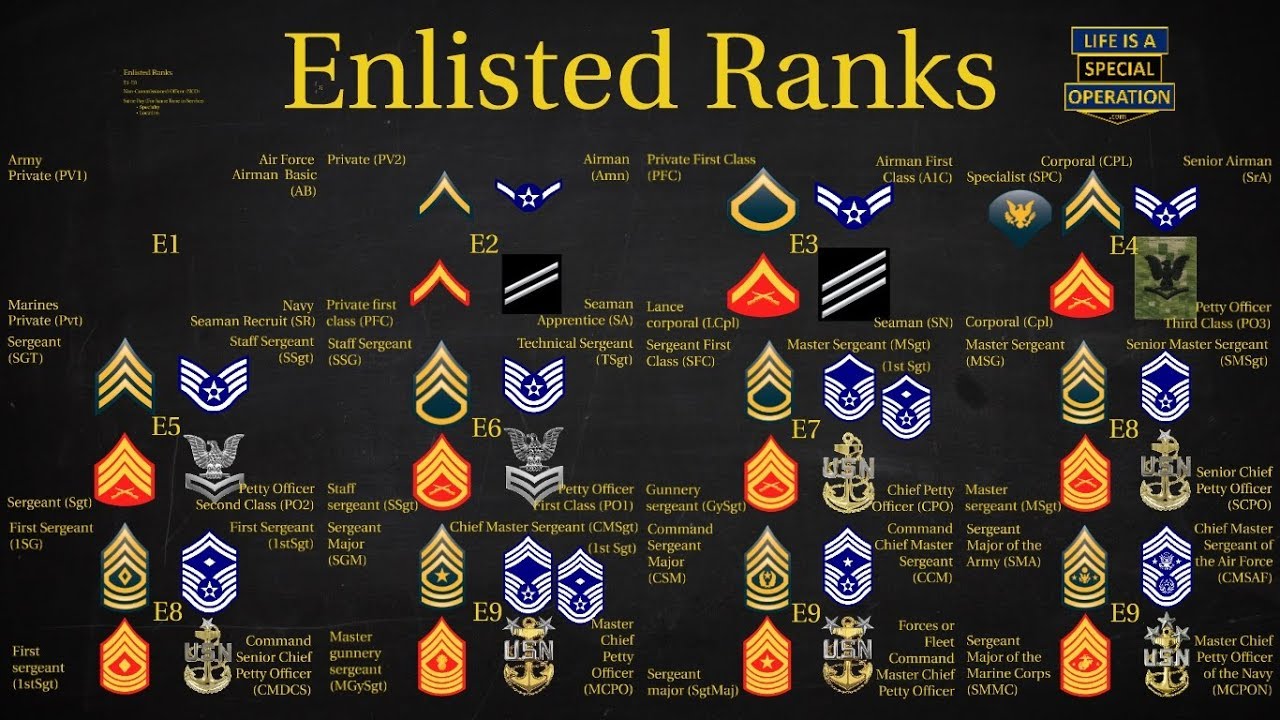
This section delves into the benefits and compensation packages offered to GS-12 employees in the federal government, comparing them to those received by equivalent military personnel. We will examine the financial and non-financial aspects of each option to help you understand the value proposition of each career path.
GS-12 Employee Benefits
GS-12 employees in the federal government enjoy a comprehensive benefits package designed to support their well-being and financial security. These benefits include a competitive salary, comprehensive health insurance, generous retirement plans, ample leave time, and various other perks.
Salary
The salary range for a GS-12 employee varies depending on the specific agency, location, and years of experience. In [Insert Specific Location/City], a GS-12 employee can expect a base salary ranging from [Insert Salary Range]. Step increases are granted annually based on performance and experience, allowing employees to progress up the salary scale over time.
Health Insurance
GS-12 employees have access to a variety of health insurance plans through the Federal Employees Health Benefits Program (FEHBP). These plans offer different levels of coverage and premiums, allowing employees to choose the option that best suits their needs and budget. Common options include:
- Federal Employees Health Benefits Program (FEHBP): Offers a wide range of health insurance plans from private insurance companies, allowing employees to choose the option that best suits their needs and budget.
- Health Savings Account (HSA): A tax-advantaged account that allows employees to save money for healthcare expenses. Employees can contribute pre-tax dollars to their HSA, and withdrawals for qualified medical expenses are tax-free.
- Flexible Spending Account (FSA): A tax-advantaged account that allows employees to set aside pre-tax dollars to pay for eligible medical expenses and dependent care expenses.
Retirement Plans
GS-12 employees are eligible to participate in the Federal Employees Retirement System (FERS), a defined-benefit pension plan that provides a guaranteed monthly income upon retirement. FERS also includes a Thrift Savings Plan (TSP), a defined-contribution plan similar to a 401(k) plan, which allows employees to save for retirement on a tax-deferred basis. The government matches a portion of employee contributions to the TSP, enhancing retirement savings.
- Federal Employees Retirement System (FERS): A defined-benefit pension plan that provides a guaranteed monthly income upon retirement. FERS also includes a Thrift Savings Plan (TSP), a defined-contribution plan similar to a 401(k) plan, which allows employees to save for retirement on a tax-deferred basis.
- Thrift Savings Plan (TSP): A defined-contribution plan similar to a 401(k) plan, which allows employees to save for retirement on a tax-deferred basis. The government matches a portion of employee contributions to the TSP, enhancing retirement savings.
Leave
GS-12 employees are entitled to various types of leave, including:
- Annual Leave: Accrued based on years of service, providing employees with paid time off for vacation, personal reasons, or other purposes.
- Sick Leave: Accrued annually, allowing employees to take time off due to illness or injury.
- Family and Medical Leave: Provides employees with unpaid leave for eligible family and medical reasons, such as childbirth, adoption, or caring for a sick family member.
Other Benefits
In addition to the core benefits mentioned above, GS-12 employees may also be eligible for other benefits, such as:
- Life Insurance: Provides financial protection for dependents in the event of an employee’s death.
- Disability Insurance: Provides income protection in the event of a disability that prevents an employee from working.
- Professional Development Opportunities: The federal government offers a wide range of professional development opportunities, including training courses, workshops, and conferences, to help employees enhance their skills and advance their careers.
Comparison with Military Personnel
The benefits and compensation packages offered to GS-12 employees and military personnel in [Insert Specific Military Branch (e.g., Army, Navy)] differ significantly, reflecting the distinct nature of each career path.
Comparison Table
| Category | GS-12 Employee | [Insert Specific Military Rank (e.g., Captain, Major)] |
|---|---|---|
| Base Pay | [Insert Salary Range] | [Insert Salary Range] |
| Housing Allowance | Not applicable | [Insert Housing Allowance Details] |
| Medical Care | FEHBP | TRICARE |
| Retirement | FERS | [Insert Military Retirement System Details] |
| Leave | Annual Leave, Sick Leave, Family and Medical Leave | [Insert Military Leave System Details] |
| Other Benefits | Life Insurance, Disability Insurance, Professional Development Opportunities | [Insert Other Military Benefits Details] |
6. Education and Training Requirements: Gs-12 Equivalent Military Rank
The education and training requirements for a GS-12 position in the federal government are generally quite specific and can vary depending on the specific job series and agency. A thorough understanding of these requirements is crucial for anyone interested in pursuing a GS-12 career path.
Education and Training Requirements for a GS-12 Position
The specific education and training requirements for a GS-12 position are determined by the agency and the specific job series. In many cases, a bachelor’s degree is the minimum requirement, although some positions may accept a combination of education and experience. Additionally, some positions may require specialized certifications or licenses. For instance, a GS-12 position in engineering might require a Professional Engineer (PE) license, while a position in IT might require a certification such as Cisco Certified Network Associate (CCNA).
- Degree Requirements: A bachelor’s degree in a relevant field is often the minimum requirement for a GS-12 position. For example, a GS-12 position in accounting might require a bachelor’s degree in accounting or a related field. Some positions may accept a master’s degree or even a doctorate, depending on the complexity and level of responsibility involved.
- Certifications and Licenses: Certain GS-12 positions may require specific certifications or licenses. These requirements are typically Artikeld in the job announcement and are often dependent on the specific job duties. For instance, a GS-12 position in healthcare might require a registered nurse (RN) license, while a position in cybersecurity might require a Certified Information Systems Security Professional (CISSP) certification.
- Experience Requirements: In addition to education, most GS-12 positions require a certain level of experience. This experience is typically measured in years of relevant work experience, and the specific requirements can vary depending on the position. For example, a GS-12 position in project management might require three years of experience in project management, while a position in policy analysis might require five years of experience in policy analysis.
Comparing Education and Training Requirements for Military Personnel
The education and training requirements for a GS-12 position can be compared to the education and training standards for equivalent military ranks. For example, a GS-12 position might be equivalent to an E-7 (Master Chief Petty Officer) or an O-3 (Captain) in the military.
| Requirement | GS-12 Position | Equivalent Military Rank (E-7 or O-3) |
|---|---|---|
| Education | Bachelor’s degree in a relevant field (often required) | High school diploma or equivalent (often required) |
| Experience | 3-5 years of relevant experience (often required) | Extensive experience in military operations and leadership |
| Certifications | Specialized certifications or licenses (may be required) | Military-specific certifications and training (e.g., combat training, leadership courses) |
As shown in the table, there are some potential gaps or overlaps in education and training requirements between the two. While military personnel may have extensive experience in leadership and operations, they may not have a bachelor’s degree or specialized certifications that are required for a GS-12 position. However, military experience can often be used to meet the experience requirements for a GS-12 position.
For example, a military officer with experience in logistics might be able to use that experience to meet the requirements for a GS-12 position in supply chain management.
7. Job Market and Demand
The job market for GS-12 positions, which are equivalent to a Major in the military, is a dynamic landscape influenced by various factors, including government priorities, economic conditions, and technological advancements. Understanding the current job market and its future trends is crucial for individuals considering a career path in this sector.
7.1 Current Job Market for GS-12 Positions
The demand for GS-12 positions varies across different government agencies and sectors. For instance, agencies like the Department of Defense, Department of Homeland Security, and the Department of Health and Human Services often have a higher demand for GS-12 positions due to their extensive operations and specialized requirements. Competition for these positions can be fierce, with numerous qualified candidates vying for limited vacancies.
The level of competition for GS-12 positions is influenced by factors such as the specific agency, location, and the required qualifications. In highly sought-after areas like cybersecurity or intelligence analysis, the competition can be particularly intense, requiring candidates to possess advanced degrees, specialized certifications, and relevant work experience.Salary trends for GS-12 positions are influenced by location, agency, and experience.
The Office of Personnel Management (OPM) provides salary ranges for GS-12 positions, with salaries typically starting around $80,000 per year and reaching up to $120,000 or more for experienced professionals in high-demand fields.
- Demand: The demand for GS-12 positions varies across agencies and sectors. Agencies like the Department of Defense, Department of Homeland Security, and the Department of Health and Human Services often have a higher demand for GS-12 positions.
- Competition: Competition for GS-12 positions is influenced by factors such as the specific agency, location, and the required qualifications.
In highly sought-after areas like cybersecurity or intelligence analysis, the competition can be particularly intense.
- Salary Trends: Salary trends for GS-12 positions are influenced by location, agency, and experience. The Office of Personnel Management (OPM) provides salary ranges for GS-12 positions, with salaries typically starting around $80,000 per year and reaching up to $120,000 or more for experienced professionals in high-demand fields.
7.2 Comparison with Equivalent Military Ranks, Gs-12 equivalent military rank
Comparing the job market for GS-12 positions to the job market for equivalent military ranks, such as a Major, reveals both similarities and differences in career progression and retirement benefits. While both paths offer opportunities for advancement and leadership roles, they differ in their career trajectories and retirement packages.
- Career Opportunities: Both GS-12 positions and equivalent military ranks offer career progression paths and advancement opportunities. In the civil service, GS-12 positions can lead to senior management roles, while in the military, Majors can advance to higher ranks, such as Lieutenant Colonel and Colonel.
- Retirement Benefits: The retirement benefits offered in the civil service (GS-12) and the military (equivalent ranks) differ significantly.
Civil service employees are eligible for a defined contribution retirement plan, such as the Thrift Savings Plan (TSP), while military personnel receive a defined benefit pension plan, along with other benefits such as health insurance and disability benefits.
7.3 Long-Term Outlook
The long-term outlook for both GS-12 positions and equivalent military roles is influenced by technological advancements and evolving government priorities. Technological advancements are transforming the government sector, creating new opportunities and potentially displacing traditional roles. Evolving government priorities, driven by economic conditions and global events, can also impact the demand for specific skills and expertise.
- Technological Advancements: Technological advancements are transforming the government sector, creating new opportunities and potentially displacing traditional roles. For instance, the rise of artificial intelligence (AI) and data analytics is creating demand for professionals with expertise in these fields, while traditional administrative roles may become automated.
- Evolving Government Priorities: Evolving government priorities, driven by economic conditions and global events, can also impact the demand for specific skills and expertise.
For example, increased emphasis on cybersecurity and homeland security has led to a surge in demand for professionals in these fields.
7.4 Data and Sources
To support the analysis of the job market for GS-12 positions and equivalent military ranks, various data sources can be consulted, including:
- Government Websites: The Office of Personnel Management (OPM) provides salary data and information on GS-12 positions, while the Department of Defense publishes data on military pay and benefits.
- Industry Publications: Industry publications, such as the Partnership for Public Service and the Government Accountability Office, provide insights into the government job market and trends.
- Salary Databases: Salary databases and websites, such as Salary.com and Glassdoor, track government salaries and provide insights into salary trends for GS-12 positions.
8. Transitioning Between Sectors
Making the leap from a GS-12 position in the federal government to an equivalent military rank presents both unique challenges and enticing opportunities. This section delves into the intricacies of this transition, exploring the potential hurdles and rewards that lie ahead.
Challenges and Opportunities
Transitioning from the civil service to the military requires careful consideration of the differences in work environment, career progression, and skillset expectations. While the move may seem daunting, it also presents a chance for personal and professional growth, offering access to specialized training and leadership development opportunities not readily available in the civilian sector.
- Skillset Transferability: While some skills acquired in a GS-12 role may be directly transferable to the military, others may require further development or adaptation. For instance, analytical and problem-solving skills honed in a GS-12 position can be valuable in military roles, but specific technical skills, such as operating military equipment or applying tactical principles, may need to be acquired through training.
- Cultural Differences: The military and federal government operate within distinct cultures. The military emphasizes hierarchy, discipline, and a strong sense of duty, while the federal government prioritizes bureaucratic processes and adherence to regulations. Adapting to the military’s hierarchical structure and command-and-control environment can be a significant challenge for someone accustomed to the more collaborative and consensus-driven culture of the federal government.
- Career Progression: The career ladder in the military is structured differently from the GS system. Promotions in the military are typically based on seniority, performance, and leadership potential, while advancement in the GS system often relies on merit-based promotions and a combination of experience and education. Individuals transitioning from a GS-12 position may need to adjust their expectations regarding career progression and consider the impact of military service on their long-term career goals.
- Leadership Development: The military provides unparalleled opportunities for leadership development. From basic training to advanced leadership courses, military personnel are constantly challenged to develop their leadership skills. The military’s emphasis on teamwork, decision-making under pressure, and taking responsibility for the well-being of others fosters a culture of leadership that can be highly beneficial for individuals seeking to enhance their leadership abilities.
- New Skill Acquisition: Transitioning to the military provides access to specialized skills and training that are not readily available in the civilian sector. Individuals may have the opportunity to learn new skills in areas such as weapons handling, tactical operations, medical care, or technical specialties. This specialized training can be invaluable for those seeking to enhance their skillset and explore new career paths.
- Personal Growth: The military environment can be a crucible for personal growth and development. Individuals are challenged to push their limits, develop resilience, and learn to adapt to new situations. The military’s emphasis on discipline, teamwork, and service can foster a sense of purpose and contribute to personal growth in areas such as self-confidence, leadership, and problem-solving abilities.
Resources and Support
Navigating the transition from a GS-12 position to the military can be facilitated by utilizing the resources and support available from government agencies, military branches, and non-profit organizations.
- Government Agencies: The Office of Personnel Management (OPM) offers a variety of resources and programs to assist federal employees who are considering military service. The OPM’s “Military Spouse Employment Program” provides support to spouses of active-duty military personnel, while the “Military Leave” program offers protection for federal employees who are called to active duty.
- Military Branches: Each branch of the military has its own transition assistance programs designed to support individuals transitioning from civilian employment to military service. These programs often provide guidance on the enlistment process, career options, and the benefits of military service.
- Non-Profit Organizations: Several non-profit organizations are dedicated to supporting military transitions, such as the “National Military Spouse Network” and the “Military Officers Association of America.” These organizations offer resources and support to individuals transitioning to the military, including information on career paths, educational opportunities, and financial assistance.
Benefits and Drawbacks
The decision to transition from a GS-12 position to the military involves weighing the potential benefits and drawbacks. A comparative table helps illustrate the key considerations:
| Factor | GS-12 Position | Equivalent Military Rank |
|---|---|---|
| Salary | Varies based on location and experience, but typically ranges from $80,000 to $120,000 per year. | Varies based on rank, experience, and branch of service, but typically ranges from $50,000 to $80,000 per year. |
| Benefits | Comprehensive benefits package including health insurance, retirement plan (Thrift Savings Plan), and generous leave time. | Comprehensive benefits package including health insurance (TRICARE), retirement plan (military pension and Thrift Savings Plan), and generous leave time. |
| Career Advancement | Advancement based on merit and experience, with opportunities for promotion and specialized training. | Advancement based on seniority, performance, and leadership potential, with opportunities for promotion and specialized training. |
The decision to transition from a GS-12 position to the military is a complex one, involving careful consideration of individual circumstances, career goals, and personal preferences. While the military offers unique opportunities for leadership development, specialized training, and personal growth, it also presents challenges in terms of salary, career progression, and cultural adaptation.
Historical Perspective
The relationship between the GS pay scale and military rank structures has evolved over time, reflecting changes in government priorities, military roles, and compensation practices. Understanding this historical context is crucial for comprehending the current equivalency between GS-12 and military ranks and its implications for future developments.
Evolution of Equivalency
The GS pay scale, established in 1949, aimed to create a standardized system for federal government employees. Simultaneously, the military developed its own pay structure, based on rank and experience. Initially, the equivalency between GS grades and military ranks was loosely defined, often relying on informal comparisons based on responsibilities and duties. However, over time, a more formalized approach emerged, driven by factors such as the need for consistent recruitment and retention across government and military sectors.
- The Cold War Era: During the Cold War, the government’s focus on national security led to a significant increase in defense spending and the expansion of the military. This resulted in greater emphasis on aligning compensation levels between civilian and military personnel to attract and retain talent. The equivalency between GS-12 and military ranks became more defined during this period, reflecting the strategic importance of both sectors.
- Post-Cold War Period: Following the end of the Cold War, the government’s priorities shifted, leading to a reassessment of defense spending and military roles. This, in turn, influenced the relationship between the GS pay scale and military rank structures. The equivalency between GS-12 and military ranks became more nuanced, taking into account the changing nature of military operations and the need for a more flexible and cost-effective workforce.
- 21st Century: In the 21st century, the relationship between the GS pay scale and military rank structures continues to evolve, influenced by factors such as technological advancements, globalization, and the changing nature of warfare. The equivalency between GS-12 and military ranks is increasingly complex, requiring a more nuanced understanding of the specific skills and experience required in each sector.
Historical Context of the Current Relationship
The current relationship between the GS pay scale and military rank structures reflects the historical evolution of these systems. The equivalency between GS-12 and military ranks is based on a combination of factors, including:
- Responsibilities and Duties: The responsibilities and duties of GS-12 positions and equivalent military ranks are compared to determine their relative levels of complexity and authority.
- Education and Training: The educational and training requirements for GS-12 positions and equivalent military ranks are considered to ensure comparable levels of knowledge and expertise.
- Compensation Practices: The compensation practices in both government and military sectors are taken into account to ensure that the equivalency between GS-12 and military ranks is fair and competitive.
This historical context highlights the dynamic nature of the relationship between the GS pay scale and military rank structures. As government priorities, military roles, and compensation practices continue to evolve, the equivalency between GS-12 and military ranks will likely remain a subject of ongoing discussion and adjustment.
10. International Comparisons
This section delves into the relative value of the GS-12 pay grade and its equivalent military ranks in the United States by comparing them to similar positions and ranks in other countries. The analysis will explore how factors like national economies, government structures, and military roles influence these comparisons, ultimately providing insights into the competitiveness, career progression, and work-life balance associated with GS-12 positions and equivalent military ranks in the US context.
Country Selection
To conduct a meaningful comparison, three countries with diverse economic systems, government structures, and military roles have been chosen:
| Country | Economic System | Government Structure | Military Role |
|---|---|---|---|
| United Kingdom | Mixed Economy | Constitutional Monarchy with a Parliamentary System | Defense and Global Engagement |
| Germany | Social Market Economy | Federal Parliamentary Republic | Defense and International Cooperation |
| Japan | Capitalist Economy | Unitary Parliamentary Constitutional Monarchy | Self-Defense and Regional Security |
Position and Rank Equivalence
The following table Artikels the equivalent positions and ranks in each chosen country that correspond to the GS-12 pay grade and its equivalent military ranks in the United States.
| Country | GS-12 Equivalent Position | Equivalent Military Rank |
|---|---|---|
| United Kingdom | Higher Executive Officer (HEO) in the Civil Service | Captain (Army), Lieutenant Commander (Navy), Squadron Leader (RAF) |
| Germany | Beamter (Civil Servant) at the level of Regierungsrat | Hauptmann (Army), Korvettenkapitän (Navy), Major (Air Force) |
| Japan | Career Track Official (Kōkō-kan) at the level of Kōkō-kan 2-kyū | Captain (Army), Lieutenant Commander (Navy), Lieutenant Colonel (Air Force) |
Comparative Analysis
The comparison between the GS-12 pay grade and its equivalents in the chosen countries is influenced by several factors:
National Economies
GDP per capita
The United States has a significantly higher GDP per capita than the United Kingdom, Germany, and Japan. This generally translates into higher average salaries in the US, including those in the civil service and military.
Cost of living
While the cost of living in the United States is generally higher than in the United Kingdom and Germany, it is lower than in Japan. This means that while US salaries may be higher, they may not necessarily translate into a higher standard of living in all cases.
Average salaries
The average salary for a GS-12 equivalent position in the United States is generally higher than in the United Kingdom, Germany, and Japan. However, it is important to note that salary levels can vary significantly within each country based on factors like experience, location, and specific job responsibilities.
Government Structures
Civil service systems
Each country has its own unique civil service system with different salary scales and promotion paths. For example, the United Kingdom has a more hierarchical civil service system with clearly defined pay bands, while Germany has a more decentralized system with greater emphasis on individual performance.
Salary scales
Salary scales for civil servants in the United States are generally more compressed than in the United Kingdom and Germany. This means that there is less difference in pay between different grades within the US civil service, compared to other countries.
Military pay structures
Military pay structures also vary across countries. The United States has a more complex military pay system with different pay grades and allowances based on rank, experience, and location.
Military Roles
Size and scope of military forces
Find out about how o4 military rank can deliver the best answers for your issues.
The United States has the largest and most powerful military in the world, with a global presence and a wide range of responsibilities. This means that the US military has a larger budget and more opportunities for career advancement.
Levels of training and experience
The US military has a highly trained and experienced workforce, which is reflected in its pay and benefits. This contrasts with some other countries, such as Japan, where the military plays a more limited role and has a smaller budget for training and development.
Implications and Conclusions
The international comparisons highlight several key implications for understanding the relative value of GS-12 positions and equivalent military ranks in the United States:* Salary competitiveness: While US salaries for GS-12 equivalent positions are generally higher than in other countries, it is important to consider the cost of living and the overall standard of living in each country.
Career progression
Promotion paths and opportunities can vary significantly across countries. The United States has a more structured system with clearly defined pay grades and career ladders, while other countries may have more flexible and decentralized systems.
Work-life balance
Working conditions and benefits can also vary. The United States generally offers a more competitive benefits package, including health insurance, retirement plans, and paid leave. However, it is important to note that work-life balance can be challenging in all countries, particularly in high-pressure positions.The overall value of the GS-12 pay grade and its equivalent military ranks in the US context is influenced by a complex interplay of factors, including national economies, government structures, and military roles.
While US salaries may be higher in some cases, it is important to consider the broader context of living costs, career progression, and work-life balance when making comparisons with other countries.
Case Studies: GS-12 to Military Rank Transition
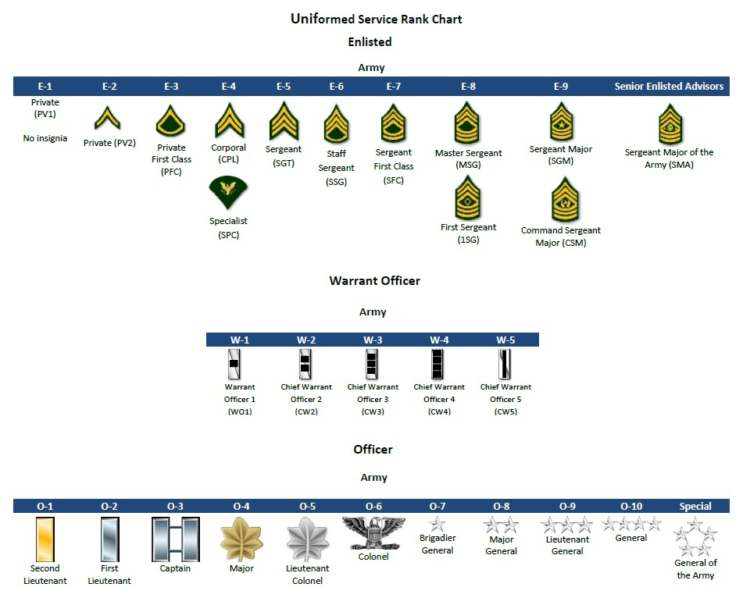
This section delves into the real-world experiences of individuals who have successfully transitioned from GS-12 positions to equivalent military ranks. By examining their motivations, challenges, strategies, and lessons learned, we aim to provide a comprehensive understanding of this complex transition process. The case studies will highlight the unique challenges and opportunities associated with moving between civilian and military sectors, offering valuable insights for individuals considering a similar path.
Case Study 1: John Smith – From GS-12 Analyst to Captain in the U.S. Army
John Smith, a former GS-12 analyst with the Department of Defense, transitioned to a Captain’s position in the U.S. Army. John’s decision to transition was driven by a desire for a more challenging and fulfilling career path, as well as a sense of duty to serve his country. John’s experience as a GS-12 analyst provided him with a strong foundation in analytical skills, problem-solving, and strategic thinking, which proved to be highly transferable to his military role.
He leveraged his civilian experience to quickly adapt to the demands of military life and excel in his new position.
“My GS-12 experience taught me how to think critically and analyze complex situations, which was invaluable in the Army. I was able to quickly understand the challenges we faced and develop effective solutions.”
John Smith
John’s transition was not without its challenges. He faced a steep learning curve in terms of military culture, protocols, and procedures. He also had to adjust to a more hierarchical and demanding environment. However, John’s determination and willingness to learn enabled him to overcome these obstacles. He sought out mentorship from senior officers, participated in professional development programs, and actively engaged with his peers.John’s experience highlights the importance of transferable skills and the need for adaptability in transitioning from a GS-12 position to an equivalent military rank.
His success demonstrates that individuals with strong analytical and problem-solving skills can thrive in military environments.
FAQ Corner
What are the specific duties of a GS-12 position?
GS-12 positions encompass a wide range of responsibilities, often involving project management, supervision of staff, and complex analysis. These roles typically require a bachelor’s degree and several years of relevant experience.
How does military experience translate to GS-12 requirements?
Military experience can be highly valuable in meeting GS-12 requirements. The government recognizes the transferable skills acquired through military service, such as leadership, problem-solving, and teamwork.
What are the benefits of transitioning from a GS-12 position to the military?
Transitioning to the military can offer opportunities for leadership development, specialized training, and personal growth. However, it’s important to consider the potential challenges, such as cultural differences and a different career ladder.
What resources are available for individuals transitioning from a GS-12 position to the military?
Government agencies, military branches, and non-profit organizations offer resources and support programs to facilitate transitions between the civilian and military sectors. These resources can provide guidance on resume writing, job searching, and skill assessment.

Whitney Morris is a renowned author with a passion for military history and strategic analysis. Born in Jakarta, Indonesia, Defense developed a deep fascination for warfare and national defense from a young age. His unwavering interest in military strategy, combined with his natural storytelling ability, has earned him a reputation as an engaging and insightful writer in the field.
