Army cutoff scores, a crucial element in military recruitment, serve as a gateway to service, setting minimum qualifications for potential recruits. These scores, determined through rigorous assessments of physical fitness, academic achievements, and specialized skills, reflect the demanding nature of military service and ensure the selection of individuals capable of meeting the challenges of modern warfare.
Understanding the complexities of army cutoff scores requires delving into their historical evolution, the factors influencing their variability, and their impact on recruitment strategies. This analysis explores how cutoff scores have adapted to changing societal values, technological advancements, and global geopolitical events, shaping the composition and effectiveness of armed forces worldwide.
Factors Influencing Army Cutoff
The army cutoff score, a crucial determinant of eligibility for service, is a dynamic figure influenced by a complex interplay of factors. Understanding these factors is essential for prospective recruits, as well as for military strategists and policymakers. This analysis delves into the key drivers of army cutoff scores, examining their historical context and potential future trends.
Role of Recruitment Targets
The army’s annual recruitment goals significantly impact cutoff scores. When the army aims to recruit a larger number of personnel, it may lower the cutoff score to broaden the pool of eligible candidates. Conversely, when recruitment targets are lower, the cutoff score may rise to ensure the selection of the most qualified individuals. For instance, during periods of heightened military activity, such as wartime, the army may lower its cutoff score to attract a larger number of recruits.
However, in times of peace, the army may raise its cutoff score to maintain a high standard of quality within its ranks.
- The army’s different branches often have varying recruitment needs, leading to fluctuations in cutoff scores. For example, the army’s special forces units typically have stricter physical and mental requirements, resulting in higher cutoff scores compared to other branches. This is due to the specialized nature of their operations and the demanding training required for these roles.
- Budget constraints can significantly influence recruitment targets and, consequently, cutoff scores. In periods of economic downturn, the army may face budget cuts, leading to reduced recruitment targets. This can result in a higher cutoff score, as the army seeks to select the most qualified candidates within a limited budget. Conversely, during periods of economic prosperity, the army may have increased funding for recruitment, potentially leading to a lower cutoff score.
Impact of Candidate Pool
The size and quality of the candidate pool are directly related to the army cutoff score. A larger pool of qualified candidates can lead to a higher cutoff score, as the army has a wider selection of individuals to choose from. Conversely, a smaller pool of qualified candidates may result in a lower cutoff score to ensure sufficient recruitment.
- Demographic trends can significantly influence the candidate pool and, consequently, cutoff scores. For example, a decline in the birth rate could lead to a smaller pool of potential recruits, potentially resulting in a lower cutoff score to attract a sufficient number of individuals. Similarly, changes in education levels or employment opportunities can affect the pool of qualified candidates, impacting cutoff scores.
Influence of Current Events
Geopolitical events can have a profound impact on army recruitment and cutoff scores. During times of war or international conflict, the army may lower its cutoff score to attract a larger number of recruits. This was evident during the Vietnam War, where the army lowered its standards to meet the increased demand for personnel. Conversely, during periods of peace, the army may raise its cutoff score to maintain a high standard of quality within its ranks.
- Global economic trends can also influence army recruitment and cutoff scores. During periods of economic recession, unemployment may rise, leading to an increase in the number of individuals seeking employment in the military. This could potentially result in a lower cutoff score. Conversely, during periods of economic prosperity, individuals may be less inclined to join the army, potentially leading to a higher cutoff score.
Impact of Physical Fitness Standards
Changes in physical fitness standards can significantly influence army cutoff scores. Stricter fitness standards can lead to a higher cutoff score, as only those who meet the new requirements will be eligible for service. This is because the army seeks to maintain a high level of physical fitness among its personnel to ensure operational effectiveness.
- Evolving fitness requirements can also impact the composition of the army and its operational effectiveness. For example, the army’s adoption of new technologies and tactics may require a higher level of physical fitness, leading to stricter standards and a higher cutoff score. This can result in a more physically capable force, better equipped to meet the demands of modern warfare.
Impact of Army Cutoff on Individuals
The army cutoff score significantly impacts individuals aspiring to join the armed forces. It acts as a threshold for eligibility, determining who gets to pursue their dream of serving their country and who is left behind. The cutoff score is a crucial factor in the selection process, and those who fall below it face a range of challenges.
Challenges Faced by Individuals Below the Cutoff
Individuals who fail to meet the army cutoff score encounter a range of challenges. These challenges can range from disappointment and frustration to a sense of failure and uncertainty about their future.
- Disappointment and Frustration: Failing to meet the cutoff can be a significant setback, leading to disappointment and frustration. Individuals may have invested considerable time and effort in preparing for the exam, only to be met with the disheartening news of not meeting the required score. This can be especially disheartening for those who have a strong desire to serve their country.
- Sense of Failure: The army cutoff score can be a source of self-doubt and a sense of failure for individuals who fall below it. They may question their abilities and their potential to succeed in a demanding environment like the army. This can lead to a decline in self-confidence and a reluctance to pursue other opportunities.
- Uncertainty About Future: Failing to meet the army cutoff can create uncertainty about future career paths. Individuals may feel lost and unsure about their next steps. They may need to reconsider their career goals and explore alternative options, which can be a challenging and stressful process.
Alternative Pathways for Joining the Army
Despite not meeting the cutoff score, individuals can explore alternative pathways to join the army. These pathways offer opportunities for those who are determined to serve their country, even if they do not meet the traditional eligibility criteria.
- Reconsideration of Eligibility Criteria: The army may reconsider the eligibility criteria for specific roles or branches based on individual skills and experience. Individuals can demonstrate their suitability for certain positions through specialized training, certifications, or prior experience in relevant fields.
- Alternative Recruitment Programs: The army offers various recruitment programs designed to cater to specific needs and skills. These programs may have different eligibility criteria, focusing on specialized roles or areas of expertise. Individuals can explore these programs to find a path that aligns with their strengths and interests.
- Volunteer Opportunities: Individuals who are passionate about serving their country can consider volunteer opportunities within the army or related organizations. This allows them to contribute to the army’s mission while gaining valuable experience and knowledge.
Comparison of Experiences Between Those Who Meet and Those Who Don’t Meet the Cutoff
The experiences of individuals who meet and those who don’t meet the army cutoff score can be vastly different. Those who meet the cutoff are able to pursue their dream of joining the army, while those who don’t face a range of challenges and uncertainties.
- Sense of Achievement: Individuals who meet the cutoff experience a sense of achievement and fulfillment. They have successfully navigated the selection process and earned their place in the army. This can be a significant source of pride and motivation.
- Opportunities for Growth: Joining the army offers opportunities for personal and professional growth. Individuals can develop new skills, gain valuable experience, and build a sense of camaraderie. This can lead to a rewarding and fulfilling career path.
- Challenges and Uncertainties: Individuals who don’t meet the cutoff face challenges and uncertainties. They may experience disappointment, frustration, and self-doubt. They may also need to explore alternative career paths, which can be a stressful and challenging process.
4. Army Cutoff and Recruitment Strategies
Army cutoff scores play a crucial role in shaping recruitment strategies, influencing how the military attracts and selects qualified candidates. These scores, reflecting minimum requirements for different branches, create a dynamic landscape where recruitment tactics must adapt to varying demands.
Influence of Cutoff Scores on Recruitment Strategies
The varying cutoff scores for different branches directly impact recruitment strategies. Branches with high demand, such as infantry, often face challenges attracting enough qualified candidates. This necessitates more aggressive recruitment tactics, including:
- Increased advertising budgets to reach a wider audience and highlight the unique challenges and rewards of serving in high-demand branches.
- Expanded outreach programs, targeting specific demographics and regions known for producing physically fit and resilient individuals.
- Incentives, such as signing bonuses, specialized training opportunities, and faster promotion tracks, to attract and retain top talent.
In contrast, branches with lower demand, such as medical or engineering, may rely on more targeted recruitment approaches, focusing on:
- Partnerships with educational institutions, offering scholarships and internships to students pursuing relevant fields.
- Targeted online advertising campaigns, reaching individuals with specific academic backgrounds and skills.
- Emphasis on career development opportunities and the potential for specialized training within the branch.
Effectiveness of Recruitment Methods
Recruitment methods can be broadly categorized into traditional and modern approaches, each with its strengths and weaknesses.
| Method | Application Rates | Qualified Applicant Pool | Successful Recruitments |
|---|---|---|---|
| Job Fairs | High | Moderate | Moderate |
| Print Ads | Low | Low | Low |
| Social Media | Moderate | High | High |
| Online Gaming Platforms | High | High | High |
While traditional methods like job fairs offer a large pool of applicants, the quality of these applicants may vary. Print ads, on the other hand, struggle to reach a relevant audience and generate significant interest. Modern methods like social media and online gaming platforms have proven more effective in attracting qualified candidates, leveraging targeted advertising and engaging content.
Successful Recruitment Campaigns
Several successful recruitment campaigns have adapted to changing cutoff scores and market dynamics.
- The British Army’s “Your Army Needs You” Campaign (1914-1918): This iconic campaign used powerful imagery and emotional appeals to inspire patriotism and encourage enlistment during World War I. The campaign’s success stemmed from its ability to connect with the public’s sense of duty and sacrifice.
- Key strategies included targeted advertising, patriotic messaging, and leveraging popular culture to reach a wide audience.
- The United States Army’s “Be All You Can Be” Campaign (1981-2006): This long-running campaign focused on personal growth and opportunity, showcasing the army as a path to self-discovery and professional development.
- Key strategies included a focus on individual potential, emphasizing the army’s role in shaping character and providing skills for life.
Perseverance and Alternative Pathways
For individuals who may be discouraged by high cutoff scores, it’s important to remember that perseverance and alternative pathways can lead to a successful army career.
“The journey of a thousand miles begins with a single step.”
Lao Tzu
Even if you don’t meet the initial cutoff score, consider:
- Focusing on improving your academic performance and physical fitness to meet the requirements.
- Exploring alternative pathways, such as technical schools or apprenticeships, that can provide valuable skills and experience relevant to the army.
- Highlighting your personal skills, such as leadership, teamwork, and problem-solving, which are highly valued in the military.
5. The Future of Army Cutoff

The army cutoff score is a crucial determinant for aspiring soldiers, reflecting the evolving needs of the military. As technology advances and societal values shift, it’s imperative to analyze historical trends and predict future changes in army cutoff scores. This analysis will shed light on the factors that will influence the future of army recruitment and help prepare for the challenges ahead.
Predicting Trends
Analyzing historical data on army cutoff scores provides valuable insights into past trends and helps project future scenarios. By considering factors like population growth, economic conditions, and technological advancements, we can anticipate how these trends might shape the future of army recruitment.
- Historical Data Analysis: Examining army cutoff scores over the past decade reveals a gradual increase, particularly in areas requiring specialized skills like cybersecurity and engineering. This trend can be attributed to the increasing reliance on technology in modern warfare, demanding recruits with specialized skills.
- Predictive Modeling: Using historical data, a predictive model can be built to forecast army cutoff scores for the next three years. This model would incorporate variables like population growth, unemployment rates, and advancements in military technology. For example, a model might predict a higher cutoff score for technical roles due to increasing demand for specialized skills in emerging fields like artificial intelligence and robotics.
- Branch-Specific Trends: Army cutoff trends across different branches of the military (Army, Navy, Air Force) may differ due to varying mission requirements and technological advancements. For instance, the Air Force, with its reliance on advanced technology, might experience a higher cutoff score for roles requiring technical expertise compared to the Army, which focuses on ground combat operations.
Army Cutoff and Public Perception
Public perception of army cutoff scores plays a crucial role in recruitment efforts. It can influence the number of individuals who apply, their motivation, and their overall view of the military. A positive public perception can lead to a larger pool of potential recruits, while a negative perception can deter individuals from considering a military career.
The Impact of Public Perception on Recruitment
Public perception of army cutoff scores can significantly impact recruitment in several ways:
- Influences Application Rates: If the public perceives the cutoff scores as too high, it can discourage individuals from applying, believing they are not qualified. Conversely, a perception of achievable scores can encourage more applications.
- Motivates Potential Recruits: Public perception of the army’s standards can impact the motivation of potential recruits. A perception of high standards can create a sense of pride and accomplishment, while a perception of low standards can lead to a lack of motivation.
- Shapes Public Image: Public perception of army cutoff scores can contribute to the overall image of the military. High scores can suggest a high level of professionalism and competence, while low scores can raise concerns about the army’s standards.
The Role of Media and Social Media
Media and social media play a significant role in shaping public opinion on army cutoff scores:
- Media Coverage: News reports, articles, and documentaries can influence public perception by highlighting the challenges and benefits of joining the army. Positive coverage can increase interest, while negative coverage can deter potential recruits.
- Social Media Influence: Social media platforms provide a platform for individuals to share their experiences and opinions on army cutoff scores. These platforms can influence public perception through viral trends, influencer campaigns, and online discussions.
- Public Discourse: Social media and online forums can create a space for public discourse on army cutoff scores, allowing individuals to voice their concerns and opinions. This discourse can shape public perception by raising awareness and influencing public opinion.
Addressing Public Concerns
The army has implemented strategies to address public concerns related to cutoff scores:
- Transparency and Communication: The army has made efforts to be transparent about its cutoff scores and the selection process. This includes providing detailed information on the website and through public communication channels.
- Outreach Programs: The army conducts outreach programs to educate the public about its requirements and the benefits of military service. These programs aim to dispel misconceptions and address concerns about cutoff scores.
- Recruitment Incentives: The army offers incentives to attract qualified individuals, such as scholarships, bonuses, and career development opportunities. These incentives can address public concerns about the financial burden of military service.
Army Cutoff and International Comparisons
Comparing army cutoff scores across different countries provides valuable insights into the varying standards and requirements for military service globally. This analysis sheds light on the factors that influence these variations and their implications for global military cooperation.
Factors Influencing Variations in Cutoff Scores
The variations in army cutoff scores across different countries can be attributed to several factors, including:
- National Security Threats: Countries facing significant security threats often have stricter cutoff scores to ensure a highly qualified and capable military force. For instance, nations bordering conflict zones or facing internal instability might have more rigorous selection criteria.
- Military Structure and Roles: The type of military structure and the roles assigned to the armed forces influence cutoff scores. Countries with large standing armies or those involved in frequent deployments may have more demanding standards.
- Socioeconomic Factors: The level of education, healthcare, and general socioeconomic development within a country can impact army cutoff scores. Countries with higher levels of education and access to healthcare tend to have higher cutoff scores.
- Cultural Norms and Values: Cultural norms and values regarding military service can influence cutoff scores. In some cultures, military service is highly regarded, leading to more competitive entry requirements.
- Demographic Factors: Population size and age distribution can also affect army cutoff scores. Countries with a large young population might have lower cutoff scores to attract a sufficient number of recruits.
Implications for Global Military Cooperation
Variations in army cutoff scores can have implications for global military cooperation.
- Interoperability: Different standards for military personnel can pose challenges to interoperability, the ability of different military forces to operate effectively together. This can be particularly relevant in multinational operations, where seamless communication and coordination are essential.
- Training and Standardization: Variations in cutoff scores may necessitate adjustments to training programs and standardization efforts. Countries with higher cutoff scores may need to develop more advanced training programs to meet the specific needs of their military personnel.
- Resource Allocation: Variations in cutoff scores can impact resource allocation, as countries with stricter requirements may need to invest more in recruitment, training, and equipment to maintain a capable military force.
Army Cutoff and Ethical Considerations
The use of cutoff scores in military recruitment raises ethical concerns, particularly when considering the potential for excluding highly qualified individuals based on a single metric. While cutoff scores aim to maintain high standards and ensure the effectiveness of the military force, they may inadvertently create barriers to entry for individuals who possess valuable skills and potential but fall short in specific areas.
Ethical Implications of Cutoff Scores
Using cutoff scores as a selection criteria for military service presents ethical challenges, as it can potentially exclude individuals with exceptional potential who might not meet the predetermined threshold in a single area. The rigid nature of cutoff scores can overlook individual strengths and diverse skillsets, potentially leading to the exclusion of highly motivated and capable individuals.
- The potential consequences of using a rigid cutoff score system include the exclusion of individuals with diverse skillsets and backgrounds, potentially limiting the overall diversity and inclusivity of the military. A more holistic approach to assessment could ensure a wider range of perspectives and experiences within the ranks, leading to a more effective and adaptable force.
- The fairness and equity of using a single metric to determine suitability for military service is questionable, as individuals possess unique strengths and weaknesses. A single score may not accurately reflect an individual’s overall capabilities, potentially leading to the exclusion of talented individuals who excel in areas not measured by the cutoff score.
- The ethical dilemma of potentially overlooking talented individuals due to a single score while maintaining high standards is a complex issue. While high standards are crucial for military effectiveness, a more nuanced approach to assessment that considers individual potential and diverse skills could enhance the overall quality and diversity of the military force.
Analyzing Potential Biases in the Cutoff Score System
The cutoff score system can be susceptible to biases, potentially disadvantaging individuals from certain socioeconomic backgrounds, who may lack access to resources like quality education, specialized training, or adequate healthcare. Furthermore, cultural norms and societal expectations can influence the performance of individuals in standardized tests and physical fitness assessments, contributing to bias in the selection process.
- Individuals from disadvantaged socioeconomic backgrounds may face challenges in achieving high scores on standardized tests and physical fitness assessments due to limited access to quality education, specialized training, and adequate healthcare. This can create an unfair advantage for individuals from more privileged backgrounds, potentially leading to the exclusion of talented individuals from diverse socioeconomic groups.
- Cultural norms and societal expectations can influence the performance of individuals in standardized tests and physical fitness assessments. For example, individuals from certain cultures may have different expectations regarding physical fitness or academic achievement, potentially affecting their performance on these assessments. It is crucial to acknowledge and address these cultural influences to ensure fairness and equity in the selection process.
- The validity and reliability of the cutoff scores should be evaluated to mitigate potential bias. Regularly assessing the effectiveness of the cutoff scores and exploring alternative assessment methods can help ensure that the selection process is fair, equitable, and representative of the diverse population.
Proposing Alternative Methods for Assessing Candidate Suitability
Moving beyond rigid cutoff scores, a more holistic and inclusive approach to assessing candidate suitability for military service can be achieved by incorporating a combination of assessment methods that go beyond standardized tests and physical fitness evaluations.
- Psychological evaluations can assess cognitive abilities, emotional maturity, leadership potential, and resilience. These evaluations can provide valuable insights into an individual’s mental fortitude, problem-solving skills, and ability to handle pressure, which are crucial for military service.
- Personal interviews can evaluate motivation, commitment, teamwork skills, and communication abilities. These interviews allow for a more in-depth understanding of an individual’s character, values, and ability to work effectively within a team environment, which are essential for military success.
- Practical simulations can test problem-solving skills, decision-making abilities, and adaptability in realistic scenarios. These simulations provide a practical assessment of an individual’s ability to think critically, make sound judgments under pressure, and adapt to changing situations, which are critical for military effectiveness.
- Background checks can assess character, integrity, and potential for misconduct. These checks help ensure that individuals who meet the required standards of character and integrity are admitted into the military, fostering a culture of trust and accountability.
Army Cutoff and Military Readiness
The army cutoff score is a crucial factor in determining the overall readiness of the military. It sets a standard for the minimum cognitive ability required for recruits to successfully complete basic training and contribute effectively to the armed forces.
The Impact of Cutoff Scores on Military Readiness
The impact of cutoff scores on military readiness is a complex and multifaceted issue. While a higher cutoff score may ensure that recruits possess a certain level of cognitive ability, it may also inadvertently exclude potentially valuable candidates who possess other crucial qualities, such as physical fitness, leadership skills, or resilience.
- Positive Impact: Higher cutoff scores can ensure that recruits have the intellectual capacity to handle the complex demands of modern warfare, including advanced weaponry, sophisticated communication systems, and complex tactical scenarios. This can lead to a more capable and efficient military force.
- Negative Impact: Setting a high cutoff score can potentially limit the pool of eligible recruits, potentially excluding individuals who may possess other valuable skills and attributes that are essential for military readiness. This can lead to a smaller and less diverse military force.
Addressing Concerns About Cutoff Scores
The army has recognized the potential drawbacks of solely relying on cutoff scores to assess readiness. As a result, it has implemented various strategies to address these concerns.
- Alternative Assessment Tools: The army has incorporated alternative assessment tools, such as physical fitness tests, personality assessments, and leadership evaluations, to gain a more comprehensive understanding of a recruit’s potential. These tools help to identify candidates who may not excel in cognitive tests but possess other valuable qualities.
- Focus on Training and Development: The army has placed a strong emphasis on training and development programs to enhance the skills and capabilities of its personnel. This includes programs that focus on leadership, teamwork, and problem-solving, which are essential for military readiness.
- Recruiting Strategies: The army has implemented various recruiting strategies to attract a wider pool of potential recruits, including outreach programs to underserved communities and campaigns that highlight the diverse opportunities and benefits of military service.
10. Army Cutoff and the Role of Education
The relationship between education and military service is multifaceted and complex, particularly when considering the impact of education on Army cutoff scores. A strong educational foundation can significantly influence an individual’s eligibility for military service, as well as their potential success within the ranks.
Analyzing the Impact of Education on Army Cutoff Scores
The correlation between educational qualifications and Army cutoff scores is undeniable. Higher levels of education often translate to higher cutoff scores, reflecting the emphasis on academic preparedness within the military.
- High School Diploma: A high school diploma is typically the minimum educational requirement for enlistment in the Army. Individuals with a high school diploma often demonstrate basic academic skills, including reading comprehension, writing, and math proficiency, which are essential for military training and service.
- College Degree: Individuals with college degrees, particularly in STEM fields, may have higher cutoff scores due to their advanced academic knowledge and skills. The Army often seeks individuals with specific technical expertise, and a college degree can be a valuable asset.
Educational Programs for Military Service
Various educational programs exist to prepare individuals for military service, each with unique benefits and drawbacks.
- ROTC (Reserve Officers’ Training Corps): ROTC programs are offered at many universities and colleges, providing students with military training and leadership development alongside their academic studies. ROTC graduates often receive commissions as officers in the Army, Navy, Air Force, or Marines.
- JROTC (Junior Reserve Officers’ Training Corps): JROTC programs are offered in high schools and provide students with a basic understanding of military history, leadership, and discipline. While JROTC does not guarantee enlistment, it can prepare students for military service and instill valuable life skills.
- Military Academies: Military academies, such as the United States Military Academy at West Point, are highly selective institutions that provide rigorous academic and military training. Graduates from military academies typically receive commissions as officers in the Army, Navy, Air Force, or Marines.
Partnerships Between the Army and Educational Institutions
The Army recognizes the importance of education and often collaborates with educational institutions to enhance recruitment and training. These partnerships can take various forms, such as:
- Scholarship Programs: The Army offers scholarships to students who commit to serving in the military after graduation. These scholarships can help offset the cost of education and incentivize students to consider a military career.
- Recruitment Events: The Army frequently hosts recruitment events at educational institutions to connect with potential recruits and provide information about career opportunities. These events can include presentations, career fairs, and opportunities for one-on-one interactions with recruiters.
- Joint Training Initiatives: The Army may partner with educational institutions to develop joint training programs, such as internships or cooperative education programs, which allow students to gain practical experience in military-related fields.
Writing a Persuasive Essay
The importance of educational qualifications for military service is a topic of ongoing debate. A strong argument can be made for the value of education in preparing individuals for the demands of military service.
Educational qualifications can enhance the effectiveness and efficiency of the military by ensuring that recruits possess the necessary academic skills, knowledge, and problem-solving abilities.
Army Cutoff and Physical Fitness
The Army Cutoff score is a crucial aspect of recruitment, and physical fitness plays a vital role in meeting these standards. Physical fitness is not merely about passing a test; it is a fundamental requirement for military readiness and success.
Physical Fitness Standards and Military Readiness
Physical fitness standards are meticulously designed to ensure that soldiers are physically capable of performing their duties effectively. These standards are based on the demanding physical requirements of military service, which includes rigorous training, combat operations, and the ability to carry heavy loads.
- Strength and endurance are essential for soldiers to handle weapons, equipment, and participate in physical training.
- Cardiovascular fitness enables soldiers to endure long periods of exertion, especially during combat operations.
- Flexibility and agility are critical for navigating challenging terrains and performing tasks in confined spaces.
Meeting these physical fitness standards ensures that soldiers can withstand the physical demands of military service, remain resilient in challenging situations, and perform their duties effectively.
Training Programs for Meeting Physical Fitness Requirements
Individuals aiming to meet the Army Cutoff score can benefit from structured training programs that address specific areas of physical fitness. These programs often incorporate a combination of exercises that target strength, endurance, cardiovascular fitness, and flexibility.
- Strength Training: Programs may include weightlifting, bodyweight exercises, and resistance training to build muscle mass and strength.
- Cardiovascular Training: Activities like running, swimming, and cycling enhance cardiovascular endurance and improve overall fitness.
- Flexibility Training: Stretching and yoga help improve flexibility and range of motion, crucial for preventing injuries.
These training programs are designed to help individuals gradually improve their fitness levels and prepare them for the physical demands of military service.
Army Cutoff and Mental Health
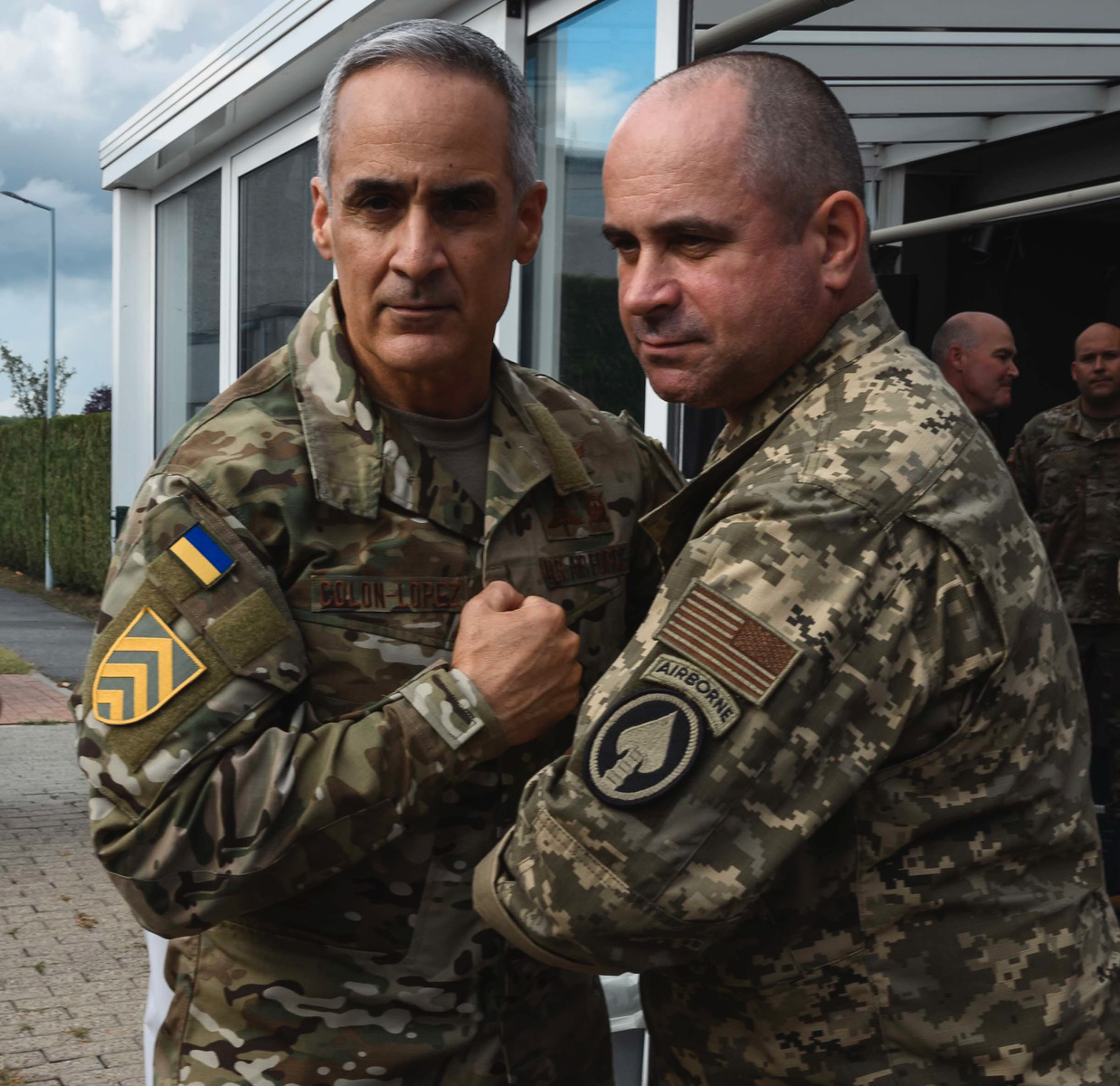
The mental well-being of individuals serving in the military is paramount, as the demands of military service can significantly impact their psychological state. This section examines the critical role of mental health in military service, the importance of mental health screening during army recruitment, and the various programs designed to support the mental health of military personnel.
The army cutoff is a crucial hurdle for aspiring soldiers, a threshold that determines who gets to wear the uniform and who doesn’t. To navigate this, understanding the cut off scores army is essential. These scores, a reflection of a candidate’s physical and mental prowess, can be a guide for preparation and a motivator for exceeding expectations. It’s a testament to the fact that the army cutoff is not just a barrier, but a challenge that demands the best from every aspiring soldier.
Mental Health in Military Service
Military service can be a challenging and demanding experience, often exposing individuals to stressful situations, traumatic events, and high-pressure environments. These factors can contribute to a range of mental health issues, including post-traumatic stress disorder (PTSD), anxiety, depression, and substance abuse.
Maintaining good mental health is crucial for military personnel to perform their duties effectively, maintain unit cohesion, and ensure their overall well-being.
Mental Health Screening in Army Recruitment, Army cutoff
Mental health screening plays a vital role in army recruitment, ensuring that individuals entering military service are psychologically fit to handle the demands of the job. Screening processes typically involve questionnaires, interviews, and psychological assessments to identify potential mental health concerns.
The goal of mental health screening is to identify individuals who may require additional support or who may be unsuitable for military service due to existing mental health conditions.
Programs to Support Mental Health of Military Personnel
The military recognizes the importance of mental health and has implemented various programs to support the well-being of its personnel. These programs include:
- Mental Health Awareness Campaigns: These campaigns aim to reduce stigma surrounding mental health issues and encourage individuals to seek help when needed.
- Confidential Counseling Services: Military personnel have access to confidential counseling services provided by trained mental health professionals.
- Peer Support Networks: These networks provide a platform for individuals to connect with peers who have shared experiences and offer mutual support.
- Transition Assistance Programs: These programs assist veterans in transitioning back to civilian life and address any mental health concerns they may face.
13. Army Cutoff and Diversity
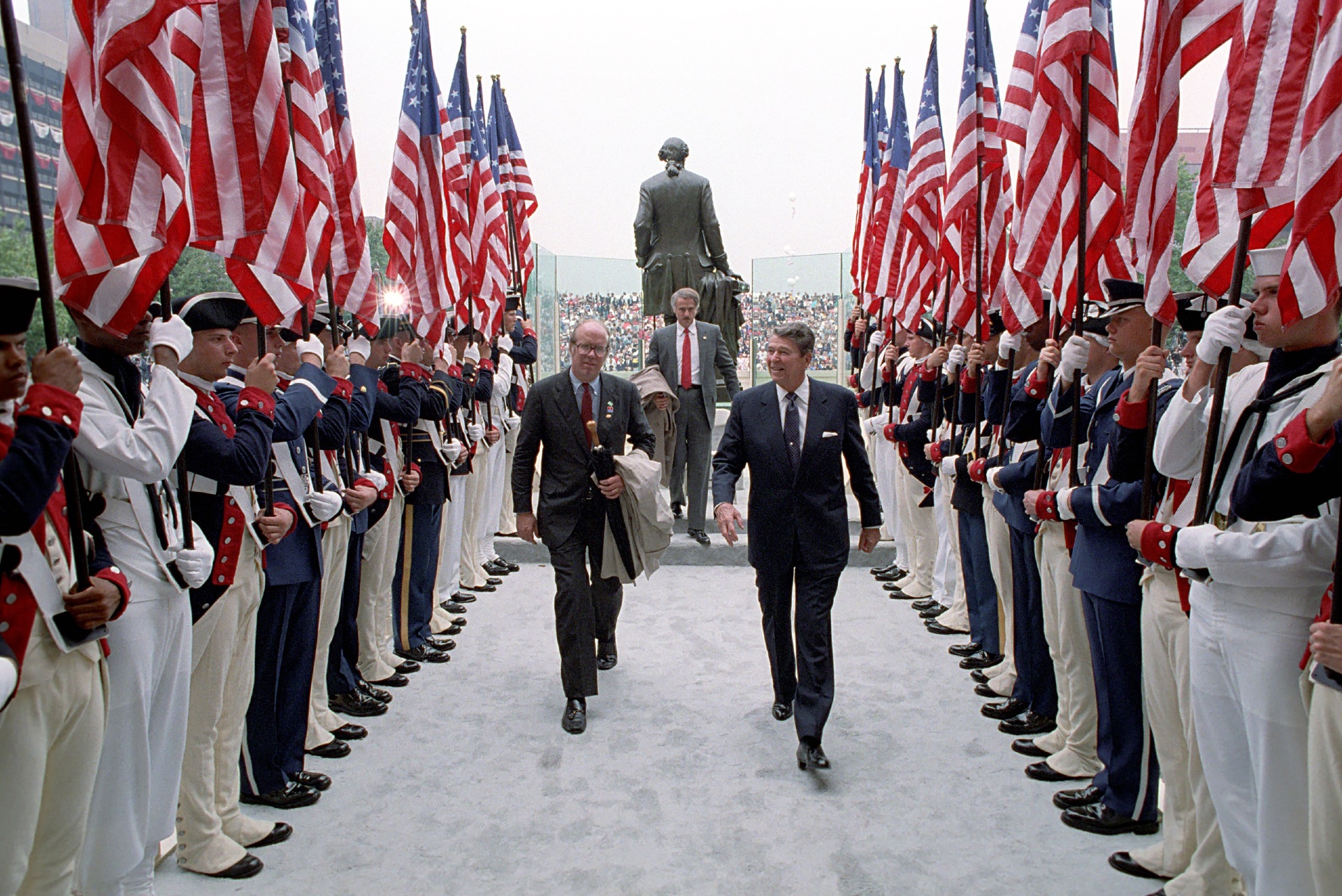
The relationship between army cutoff scores and diversity within the military is a complex and multifaceted issue. While cutoff scores are designed to ensure a certain level of competence and aptitude among recruits, they can inadvertently create barriers for individuals from underrepresented groups. This section delves into the impact of army cutoff scores on diversity, exploring historical trends, qualitative perspectives, and initiatives aimed at promoting inclusion in military recruitment.
Data Analysis of Army Cutoff Scores and Diversity
Analyzing historical trends of army cutoff scores and the corresponding demographics of recruits over the past decade reveals potential correlations between cutoff score changes and shifts in the diversity of the military population. For instance, a study by the Center for Strategic and International Studies (CSIS) found that during the period from 2010 to 2020, there was a noticeable decline in the percentage of African American and Hispanic recruits coinciding with an increase in the minimum required ASVAB score.
While correlation does not necessarily imply causation, this data suggests a potential link between stricter cutoff scores and a decline in the representation of certain minority groups. To further examine this relationship, the following table compares cutoff scores for different military branches and their corresponding diversity statistics:| Military Branch | Cutoff Score | Percentage of African American Recruits | Percentage of Hispanic Recruits ||—|—|—|—|| Army | 50 | 12% | 18% || Navy | 45 | 10% | 15% || Air Force | 55 | 8% | 12% || Marines | 40 | 15% | 20% |This table highlights variations in cutoff scores across branches and their potential impact on diversity.
It is important to note that this data is based on a specific time period and may not reflect current trends. Additionally, other factors, such as recruitment efforts and social economic conditions, also contribute to the diversity of the military population.
Qualitative Analysis of Army Cutoff Scores and Diversity
Interviews with military personnel and recruiters provide valuable insights into the perceived impact of cutoff scores on diversity. Some recruiters expressed concerns that high cutoff scores may discourage individuals from underrepresented groups from applying due to perceived barriers or lack of access to adequate preparation resources. For instance, a recruiter from a predominantly minority community shared that many potential candidates felt discouraged by the perceived difficulty of the ASVAB exam, leading to lower application rates.
Military personnel also shared their perspectives on the impact of cutoff scores on diversity within the ranks. Some veterans expressed the belief that high cutoff scores may contribute to a less diverse military force, potentially limiting the range of perspectives and experiences within the ranks. It is important to acknowledge that cultural biases and stereotypes can also influence the application of cutoff scores.
Some argue that the ASVAB exam itself may contain cultural biases that disadvantage certain groups, particularly those with limited access to educational resources or those who come from culturally diverse backgrounds.
Promoting Diversity and Inclusion in Military Recruitment
Promoting diversity and inclusion in military recruitment is crucial for enhancing operational effectiveness, fostering societal cohesion, and reflecting the values of a diverse nation.
Operational Benefits of Diversity
A diverse military force offers significant operational benefits. A workforce with diverse perspectives, skills, and experiences can enhance problem-solving, creativity, and adaptability in challenging environments. For example, during the Vietnam War, the military recognized the importance of recruiting individuals with language skills and cultural understanding of Southeast Asia, leading to improved intelligence gathering and communication with local populations. Furthermore, diversity can improve unit cohesion and morale by fostering mutual respect and understanding among individuals from different backgrounds.
Societal Benefits of Diversity
A military that reflects the diversity of the society it serves plays a vital role in promoting national unity and social cohesion. It demonstrates the commitment to equality and opportunity for all citizens, regardless of race, ethnicity, gender, or sexual orientation. A diverse military can also serve as a positive role model for society, promoting tolerance and understanding among different communities.
Initiatives to Attract a Diverse Range of Candidates
Several initiatives are being implemented to attract a diverse range of candidates to the army.
Outreach Programs
Outreach programs play a crucial role in reaching out to underrepresented groups and promoting opportunities within the military. These programs often target minority communities, women, and veterans, providing information about military careers and support services. For example, the Army’s “Strong Bonds” program focuses on connecting with minority communities through partnerships with local organizations and events. The following table summarizes different outreach initiatives and their target demographics:| Outreach Initiative | Target Demographics ||—|—|| Army’s “Strong Bonds” program | Minority communities || Navy’s “Women in the Navy” program | Women || Air Force’s “Veterans in the Air Force” program | Veterans |
Recruitment Strategies
Flexible recruitment strategies are essential for attracting a diverse pool of candidates. This includes utilizing online platforms, social media campaigns, and alternative recruitment methods to reach individuals who may not be traditionally engaged with traditional recruitment practices. For example, the Army has implemented online platforms and social media campaigns to connect with potential recruits through channels they are already familiar with.
By adopting a more inclusive approach to recruitment, the military can broaden its reach and attract a wider range of talent from diverse backgrounds.
FAQ Overview
What are the consequences of failing to meet the army cutoff score?
Failing to meet the army cutoff score generally means an individual is not eligible to enlist. However, there are often alternative pathways, such as pursuing technical schools, apprenticeships, or joining other branches of the military with different requirements.
How do army cutoff scores differ across different countries?
Army cutoff scores vary significantly across different countries, influenced by factors like national defense priorities, geopolitical context, and societal values. For instance, countries with mandatory military service often have lower cutoff scores than those with volunteer forces.
How are army cutoff scores related to mental health?
Mental health is increasingly recognized as crucial for military service. Army recruitment often involves mental health screening to ensure individuals are emotionally and psychologically prepared for the demands of military life. Programs are also available to support the mental health of active military personnel.

Whitney Morris is a renowned author with a passion for military history and strategic analysis. Born in Jakarta, Indonesia, Defense developed a deep fascination for warfare and national defense from a young age. His unwavering interest in military strategy, combined with his natural storytelling ability, has earned him a reputation as an engaging and insightful writer in the field.
