Army regulation, a complex system of rules and procedures, is the backbone of any military force. From the earliest formations of organized armies to the modern battlefield, regulations have served as a critical framework for maintaining order, ensuring efficiency, and safeguarding personnel.
These regulations are constantly evolving to adapt to changing military doctrines, technological advancements, and societal norms. Throughout history, wars, innovations, and shifts in societal values have all played a significant role in shaping the content and structure of army regulations.
4. Key Elements of Army Regulations
Army regulations are the foundation of the United States Army, outlining the rules, procedures, and standards that govern its operations. These regulations are essential for maintaining order, discipline, and efficiency within the military, ensuring the successful execution of its mission. This section will delve into the key elements that contribute to the comprehensive and authoritative nature of Army regulations.
Definitions
Definitions are crucial for ensuring clarity and consistency in the application of Army regulations. These definitions establish a shared understanding of key terms and concepts, preventing ambiguity and misunderstandings.
- Military Roles: Army regulations define various military roles, such as “platoon leader,” “company commander,” and “sergeant major,” outlining their specific responsibilities and authority. These definitions clarify the chain of command and ensure that individuals understand their roles within the military structure.
- Equipment: Army regulations define specific equipment used by the military, such as “M4 carbine,” “M16 rifle,” and “HMMWV,” providing detailed descriptions of their characteristics, capabilities, and operational procedures. These definitions ensure that soldiers are familiar with the equipment they use and how to operate it effectively.
- Procedures: Army regulations define procedures for various tasks and situations, such as “reporting an incident,” “conducting a training exercise,” and “handling a disciplinary action.” These definitions ensure that procedures are followed consistently across the Army, promoting efficiency and accountability.
These definitions contribute to the clarity and consistency of Army regulations by providing a common language and understanding for all personnel involved. They eliminate ambiguity and ensure that everyone is on the same page when interpreting and applying the regulations.
Procedures
Army regulations Artikel specific procedures for various tasks and situations, ensuring consistency and efficiency in the execution of military operations. These procedures are designed to standardize actions and promote a clear understanding of responsibilities and expectations.
- Reporting an Incident: Army regulations specify the procedures for reporting incidents, such as accidents, injuries, or criminal activity. This includes who to report to, what information to provide, and the timeframe for reporting. These procedures ensure that incidents are promptly investigated and addressed, promoting safety and accountability.
- Conducting a Training Exercise: Army regulations Artikel the procedures for conducting training exercises, including planning, execution, and evaluation. This ensures that training is conducted effectively, providing soldiers with the necessary skills and knowledge to perform their duties in real-world situations.
- Handling a Disciplinary Action: Army regulations detail the procedures for handling disciplinary actions, such as reprimands, restrictions, or court-martials. These procedures ensure that disciplinary actions are conducted fairly and consistently, maintaining order and discipline within the military.
The effectiveness of these procedures is paramount in ensuring efficiency and compliance within the military. By standardizing actions and promoting a clear understanding of responsibilities, these procedures streamline operations, reduce errors, and foster a culture of accountability.
Responsibilities
Army regulations assign specific responsibilities to different individuals and units within the military, defining their roles and expectations. This ensures that everyone understands their duties and how their actions contribute to the overall mission of the Army.
- Platoon Leader: Army regulations define the responsibilities of a platoon leader, which include leading and training their platoon, ensuring their safety and well-being, and carrying out assigned missions. These responsibilities are essential for the effective functioning of a platoon and its contribution to the overall mission.
- Medical Officer: Army regulations Artikel the responsibilities of a medical officer, which include providing medical care to soldiers, managing medical resources, and ensuring the health and well-being of the unit. These responsibilities are critical for maintaining the health and readiness of the Army.
- Unit Commander: Army regulations assign responsibilities to unit commanders, including leading and managing their unit, ensuring its readiness for combat, and carrying out assigned missions. These responsibilities are vital for the success of the unit and its contribution to the overall mission of the Army.
These responsibilities contribute to the overall mission and functioning of the Army by ensuring that tasks are assigned and carried out effectively. By clarifying roles and expectations, these regulations promote a cohesive and efficient military organization.
Penalties, Army regulation
Army regulations establish penalties and disciplinary actions for violations of regulations, promoting discipline and deterring misconduct. These penalties are designed to ensure that soldiers adhere to the standards of conduct and performance expected within the military.
- Offenses: Army regulations define various offenses, such as insubordination, absence without leave (AWOL), and theft. These offenses are categorized based on their severity, with corresponding penalties ranging from reprimands to court-martials.
- Penalties: Army regulations Artikel specific penalties for each offense, such as reduction in rank, confinement, or dishonorable discharge. These penalties are designed to deter misconduct and ensure that soldiers understand the consequences of their actions.
The purpose of these penalties is to maintain discipline, enforce accountability, and deter misconduct within the military. By clearly defining offenses and their corresponding penalties, these regulations promote a culture of compliance and ensure that soldiers understand the importance of following regulations.
Legal Language and Terminology
Army regulations employ legal language and terminology to ensure clarity, precision, and enforceability. These legal terms and phrases are used to establish the authority of the regulations and ensure that they are understood and interpreted consistently.
- Legal Terms: Army regulations use legal terms such as “jurisdiction,” “due process,” and “reasonable force,” which are essential for defining the scope of military authority and ensuring that actions are conducted within the bounds of the law.
- Legal Phrases: Army regulations employ legal phrases such as “shall,” “may,” and “must,” which are used to convey specific obligations and permissions, ensuring that the regulations are clear and unambiguous.
The use of legal language contributes to the authority and enforceability of Army regulations by establishing a framework for legal interpretation and application. This ensures that the regulations are understood and followed consistently, promoting a culture of compliance and accountability within the military.
5. Implementation and Enforcement of Army Regulations
Army regulations are the backbone of military operations, ensuring order, discipline, and effectiveness. Implementing and enforcing these regulations is a critical process that requires careful planning, effective communication, and consistent monitoring. This section will delve into the key aspects of this process, exploring the methods used to train personnel, disseminate regulations, monitor compliance, and address violations.
A. Training and Communication
Effective training and communication are crucial for ensuring that all personnel understand and comply with army regulations. This includes developing comprehensive training materials that cater to different audiences and utilizing various communication channels to disseminate information effectively.
1. Development of Training Materials
Developing training materials for new army regulations involves a systematic process that considers various factors, including the target audience, the complexity of the regulation, and the desired learning outcomes.
- Key Considerations for Effective Training:
The primary objective of training materials is to ensure that personnel acquire a clear understanding of the regulation’s purpose, key requirements, and the consequences of non-compliance. To achieve this, the following considerations are essential:
- Clarity and Conciseness: Training materials should be written in clear and concise language, avoiding technical jargon that may confuse personnel.
- Interactive Elements: Incorporating interactive elements such as quizzes, simulations, and case studies can enhance engagement and facilitate comprehension.
- Practical Applications: Training should focus on practical applications of the regulation, demonstrating how it applies to real-life scenarios.
- Feedback Mechanisms: Providing opportunities for feedback from trainees allows for continuous improvement and ensures that the materials are effective.
- Tailoring Materials to Different Audiences:
Army regulations often apply to diverse audiences, including enlisted personnel, officers, and different branches of service. Tailoring training materials to these specific audiences is crucial for ensuring comprehension and relevance.
- Enlisted Personnel: Training materials for enlisted personnel should focus on practical applications and emphasize the importance of compliance with regulations.
- Officers: Training materials for officers should delve into the strategic implications of regulations and provide guidance on leadership and supervision.
- Different Branches of Service: Training materials should be adapted to reflect the unique needs and operational contexts of different branches of service.
2. Communication Channels
Disseminating army regulations to personnel at all levels requires a multi-faceted approach that utilizes various communication channels.
- Communication to Personnel at Different Levels:
Effective communication ensures that regulations reach all personnel, regardless of their rank or location.
- Official Publications: Army regulations are typically published in official manuals and handbooks, which serve as authoritative sources of information.
- Online Platforms: Online platforms, such as the Army’s official website and intranet, provide convenient access to regulations and updates.
- In-Person Briefings: In-person briefings offer opportunities for direct interaction, allowing personnel to ask questions and receive clarification on regulations.
- Roles of Official Publications, Online Platforms, and In-Person Briefings:
These communication channels play complementary roles in disseminating army regulations.
- Official Publications: Provide the definitive and authoritative source of information on army regulations.
- Online Platforms: Offer convenient and readily accessible information, enabling personnel to access regulations at any time.
- In-Person Briefings: Facilitate direct interaction, allowing for clarification, discussion, and personalized feedback.
B. Monitoring and Compliance
Monitoring compliance with army regulations is essential for ensuring that these regulations are effectively implemented and adhered to. This involves conducting regular inspections, assessing compliance, and reporting violations.
3. Methods Used to Monitor Compliance
Monitoring compliance with army regulations typically involves a combination of inspections, assessments, and reporting mechanisms.
- How Inspections are Conducted:
Inspections are conducted to assess the adherence of units, installations, and individuals to specific army regulations.
- Random Inspections: Conducted without prior notice, these inspections help to ensure that units maintain compliance on a regular basis.
- Targeted Inspections: Focus on specific areas of concern or units that have a history of non-compliance.
- Scheduled Inspections: Conducted on a predetermined schedule, these inspections allow units to prepare and demonstrate their compliance.
- Criteria for Assessing Compliance:
Compliance assessments are based on established criteria that define the expected standards of adherence to army regulations.
- Documentation Review: Examining records, reports, and other documents to verify compliance with regulatory requirements.
- Physical Inspections: Examining equipment, facilities, and personnel to assess their adherence to regulations.
- Interviews and Questionnaires: Gathering information from personnel to assess their understanding and compliance with regulations.
- Reporting Mechanisms for Violations:
Violations of army regulations must be reported through established channels to ensure accountability and prompt corrective action.
- Chain of Command: Violations are typically reported through the chain of command, starting with the immediate supervisor.
- Formal Complaints: Personnel can file formal complaints regarding violations, which are investigated by designated authorities.
- Anonymous Reporting: Some organizations offer anonymous reporting mechanisms to encourage personnel to report violations without fear of reprisal.
4. Role of Technology in Monitoring Compliance
Technology plays an increasingly significant role in monitoring compliance with army regulations, offering enhanced efficiency and data-driven insights.
- How Digital Tools and Data Analytics Can be Used to Track Compliance:
Digital tools and data analytics provide a powerful means of tracking compliance and identifying potential areas of concern.
- Automated Data Collection: Digital tools can automate the collection of data related to compliance, such as equipment maintenance records, training completion dates, and incident reports.
- Real-Time Monitoring: Some systems allow for real-time monitoring of compliance, providing alerts when potential violations are detected.
- Data Analytics: Data analytics can be used to identify trends, patterns, and risk factors related to non-compliance.
- Benefits and Challenges of Using Technology for This Purpose:
While technology offers significant benefits for monitoring compliance, it also presents certain challenges.
- Benefits:
- Increased Efficiency: Automating data collection and analysis reduces the time and resources required for monitoring compliance.
- Improved Accuracy: Digital tools minimize human error, leading to more accurate assessments of compliance.
- Data-Driven Insights: Data analytics provides valuable insights into compliance trends and risk factors.
- Challenges:
- Data Security: Ensuring the security and confidentiality of sensitive data collected through digital systems.
- System Reliability: Maintaining the reliability and functionality of digital systems to ensure accurate and consistent monitoring.
- Human Element: Recognizing that technology is a tool, not a replacement for human judgment and oversight.
C. Disciplinary Measures
Violations of army regulations are subject to disciplinary measures, the severity of which is determined by the nature and gravity of the offense.
5. Disciplinary Measures Used for Violations of Army Regulations
Disciplinary measures are designed to address violations of army regulations, deter future misconduct, and maintain order and discipline.
- Factors Considered When Determining Appropriate Disciplinary Action:
Determining appropriate disciplinary action involves considering various factors, including the severity of the violation, the intent of the offender, and mitigating circumstances.
- Severity of the Violation: The seriousness of the offense, its potential impact on unit operations, and the risk to personnel or equipment.
- Intent of the Offender: Whether the violation was intentional or negligent, and whether there were any extenuating circumstances.
- Mitigating Circumstances: Factors that may reduce the severity of the offense, such as remorse, cooperation with authorities, or lack of prior disciplinary history.
- Range of Disciplinary Actions:
Disciplinary actions range from informal warnings to formal court-martial proceedings.
- Verbal Warnings: Informal reprimands for minor violations, typically given by a supervisor.
- Written Warnings: Formal reprimands documented in writing, which become part of the offender’s personnel file.
- Non-Judicial Punishment: Administrative punishment for violations that do not warrant court-martial proceedings, such as restriction, extra duty, or forfeiture of pay.
- Court-Martial: Formal military trial for serious offenses, resulting in a range of penalties, including confinement, dismissal from service, or even death.
- How Disciplinary Measures Differ Based on the Severity of the Violation:
The severity of disciplinary measures generally corresponds to the gravity of the violation.
- Minor Violations: Typically addressed through verbal or written warnings.
- Moderate Violations: May result in non-judicial punishment or formal disciplinary actions.
- Serious Violations: May lead to court-martial proceedings and severe penalties.
Challenges and Issues in Army Regulations

Army regulations, while crucial for maintaining order and efficiency, often face challenges that can impact their effectiveness and the morale of personnel. These challenges can stem from various factors, including outdated content, lack of clarity, and resistance to change. Addressing these issues is vital to ensure that army regulations remain relevant, adaptable, and conducive to a positive and productive military environment.
Outdated Content
Outdated regulations can hinder operational efficiency and create confusion among personnel. This can occur due to a lack of regular review and updates, leading to regulations that no longer reflect current practices, technologies, or operational needs. For instance, regulations that were designed for a traditional warfare environment might not be suitable for modern, technologically advanced conflicts.
- Outdated regulations can create confusion and uncertainty among personnel, leading to inefficiencies and potential errors in execution.
- Regulations that fail to adapt to evolving technologies and operational needs can hinder the effective use of new capabilities and tactics.
- Outdated regulations can also create a sense of frustration and resentment among personnel, who may perceive them as irrelevant or burdensome.
Lack of Clarity
Ambiguous or poorly worded regulations can lead to misinterpretations, inconsistencies in application, and potential legal challenges. This can arise from complex language, unclear definitions, or a lack of comprehensive guidance on specific situations.
- Regulations that are difficult to understand or interpret can lead to inconsistent application, creating unfairness and confusion among personnel.
- Ambiguous regulations can also increase the risk of legal challenges, as they may be open to multiple interpretations.
- Lack of clarity can also create a sense of uncertainty and anxiety among personnel, who may be unsure of their responsibilities and expectations.
Resistance to Change
Introducing new regulations or modifying existing ones can face resistance from personnel who are accustomed to the current system. This resistance can stem from concerns about disrupting established routines, fears of increased workload, or skepticism about the effectiveness of proposed changes.
- Resistance to change can hinder the implementation of necessary updates and improvements to regulations.
- This resistance can also create a sense of resentment and apathy among personnel, who may feel that their input is not valued or considered.
- Overcoming resistance to change requires effective communication, transparency, and a willingness to address concerns and incorporate feedback from personnel.
10. Legal Framework of Army Regulations
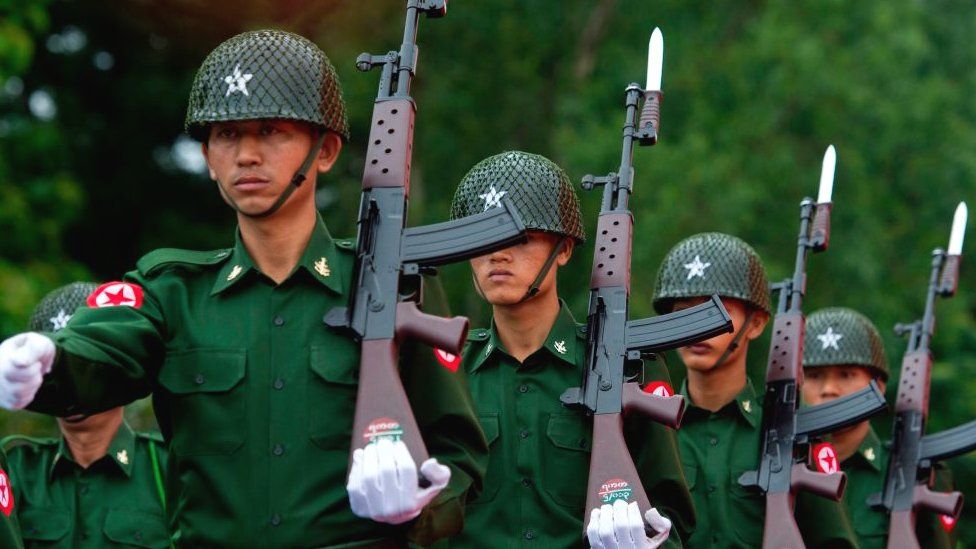
Army regulations, like any set of rules governing a specific domain, must be rooted in a strong legal framework. This framework ensures that regulations are not arbitrary but rather based on established legal principles and existing legal instruments. It also provides mechanisms for resolving disputes that may arise from the application or interpretation of these regulations.
Legal Basis
The legal basis for army regulations is multifaceted, drawing upon national and international law. The constitution, as the supreme law of the land, provides the foundation for the legal authority of the armed forces and the power to regulate their conduct.
- National Law: National laws, including statutes, codes, and executive orders, provide the specific legal framework for the armed forces. These laws define the powers and responsibilities of the military, establish the chain of command, and Artikel the procedures for regulating military personnel and operations. Examples include the Uniform Code of Military Justice (UCMJ) in the United States, which defines criminal offenses and procedures for military courts, and the Defence Act of 1999 in India, which Artikels the structure and functions of the Indian Armed Forces.
- International Law: International law, including treaties and customary international law, plays a significant role in shaping the legal framework for army regulations. Treaties, such as the Geneva Conventions, set standards for the treatment of prisoners of war, civilians, and wounded soldiers. Customary international law, based on accepted practices and principles, also influences the development of army regulations. For example, the principle of proportionality, derived from customary international law, requires military actions to be proportionate to the military objective and minimize collateral damage to civilians and civilian infrastructure.
Legal Principles
Several key legal principles underpin the development and enforcement of army regulations, ensuring their legality and fairness.
- Principle of Legality: This principle requires that all actions taken by the military, including the implementation of regulations, must be based on a clear legal foundation. It prohibits the arbitrary exercise of power and ensures that military actions are subject to legal constraints.
- Proportionality: The principle of proportionality requires that military actions, including the application of regulations, must be proportionate to the legitimate military objective. This principle seeks to minimize collateral damage and ensure that the use of force is justified and necessary.
- Due Process: This principle ensures that individuals subject to military regulations are afforded fair treatment and procedural safeguards. It requires that individuals are given notice of the regulations that apply to them, an opportunity to be heard, and a fair and impartial process for resolving disputes.
Dispute Resolution
Disputes related to army regulations can arise from various situations, such as disagreements over the interpretation of regulations, alleged violations of regulations, or challenges to the legality of regulations themselves.
- Internal Military Justice Systems: Most militaries have internal justice systems, such as military courts or administrative boards, to resolve disputes related to army regulations. These systems typically involve a hierarchical process, with appeals available to higher authorities.
- External Judicial Review: In some countries, individuals may have the right to seek judicial review of military regulations or decisions made under these regulations. This involves challenging the legality of regulations or actions taken under them before civilian courts. Courts may review the legality of regulations based on the standard of review, which determines the level of deference given to the military’s decision-making.
The burden of proof, which determines who has the responsibility to demonstrate the legality of the regulation, also plays a role in judicial review.
Ethical Considerations in Army Regulations
Army regulations, while essential for maintaining order and discipline within the military, must be carefully considered for their ethical implications. These regulations impact the lives of soldiers, affecting their rights, freedoms, and overall well-being. Therefore, ensuring ethical soundness in army regulations is paramount.
Human Rights and Due Process in Army Regulations
The ethical considerations surrounding army regulations are deeply intertwined with the fundamental principles of human rights and due process. These principles are essential for ensuring fairness, justice, and accountability within the military. The importance of human rights in the context of army regulations cannot be overstated. Soldiers, despite being subject to military law and regulations, retain their fundamental human rights.
These rights include the right to a fair trial, freedom from torture and cruel, inhuman, or degrading treatment, and the right to privacy. Due process ensures that individuals are treated fairly and justly in legal proceedings. In the context of army regulations, this means that soldiers should have the right to a fair hearing, the right to be informed of the charges against them, and the right to legal representation.
The Role of Ethical Principles in Guiding the Development and Enforcement of Regulations
Ethical principles serve as a compass for the development and enforcement of army regulations, ensuring that they are just, fair, and consistent with human rights standards. These principles provide a framework for decision-making, helping to guide the creation of regulations that uphold the values of integrity, accountability, and respect for human dignity.Some key ethical principles that should guide the development and enforcement of army regulations include:
- Justice: Army regulations should be fair and equitable, ensuring that all soldiers are treated fairly and justly, regardless of their rank, background, or personal beliefs.
- Accountability: There should be clear mechanisms for holding individuals accountable for their actions, ensuring that those who violate regulations are appropriately disciplined.
- Transparency: Army regulations should be transparent and accessible to all soldiers, enabling them to understand their rights and responsibilities.
- Respect for Human Dignity: Regulations should be developed and enforced in a way that respects the inherent dignity of all individuals, recognizing the unique value and worth of each soldier.
Recommendations for Ensuring Ethical Soundness in Army Regulations
To ensure that army regulations are ethically sound and consistent with human rights standards, several recommendations can be implemented:
- Regular Ethical Reviews: Conducting regular ethical reviews of existing regulations is crucial to identify any potential violations of human rights or ethical principles. These reviews should involve independent experts in human rights law and ethics.
- Training for Military Personnel: Providing comprehensive training on human rights and ethical considerations to all military personnel is essential for fostering a culture of respect and accountability. This training should be tailored to the specific roles and responsibilities of each individual.
- Independent Oversight Mechanisms: Establishing independent oversight mechanisms, such as an ombudsman or a human rights commission, can help to ensure that army regulations are being implemented fairly and ethically. These mechanisms should have the authority to investigate complaints and make recommendations for improvement.
- Open Communication and Dialogue: Encouraging open communication and dialogue between soldiers and their superiors is vital for identifying and addressing any ethical concerns. This can be achieved through regular feedback mechanisms and forums for open discussion.
Impact of Army Regulations on Civilian Society
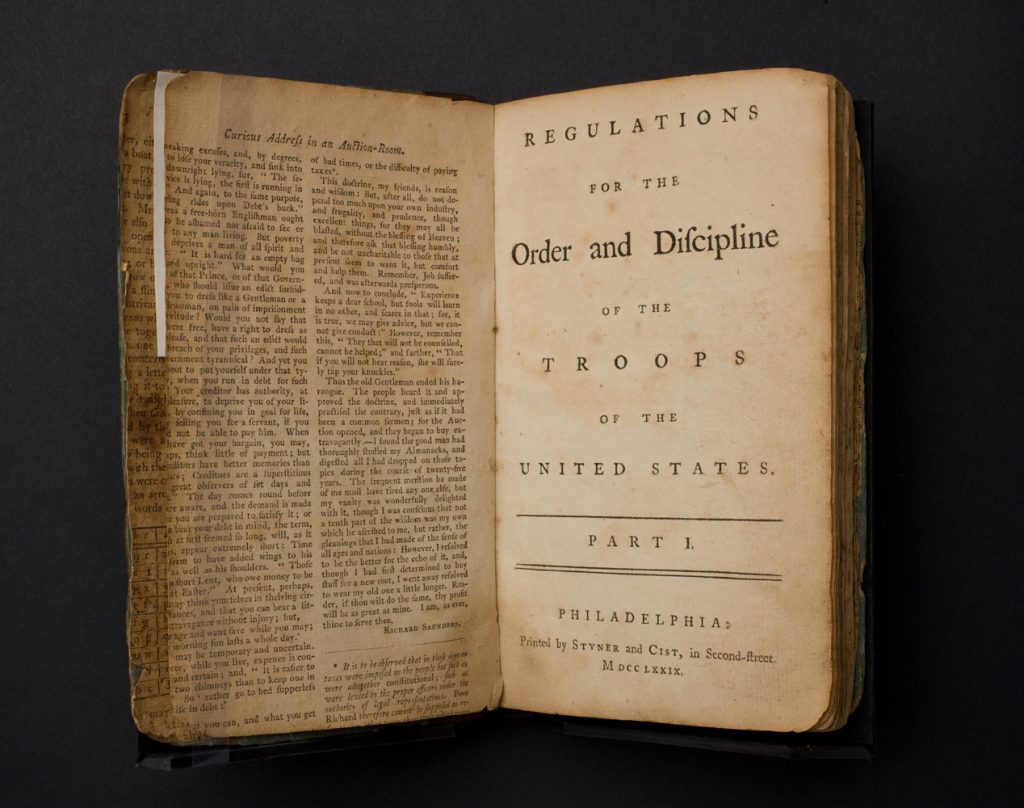
Army regulations, while primarily designed to govern the military, can have a significant impact on civilian society. These regulations can affect the lives of citizens in various ways, ranging from privacy concerns to limitations on freedom of speech and access to information.
Impact on Privacy
Army regulations can impact civilian privacy in several ways. For example, the use of surveillance technology by the military can raise concerns about the potential for monitoring of civilian activities. Additionally, regulations governing the collection and sharing of personal data by the military can impact the privacy of individuals who interact with the military, such as contractors or family members of service members.
Case Studies of Army Regulations
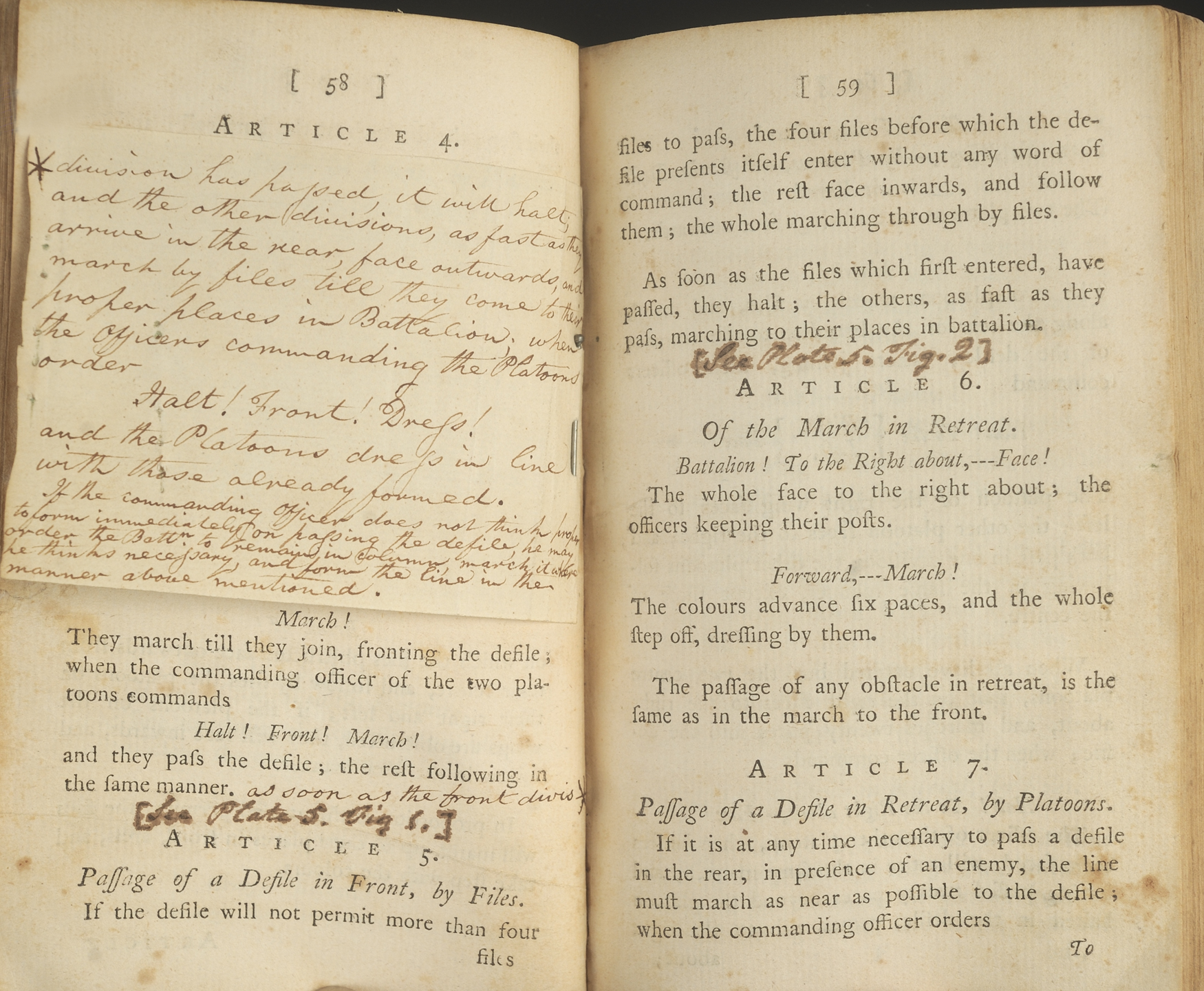
Army regulations are the lifeblood of any military organization, providing the framework for efficient operations, discipline, and ethical conduct. Studying real-world examples of these regulations in action allows us to understand their impact on military operations, personnel, and society. These case studies provide valuable insights into the strengths and weaknesses of regulations, highlighting areas for improvement and paving the way for more effective future regulations.
The Impact of “Don’t Ask, Don’t Tell” on Military Operations
The “Don’t Ask, Don’t Tell” policy, implemented in 1993, prohibited openly gay and lesbian individuals from serving in the United States military. This policy aimed to balance the need for a strong military with the concerns of those who believed that the presence of openly gay and lesbian individuals would undermine unit cohesion and morale. However, the policy proved to be deeply controversial, leading to numerous lawsuits and public debates.The policy’s impact on military operations was multifaceted.
On one hand, it was argued that the policy prevented unnecessary disruptions and distractions within military units, allowing for a more focused and efficient operational environment. On the other hand, the policy was criticized for hindering the military’s ability to recruit and retain talented individuals, regardless of their sexual orientation. Additionally, the policy created a climate of distrust and secrecy within the military, potentially affecting unit cohesion and morale.
Army regulations are the backbone of discipline and order, ensuring every soldier operates within a framework of shared values and standards. Understanding these regulations is crucial, and a key component is knowing how your actions contribute to your “army points,” which ultimately impact your career progression and potential. Learn more about army points and how they influence your journey within the military.
By adhering to regulations and earning those points, you pave the way for a successful and fulfilling career in the armed forces.
“The policy was a compromise that attempted to balance the need for a strong military with the concerns of those who believed that the presence of openly gay and lesbian individuals would undermine unit cohesion and morale.”
The “Don’t Ask, Don’t Tell” policy was eventually repealed in 2011, allowing openly gay and lesbian individuals to serve in the military. This change was hailed by many as a victory for equality and a step towards a more inclusive military. However, the policy’s legacy continues to be debated, with some arguing that it had a negative impact on military readiness and morale.
The Use of Drones in Modern Warfare
The use of drones in modern warfare has revolutionized military operations, allowing for targeted strikes and surveillance with minimal risk to human personnel. However, the use of drones has also raised significant ethical and legal concerns.The increasing reliance on drones has led to the development of specific regulations governing their use. These regulations aim to ensure that drones are used responsibly and ethically, minimizing collateral damage and civilian casualties.
However, the effectiveness of these regulations in achieving their intended goals is a matter of ongoing debate.
“The use of drones has raised significant ethical and legal concerns, including the potential for civilian casualties and the blurring of lines between combatants and non-combatants.”
One of the key challenges in regulating the use of drones is the difficulty in ensuring accountability for drone strikes. The remote nature of drone operations makes it difficult to identify and hold individuals responsible for any unintended consequences. Additionally, the lack of transparency surrounding drone strikes has fueled criticism and mistrust of the military’s use of this technology.
The Implementation of Body Armor Regulations
The introduction of body armor in the military has significantly improved the survivability of soldiers in combat. However, the design and implementation of body armor regulations have been a complex and evolving process.The regulations governing body armor must balance the need for effective protection with the need for mobility and comfort. The weight and bulkiness of body armor can significantly impact a soldier’s ability to perform their duties, while inadequate protection can leave them vulnerable to injury.
“The regulations governing body armor must balance the need for effective protection with the need for mobility and comfort.”
The effectiveness of body armor regulations can be assessed by analyzing the rate of injuries and fatalities among soldiers in combat. The introduction of new types of body armor and the development of new regulations have led to a significant reduction in the number of casualties. However, there is always a need for ongoing research and development to ensure that body armor regulations remain effective in the face of evolving threats.
The Impact of Regulations on Military Training
Military training is crucial for preparing soldiers for the demands of combat. However, the implementation of regulations can sometimes hinder the effectiveness of training.Regulations governing training exercises aim to ensure safety, efficiency, and adherence to ethical standards. However, overly restrictive regulations can limit the realism of training scenarios, making it difficult for soldiers to develop the skills and experience they need to succeed in real-world combat.
“Overly restrictive regulations can limit the realism of training scenarios, making it difficult for soldiers to develop the skills and experience they need to succeed in real-world combat.”
The effectiveness of regulations governing military training can be assessed by analyzing the performance of soldiers in combat. Training that is too restrictive may lead to soldiers being unprepared for the realities of war, while training that is too lax may result in a lack of discipline and professionalism.
Lessons Learned from Case Studies
The case studies discussed above highlight the importance of flexibility and adaptability in the development and implementation of army regulations. Regulations that are too rigid or outdated can hinder the military’s ability to adapt to changing circumstances.The case studies also underscore the importance of ethical considerations in the development and implementation of army regulations. The use of technology, such as drones, raises complex ethical questions that must be addressed in the development of regulations.Finally, the case studies demonstrate the importance of engaging with stakeholders in the development and implementation of army regulations.
This includes soldiers, civilians, and policymakers. By engaging with all stakeholders, the military can ensure that regulations are fair, effective, and reflect the values of society.
The Role of Technology in Army Regulations

Traditionally, the development, implementation, and enforcement of army regulations relied heavily on manual processes. Regulations were drafted and revised through lengthy paper-based procedures, disseminated through physical copies, and enforced through manual inspections and investigations. However, the advent of technology has revolutionized these processes, leading to greater efficiency, accuracy, and accessibility.
Impact of Technology on Development
Technology has dramatically altered the process of drafting and revising army regulations. Collaborative platforms like Google Docs and Microsoft Teams allow multiple stakeholders to contribute to the drafting process simultaneously, fostering greater collaboration and streamlining the feedback loop. Digital document management systems, such as SharePoint and Dropbox, provide secure storage and easy access to regulations, facilitating efficient version control and reducing the risk of errors.
Automated legal research tools, powered by artificial intelligence, assist legal teams in quickly identifying relevant precedents and legal frameworks, ensuring the accuracy and legality of regulations. These technologies have significantly improved the efficiency and accuracy of regulation development, reducing the time and resources required to create and update regulations.
Impact of Technology on Implementation
Technology has revolutionized the dissemination and communication of army regulations. Digital training platforms, such as Moodle and Canvas, allow for the delivery of interactive and engaging training modules on regulations, ensuring soldiers are well-informed about their responsibilities and obligations. Mobile applications provide soldiers with on-demand access to regulations, allowing them to easily access relevant information anytime and anywhere. Online repositories, such as the Army Publishing Directorate website, offer a central hub for accessing and downloading regulations, eliminating the need for physical copies and ensuring consistent access to the latest versions.
Data analytics can be used to track regulation compliance, identifying areas where soldiers are struggling and enabling the development of targeted training programs.
Impact of Technology on Enforcement
Technology is playing an increasingly important role in enforcing army regulations. Artificial intelligence and machine learning algorithms can analyze large datasets to identify potential violations of regulations, flagging suspicious patterns and behaviors. Automated surveillance systems, such as drones and cameras, can monitor activities and environments, providing real-time data for detecting breaches of regulations. Predictive analytics can leverage historical data to identify potential risks and areas where violations are more likely to occur, allowing for proactive enforcement measures.
Real-time data monitoring systems can track the performance of equipment and systems, ensuring compliance with regulations and identifying potential issues before they escalate.
Potential Applications of Technology
The use of technology in army regulations is constantly evolving, with exciting potential applications on the horizon. Augmented reality (AR) and virtual reality (VR) technologies can be used to create immersive training simulations that allow soldiers to experience real-life scenarios related to regulations, enhancing their understanding and ability to apply them in practical settings. Blockchain technology can be used to create a secure and transparent system for recording and managing regulations and compliance data, ensuring immutability and preventing unauthorized modifications.
Popular Questions
What is the difference between army regulations and military law?
Army regulations are specific rules and procedures governing the internal operations of the army, while military law encompasses a broader legal framework that applies to all branches of the armed forces and covers offenses against military order and discipline.
How do army regulations affect soldiers’ personal lives?
Army regulations can impact soldiers’ personal lives in various ways, including their dress and appearance, off-duty conduct, and access to certain rights and privileges.
What are the consequences of violating army regulations?
Violations of army regulations can result in a range of disciplinary actions, from verbal warnings to court-martial, depending on the severity of the offense.
How are army regulations updated and revised?
Army regulations are constantly reviewed and updated to reflect changes in military doctrine, technology, and societal norms. The process involves input from various stakeholders, including ers, legal advisors, and subject matter experts.
How do army regulations ensure fairness and justice for soldiers?
Army regulations are designed to ensure fairness and justice for soldiers by providing clear guidelines for conduct, outlining procedures for disciplinary actions, and offering avenues for appeal.

Whitney Morris is a renowned author with a passion for military history and strategic analysis. Born in Jakarta, Indonesia, Defense developed a deep fascination for warfare and national defense from a young age. His unwavering interest in military strategy, combined with his natural storytelling ability, has earned him a reputation as an engaging and insightful writer in the field.
