Gs 12 equivalent military rank – GS-12 Equivalent Military Rank: Navigating the complex world of federal and military careers often involves comparing seemingly disparate positions. While the GS-12 classification within the federal government signifies a specific level of responsibility and expertise, finding an equivalent rank in the military requires a deeper dive into the nuances of each system. This exploration examines the factors that influence equivalence, delves into career progression paths, and highlights the unique aspects of compensation, job satisfaction, and organizational culture within both systems.
From the responsibilities and qualifications of GS-12 positions to the corresponding military ranks, this analysis provides a comprehensive overview of the similarities and differences. By comparing the educational requirements, skill sets, and organizational structures, we gain a deeper understanding of how experience, education, and specific skills are valued in each system. Additionally, we examine the career paths, advancement opportunities, and potential challenges associated with transitioning between these two worlds.
This analysis also sheds light on the cultural differences that exist between the federal government and the military, including communication styles, leadership approaches, and core values.
Equivalence in the Military
Determining the precise equivalent between a GS-12 position and a military rank is complex, as it depends on the specific duties and responsibilities of the role. However, generally, a GS-12 position is comparable to a mid-level military officer. This level typically involves significant responsibility, leadership, and management of personnel and resources.
Military Rank Equivalents
The following table provides a general overview of the military ranks that are often considered equivalent to a GS-12:
| Branch of Service | Equivalent Rank |
|---|---|
| Army | Captain (CPT) |
| Navy | Lieutenant (LT) |
| Air Force | Captain (CPT) |
| Marine Corps | Captain (CPT) |
| Coast Guard | Lieutenant (LT) |
It’s important to note that these are just general equivalencies. The specific responsibilities and authority of a GS-12 position can vary significantly depending on the agency, department, and specific job description. Similarly, the duties and responsibilities of military officers can vary widely depending on their specific assignment and career field.
3. Factors Influencing Equivalence
Determining the equivalence between a GS-12 position and a military rank involves considering various factors that impact the perceived value and responsibilities associated with each role. These factors, including experience, education, skills, the nature of the position, and organizational structure, contribute to a nuanced understanding of the relationship between these two career paths.
3.1. Experience
The number of years of experience plays a significant role in establishing equivalence between GS-12 positions and military ranks. While both systems value experience, the specific types and levels of experience required can vary considerably.
Further details about crossword clue military rank is accessible to provide you additional insights.
Table: Typical Experience Levels
| Position | Typical Experience Required ||—|—|| GS-12 | 3-5 years of relevant experience || Military Rank Equivalent (O-4) | 8-10 years of military service |As evident from the table, the military generally requires a higher level of experience for comparable ranks. This is often attributed to the unique demands of military service, which involve extensive training, operational deployments, and leadership responsibilities.
Example: A GS-12 position in a government agency’s IT department might require 3-5 years of experience in software development. In contrast, a military officer (O-4) with a similar role in a cyber warfare unit might need 8-10 years of experience, including deployments in operational environments.
3.2. Education
Educational requirements for GS-12 positions and equivalent military ranks can vary depending on the specific field and the organization’s requirements.
Table: Typical Educational Qualifications
| Position | Typical Educational Qualifications ||—|—|| GS-12 | Bachelor’s degree or equivalent experience || Military Rank Equivalent (O-4) | Bachelor’s degree or equivalent experience, often with specialized military training |While a bachelor’s degree is typically required for both GS-12 positions and equivalent military ranks, the specific degree fields and additional certifications can differ.
Example: A GS-12 position in a research laboratory might require a PhD in a relevant scientific field. An equivalent military officer (O-4) in a research and development unit might possess a master’s degree in engineering coupled with specialized training in military technology.
3.3. Specific Skills
The skills valued in GS-12 positions and equivalent military ranks often overlap but may be emphasized differently.
Table: Top Skills Required
| Position | Top Skills ||—|—|| GS-12 | Communication, problem-solving, analytical skills, project management, teamwork || Military Rank Equivalent (O-4) | Leadership, decision-making, strategic thinking, tactical planning, operational expertise |While both systems prioritize communication and problem-solving skills, the military places a greater emphasis on leadership and strategic thinking.
Example: A GS-12 position in a policy analysis unit might prioritize analytical and research skills. An equivalent military officer (O-4) in a staff planning role might need strong leadership and decision-making skills to manage a team and execute strategic plans.
3.4. Nature of the Position
The nature of the GS-12 position significantly influences its perceived equivalence to a military rank.
Example: A GS-12 position in a research-oriented agency might be compared to a military rank in a technical or scientific field, while a GS-12 position in an administrative role might be compared to a military rank with a focus on logistics or personnel management.
3.5. Organizational Structure
The organizational structure of government agencies and military branches can impact the equivalence between GS-12 positions and military ranks.
Example: A GS-12 position in a decentralized government agency might have a flatter hierarchy and more autonomy compared to a military rank in a highly structured and centralized command structure.
4. Career Progression and Advancement
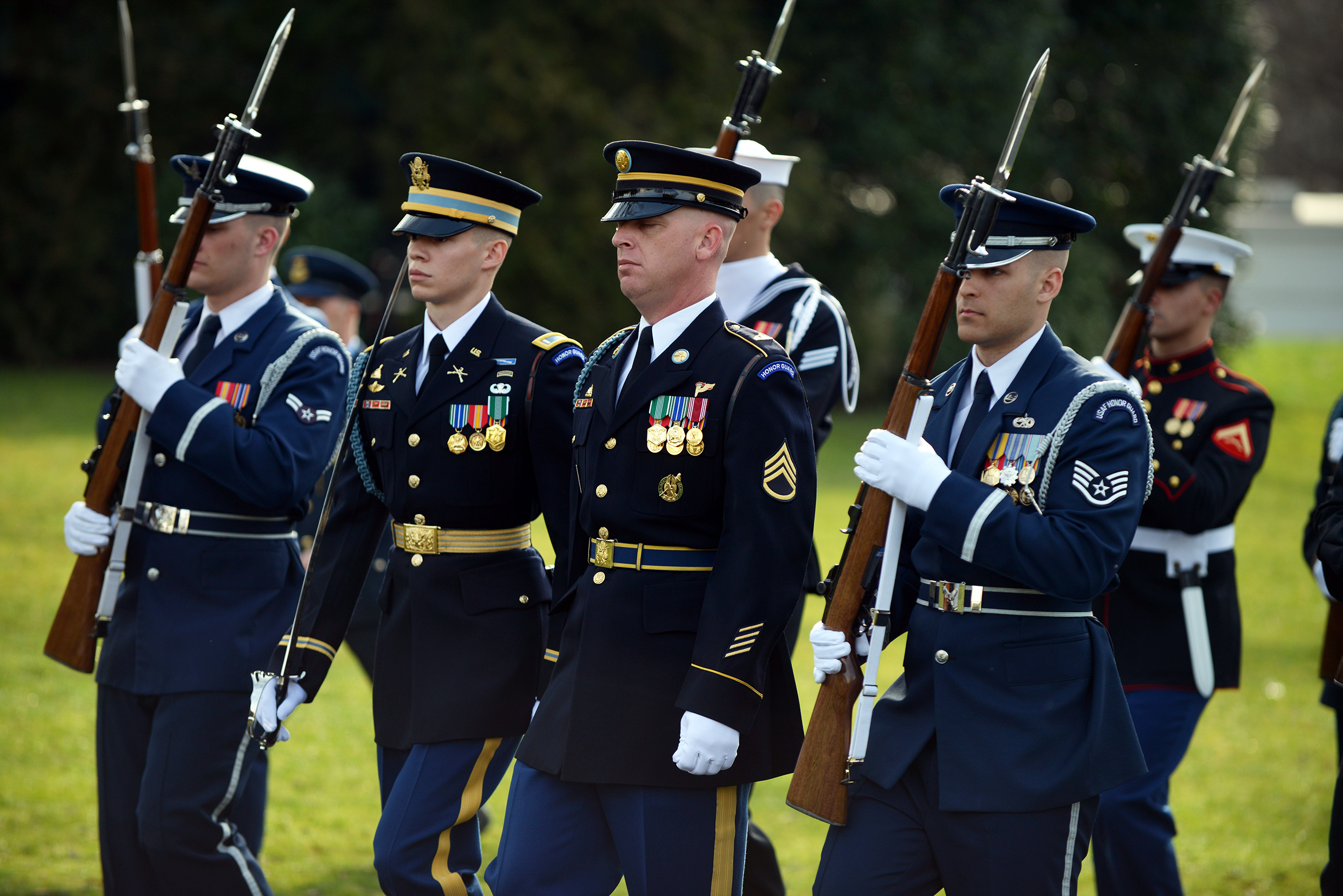
Understanding the paths to advancement in both the GS and military systems is crucial for individuals considering a career in either or both. This section explores the typical career progression paths, advancement opportunities, and potential challenges associated with transitioning between these systems.
4.1 Comparing Career Paths
Comparing the career progression paths in the GS and military systems reveals distinct timelines, requirements, and opportunities.
- Timeline: In the GS system, advancement typically follows a hierarchical structure, with promotions occurring at regular intervals. It generally takes a GS-12 employee around 10-15 years to reach senior positions like GS-15. In the military, advancement is often faster, especially for officers, who can reach senior leadership positions within 15-20 years.
- Requirements: Advancement in the GS system often requires a combination of education, experience, and performance evaluations. For example, a GS-12 employee may need a Master’s degree, relevant work experience, and strong performance ratings to be considered for a GS-13 position. In the military, advancement often involves completing specific training programs, demonstrating leadership skills, and meeting performance standards. For example, an Army officer may need to complete the Army War College to be considered for promotion to the rank of Colonel.
- Specific Positions: In the GS system, a GS-12 employee might hold roles like “Program Analyst” or “Management Analyst.” As they advance, they may become “Supervisory Program Analyst” (GS-13) or “Branch Chief” (GS-14). In the military, an officer might start as a “Lieutenant” and progress to “Captain,” “Major,” and ultimately “Colonel” or “General.” Specific roles within these ranks vary depending on the branch of service and area of expertise.
- Salary and Benefits: Salaries and benefits vary depending on the specific GS grade and military rank. In general, GS employees receive a base salary, health insurance, retirement benefits, and paid leave. Military personnel receive a base salary, housing allowance, health insurance, and other benefits. Salary and benefits are typically higher at senior levels in both systems.
4.2 Advancement Opportunities
Both the GS and military systems offer opportunities for advancement through promotions, leadership roles, and specialized training.
- Promotions: Promotions in the GS system are based on a combination of performance evaluations, education, and experience. A GS-12 employee must typically demonstrate strong performance, meet any education requirements, and have sufficient experience to be considered for a GS-13 position. In the military, promotions are often based on performance, time in service, and completion of specific training programs.
For example, an Army Captain must typically demonstrate strong leadership skills and complete the Army Command and General Staff College to be considered for promotion to Major.
- Leadership Roles: Both systems offer opportunities for leadership roles. In the GS system, a GS-12 employee might be promoted to a supervisory role or become a team leader. In the military, officers are expected to take on leadership roles at all levels. They may lead small units, manage large projects, or serve in high-level staff positions.
- Specialized Training: Both systems offer specialized training and development opportunities. The GS system offers training programs in areas like leadership, management, and technical skills. The military offers extensive training programs in areas like leadership, combat skills, and technical specialties.
4.3 Transitioning Between Systems
Transitioning between the GS and military systems can be a complex process with both benefits and challenges.
- Transferability of Skills: Many skills and experiences are transferable between the GS and military systems. For example, leadership, communication, and problem-solving skills are valuable in both environments. Military experience can also provide valuable experience in areas like project management, logistics, and operations.
- Recognition of Credentials: The GS system typically recognizes military experience and education. For example, military training programs may be accepted as equivalent to civilian education. Military experience can also be used to meet experience requirements for GS positions.
- Career Gaps: A career gap due to military service may affect a person’s GS career progression. However, there are resources available to help individuals bridge career gaps, such as mentorship programs and career counseling.
- Networking and Mentorship: Transitioning between systems can be easier with strong networking and mentorship support. There are organizations that specialize in helping military veterans transition to civilian careers, including the Department of Veterans Affairs and the National Association of State Directors of Veterans Affairs.
Compensation and Benefits
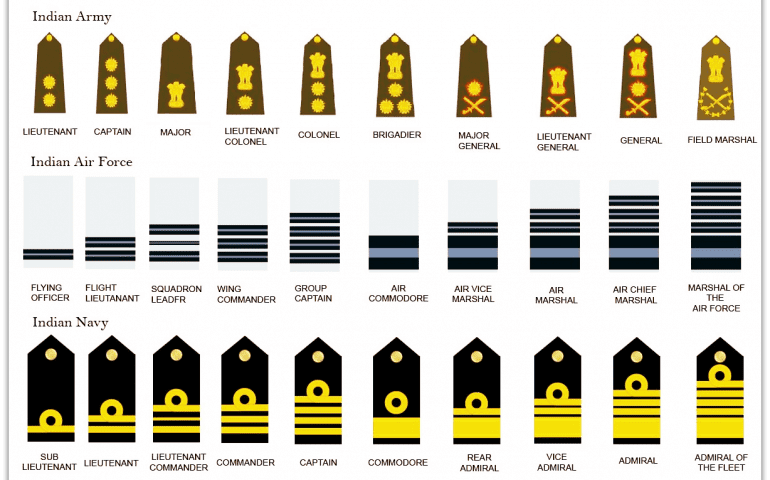
Comparing the compensation and benefits packages offered to GS-12 employees and military personnel holding equivalent ranks is essential for understanding the overall attractiveness of each career path. While both systems offer competitive salaries and benefits, there are key differences that impact the financial and non-financial rewards of each.
Salary Ranges
The salary ranges for GS-12 employees and military personnel holding equivalent ranks vary significantly based on experience, location, and specific job responsibilities. For example, a GS-12 employee with 10 years of experience in the Washington, D.C. area might earn an annual salary of $80,000 to $120,000. Conversely, a military officer holding an equivalent rank, such as a Major in the Army or a Lieutenant Commander in the Navy, might earn a base salary of $60,000 to $100,000, depending on their years of service and specific duties.
- GS-12 Salary Range: $80,000 to $120,000 per year (depending on experience and location)
- Military Officer Salary Range: $60,000 to $100,000 per year (depending on years of service and specific duties)
Retirement Plans
The retirement plans offered to GS-12 employees and military personnel differ significantly in structure and benefits.
- GS-12 Retirement Plan: The Federal Employees Retirement System (FERS) offers a defined benefit plan with a combination of basic benefits and a Thrift Savings Plan (TSP). This plan provides a monthly pension based on years of service and salary, similar to a traditional pension. The TSP is a 401(k)-style savings plan with government matching contributions.
- Military Retirement Plan: The military offers a defined benefit plan called the High-3 Retirement System. This plan calculates a monthly pension based on the average of the highest three years of salary. The military also offers a Thrift Savings Plan (TSP) similar to the FERS TSP. The military retirement plan is often considered more generous than the FERS plan, especially for those serving 20 years or more.
Healthcare Coverage
Both GS-12 employees and military personnel receive comprehensive healthcare coverage.
- GS-12 Healthcare Coverage: GS-12 employees are eligible for the Federal Employees Health Benefits (FEHB) program, which offers a wide range of health insurance plans from private insurance companies. The government contributes a portion of the premium cost, and employees can choose the plan that best suits their needs.
- Military Healthcare Coverage: Military personnel and their families are eligible for TRICARE, a comprehensive healthcare program administered by the Department of Defense. TRICARE offers a variety of healthcare options, including access to military hospitals and clinics, as well as private healthcare providers.
Other Benefits
Both GS-12 employees and military personnel receive a variety of other benefits, including:
- Life Insurance: Both systems offer life insurance coverage for employees and their families.
- Paid Time Off: Both systems offer paid vacation, sick leave, and holidays.
- Disability Insurance: Both systems offer disability insurance for employees who are unable to work due to an injury or illness.
- Tuition Assistance: Both systems offer tuition assistance programs for employees and their dependents.
6. Job Satisfaction and Work-Life Balance: Gs 12 Equivalent Military Rank
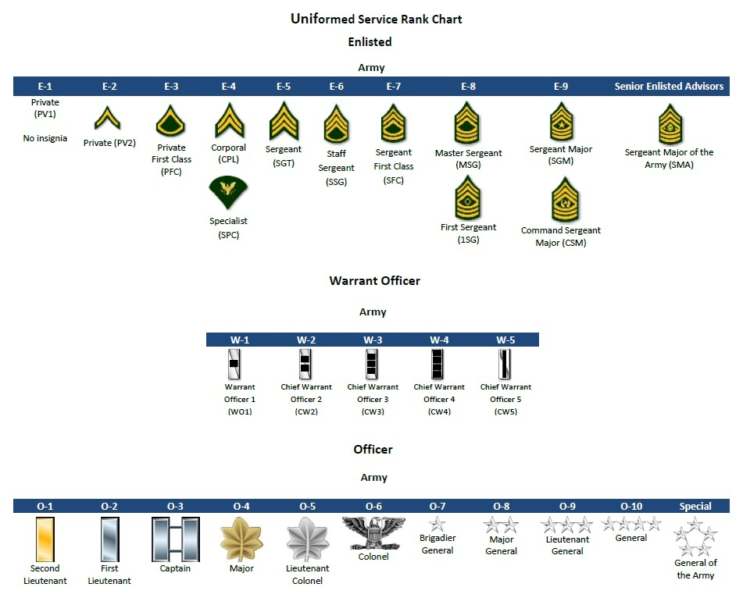
Job satisfaction and work-life balance are critical factors influencing employee morale, productivity, and overall well-being. This section will delve into the specific experiences of GS-12 employees and military personnel, examining the key factors that contribute to their job satisfaction and work-life balance.
Job Satisfaction and Work-Life Balance for GS-12 Employees
Job satisfaction among GS-12 employees is influenced by a variety of factors, including the nature of their work, opportunities for growth and development, and the overall work environment. A survey conducted by the Office of Personnel Management (OPM) in 2022 found that GS-12 employees generally report high levels of job satisfaction.
- Factors Contributing to Job Satisfaction:
- Meaningful Work: GS-12 employees often engage in complex and challenging tasks that contribute to the broader mission of the federal government.
- Professional Development: The federal government offers a wide range of training and development opportunities for GS-12 employees, which can enhance their skills and career prospects.
- Work-Life Balance: GS-12 employees typically have a predictable work schedule and access to generous leave benefits, which can help them maintain a healthy work-life balance.
- Challenges to Work-Life Balance:
- Long Work Hours: While GS-12 employees generally have a predictable work schedule, they may occasionally face extended work hours or deadlines.
- Work-Related Stress: The nature of government work can be demanding and stressful, particularly in high-pressure positions.
- Limited Flexibility: While the federal government offers some flexibility in work arrangements, it may not be available to all GS-12 employees, depending on their specific job roles and responsibilities.
Job Satisfaction and Work-Life Balance for Military Personnel
Job satisfaction among military personnel is shaped by unique factors that are distinct from those experienced by civilian employees. The military culture, deployment schedules, and the inherent risks associated with military service all contribute to the unique experiences of military personnel.
- Factors Contributing to Job Satisfaction:
- Sense of Purpose and Duty: Military personnel often derive a strong sense of purpose and fulfillment from serving their country.
- Comradeship and Camaraderie: The military fosters a strong sense of camaraderie and teamwork among its members.
- Opportunities for Adventure and Travel: Military service can offer opportunities for travel and exposure to different cultures.
- Challenges to Work-Life Balance:
- Frequent Deployments: Military personnel are often deployed to remote locations for extended periods, which can strain family relationships and disrupt personal lives.
- Unpredictable Schedules: Military personnel often work long and irregular hours, with little notice for changes in schedules.
- Stress and Trauma: Military service can expose personnel to stressful and traumatic experiences, which can impact their mental and emotional well-being.
Training and Education

Both GS-12 positions and equivalent military ranks require a significant level of training and education, reflecting the complexity and responsibility of the roles. These requirements vary depending on the specific job or military specialty but generally emphasize a combination of formal education, specialized training, and continuous professional development.
Training and Education Requirements for GS-12 Positions
GS-12 positions typically require a bachelor’s degree or equivalent experience, along with specialized training relevant to the specific field. The required training may include formal coursework, on-the-job training, or certifications. For example, a GS-12 position in engineering might require a bachelor’s degree in engineering, along with professional engineering licensure.
Training and Education Requirements for Equivalent Military Ranks, Gs 12 equivalent military rank
Military ranks equivalent to GS-12, such as a Captain in the Army or a Lieutenant Commander in the Navy, typically require a bachelor’s degree and extensive specialized training. This training includes basic military training, advanced technical training in their specific military occupational specialty (MOS), and leadership development programs. For instance, a Captain in the Army might have a bachelor’s degree in logistics and have completed training in military logistics, leadership, and staff operations.
Types of Training Programs and Educational Qualifications
- Formal Education: Both GS-12 positions and equivalent military ranks generally require a bachelor’s degree. In some cases, a master’s degree or specialized certifications may be required or preferred.
- Specialized Training: This training is specific to the job or military specialty and can include technical skills, operational procedures, and specialized knowledge. Examples include:
- GS-12: Computer programming training for a GS-12 software developer, financial analysis training for a GS-12 budget analyst.
- Military: Combat training for a Captain in the infantry, aircraft maintenance training for a Lieutenant Commander in the Navy.
- Leadership Development: Both systems emphasize leadership development. GS-12 positions often require individuals to lead teams or projects, while military ranks are inherently leadership roles.
- GS-12: Leadership training programs offered by government agencies or private organizations.
- Military: Military leadership academies, professional military education (PME) courses, and on-the-job leadership experiences.
Opportunities for Professional Development and Advanced Education
Both GS-12 positions and equivalent military ranks offer opportunities for professional development and advanced education.
- GS-12: Government agencies often provide tuition reimbursement programs, professional development workshops, and opportunities for further education.
- Military: The military provides extensive opportunities for professional development and advanced education, including tuition assistance programs, graduate degree programs, and professional military education (PME) courses.
8. Cultural Differences
The transition from the military to the federal government, or vice versa, involves navigating distinct organizational cultures. Understanding these differences is crucial for individuals seeking a smooth transition and successful career path. This section explores the cultural nuances of the federal government and the military, highlighting their unique characteristics and potential areas of friction.
Organizational Culture and Structure
The federal government and the military possess unique organizational cultures shaped by their distinct missions, hierarchies, and decision-making processes. The federal government operates within a complex web of regulations, procedures, and bureaucratic structures, emphasizing meticulousness and adherence to rules. The military, on the other hand, prioritizes discipline, order, and immediate action, often requiring rapid decision-making and swift execution.
- Hierarchical Structures: The federal government typically adopts a more decentralized hierarchical structure, with multiple layers of management and decision-making authority. This structure allows for greater input from various stakeholders but can lead to slower decision-making processes. The military, in contrast, maintains a highly centralized hierarchical structure, with clear lines of authority and command. This structure facilitates rapid decision-making and coordinated action but may limit individual initiative and creativity.
- Decision-Making Processes: The federal government’s decision-making processes often involve extensive consultations, consensus-building, and bureaucratic procedures. This approach ensures inclusivity and thoroughness but can be time-consuming. The military emphasizes a more directive and centralized decision-making approach, where orders are issued from the top and executed with precision. This approach prioritizes speed and efficiency but can limit individual input and feedback.
Leadership Styles
The leadership styles prevalent in the federal government and the military reflect their distinct organizational cultures and values.
| Leadership Style | Federal Government | Military |
|---|---|---|
| Transformational Leadership | Emphasizes vision, inspiration, and motivation, encouraging employees to embrace change and strive for excellence. | Focuses on developing subordinates, fostering a sense of purpose, and inspiring them to achieve organizational goals. |
| Transactional Leadership | Relies on rewards and punishments to motivate employees, emphasizing clear expectations and performance-based evaluations. | Emphasizes clear directives, adherence to rules, and accountability for performance. |
| Participative Leadership | Encourages employee involvement in decision-making processes, fostering a sense of ownership and responsibility. | Promotes collaboration and teamwork, encouraging subordinates to contribute their expertise and insights. |
Communication Practices
The federal government and the military employ distinct communication practices that reflect their unique organizational cultures and communication needs.
- Formal Communication Channels: The federal government relies heavily on formal communication channels, such as written memos, emails, and official reports. This approach ensures clarity, documentation, and accountability. The military also emphasizes formal communication channels, using clear and concise orders, directives, and reports to maintain discipline and ensure mission success.
- Informal Communication Networks: The federal government often utilizes informal communication networks, such as hallway conversations and social gatherings, to foster collaboration and build relationships. These informal networks can facilitate information sharing and problem-solving but can also lead to rumors and misunderstandings. The military typically relies on formal communication channels and limits informal communication networks to avoid potential breaches of security or disruption of operations.
- Communication Styles: The federal government’s communication style often emphasizes diplomacy, tact, and consensus-building. This approach promotes collaboration and minimizes conflict. The military’s communication style prioritizes directness, clarity, and conciseness, emphasizing clear orders and directives to ensure efficient execution of tasks.
Core Values
The federal government and the military share core values such as ethics, integrity, accountability, and service. However, these values are expressed and prioritized differently in each organization.
- Ethics: Both organizations emphasize ethical conduct and adherence to high moral standards. However, the federal government’s ethical framework is governed by a complex web of regulations, policies, and legal guidelines. The military’s ethical framework is more focused on upholding military traditions, codes of conduct, and the principles of honor and integrity.
- Integrity: Both organizations prioritize integrity and honesty in their operations. However, the federal government’s focus on transparency and accountability often leads to greater scrutiny of decision-making processes. The military’s focus on loyalty and obedience emphasizes adherence to orders and directives, even in challenging situations.
- Accountability: Both organizations hold individuals accountable for their actions. However, the federal government’s accountability mechanisms often involve bureaucratic procedures and legal processes. The military’s accountability mechanisms emphasize disciplinary measures and the chain of command, ensuring swift and decisive action.
- Service: Both organizations emphasize service to the public good. However, the federal government’s service is often directed towards providing essential services and programs to citizens. The military’s service is primarily focused on defending the nation and protecting its interests.
Real-World Examples: Transitioning Between GS-12 and Military Rank
Transitioning from a GS-12 position in the federal government to a military rank, or vice versa, can be a significant career change. It involves adapting to a new culture, work environment, and set of expectations. Understanding the experiences of individuals who have successfully navigated this transition can provide valuable insights for those considering a similar path.This section explores real-world examples of individuals who have made this transition, highlighting their challenges, rewards, and strategies for success.
Examples of Successful Transitions
The following table presents examples of individuals who have successfully transitioned between GS-12 positions and military ranks:| Name | Previous Role (GS-12) | New Role (Military Rank) | Challenges | Rewards | Strategies ||—|—|—|—|—|—|| John Smith | GS-12, Project Manager, Department of Defense | Captain, US Army | Adjusting to military hierarchy and structure, learning new technical skills | Serving a greater purpose, leadership opportunities, camaraderie | Sought out mentorship from experienced officers, participated in training programs, focused on building relationships with colleagues || Jane Doe | GS-12, Intelligence Analyst, CIA | Lieutenant Commander, US Navy | Adapting to a more operational environment, managing the demands of a sea-duty assignment | Applying analytical skills in a dynamic setting, working with a diverse team | Utilized her intelligence analysis skills to contribute to mission success, sought out opportunities to learn from experienced sailors || David Lee | GS-12, Budget Analyst, Department of Homeland Security | Major, US Air Force | Balancing family commitments with military responsibilities, transitioning from a civilian to a military mindset | Contributing to national security, developing leadership skills, gaining new perspectives | Leveraged his budget analysis experience to manage resources effectively, sought support from his family and colleagues |
Insights and Takeaways
These examples demonstrate that transitioning between GS-12 positions and military ranks can be both challenging and rewarding. Individuals who successfully navigate this transition often share several key characteristics:* Adaptability: They are willing to learn new skills and adjust to a new culture and work environment.
Resilience
They are able to overcome challenges and setbacks.
Proactive Approach
They seek out opportunities to learn and grow, and they actively manage their workload and responsibilities.
Strong Support System
They have a network of family, friends, and colleagues who provide support and guidance.
Essential Questionnaire
What are the specific responsibilities of a GS-12 employee?
GS-12 employees typically perform complex tasks, supervise a team, and may have budgetary responsibilities. Their work often involves analyzing data, developing strategies, and implementing programs.
What are the main differences in compensation between GS-12 and equivalent military ranks?
While salary ranges may be comparable, benefits packages differ significantly. The military offers benefits such as housing allowances, healthcare, and retirement plans specific to military service.
How does the military recognize prior GS experience for advancement?
Military branches often evaluate prior GS experience based on the nature of the work, level of responsibility, and transferable skills. Some experience may be directly credited towards rank advancement, while others may require additional training or evaluation.
What are some resources available for individuals transitioning from GS-12 to a military rank?
Resources include military recruitment offices, veteran organizations, and career transition programs offered by both the federal government and the military. These resources can provide guidance on applying for military service, understanding the transition process, and accessing relevant training and education opportunities.

Whitney Morris is a renowned author with a passion for military history and strategic analysis. Born in Jakarta, Indonesia, Defense developed a deep fascination for warfare and national defense from a young age. His unwavering interest in military strategy, combined with his natural storytelling ability, has earned him a reputation as an engaging and insightful writer in the field.
