Mexico Military Ranking: A journey through time reveals a military force that has shaped the nation’s history, evolving from the struggles for independence to confronting modern challenges. From its humble beginnings, the Mexican military has faced numerous trials, from revolutions and wars to internal conflicts and global security threats. This exploration delves into the historical evolution of the Mexican military, examining its structure, organization, and the key figures who have left their mark.
We will analyze the Mexican military’s role in shaping the nation’s identity, its involvement in national development, and its contributions to international security. We will also explore the challenges and opportunities that the Mexican military faces in the 21st century, including drug trafficking, organized crime, and the need for modernization.
Historical Overview of the Mexican Military: Mexico Military Ranking
The Mexican military has a rich and complex history, shaped by various conflicts, revolutions, and political upheavals. Its evolution reflects the nation’s struggles for independence, territorial integrity, and internal stability. This overview delves into the key historical events, significant figures, and structural changes that have defined the Mexican military throughout its existence.
Early Years (1810-1867)
The Mexican military emerged from the ashes of the Mexican War of Independence (1810-1821), a struggle against Spanish colonial rule. The war was marked by guerrilla warfare, with various insurgent factions led by figures like Miguel Hidalgo y Costilla, José María Morelos, and Vicente Guerrero. The victory of the insurgents resulted in the establishment of an independent Mexico in 1821.
The newly formed Mexican Army, initially composed of former insurgent forces, faced significant challenges in consolidating its authority and maintaining order. The army’s structure and organization were influenced by the Spanish military model, with a hierarchical command structure and a focus on infantry tactics. Key figures during this period included Agustín de Iturbide, who led the army to victory in the War of Independence, and Antonio López de Santa Anna, a controversial figure who would later play a significant role in Mexican history.The military’s involvement in the Texas Revolution (1835-1836) and the Mexican-American War (1846-1848) resulted in territorial losses for Mexico.
The defeats in these wars exposed weaknesses in the army’s training, equipment, and strategic planning. The French Intervention (1861-1867), a period of foreign occupation, further tested the Mexican military. Despite initial setbacks, the Mexican army, under the leadership of Benito Juárez, ultimately expelled the French forces, reaffirming its commitment to national sovereignty.
Porfiriato Era (1876-1910)
The Porfiriato, the long rule of General Porfirio Díaz, witnessed significant modernization efforts in the Mexican military. Díaz, seeking to consolidate his power and maintain order, implemented reforms to enhance the army’s capabilities. The military was professionalized through the establishment of the National Military Academy (1882), which provided rigorous training for officers. The army was also equipped with modern weaponry and technology, including artillery and rifles.
The military’s role during this period was primarily focused on maintaining order, suppressing dissent, and protecting the interests of the Porfirian regime. However, the Porfiriato’s focus on modernization and order also led to a growing sense of discontent among the population. The military’s close ties to the regime and its role in suppressing opposition fueled resentment, contributing to the outbreak of the Mexican Revolution in 1910.
Mexican Revolution (1910-1920)
The Mexican Revolution saw the Mexican military fragment into various factions, each with its own objectives and leadership. The revolution was a complex and chaotic period, characterized by intense fighting, shifting alliances, and widespread social upheaval.The revolution’s impact on the Mexican military was profound. The army’s structure, organization, and capabilities were severely disrupted by the conflict. The revolution also witnessed the emergence of charismatic leaders, such as Francisco Villa, known for his guerrilla tactics, and Álvaro Obregón, a skilled military strategist.The revolution’s legacy included the establishment of a new constitution in 1917, which enshrined the principles of popular sovereignty and limited the military’s role in politics.
The revolution also led to the creation of a new military institution, the National Revolutionary Army, which aimed to professionalize the armed forces and integrate them into the national fabric.
Post-Revolution Era (1920-Present)
The period following the revolution saw the reorganization of the Mexican military, with a focus on professionalization and national development. The National Revolutionary Army, established in 1920, sought to create a unified and disciplined force that could safeguard national security and support the country’s economic and social progress.The Mexican military played a significant role in national development during the 20th century, participating in infrastructure projects, disaster relief efforts, and border security operations.
It also played a role in international conflicts, such as the Korean War and the Cold War.The Mexican military faces significant challenges in the 21st century, including drug trafficking, organized crime, and migration. The army has been increasingly involved in counter-narcotics operations, often working in conjunction with other security agencies. The military’s role in addressing these challenges has been the subject of debate, with concerns about human rights violations and the militarization of society.
Mexican Armed Forces Organization
The Mexican Armed Forces, formally known as the National Defense Secretariat (SEDENA), have undergone significant transformations throughout their history. They have played a vital role in shaping the nation, from defending its independence to participating in internal security operations and providing humanitarian aid.
Historical Context
The Mexican military traces its roots back to the Mexican War of Independence (1810-1821), where the insurgent armies fought against Spanish rule. After independence, the military was instrumental in consolidating the newly formed nation and played a prominent role in the Mexican-American War (1846-1848) and the French Intervention (1861-1867).In the 20th century, the Mexican military primarily focused on national defense, but it also became involved in political events, such as the Mexican Revolution (1910-1920) and the Cristero War (1926-1929).
During the Cold War, the military underwent modernization efforts and played a crucial role in maintaining regional stability.
Current Structure and Organization
The Mexican Armed Forces are organized into three main branches: the Army, the Navy, and the Air Force. The Secretary of National Defense, a civilian appointed by the President, is the highest-ranking official in the Armed Forces.
Organizational Chart
The organizational structure of the Mexican Armed Forces is hierarchical, with a clear chain of command. The Secretary of National Defense oversees all three branches, which are further divided into regional commands, divisions, brigades, and regiments.
Chain of Command
The chain of command in the Mexican Armed Forces is as follows:* Secretary of National Defense
- General Staff
- Regional Commands
- Divisions
- Brigades
- Regiments
- Battalions
- Companies
- Platoon
- Squad
Branches
Army
The Mexican Army is the largest branch of the Armed Forces, responsible for land-based defense, border security, and internal security operations. It is organized into 12 Military Regions, each with its own divisions, brigades, and regiments.
Organizational Structure
The Army’s organizational structure is as follows:* 12 Military Regions
- Divisions
- Brigades
- Regiments
- Battalions
- Companies
- Platoon
- Squad
Missions and Responsibilities
The Army’s primary missions and responsibilities include:* National defense
- Border security
- Internal security operations
- Disaster relief
- Humanitarian assistance
Equipment and Weaponry
The Mexican Army utilizes a wide range of equipment and weaponry, including:* Tanks
- Armored personnel carriers
- Artillery
- Small arms
- Helicopters
Navy
The Mexican Navy is responsible for maritime security, coastal defense, and search and rescue operations. It is organized into three fleets: the Pacific Fleet, the Gulf Fleet, and the Naval Air Command.
Organizational Structure
The Navy’s organizational structure is as follows:* Pacific Fleet
- Gulf Fleet
- Naval Air Command
- Squadrons
- Bases
Missions and Responsibilities
The Navy’s primary missions and responsibilities include:* Maritime security
- Coastal defense
- Search and rescue operations
- Drug trafficking suppression
- Counter-piracy operations
Vessels and Aircraft
The Mexican Navy operates a variety of vessels and aircraft, including:* Destroyers
- Frigates
- Corvettes
- Patrol boats
- Submarines
- Aircraft carriers
- Helicopters
Air Force
The Mexican Air Force is responsible for air defense, aerial reconnaissance, and air transport. It is organized into five wings: the 1st Air Wing, the 2nd Air Wing, the 3rd Air Wing, the 4th Air Wing, and the 5th Air Wing.
Organizational Structure
The Air Force’s organizational structure is as follows:* 5 Wings
- Squadrons
- Bases
Missions and Responsibilities
The Air Force’s primary missions and responsibilities include:* Air defense
- Aerial reconnaissance
- Air transport
- Airborne operations
- Search and rescue operations
Aircraft
The Mexican Air Force operates a variety of aircraft, including:* Fighter jets
- Bombers
- Transport aircraft
- Helicopters
- Unmanned aerial vehicles (UAVs)
Military Personnel and Recruitment
The Mexican military, like any other, relies on a robust recruitment and training system to maintain its strength and readiness. This section delves into the composition, recruitment, and retention strategies employed by the Mexican Armed Forces, highlighting the factors influencing their effectiveness.
Size and Composition of Active-Duty Military Personnel
The Mexican Armed Forces are comprised of the Army, Navy, Air Force, and Marines. As of 2023, the total active-duty military personnel is estimated to be around 215,000. This number represents a significant increase from the early 2000s, reflecting the growing security challenges faced by Mexico.
- Army: The Army constitutes the largest branch of the Mexican military, accounting for approximately 150,000 personnel.
- Navy: The Navy, including the Naval Air Force and Marines, has around 35,000 active-duty personnel.
- Air Force: The Air Force is relatively smaller, with about 20,000 personnel.
- Marines: The Marines, a specialized force within the Navy, have approximately 10,000 personnel.
While the Mexican military has historically been predominantly male, there has been a growing presence of women in recent years. Currently, women constitute around 10% of the active-duty personnel, with a higher proportion in the Navy and Air Force compared to the Army and Marines.The age distribution of active-duty military personnel in Mexico reflects a trend towards a younger force.
A significant portion of personnel are in their late teens and early twenties, while the number of older personnel has declined over the past decade.
| Age Group | 2013 | 2018 | 2023 (Estimated) |
|---|---|---|---|
| 18-24 | 60% | 65% | 70% |
| 25-34 | 30% | 25% | 20% |
| 35-44 | 8% | 7% | 5% |
| 45+ | 2% | 3% | 5% |
The size of the active-duty military personnel in Mexico has fluctuated over time, influenced by various factors. The government’s response to security threats, economic conditions, and political considerations have all played a role in shaping the size of the military.
Recruitment Process and Training Programs
Recruitment for the Mexican Armed Forces involves a multi-step process that includes advertising campaigns, recruitment centers, and selection criteria.
- Advertising Campaigns: The Mexican military utilizes a variety of media channels, including television, radio, and social media, to reach potential recruits. These campaigns often emphasize patriotism, national service, and career opportunities within the military.
- Recruitment Centers: The Mexican military operates recruitment centers across the country, where potential recruits can receive information about joining the armed forces. These centers conduct preliminary screening and assessments.
- Selection Criteria: Potential recruits must meet certain physical, educational, and psychological requirements to be eligible for service. These criteria vary slightly depending on the branch of service and specific role.
Training programs for each branch of the Mexican military are designed to equip recruits with the necessary skills and knowledge to perform their duties effectively.
- Basic Training: Basic training typically lasts for several months and focuses on physical fitness, military discipline, and basic combat skills.
- Specialized Training: After completing basic training, recruits receive specialized training in their chosen field, such as infantry, artillery, aviation, or engineering. This training can range from a few weeks to several months, depending on the complexity of the role.
Technology plays an increasingly important role in military recruitment and training in Mexico.
- Online Platforms: The Mexican military utilizes online platforms and websites to provide information about recruitment opportunities, training programs, and career paths.
- Simulations: Simulations and virtual reality are being used to enhance training, allowing recruits to experience realistic combat scenarios without the risks of live-fire exercises.
The recruitment and training strategies employed by different branches of the Mexican military vary depending on their specific roles and missions. For example, the Marines receive specialized training in amphibious operations and coastal defense, while the Air Force focuses on aviation and air defense.
Factors Influencing Recruitment and Retention
Several factors influence the effectiveness of recruitment and retention efforts in the Mexican military.
- Economic Conditions: Economic conditions can play a significant role in military recruitment. During periods of economic hardship, military service may be seen as a more attractive option for individuals seeking stable employment and benefits.
- Social Attitudes: Social attitudes towards military service can also influence recruitment. In some communities, military service may be viewed as a prestigious and honorable career path, while in others, it may be seen as a less desirable option.
- Government Policies: Government policies, such as pay and benefits, educational opportunities, and career development programs, can significantly impact recruitment and retention.
The Mexican military faces several challenges in attracting and retaining qualified personnel.
- Competition from the Private Sector: The private sector often offers higher salaries and benefits compared to the military, making it difficult to compete for talent.
- Changing Demographics: Changing demographics, such as an aging population and declining birth rates, can make it more challenging to recruit sufficient numbers of young people for military service.
The Mexican military has implemented various retention programs to encourage personnel to remain in service.
- Bonuses: Bonuses are offered to personnel who re-enlist or extend their service.
- Educational Benefits: Educational benefits, such as tuition assistance and scholarships, are provided to personnel who wish to pursue higher education.
- Career Development Opportunities: Career development opportunities, such as training programs and leadership development courses, are available to personnel who wish to advance their careers within the military.
Military deployments and conflicts can have a significant impact on recruitment and retention rates. Deployments can lead to increased stress and burnout among personnel, while conflicts can result in casualties and injuries. These factors can make military service less appealing to potential recruits and encourage existing personnel to leave the service.
Military Equipment and Technology
The Mexican military has a diverse inventory of weapons, vehicles, and aircraft, reflecting its focus on internal security and regional defense. While it has made strides in modernizing its equipment, there are still areas where it seeks to upgrade its capabilities to meet evolving threats.
Weapons Inventory
The Mexican military’s weapons inventory includes a wide range of small arms, artillery, and missiles.
- Small Arms: The Mexican military relies heavily on small arms for internal security operations. Its primary service rifles include the FN FAL, Heckler & Koch G3, and the Beretta AR-70/90. It also employs a variety of pistols, submachine guns, and light machine guns.
- Artillery: The Mexican military operates a mix of towed and self-propelled artillery pieces. Its inventory includes the M101 howitzer, the M114 howitzer, and the M109 self-propelled howitzer. It also possesses a variety of rocket launchers and mortars.
- Missiles: The Mexican military has a limited inventory of missiles, primarily for air defense and anti-tank purposes. It operates the FIM-92 Stinger man-portable air defense system and the TOW anti-tank missile system.
Vehicles
The Mexican military operates a variety of vehicles for transportation, combat, and logistical support.
- Tanks: The Mexican military possesses a limited number of main battle tanks, primarily the M60 Patton and the T-72.
- Armored Personnel Carriers (APCs): The Mexican military operates a variety of APCs, including the M113, the M1117 Guardian, and the Casspir.
- Trucks: The Mexican military relies heavily on trucks for transportation and logistical support. Its fleet includes a variety of light, medium, and heavy trucks, as well as specialized vehicles such as ambulances and fuel tankers.
Aircraft
The Mexican military operates a diverse fleet of aircraft for combat, transport, and training purposes.
- Combat Aircraft: The Mexican Air Force operates a mix of fighter jets and attack aircraft. Its inventory includes the F-5E Tiger II, the F-5F Tiger II, and the A-7E Corsair II.
- Transport Aircraft: The Mexican Air Force operates a variety of transport aircraft, including the C-130 Hercules, the C-27J Spartan, and the Boeing 737.
- Helicopters: The Mexican military operates a diverse fleet of helicopters, including the Bell UH-1 Iroquois, the Mil Mi-17, and the Eurocopter AS550 Fennec.
Comparison with Regional Militaries
Compared to other regional militaries, the Mexican military’s equipment is generally considered to be moderately equipped. While it possesses some advanced capabilities, such as its F-5E/F fighter jets and its C-130 Hercules transport aircraft, it lacks the high-end equipment found in the militaries of some of its neighbors, such as the United States and Canada.
Modernization Efforts
The Mexican military has been actively seeking to modernize its equipment in recent years. Its modernization efforts have focused on acquiring new aircraft, vehicles, and weapons systems.
- Aircraft: The Mexican military has been acquiring new fighter jets, transport aircraft, and helicopters. For example, it has purchased new Boeing 737s and Eurocopter AS550 Fennecs.
- Vehicles: The Mexican military has been acquiring new armored vehicles, trucks, and other vehicles. For example, it has purchased new Casspirs and M1117 Guardians.
- Weapons Systems: The Mexican military has been acquiring new weapons systems, such as the FIM-92 Stinger man-portable air defense system and the TOW anti-tank missile system.
Military Budget and Spending
The Mexican government’s allocation of funds to the military is a crucial aspect of its national security strategy. The military budget reflects the country’s priorities in terms of defense, internal security, and regional stability. Understanding the trends in military spending provides insights into Mexico’s commitment to maintaining a capable and modern armed forces.
Mexico’s Military Spending Compared to Other Countries in the Region
Mexico’s military spending is analyzed in comparison to other countries in the region to understand its relative strength and priorities. This analysis involves examining the budgetary allocations of neighboring nations and identifying any significant trends or patterns.
- Mexico’s military spending is generally lower than that of other major powers in the region, such as the United States and Brazil. This reflects Mexico’s commitment to peaceful resolution of disputes and its focus on internal security challenges. However, it also raises concerns about the potential impact on the military’s capabilities in the face of emerging threats.
- The comparison of Mexico’s military spending to other countries in the region provides valuable context for understanding the country’s defense posture. By examining the budgetary allocations of neighboring nations, we can gain insights into the relative strengths and weaknesses of the Mexican military. This analysis is essential for policymakers to make informed decisions about resource allocation and defense strategies.
Impact of Budget Constraints on the Military’s Capabilities, Mexico military ranking
Budget constraints have a significant impact on the military’s capabilities. This section explores the challenges faced by the Mexican military due to limited resources and discusses the implications for its effectiveness.
- Budget constraints can limit the military’s ability to acquire modern equipment and technology, potentially impacting its effectiveness in responding to evolving security threats. For example, Mexico’s air force faces challenges in maintaining a modern fleet of aircraft, which could hinder its ability to conduct effective air operations.
- Budget constraints can also impact the military’s training and readiness. Limited resources can result in reduced training opportunities, potentially affecting the troops’ skills and proficiency. This can have implications for the military’s overall effectiveness in responding to real-world situations.
- Despite these challenges, the Mexican military has demonstrated its commitment to maintaining a capable force. It has implemented strategies to optimize resource allocation and enhance operational efficiency. For instance, the military has focused on developing partnerships with other countries and leveraging international cooperation to enhance its capabilities.
Military Operations and Roles
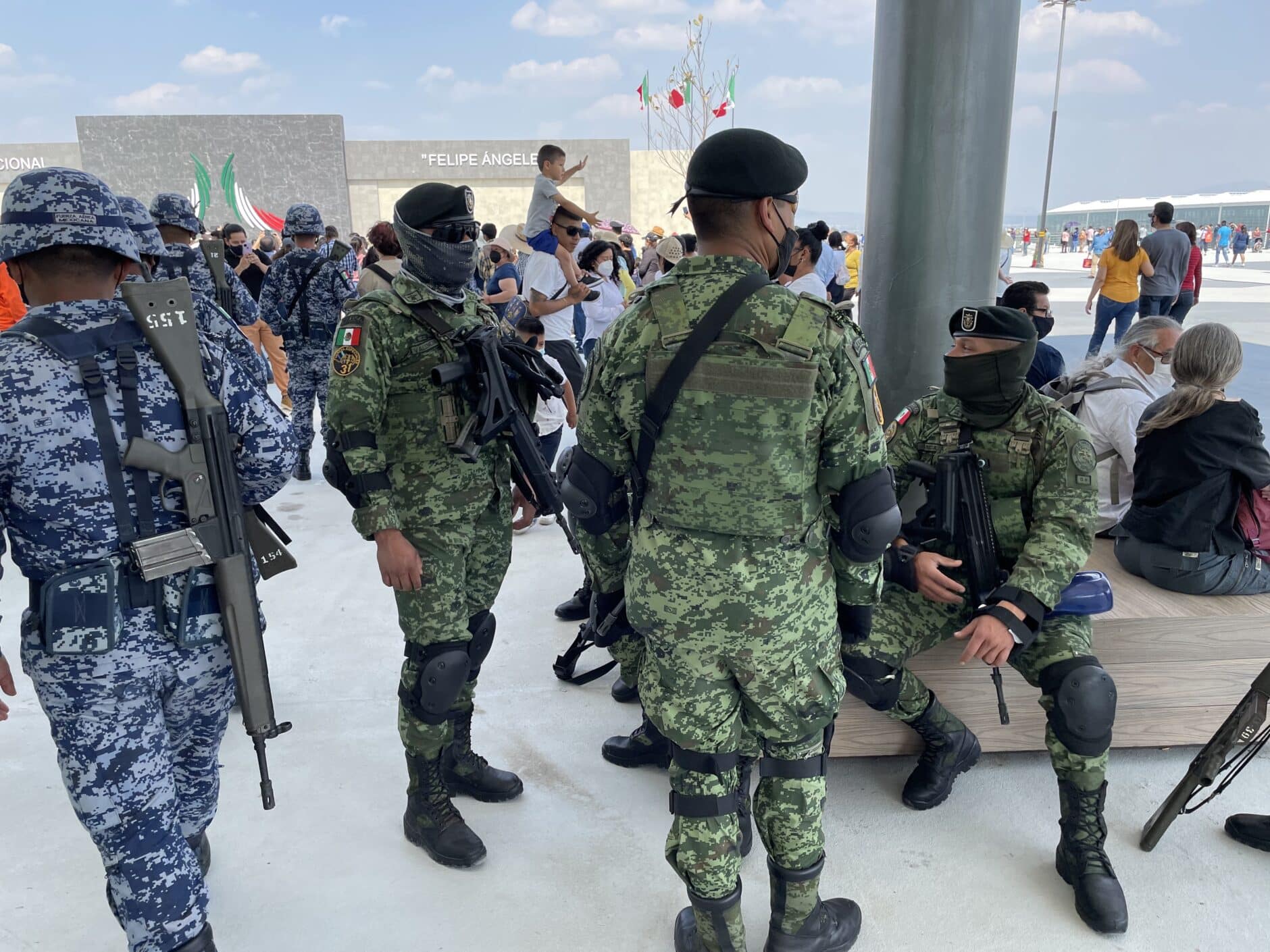
The Mexican military plays a crucial role in safeguarding national security, maintaining internal order, and responding to humanitarian crises. Its responsibilities extend beyond traditional defense to encompass a wide range of operations that impact Mexican society and politics.
National Defense and Territorial Integrity
The Mexican military is responsible for defending the country’s borders and territorial integrity against external threats. This includes deterring and responding to potential military aggression, as well as preventing illegal immigration and cross-border criminal activities. The military maintains a robust presence along the US-Mexico border, utilizing land, air, and maritime forces to patrol and secure the frontier.
Get the entire information you require about e12 military rank on this page.
Internal Security and Crime Combat
The Mexican military is increasingly involved in internal security operations, particularly in combating drug trafficking, organized crime, and other security threats. This role has become more prominent in recent decades, with the military being deployed to support law enforcement agencies in high-crime areas. The military’s participation in internal security operations is often controversial, with concerns raised about potential human rights abuses and the militarization of society.
Disaster Relief and Humanitarian Assistance
The Mexican military plays a vital role in responding to natural disasters and humanitarian crises. The military’s capabilities in logistics, transportation, and medical care make it well-suited for providing relief and assistance to affected populations. In the aftermath of major earthquakes, hurricanes, and other disasters, the military has been deployed to provide search and rescue, medical aid, and logistical support to disaster-stricken areas.
Key Military Operations
The Mexican military has been involved in numerous significant operations throughout its history, shaping its capabilities and influence.
- Operation Condor (1982-1983): A military operation aimed at combating drug trafficking in the Golden Triangle region of Mexico. This operation marked a significant shift in the military’s role, moving beyond traditional defense to address internal security threats.
- Operation Ejército Patrulla (2006-present): A nationwide military operation aimed at combating drug trafficking and organized crime. This operation has involved the deployment of thousands of troops across Mexico, with a focus on disrupting criminal networks and seizing illicit drugs and weapons.
- Operation Guerrero Seguro (2013-present): A military operation focused on restoring security and order in the state of Guerrero, which has been plagued by violence and drug trafficking. This operation has involved the deployment of troops and federal police to combat criminal activity and provide security to the local population.
Challenges and Successes
The Mexican military faces significant challenges in its operations, including:
- Drug Trafficking and Organized Crime: The ongoing struggle against drug trafficking and organized crime poses a major challenge to the military’s effectiveness. These criminal organizations are well-funded, sophisticated, and often operate with impunity, making it difficult for the military to dismantle their networks.
- Human Rights Concerns: The military’s involvement in internal security operations has raised concerns about human rights abuses. Accusations of extrajudicial killings, torture, and disappearances have been leveled against military personnel, prompting calls for greater accountability and oversight.
- Resource Allocation: The Mexican military faces resource constraints, with limited funding and equipment compared to other militaries in the region. This can hinder its ability to effectively combat threats and carry out its responsibilities.
Despite these challenges, the Mexican military has achieved some notable successes in its operations:
- Disruption of Criminal Networks: The military has been successful in disrupting criminal networks and seizing large quantities of drugs and weapons. This has helped to reduce the flow of illicit substances and weapons throughout Mexico.
- Protection of Infrastructure: The military has played a key role in protecting critical infrastructure, such as oil pipelines and power plants, from attacks by criminal groups. This has helped to ensure the continued functioning of essential services.
- Disaster Relief: The military has consistently demonstrated its ability to respond effectively to natural disasters, providing vital relief and assistance to affected populations. This has earned the military widespread public support and recognition.
Military Culture and Traditions

The Mexican military has a rich and complex culture, shaped by its history, values, and experiences. This culture manifests in unique traditions, symbols, and rituals that influence the lives of its personnel and shape their sense of identity and purpose.
Key Symbols and Rituals
The Mexican military’s culture is deeply rooted in symbolism and ritual. These elements play a crucial role in fostering a sense of camaraderie, discipline, and pride among its members.
- The Mexican Flag: The Mexican flag holds immense significance for the military. It represents the nation’s sovereignty, independence, and the sacrifices made by its soldiers. The flag is prominently displayed at military bases, during parades, and on uniforms, serving as a constant reminder of their duty to protect the country.
- Military Uniforms: The uniforms worn by Mexican military personnel are designed to instill a sense of discipline and professionalism. They also serve as a visual representation of their rank and role within the armed forces.
- Military Music: Music plays a vital role in military ceremonies and events. The Mexican military has its own distinctive musical traditions, including marches, anthems, and patriotic songs. These musical pieces often evoke strong emotions and contribute to the sense of unity and pride within the military community.
- Military Parades: Military parades are a prominent feature of Mexican military culture. These events showcase the military’s strength, discipline, and commitment to national security. Parades often feature marching bands, military units, and displays of weaponry, providing a powerful visual representation of the military’s capabilities.
Impact of Traditions on Military Service
Military traditions play a significant role in shaping the experiences of Mexican military personnel. They instill values of discipline, loyalty, and patriotism, while also providing a sense of belonging and camaraderie.
- Discipline and Respect: Military traditions emphasize discipline and respect for authority. This is evident in the strict adherence to rules and regulations, the hierarchical structure of the armed forces, and the importance of saluting officers.
- Loyalty and Patriotism: Military traditions foster a strong sense of loyalty to the nation and its people. This is reinforced through oaths of allegiance, patriotic ceremonies, and the constant reminder of the sacrifices made by previous generations of soldiers.
- Camaraderie and Unity: Military traditions promote a sense of camaraderie and unity among soldiers. This is fostered through shared experiences, rituals, and the understanding that they are all part of a larger team dedicated to protecting the country.
Impact of the Military on Mexican Society
The Mexican military plays a significant role in Mexican society, extending beyond its traditional military functions. Its influence is felt in various aspects of national life, from politics and security to social welfare and economic development. This influence is multifaceted and often debated, with varying perspectives on its impact.
Role of the Military in Mexican Politics and Society
The Mexican military’s role in politics and society has evolved throughout history. While traditionally focused on national defense, it has increasingly become involved in domestic affairs, particularly in areas of security and law enforcement. This involvement stems from various factors, including:
- Drug War: The ongoing drug war has led to increased military involvement in combating drug trafficking and organized crime. This has resulted in the military taking on roles traditionally held by civilian law enforcement agencies, leading to concerns about the militarization of society.
- Natural Disasters: The military often plays a crucial role in disaster relief efforts, providing humanitarian aid and logistical support during natural disasters like earthquakes and hurricanes. This has enhanced its image as a force for good in society.
- Political Influence: The military has historically held considerable political influence, particularly during periods of political instability. This influence has been exercised through direct involvement in politics or through its perceived ability to influence government decisions.
Impact of Military Interventions in Domestic Affairs
The military’s involvement in domestic affairs has had both positive and negative impacts on Mexican society.
- Security Improvements: Military interventions have contributed to improving security in some areas, particularly in combating organized crime and reducing violence. This has been particularly noticeable in regions heavily affected by drug trafficking.
- Human Rights Concerns: However, military interventions have also raised concerns about human rights violations. Allegations of excessive force, arbitrary detentions, and extrajudicial killings have been reported, particularly in areas where the military operates.
- Militarization of Society: The increasing involvement of the military in domestic affairs has led to concerns about the militarization of society. This involves a shift towards military solutions for social and political problems, potentially undermining civilian control and democratic institutions.
Perceptions of the Mexican Military Within Society
Public perception of the Mexican military is complex and often contradictory.
- Trust and Respect: The military is generally viewed with trust and respect by a significant portion of the population, particularly for its role in disaster relief and national defense. Its perceived professionalism and discipline contribute to this positive image.
- Concerns and Criticisms: However, there are also concerns and criticisms regarding the military’s involvement in domestic affairs. Some perceive the military as a force for repression and human rights violations, particularly in areas where it has been deployed to combat organized crime.
- Lack of Transparency: The military’s operations and decision-making processes are often shrouded in secrecy, leading to a lack of transparency and accountability. This lack of transparency fuels mistrust and skepticism among certain segments of society.
Military Education and Training in Mexico
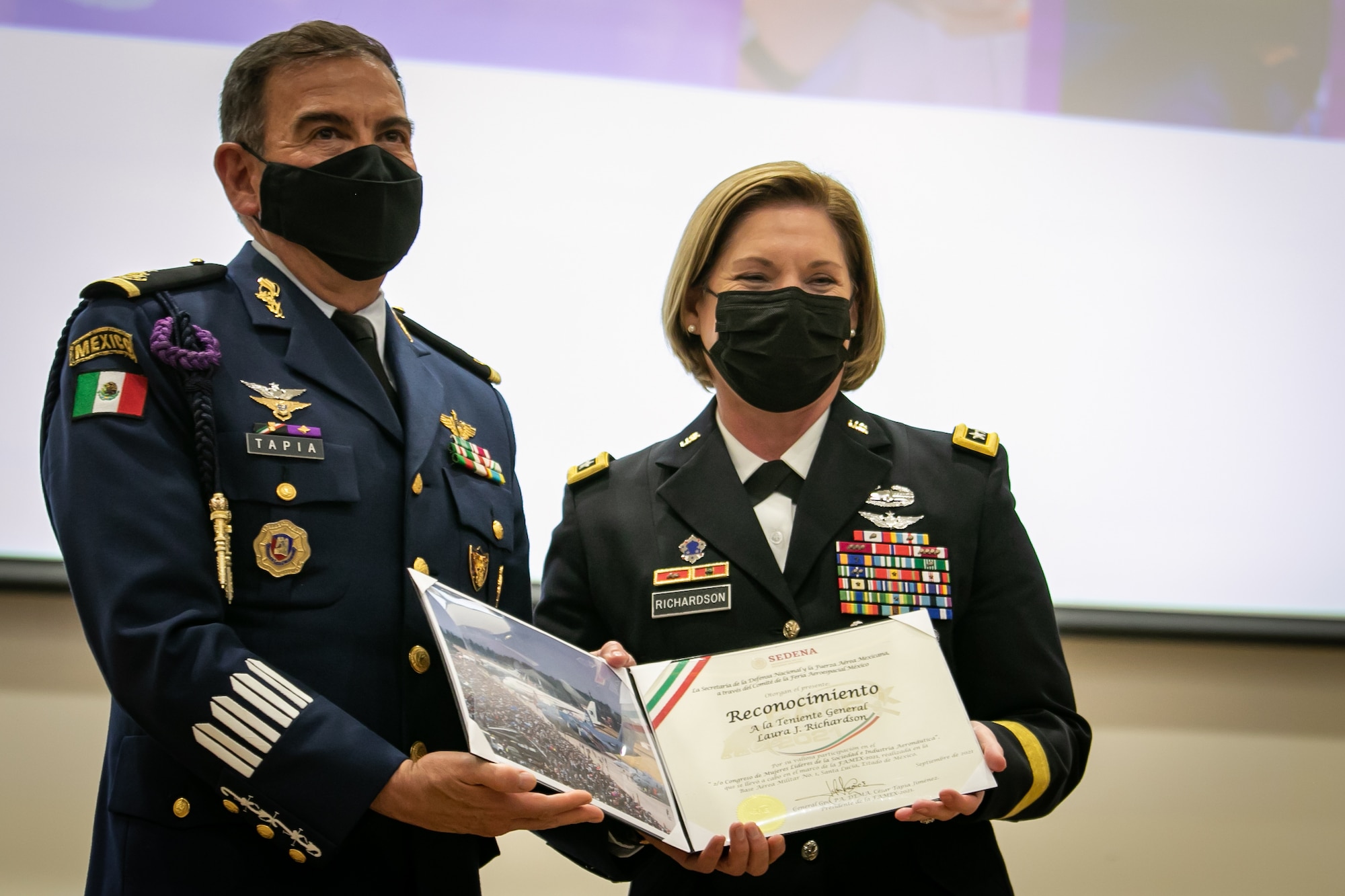
The Mexican military’s education system plays a crucial role in preparing its personnel for diverse roles and responsibilities. It encompasses a multi-tiered structure, with various institutions responsible for delivering training at different levels, ensuring a comprehensive and specialized approach to military education.
Structure and Curriculum
The Mexican military education system is structured into three main levels: officer training, non-commissioned officer training, and specialized training. Each level is tailored to specific career paths and roles within the armed forces.
- Officer Training: The Mexican Army’s Officer Training School (Heroico Colegio Militar) and the Naval Academy (Heroica Escuela Naval Militar) are the primary institutions responsible for training officers. The curriculum emphasizes leadership, strategy, and tactical skills, along with core subjects like history, geography, and international relations. Practical training includes field exercises, weapons handling, and command simulations. Specialized courses cover areas like logistics, communications, and intelligence.
For example, the Heroico Colegio Militar offers a specialized course in counter-narcotics operations, reflecting the evolving security challenges in Mexico.
- Non-Commissioned Officer Training: The Mexican Army and Navy operate numerous training centers for non-commissioned officers (NCOs). These centers provide training in leadership, technical skills, and specific military specialties. The curriculum focuses on developing the necessary skills for NCOs to effectively lead and manage their units. Examples of specialized training include combat engineering, medical services, and logistics support.
- Specialized Training: The Mexican military offers a wide range of specialized training programs, including those for specific branches like aviation, engineering, and communications. These programs are designed to equip personnel with the technical expertise and specialized knowledge required for their specific roles. For example, the Mexican Air Force operates a specialized training center for pilots and aircrew personnel, equipped with advanced simulators and flight training facilities.
Training Programs for Military Personnel
The Mexican military offers a diverse range of training programs designed to meet the specific needs of its personnel. These programs cover various aspects of military operations, from basic combat skills to advanced leadership development and technical expertise.
- Basic Training: This program is mandatory for all new recruits and focuses on instilling fundamental military skills, discipline, and physical fitness. It covers topics like weapons handling, drill and ceremony, first aid, and basic combat tactics. The duration of basic training varies depending on the branch of service and the specific program.
- Advanced Training: After completing basic training, personnel may enroll in advanced training programs tailored to their specific career paths. These programs build upon the skills learned in basic training and focus on developing specialized knowledge and expertise in areas like combat readiness, leadership development, and technical skills. For example, advanced training programs for infantry soldiers might include specialized training in urban warfare, marksmanship, or combat engineering.
- Specialized Training: The Mexican military offers numerous specialized training programs designed to equip personnel with specific skills and knowledge required for their roles. These programs can cover a wide range of areas, including combat medicine, intelligence analysis, logistics management, and communication systems. Specialized training programs may be conducted within Mexico or in collaboration with international partners, providing opportunities for personnel to exchange knowledge and best practices.
Areas for Improvement in Military Education
While the Mexican military education system has undergone significant modernization in recent years, there are still areas for improvement to ensure its effectiveness in meeting the evolving security challenges.
- Curriculum Modernization: The curriculum needs to be regularly reviewed and updated to incorporate the latest advancements in military doctrine, technology, and operational concepts. This includes incorporating new technologies like unmanned aerial vehicles (UAVs), cyberwarfare, and information operations into training programs.
- Training Methods: The military should explore innovative training methods that utilize technology and simulations to enhance realism and effectiveness. This includes incorporating virtual reality (VR) and augmented reality (AR) technologies to provide immersive training experiences.
- Language Proficiency: Given Mexico’s increasing involvement in international peacekeeping operations and collaborations with other countries, improving language proficiency among military personnel is crucial. This can be achieved through language immersion programs and opportunities for international exchanges.
Comparison to Other Military Systems
The Mexican military education system shares similarities with those of other countries, particularly those in Latin America, but also exhibits unique characteristics.
- Similarities: The emphasis on leadership development, core military skills, and practical training is common in military education systems worldwide. Mexico’s focus on counter-narcotics operations aligns with the security concerns of other countries in the region.
- Differences: The Mexican military’s education system reflects its specific historical context and operational priorities. For example, the emphasis on counter-insurgency and counter-narcotics operations is unique to Mexico’s security landscape.
- Potential Benefits: Mexico can benefit from adopting best practices from other countries, particularly those with advanced training programs in areas like cyberwarfare, intelligence analysis, and special operations.
Impact of Military Education on Mexican Society
The Mexican military’s education system not only shapes the skills and perspectives of its personnel but also contributes to the development of Mexican society.
- Civic Engagement: Military personnel often engage in civic activities after their service, contributing to community development, disaster relief efforts, and infrastructure projects. These contributions demonstrate the positive impact of military education on society.
- Collaboration with Civilian Institutions: The Mexican military can collaborate with civilian institutions in areas like education, healthcare, and infrastructure development, leveraging the skills and expertise of its personnel to benefit society.
12. Military Research and Development in Mexico
Mexico’s military research and development (R&D) has evolved over time, driven by various factors and influenced by historical events. This journey has seen the emergence of key programs, government initiatives, and a gradual shift in focus towards modernizing its capabilities.
Historical Evolution of Military R&D in Mexico
The historical evolution of military R&D in Mexico is marked by key milestones, significant programs, and the role of government agencies and institutions in shaping R&D efforts.
- Early Years (19th Century): During the 19th century, Mexico’s military R&D efforts were primarily focused on developing basic weaponry and infrastructure. The focus was on improving artillery, small arms, and basic military technology, often relying on foreign expertise and imports.
- The Mexican Revolution (1910-1920): The Mexican Revolution, while a period of great upheaval, also saw a surge in military innovation. New tactics and strategies were developed, and there was a greater emphasis on developing weapons that were suited to the unique challenges of guerrilla warfare. This period also saw the establishment of the Secretariat of National Defense (SEDENA), which became the central agency for military R&D.
- Post-Revolution Era (1920s-1960s): Following the Revolution, Mexico focused on rebuilding its military infrastructure and modernizing its equipment. The government established military schools and training centers, and there was a growing emphasis on developing indigenous military technology. This era saw the development of the “FAME” (Mexican Armed Forces) aircraft, which were designed and manufactured in Mexico.
- The Cold War (1940s-1990s): The Cold War had a significant impact on Mexican military R&D. Mexico’s strategic position in the Americas and its non-aligned stance during the Cold War led to a focus on developing a strong defense capability. This period saw the development of the “Helios” missile program, a program that aimed to develop a medium-range ballistic missile.
- Post-Cold War Era (1990s-Present): Following the Cold War, Mexico’s military R&D shifted towards addressing new threats, including drug trafficking, organized crime, and internal security challenges. This period saw the development of the “DN-III-E” (National Defense Plan for Emergency Response) and the “SEDENA-E” (Secretariat of National Defense Emergency Response Plan), which aimed to improve the military’s ability to respond to natural disasters and humanitarian crises.
Key Areas of Focus in Current Military R&D in Mexico
Mexico’s current military R&D is driven by a desire to modernize its capabilities and address emerging threats. This involves a focus on several key areas.
| Area of Focus | Description | Examples of Ongoing Research or Development Projects | Key Institutions Involved |
|---|---|---|---|
| Cybersecurity | Developing capabilities to defend against cyberattacks and information warfare threats. |
|
|
| Unmanned Aerial Vehicles (UAVs) | Developing and acquiring UAVs for surveillance, reconnaissance, and intelligence gathering. |
|
|
| Border Security Technology | Developing and deploying advanced technologies for border security, including surveillance systems, sensors, and communication networks. |
|
|
| Counter-narcotics Technology | Developing and deploying technologies to combat drug trafficking, including intelligence gathering, surveillance, and interdiction capabilities. |
|
|
Impact of R&D on the Mexican Military’s Capabilities
Military R&D has significantly impacted the Mexican military’s capabilities in various ways.
- Technology Advancement: R&D has contributed to the modernization of the Mexican military’s equipment, weapons systems, and operational technologies. This includes the acquisition of advanced UAVs, the development of new communication systems, and the deployment of modern surveillance and sensor technologies. These advancements have enhanced the military’s ability to gather intelligence, conduct surveillance, and respond to threats effectively.
- Doctrine and Tactics: R&D has also influenced the development of new military doctrines and tactics. The focus on asymmetric warfare, counter-narcotics operations, and border security has led to the development of new strategies and tactics that are tailored to these specific challenges. This has also impacted training and exercises, with a greater emphasis on simulating real-world scenarios and developing the skills necessary to operate in complex environments.
- Interoperability: R&D has also played a role in improving the interoperability of the Mexican military with regional and international partners. The development of standardized communication systems and the adoption of common operational procedures have facilitated closer cooperation with other countries in areas such as counter-narcotics operations and border security.
- Cybersecurity and Information Warfare: R&D has been crucial in addressing the growing threats posed by cyberwarfare and information warfare in the 21st century. The Mexican military has invested in developing cybersecurity capabilities, training personnel, and conducting research into cyber defense strategies. This has been essential in protecting critical infrastructure and military networks from cyberattacks.
Effectiveness of Mexico’s Military R&D Investment
The effectiveness of Mexico’s military R&D investment is a complex issue. While there have been notable advancements in certain areas, such as cybersecurity and UAV technology, the overall impact of R&D on the military’s capabilities is still under development.
- Resource Allocation: The allocation of resources to different areas of R&D has been a key factor in determining the effectiveness of investment. While some areas, such as cybersecurity, have received significant attention, others, such as the development of indigenous weapons systems, have received less funding. This uneven allocation of resources has had an impact on the overall progress of military R&D in Mexico.
- Impact on Capabilities: The impact of R&D investment on the military’s overall capabilities is still evolving. While some advancements, such as the acquisition of advanced UAVs, have had a direct impact on operational effectiveness, other areas, such as the development of new doctrines and tactics, are still under development. The full impact of R&D investment on the military’s capabilities will likely take several years to fully realize.
- Return on Investment: The return on investment in terms of operational effectiveness and strategic advantage is a key factor in evaluating the effectiveness of military R&D. While it is difficult to quantify the return on investment in R&D, it is clear that some investments, such as those in cybersecurity and border security technologies, have yielded tangible benefits. Other investments, such as those in indigenous weapons development, may take longer to show a return on investment.
- Future Growth and Innovation: The potential for future growth and innovation in military R&D is a critical factor in assessing the long-term effectiveness of investment. Mexico’s military has a strong foundation in R&D, and there is a growing emphasis on leveraging emerging technologies, such as artificial intelligence and robotics, to enhance capabilities. This focus on innovation and the development of cutting-edge technologies will be crucial for ensuring the future effectiveness of Mexico’s military.
Challenges and Opportunities Facing Military R&D in Mexico
Mexico’s military R&D faces a number of challenges and opportunities.
- Budgetary Constraints: Limited resources are a major challenge facing military R&D in Mexico. The Mexican government faces competing priorities for its budget, and military R&D is often competing with other essential programs. This can limit the scope and ambition of military R&D programs, as well as the ability to acquire advanced technologies and equipment.
- Technological Dependence: Mexico’s reliance on foreign technology and expertise is another challenge. While the Mexican military has made efforts to develop indigenous capabilities, it still relies heavily on foreign suppliers for key technologies and equipment. This dependence can create vulnerabilities and make it difficult to develop truly independent military capabilities.
- Collaboration and Knowledge Sharing: Enhancing collaboration and knowledge sharing within the Mexican military and with international partners is essential for strengthening R&D capabilities. This involves developing mechanisms for sharing best practices, conducting joint research projects, and promoting the exchange of expertise. Greater collaboration can help Mexico overcome its resource constraints and access cutting-edge technologies and expertise.
- Emerging Technologies: Mexico has the opportunity to leverage advancements in artificial intelligence, robotics, and other emerging technologies to enhance its military capabilities. Investing in research and development in these areas can help Mexico develop new weapons systems, improve intelligence gathering, and enhance operational effectiveness. This will require a commitment to investing in education, training, and research in these fields.
- Private Sector Partnerships: Fostering partnerships with private sector companies can be a valuable source of expertise and resources for military R&D. Private sector companies have access to advanced technologies, engineering capabilities, and research and development expertise that can be leveraged to enhance the military’s capabilities. This requires establishing clear mechanisms for collaboration and ensuring that intellectual property rights are protected.
- International Cooperation: Participating in international research and development initiatives can provide Mexico with access to cutting-edge technologies and expertise. This involves collaborating with other countries on joint research projects, sharing best practices, and participating in international forums. International cooperation can help Mexico overcome its resource constraints and gain access to the latest technologies and expertise.
Military Technology and Innovation
The Mexican military has been actively embracing new technologies to enhance its capabilities and adapt to the evolving security landscape. These advancements have significantly impacted military operations, leading to improved efficiency, effectiveness, and responsiveness.
Adoption of New Technologies
The Mexican military has been actively adopting new technologies across various domains, including:
- Unmanned Aerial Vehicles (UAVs): The Mexican military has been using UAVs for surveillance, reconnaissance, and even limited strike operations. These unmanned systems offer cost-effectiveness and reduced risk to personnel in dangerous situations. For instance, the Mexican Navy utilizes ScanEagle UAVs for maritime patrol and surveillance, while the Army deploys smaller systems for reconnaissance missions.
- Information Technology (IT): The Mexican military has been investing in advanced IT systems to improve communication, data analysis, and intelligence gathering. This includes upgrading command and control systems, deploying secure communication networks, and integrating intelligence databases. For example, the Mexican Army has implemented a Geographic Information System (GIS) to support its operations and manage logistics.
- Cybersecurity: With the increasing reliance on technology, the Mexican military has recognized the importance of cybersecurity. They are investing in cyber defense capabilities to protect their critical infrastructure and sensitive data from cyber threats. The Mexican government has established the National Cyber Security Center to coordinate cybersecurity efforts across different government agencies, including the military.
Impact of Technological Advancements
Technological advancements have significantly impacted military operations in Mexico, leading to:
- Improved Situational Awareness: UAVs and other sensor systems provide real-time data, enhancing situational awareness and allowing for more informed decision-making. This enables commanders to respond quickly to emerging threats and better manage resources.
- Enhanced Precision and Effectiveness: Advanced weapons systems, such as precision-guided munitions, improve the accuracy of strikes, minimizing collateral damage and maximizing operational effectiveness. This is particularly crucial in urban environments or complex terrain where civilian casualties need to be avoided.
- Increased Operational Efficiency: Technology can streamline logistics, communication, and intelligence gathering, improving overall operational efficiency. This allows for better resource allocation and quicker response times to emerging threats.
Future Technology Investments
The Mexican military recognizes the need to continue investing in emerging technologies to maintain its operational edge. Areas of future investment may include:
- Artificial Intelligence (AI): AI can be used to automate tasks, improve decision-making, and enhance intelligence analysis. This includes applications like target identification, threat prediction, and autonomous systems. The Mexican military is exploring AI applications in various domains, including logistics, cybersecurity, and intelligence.
- Robotics and Automation: Robots and autonomous systems can perform dangerous tasks, reducing risk to personnel. This includes applications in bomb disposal, reconnaissance, and even combat operations. The Mexican military is investigating the use of robots for various missions, particularly in hazardous environments.
- Space-based Technologies: Satellite imagery and communications can provide valuable information and support for military operations. The Mexican military is exploring the use of satellites for reconnaissance, navigation, and communication, especially in remote areas.
Military Leadership and
The Mexican military has a long and storied history, and its leadership has played a significant role in shaping the country’s destiny. From the days of the Mexican Revolution to the present, military leaders have navigated a complex landscape of political turmoil, economic challenges, and international relations. This section delves into the selection, training, leadership styles, and challenges faced by military leaders in Mexico.
Selection and Training of Military Leaders
The Mexican military has a well-defined system for selecting and training its leaders. Aspiring officers undergo rigorous academic and physical training at military academies. The selection process emphasizes academic excellence, physical fitness, leadership potential, and a strong sense of patriotism. The primary military academy is the Heroico Colegio Militar (Heroic Military College), which trains officers for all branches of the armed forces.
Other specialized academies include the Naval Military Academy, the Air Force Academy, and the Military Academy of Logistics. These academies provide a comprehensive education in military strategy, tactics, leadership, and ethics. Upon graduation, officers typically begin their careers in junior leadership roles, where they gain practical experience and develop their skills. Promotion to higher ranks is based on a combination of merit, seniority, and performance in various assignments.
The Mexican military also emphasizes continuous professional development through advanced courses, seminars, and staff colleges.
Leadership Styles and Qualities of Prominent Military Figures
Throughout history, the Mexican military has been led by individuals with diverse leadership styles and qualities. Some notable examples include:
- General Álvaro Obregón (1880-1928): A pivotal figure in the Mexican Revolution, Obregón was known for his strategic brilliance and charisma. He was a skilled military tactician who led his forces to victory in several key battles. He later served as President of Mexico, promoting social reforms and economic development.
- General Lázaro Cárdenas del Río (1895-1970): A revolutionary general who became President of Mexico in 1934, Cárdenas is remembered for his nationalistic policies and his commitment to social justice. He nationalized the oil industry, promoted agrarian reform, and strengthened the military’s role in national development.
- General Manuel Ávila Camacho (1897-1955): A prominent military figure during the Cristero War, Ávila Camacho later became President of Mexico, where he focused on economic recovery and modernization. He played a key role in strengthening the military’s capabilities and establishing a more professional and disciplined force.
Challenges and Opportunities for Military Leadership
The Mexican military faces several challenges in the 21st century. These include:
- Organized Crime and Drug Trafficking: Mexico’s ongoing struggle against organized crime and drug trafficking presents a significant challenge for military leadership. The military plays a crucial role in combating these threats, requiring effective coordination with other law enforcement agencies and intelligence sharing.
- Cybersecurity Threats: The increasing sophistication of cyberattacks poses a growing threat to national security. Military leaders must develop strategies to protect critical infrastructure and respond effectively to cyber threats.
- Maintaining Public Trust: The military’s role in combating organized crime has sometimes raised concerns about human rights violations. Military leaders must strive to maintain public trust and ensure that their operations are conducted ethically and with respect for the rule of law.
- Budgetary Constraints: Mexico’s military budget is relatively modest compared to those of other major powers. Military leaders face the challenge of maximizing their resources to maintain a capable and modern force.
- Modernization and Technological Advancement: The rapid pace of technological advancement requires the military to invest in modernization and training to stay ahead of potential adversaries. This includes acquiring new equipment, developing advanced capabilities, and adapting to emerging technologies.
15. Military Ethics and Professionalism

The Mexican military, like all armed forces, operates within a framework of ethical standards and codes of conduct that guide its actions and shape its interactions with society. These principles are essential for maintaining public trust, upholding human rights, and ensuring the legitimacy of military operations.
Ethical Standards and Codes of Conduct
The Mexican military’s ethical framework is rooted in core principles such as duty, honor, integrity, and loyalty. These principles are enshrined in the military’s code of conduct, which serves as a guide for all personnel. The code emphasizes the importance of upholding the law, respecting human rights, and acting with professionalism and restraint.
- Duty: This principle emphasizes the unwavering commitment of military personnel to serve their country and fulfill their assigned responsibilities. It involves a sense of obligation to protect national security and the well-being of citizens.
- Honor: Honor represents the reputation and integrity of the military, which is built upon upholding ethical standards and demonstrating courage, discipline, and selflessness. It is essential for maintaining public trust and respect for the armed forces.
- Integrity: This principle emphasizes honesty, fairness, and adherence to ethical principles in all actions and decisions. It involves acting with transparency and accountability, even in challenging situations.
- Loyalty: Loyalty refers to the unwavering commitment to the nation, the military, and fellow soldiers. It involves prioritizing the interests of the country and upholding the values and principles of the armed forces.
The ethical standards governing the Mexican military have evolved over time, reflecting changes in the country’s political landscape and military doctrine. For example, the emphasis on human rights and the rule of law has become increasingly prominent in recent decades, reflecting a shift towards a more democratic and accountable military. Examples of how these ethical standards are applied in real-world scenarios include:
- Respect for human rights: During counter-insurgency operations, the Mexican military has been instructed to prioritize the protection of civilian lives and minimize collateral damage. This involves using restraint in the use of force, adhering to the principles of proportionality and distinction, and respecting the rights of detainees.
- Accountability for misconduct: Cases of human rights abuses by military personnel have been investigated and prosecuted, demonstrating the commitment to holding individuals accountable for violations of ethical standards.
- Transparency in operations: The Mexican military has made efforts to improve transparency by providing more information to the public about its operations, including the use of force and the results of investigations into alleged misconduct.
Impact of Ethical Considerations on Military Operations
Ethical considerations play a crucial role in shaping the planning, execution, and decision-making processes of Mexican military operations.
- Planning and execution: Ethical considerations influence the targeting of military operations, aiming to minimize collateral damage and civilian casualties. They also guide the use of force, emphasizing proportionality and restraint.
- Human rights: Ethical considerations are central to safeguarding human rights during military operations. This involves adhering to international law, respecting the rights of civilians, prisoners of war, and refugees, and ensuring fair treatment for all individuals.
- Decision-making: Ethical frameworks provide guidance for military leaders in challenging situations, such as dealing with potential threats, civilian casualties, and the use of lethal force. They encourage ethical reasoning, emphasizing the importance of considering all potential consequences and upholding the principles of justice and humanity.
Measures for Promoting Professionalism and Accountability
The Mexican military has implemented various measures to promote professionalism and accountability within its ranks.
- Training and education: Military training programs and education initiatives emphasize ethical conduct and professional standards. They provide instruction on human rights, international law, the code of conduct, and the importance of ethical decision-making.
- Accountability mechanisms: The Mexican military has established internal investigation units and disciplinary procedures to address misconduct and hold individuals accountable for violations of ethical standards.
- Transparency and public trust: The military’s commitment to transparency and public communication is essential for building trust and fostering ethical behavior. This involves providing information about its operations, addressing concerns raised by the public, and holding itself accountable for its actions.
FAQs
What is the current size of the Mexican military?
The Mexican military has a total active-duty personnel strength of approximately 215,000, making it one of the largest militaries in Latin America.
What are the main threats facing the Mexican military?
The Mexican military faces significant challenges, including drug trafficking, organized crime, and the potential for transnational terrorism. It also confronts the need for modernization to keep pace with technological advancements in the global security landscape.
How does the Mexican military compare to other regional militaries?
The Mexican military is considered a significant force in Latin America, with a strong focus on internal security and counter-narcotics operations. It has a modernizing equipment inventory and is actively involved in international peacekeeping missions.
What is the role of the Mexican military in international security?
The Mexican military actively participates in international peacekeeping missions, particularly in Latin America and the Caribbean. It also engages in joint exercises and training programs with other countries to enhance regional security cooperation.

Welcome to my website! Here’s a brief introduction about me.
I am Charles Pham, a passionate individual with a diverse range of interests and experiences. Throughout my life, I have pursued my curiosity and embraced various opportunities that have shaped me into the person I am today.
