Army fatigue stacked pants, a staple in military wardrobes for decades, are more than just utilitarian garments. They represent a fascinating blend of practicality and historical significance, evolving alongside the demands of warfare and influencing fashion trends both on and off the battlefield.
From their origins in the early 20th century to their modern variations, these pants have witnessed the changing landscape of military operations and the shifting tides of cultural influence. Their design, materials, and construction have undergone significant transformations, reflecting advancements in technology and the evolving needs of soldiers.
History of Army Fatigue Stacked Pants
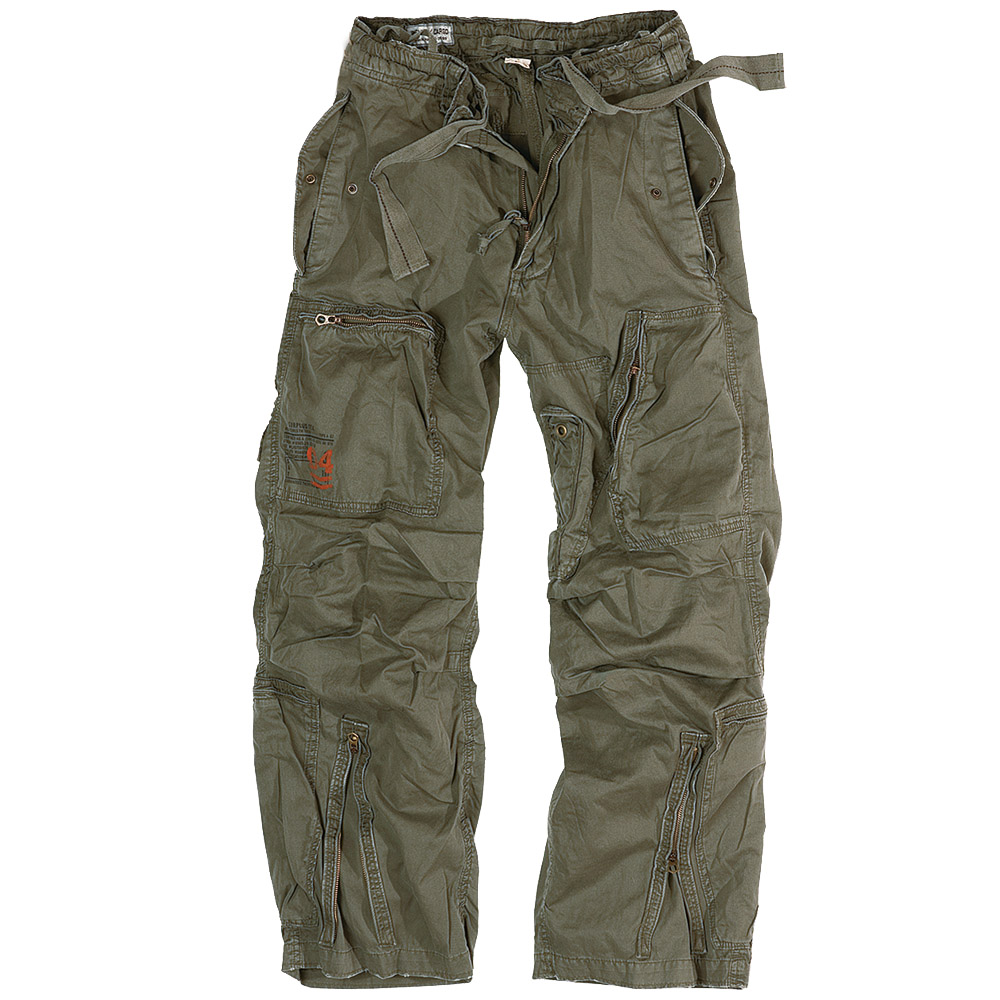
Army fatigue stacked pants, also known as “fatigue trousers,” have a rich history that stretches back to the early 20th century. These durable and practical pants were initially designed for military personnel, serving as a functional and comfortable uniform piece for various tasks and environments.
Origins and Intended Purpose
The concept of fatigue pants originated during World War I, with the need for a more comfortable and functional uniform for soldiers. Prior to this, military uniforms were often stiff and restrictive, hindering movement and performance. The early versions of fatigue pants were made from durable cotton twill, offering greater freedom of movement and durability compared to traditional wool uniforms.
Their primary purpose was to provide a comfortable and practical garment for soldiers engaged in various military operations, including combat, training, and everyday duties.
Evolution of Design and Materials
Over the decades, army fatigue stacked pants have undergone significant design and material advancements. Key innovations include:
- Introduction of Ripstop Fabric:In the 1950s, ripstop fabric, a lightweight and tear-resistant material, was introduced, further enhancing the durability and longevity of fatigue pants. This innovation made them even more suitable for demanding military operations.
- Development of Improved Pockets:The design of pockets on fatigue pants has evolved over time, with the addition of cargo pockets, utility pockets, and specialized compartments for carrying essential equipment. These advancements made fatigue pants more practical for carrying tools, ammunition, and other necessary items.
- Adoption of Synthetic Materials:In recent decades, synthetic materials such as nylon and polyester have been incorporated into fatigue pants, providing increased water resistance, moisture-wicking properties, and improved performance in extreme weather conditions.
Use in Historical Events and Conflicts
Army fatigue stacked pants have played a significant role in various historical events and conflicts. They were widely used during World War II, the Korean War, the Vietnam War, and numerous other military operations.
“During the Vietnam War, fatigue pants became a symbol of American military strength and resilience. Their durability and functionality made them a staple uniform piece for soldiers operating in the challenging jungle terrain.”
The use of fatigue pants in these conflicts highlights their adaptability and suitability for various military environments.
Design and Functionality of Army Fatigue Stacked Pants

Army fatigue stacked pants are a classic example of military design, blending functionality with durability. These pants, commonly worn by soldiers in the US Army, feature a distinctive stacked design and numerous pockets, making them ideal for carrying gear and equipment in various environments.
Key Design Features, Army fatigue stacked pants
The design of army fatigue stacked pants prioritizes practicality and functionality. These pants are typically made from durable cotton twill or a blend of cotton and polyester, offering resistance to tears and abrasions. They feature a straight-leg fit with a relaxed, comfortable feel.
- Pockets:The pants boast multiple pockets, including two large cargo pockets on each leg, two back pockets, and two smaller front pockets. These pockets are strategically placed to accommodate various items, from maps and compasses to ammunition and personal gear.
- Cargo Loops:The cargo pockets often feature reinforced loops or straps, designed to securely hold additional equipment, such as water bottles or utility pouches.
- Reinforced Seams:Key areas like the crotch and knees are reinforced with double seams to withstand heavy use and prevent tearing.
- Belt Loops:Durable belt loops are incorporated for secure fastening of a belt, allowing for a comfortable and adjustable fit.
Stacked Design and Functionality
The stacked design of army fatigue stacked pants offers distinct advantages in terms of flexibility and functionality. The extra fabric layers around the knees and thighs provide added durability and protection against wear and tear. This design also allows for greater freedom of movement, particularly when kneeling or crouching.
Comparison to Other Military Pants
Army fatigue stacked pants share similarities with other military pants, such as BDUs (Battle Dress Uniform) and ACUs (Army Combat Uniform). These pants are designed for similar purposes and typically incorporate features like cargo pockets and reinforced seams. However, army fatigue stacked pants differ in their stacked design, which provides additional durability and flexibility compared to other military pants.
Materials and Construction of Army Fatigue Stacked Pants
Army fatigue stacked pants are built to withstand the rigors of military service, and their construction reflects this purpose. The choice of materials and manufacturing processes play a crucial role in ensuring durability, comfort, and functionality.
Materials Used in Army Fatigue Stacked Pants
The materials used in army fatigue stacked pants vary depending on the specific requirements of the military branch and the intended use of the garment. However, some common materials include:
- Cotton:A natural fiber known for its breathability, comfort, and absorbency. Cotton is often blended with other fibers to enhance its durability and wrinkle resistance. However, pure cotton can shrink significantly when washed, and it may not be as resistant to abrasion as other materials.
- Polyester:A synthetic fiber that is highly durable, wrinkle-resistant, and quick-drying. Polyester is often blended with cotton to improve the garment’s performance and longevity. However, polyester can be less breathable than cotton, and it may not be as comfortable in hot and humid conditions.
- Nylon:Another synthetic fiber known for its strength, durability, and abrasion resistance. Nylon is often used in areas of the pants that experience high wear, such as the knees and seat. Nylon can be less breathable than cotton or polyester, and it can be prone to snagging.
- Ripstop:A lightweight fabric woven with thicker threads at regular intervals, creating a grid pattern. Ripstop is highly resistant to tearing and ripping, making it suitable for use in military clothing. Ripstop fabrics can be made from cotton, polyester, or nylon.
Manufacturing Processes of Army Fatigue Stacked Pants
The manufacturing process for army fatigue stacked pants involves several steps, from fabric selection to stitching techniques:
- Fabric Selection:The type of fabric used in army fatigue stacked pants is determined by the specific requirements of the military branch and the intended use of the garment. For example, pants intended for combat may use a more durable and abrasion-resistant fabric, while pants intended for training may use a lighter and more breathable fabric.
- Cutting:The fabric is cut into specific patterns to create the various pieces of the pants. These patterns are carefully designed to ensure a proper fit and allow for the necessary movement.
- Sewing:The cut pieces of fabric are then sewn together using heavy-duty stitching techniques. This process ensures that the pants are durable and can withstand the rigors of military service. Specific stitching techniques are used to create reinforced seams in areas of high wear, such as the crotch and the knees.
- Finishing:Once the pants are sewn, they are finished with various details, such as buttons, zippers, and pockets. These details are also carefully selected and manufactured to meet the specific requirements of the military branch.
Standards and Regulations Governing Construction
The construction of army fatigue stacked pants is subject to strict standards and regulations in different countries. These standards ensure that the pants meet specific requirements for durability, functionality, and safety. For example, the U.S. military specifies the types of fabrics, stitching techniques, and hardware that can be used in the construction of army fatigue stacked pants.
These standards are designed to ensure that the pants can withstand the rigors of combat and provide adequate protection for soldiers.
Military Applications of Army Fatigue Stacked Pants
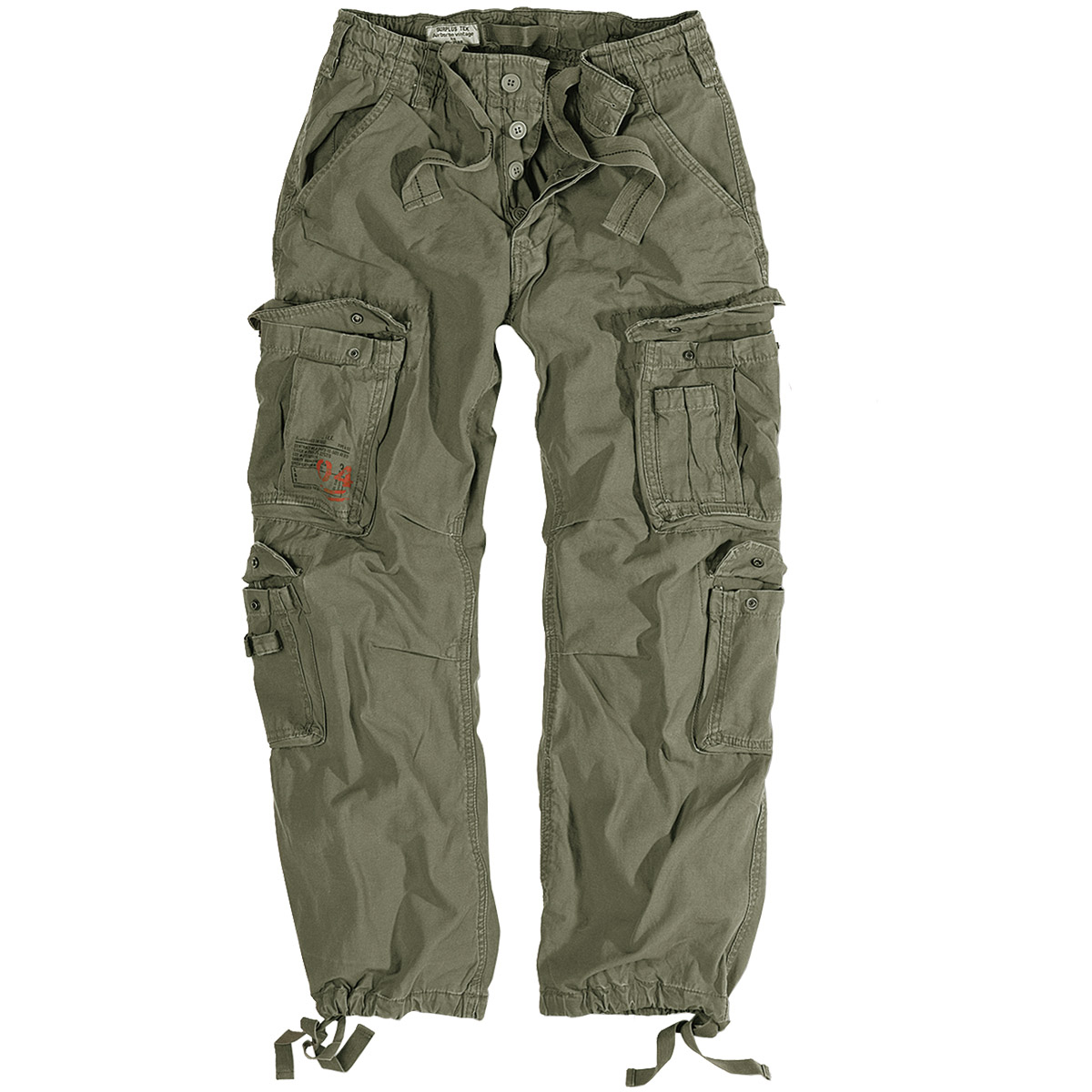
Army fatigue stacked pants, a staple in military uniforms for decades, have proven their worth in various military contexts. Their design, incorporating multiple pockets and durable materials, caters to the specific needs of soldiers across different branches and units.
Combat Applications
The rugged construction and multiple pockets of army fatigue stacked pants make them ideal for combat situations. The cargo pockets can accommodate essential gear like ammunition, grenades, and medical supplies, providing soldiers with quick access to critical items during combat engagements.
The reinforced knees and seat withstand the rigors of crawling and maneuvering through challenging terrain. For example, during the Vietnam War, soldiers relied heavily on army fatigue stacked pants for their durability and practicality in the dense jungle environments.
Training Applications
Army fatigue stacked pants are widely used in military training exercises, allowing soldiers to familiarize themselves with the functionality and comfort of the pants before deployment. The numerous pockets and utility loops provide ample space for carrying training equipment and tools, while the durable fabric withstands the demands of rigorous physical training.
For instance, recruits undergoing basic training often wear army fatigue stacked pants during obstacle courses, live-fire exercises, and field maneuvers, preparing them for the realities of combat.
Support Roles
Army fatigue stacked pants are not limited to combat and training; they are also used by personnel in support roles. Mechanics, logistics specialists, and medical personnel often wear these pants, utilizing their pockets for carrying tools, equipment, and supplies necessary for their tasks.
The durable fabric protects them from wear and tear while working in various environments.
Advantages and Disadvantages
Army fatigue stacked pants offer several advantages in military settings, including durability, versatility, and ample storage space. However, they can be bulky and heavy, potentially hindering movement in certain situations. Additionally, the large number of pockets can make it challenging to move silently, compromising stealth operations.
Civilian Use of Army Fatigue Stacked Pants
The rugged practicality of army fatigue stacked pants, originally designed for military use, has transcended the battlefield and found a place in civilian life, becoming a staple in workwear, casual wear, and even fashion. The appeal of these pants lies in their durability, functionality, and unique aesthetic, which has made them a popular choice for individuals seeking comfort, style, and a touch of military-inspired cool.
Adoption of Army Fatigue Stacked Pants in Civilian Life
The adoption of army fatigue stacked pants in civilian life has been a gradual process, driven by a combination of factors, including practicality, affordability, and cultural influences. These pants have been embraced by various segments of society, each finding their own unique appeal in their design and functionality.
- Workwear:Their durability and practicality make them ideal for laborers, construction workers, and other professionals requiring sturdy and functional clothing. The multiple pockets provide ample storage for tools and equipment, while the robust fabric withstands wear and tear.
- Casual Wear:The comfort and versatility of army fatigue stacked pants have made them a popular choice for casual wear, particularly among those who appreciate a relaxed and utilitarian style. They can be paired with a variety of tops, from t-shirts to flannels, and are suitable for various activities, from weekend outings to running errands.
- Fashion:Army fatigue stacked pants have also made their way into the world of fashion, embraced by designers and fashion enthusiasts alike. Their unique aesthetic, with its military-inspired details and rugged appeal, has been incorporated into high-fashion collections, street style, and subcultures.
Appeal of Army Fatigue Stacked Pants to Civilians
The appeal of army fatigue stacked pants to civilians stems from their inherent qualities, which make them both practical and stylish.
Army fatigue stacked pants are a staple in the military wardrobe, offering both durability and practicality. While they might seem like a simple piece of clothing, their design is closely linked to the need for efficient movement and storage.
Knowing how to navigate the terrain is crucial, and the land navigation army powerpoint provides a comprehensive guide to essential skills. This knowledge, coupled with the practicality of army fatigue stacked pants, ensures soldiers are equipped to conquer any challenge, whether it’s a grueling training exercise or a real-world mission.
- Durability:The robust construction of these pants, using heavy-duty materials and reinforced seams, ensures they can withstand wear and tear, making them a long-lasting investment.
- Practicality:The multiple pockets, cargo loops, and adjustable waistbands offer ample storage and functionality, making them suitable for various activities and situations.
- Aesthetic Appeal:The military-inspired design of army fatigue stacked pants exudes a rugged and utilitarian aesthetic that has become increasingly popular in contemporary fashion, offering a unique and distinctive look.
Evolution of Army Fatigue Stacked Pants in Civilian Fashion
The evolution of army fatigue stacked pants in civilian fashion reflects broader cultural trends and shifts in style preferences.
- Early Adoption:The early adoption of army fatigue stacked pants in civilian fashion was largely driven by practical considerations, with workers and outdoors enthusiasts embracing their durability and functionality.
- Counterculture Influence:The 1960s and 1970s saw a surge in the popularity of army fatigue stacked pants as a symbol of counterculture and rebellion against mainstream fashion.
- Streetwear Influence:In the 1990s and 2000s, army fatigue stacked pants became a staple in streetwear culture, embraced by hip-hop artists and urban fashion enthusiasts.
- High Fashion Influence:In recent years, army fatigue stacked pants have been embraced by high-fashion designers, who have incorporated their military-inspired aesthetic into their collections, adding a touch of ruggedness and edge to their designs.
Cultural Significance of Army Fatigue Stacked Pants
Army fatigue stacked pants have transcended their utilitarian origins to become a powerful symbol across various cultural contexts, reflecting everything from military service to rebellion and counterculture. Their enduring presence in popular culture and their ability to represent different social groups and ideologies make them a fascinating subject of study.
Association with Military Service
Army fatigue stacked pants are intrinsically linked to military service. Their history as a practical garment worn by soldiers in the field has imbued them with a sense of strength, resilience, and patriotism. The association with military service can evoke feelings of respect, admiration, and even nostalgia, particularly in countries with a strong military tradition.
For many veterans, these pants hold a special significance as a reminder of their service and sacrifice.
Rebellion and Counterculture
Beyond their military origins, army fatigue stacked pants have also been adopted as a symbol of rebellion and counterculture. During the 1960s and 1970s, they were embraced by anti-war protesters, hippies, and other groups challenging societal norms. The adoption of these pants as a symbol of rebellion was partly due to their association with the military, which was seen as an institution of authority and oppression.
By wearing army fatigue stacked pants, these groups were making a statement against the status quo and expressing their desire for change.
Popular Culture
Army fatigue stacked pants have made their way into various forms of popular culture, further solidifying their cultural significance. They have appeared in countless movies, music videos, and television shows, often serving as a visual cue for characters associated with rebellion, ruggedness, or a working-class background.
For instance, the iconic character of John Rambo, played by Sylvester Stallone, is almost always seen wearing army fatigue stacked pants, reflecting his tough and rebellious nature.
Representing Different Social Groups
Army fatigue stacked pants have also been used to symbolize different social groups and ideologies. In some subcultures, they are associated with working-class values, practicality, and a sense of community. In other contexts, they may be seen as a symbol of environmentalism or social justice.
The way in which army fatigue stacked pants are used to represent different social groups can vary depending on the specific context and the individuals involved.
Modern Variations of Army Fatigue Stacked Pants

The classic army fatigue stacked pants, born out of the necessity for durability and functionality, have undergone a significant evolution in the modern era. While the core principles of practicality and resilience remain, contemporary variations showcase the integration of advanced materials, innovative designs, and cutting-edge technologies.
Modern Materials and Designs
Modern army fatigue stacked pants are crafted using a wide range of materials, each offering unique benefits in terms of performance, comfort, and durability. The traditional cotton canvas has been largely replaced by high-performance fabrics like nylon, polyester, and blends.
These synthetic materials are lighter, more breathable, and offer superior water resistance and tear strength, making them ideal for demanding military operations.
- Nylon: Known for its exceptional durability, nylon is often used in the construction of high-performance army fatigue stacked pants. It is highly resistant to abrasion and tearing, making it suitable for challenging environments. Nylon is also lightweight and dries quickly, ensuring comfort during extended periods of wear.
- Polyester: Polyester is another popular choice for modern army fatigue stacked pants due to its wrinkle resistance, water repellency, and exceptional strength. It is also known for its fade resistance, ensuring the pants maintain their appearance even after repeated wear and washing.
- Blends: Blends of nylon and polyester, or even cotton and synthetic fibers, are commonly used to combine the best properties of each material. These blends offer enhanced durability, breathability, and moisture management, making them ideal for various military applications.
The design of modern army fatigue stacked pants has also evolved to incorporate advanced features that enhance performance and comfort. These features include:
- Articulated Knees: Articulated knees allow for greater freedom of movement, particularly during activities that require kneeling or crouching. This design feature ensures optimal comfort and flexibility.
- Gusseted Crotch: A gusseted crotch provides additional room in the groin area, allowing for greater freedom of movement and reducing chafing during extended wear. This design element is particularly important for activities that involve a lot of bending and stretching.
- Cargo Pockets: Modern army fatigue stacked pants often feature multiple cargo pockets, strategically placed for easy access to essential gear. These pockets are typically reinforced for added durability and can be secured with flaps or zippers to prevent the loss of valuable items.
- Zippered Fly: The traditional button fly has been largely replaced by a zippered fly in modern army fatigue stacked pants. This design provides a more secure and convenient closure, especially in demanding environments.
Technological Advancements
Modern army fatigue stacked pants are not just about fabric and design; they are also incorporating advanced technologies to enhance their performance and functionality. These technological advancements include:
- Moisture-Wicking Technology: Moisture-wicking fabrics are designed to draw sweat away from the skin, keeping the wearer cool and dry even during strenuous activity. This technology is essential for maintaining comfort and preventing chafing in hot and humid environments.
- Water-Resistant Coatings: Water-resistant coatings are applied to the fabric of modern army fatigue stacked pants to provide protection from light rain and moisture. These coatings help keep the wearer dry and comfortable in various weather conditions.
- Insect-Repellent Treatments: Some modern army fatigue stacked pants are treated with insect-repellent chemicals to provide protection against biting insects. This feature is particularly important in areas where mosquitoes, ticks, or other insects are prevalent.
- Infrared Signature Reduction: Modern military operations often require soldiers to minimize their infrared signature to avoid detection by enemy thermal imaging devices. Some army fatigue stacked pants are designed with fabrics and coatings that reduce their infrared signature, making them less visible to thermal cameras.
FAQ
Are army fatigue stacked pants still used in the military today?
Yes, many militaries around the world still use variations of army fatigue stacked pants, though modern designs often incorporate new materials and technologies.
What are the main differences between modern and historical army fatigue stacked pants?
Modern army fatigue stacked pants are often made with more lightweight and durable materials, such as ripstop nylon, and feature updated design elements like reinforced knees and improved pocket configurations.
Where can I buy authentic army fatigue stacked pants?
You can find authentic army fatigue stacked pants from various online retailers specializing in military surplus or vintage clothing. You can also check local military surplus stores.
Are army fatigue stacked pants comfortable to wear?
The comfort of army fatigue stacked pants depends on the specific design and materials used. Some designs can be quite comfortable for everyday wear, while others may be more suited for specific tasks.

Whitney Morris is a renowned author with a passion for military history and strategic analysis. Born in Jakarta, Indonesia, Defense developed a deep fascination for warfare and national defense from a young age. His unwavering interest in military strategy, combined with his natural storytelling ability, has earned him a reputation as an engaging and insightful writer in the field.
