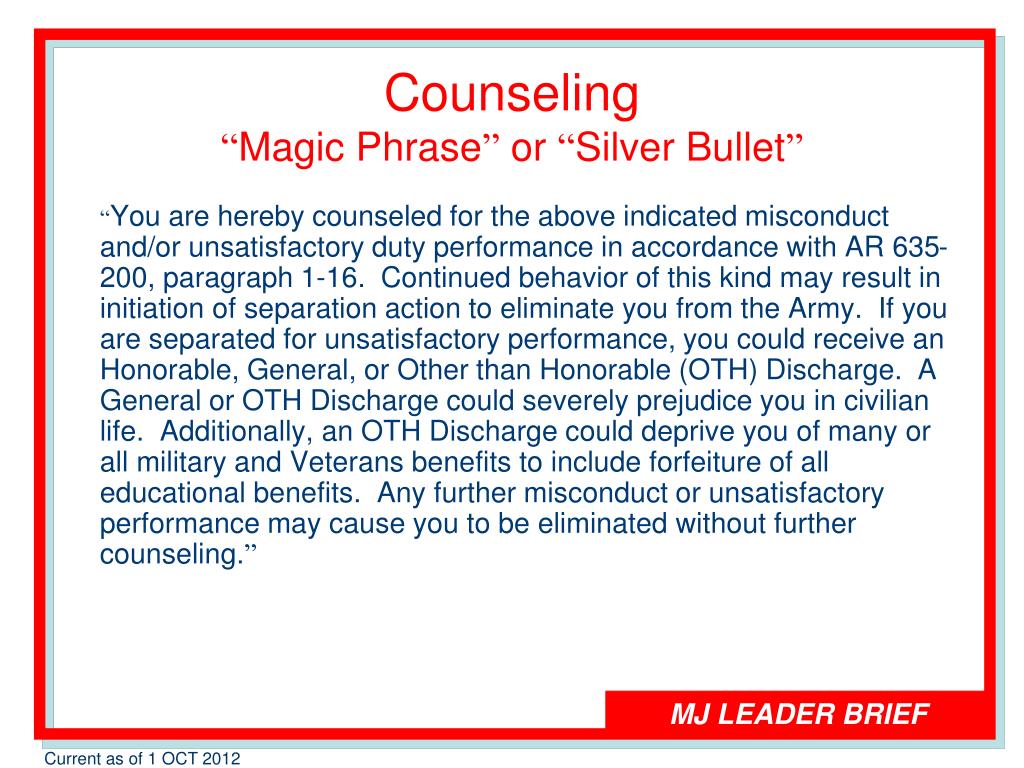
Army counseling magic bullet statements, often touted as quick fixes for behavioral issues, are phrases designed to elicit immediate change. While they might appear appealing for their directness, the use of such statements in military counseling raises ethical concerns and can have unintended consequences on soldier well-being.
This article explores the concept, ethical implications, and potential drawbacks of relying on “magic bullet” statements in the military context, advocating for a more nuanced and empathetic approach to counseling.
The term “magic bullet” in counseling stems from the desire for simple solutions to complex problems. These statements often focus on immediate compliance and obedience, overlooking the underlying factors contributing to a soldier’s behavior. This can lead to a culture of fear and distrust, undermining the very trust and rapport essential for effective counseling.
The Concept of “Magic Bullet” Statements
The term “magic bullet” in the context of counseling refers to concise, direct statements designed to address a specific issue or behavior. It’s an approach that seeks to provide a quick and effective solution, much like a bullet hitting its target.
This approach has its roots in the early days of counseling, where a focus on identifying and addressing specific problems was prevalent.
Origin and Evolution of the Term
The term “magic bullet” originated in the medical field, referring to a cure-all remedy for a specific disease. It was popularized in the early 20th century during the development of antibiotics, which were initially seen as a “magic bullet” for infectious diseases.
The term has since been adopted in various fields, including counseling, to describe a solution that is both effective and easily applied.
Benefits and Drawbacks of “Magic Bullet” Statements in Army Counseling
Benefits
- Clarity and Focus:Magic bullet statements provide a clear and concise message, focusing on the specific issue at hand. This helps avoid ambiguity and ensures the counselor and counselee are on the same page.
- Directness and Actionability:Magic bullet statements offer actionable steps, providing a clear direction for the counselee to follow. This helps promote accountability and encourage change.
- Efficiency:Magic bullet statements can be a time-efficient approach, allowing counselors to address multiple issues within a limited timeframe. This is especially valuable in the demanding environment of the army, where time is often limited.
Drawbacks
- Oversimplification:Magic bullet statements can oversimplify complex issues, failing to consider the underlying causes or contributing factors. This can lead to a superficial approach that may not address the root of the problem.
- Lack of Individualization:Magic bullet statements often fail to account for individual differences and circumstances. This can lead to a one-size-fits-all approach that may not be effective for everyone.
- Resistance and Defensiveness:Counselees may resist magic bullet statements, perceiving them as judgmental or condescending. This can create a defensive atmosphere and hinder the counseling process.
Examples of Commonly Used “Magic Bullet” Statements in Army Counseling
- “You need to be more disciplined.”This statement, while seemingly straightforward, can be perceived as judgmental and fail to address the underlying reasons for a lack of discipline.
- “Just work harder.”This statement ignores the potential for external factors or limitations that might hinder a soldier’s performance. It also fails to provide specific guidance on how to work harder.
- “You need to communicate better.”This statement, while true, doesn’t offer specific strategies for improving communication skills. It can leave the counselee feeling overwhelmed and unsure of how to proceed.
Ethical Considerations

Using “magic bullet” statements in army counseling raises ethical concerns that must be carefully considered. While these statements aim to provide quick solutions, they can inadvertently manipulate or coerce individuals, potentially undermining their autonomy and well-being.
Potential for Manipulation and Coercion
The use of “magic bullet” statements can create a power imbalance between the counselor and the counselee. The counselor’s authority and expertise can be used to pressure the counselee into accepting a particular solution, even if it is not the best fit for their needs or values.
For example, a counselor might use a statement like “You need to be more assertive” without fully understanding the counselee’s individual circumstances or the potential consequences of such advice. This can lead to the counselee feeling pressured to conform to the counselor’s expectations, even if it goes against their own beliefs or values.
Ethical Guidelines for Using “Magic Bullet” Statements
To mitigate the ethical risks associated with “magic bullet” statements, it is essential to adhere to ethical guidelines that prioritize the counselee’s autonomy and well-being. These guidelines include:
- Informed Consent:Counselors should ensure that counselees fully understand the nature and potential risks of using “magic bullet” statements. This includes discussing the limitations of such statements and the importance of individual agency in decision-making.
- Non-Directive Counseling:Counselors should avoid imposing their own values or solutions on counselees. Instead, they should focus on facilitating a process of self-discovery and empowerment. This involves actively listening to the counselee’s perspective, exploring their concerns, and supporting them in making their own choices.
- Respect for Individual Differences:Counselors should acknowledge that each individual is unique and has their own experiences, values, and goals. They should tailor their approach to meet the specific needs of the counselee, rather than relying on generic solutions.
- Transparency and Honesty:Counselors should be transparent about their own biases and limitations. They should avoid making claims that they cannot substantiate and should be honest about the potential risks and benefits of different approaches.
Impact on Soldier Well-being
The use of “magic bullet” statements in army counseling can have a significant impact on soldier morale, mental health, and overall well-being. These statements, while intended to provide quick solutions, can inadvertently create a culture of fear, distrust, and a sense of helplessness among soldiers.
Impact on Morale and Mental Health
“Magic bullet” statements often lack nuance and individualization, failing to address the unique circumstances and needs of each soldier. This can lead to feelings of being misunderstood, dismissed, or even judged. Soldiers may feel pressured to conform to a specific, predetermined solution, even if it doesn’t align with their personal experiences or needs.
This can contribute to feelings of frustration, resentment, and ultimately, a decline in morale. Furthermore, the lack of genuine empathy and personalized support can exacerbate existing mental health issues or even trigger new ones.
Creating a Culture of Fear and Distrust, Army counseling magic bullet statement
When soldiers perceive counseling as a means of delivering pre-packaged solutions rather than a space for open dialogue and genuine support, it can foster a culture of fear and distrust. Soldiers may become hesitant to seek help for fear of being labeled or judged based on pre-conceived notions.
This can create a barrier to accessing essential mental health services and support, ultimately undermining the very purpose of counseling.
Long-Term Effects on Soldier Performance and Well-being
The long-term effects of using “magic bullet” statements can be detrimental to soldier performance and well-being. A lack of trust in the counseling process can lead to a decline in motivation, engagement, and overall performance. Soldiers may feel disillusioned and disengaged from their roles, leading to decreased effectiveness and even increased risk-taking behavior.
Furthermore, the unresolved underlying issues that “magic bullet” statements fail to address can continue to fester, leading to chronic stress, anxiety, and even burnout.
Alternative Approaches
While “magic bullet” statements might seem appealing for their quick fix approach, they often fall short in addressing the complexities of soldiers’ mental health challenges. A more effective approach prioritizes empathy, understanding, and a collaborative problem-solving process.
The “magic bullet statement” in army counseling is a powerful tool, but it’s not a substitute for genuine understanding and empathy. Just as the hotel 8 army served as a crucial hub during wartime, so too must our communication serve as a bridge to connection and resolution.
A magic bullet statement can be a starting point, but it’s the follow-up conversation that truly matters, building trust and fostering growth.
Evidence-Based Counseling Techniques
Evidence-based counseling techniques are backed by research and proven to be effective in addressing various mental health concerns. These techniques prioritize building a strong therapeutic relationship, fostering self-awareness, and equipping soldiers with coping skills.
- Cognitive Behavioral Therapy (CBT):This technique focuses on identifying and changing negative thought patterns and behaviors that contribute to distress. It empowers soldiers to challenge their automatic thoughts, develop healthier coping mechanisms, and manage their emotions effectively.
- Dialectical Behavior Therapy (DBT):DBT is particularly helpful for individuals struggling with emotional regulation, interpersonal difficulties, and self-harm. It teaches skills in mindfulness, distress tolerance, emotion regulation, and interpersonal effectiveness to promote emotional stability and healthier relationships.
- Acceptance and Commitment Therapy (ACT):ACT encourages acceptance of difficult thoughts and feelings while focusing on values-driven actions. It helps soldiers identify their core values and commit to behaviors that align with those values, leading to a more fulfilling life despite challenges.
Structured Counseling Session
A structured counseling session that emphasizes active listening, reflective questioning, and collaborative problem-solving can create a safe and supportive environment for soldiers to explore their concerns and develop personalized solutions.
- Building Rapport:Begin by establishing a comfortable and trusting environment. Use open-ended questions to encourage the soldier to share their story and demonstrate genuine interest in their experiences.
“Tell me more about what’s been going on for you lately.”
- Active Listening:Pay close attention to the soldier’s verbal and nonverbal cues. Use reflective statements to demonstrate understanding and encourage further exploration.
“It sounds like you’re feeling overwhelmed by the pressure to perform.”
- Reflective Questioning:Ask questions that prompt the soldier to reflect on their thoughts, feelings, and behaviors. This encourages self-awareness and helps identify potential areas for change.
“What do you think might be contributing to these feelings?”
- Collaborative Problem-Solving:Work together to identify potential solutions and develop a personalized action plan. Encourage the soldier to take ownership of their goals and progress.
“What are some steps you could take to manage your stress more effectively?”
- Follow-Up and Support:Schedule regular follow-up sessions to monitor progress, address any new concerns, and provide ongoing support.
“Let’s schedule another session in a few weeks to check in and see how you’re doing.”
Best Practices for Effective Counseling

Effective counseling in the Army is crucial for fostering a supportive environment and promoting soldier well-being. By adhering to best practices, counselors can establish trust, create a safe space, and empower soldiers to address their challenges.
Establishing Trust and Rapport
Building trust and rapport is paramount in effective counseling. It sets the stage for open communication and encourages soldiers to share their concerns without fear of judgment.
- Active Listening:Paying full attention to the soldier’s words and nonverbal cues demonstrates genuine interest and respect. This involves making eye contact, nodding, and asking clarifying questions.
- Empathy and Understanding:Counselors should strive to understand the soldier’s perspective, even if they don’t agree with it. This can be achieved by reflecting back on the soldier’s feelings and validating their experiences.
- Confidentiality:Maintaining confidentiality is essential for trust. Soldiers should feel safe knowing that their conversations with the counselor are private and will not be shared without their consent.
Creating a Non-Judgmental and Supportive Environment
A non-judgmental and supportive environment is crucial for soldiers to feel comfortable opening up and exploring their challenges.
- Avoid Premature Advice:Instead of jumping to solutions, counselors should allow soldiers to fully express their concerns and explore their own thoughts and feelings.
- Focus on Solutions:While acknowledging the challenges, the counseling process should focus on finding solutions and empowering soldiers to take control of their situation.
- Positive Reinforcement:Recognizing and acknowledging the soldier’s strengths and progress helps build self-esteem and encourages continued effort.
Utilizing Effective Counseling Techniques
Effective counseling techniques are essential for facilitating meaningful conversations and helping soldiers achieve positive outcomes.
- Motivational Interviewing:This technique encourages soldiers to identify their own goals and develop their intrinsic motivation for change. Counselors use open-ended questions and reflective listening to guide the soldier’s self-discovery.
- Cognitive Behavioral Therapy (CBT):CBT focuses on identifying and challenging negative thoughts and behaviors that contribute to problems. It helps soldiers develop coping mechanisms and healthier patterns of thinking and acting.
- Solution-Focused Therapy:This approach focuses on identifying and building upon existing strengths and resources. Counselors work collaboratively with soldiers to develop practical solutions and strategies for overcoming challenges.
Training and Resources
Effective counseling is a skill that requires ongoing development and refinement. Army counselors need access to training that equips them with the latest techniques, knowledge, and best practices.
Ongoing Training for Army Counselors
Providing ongoing training for army counselors is crucial for ensuring they possess the necessary skills and knowledge to effectively support soldiers.
- Counseling Techniques:Training should cover a range of counseling techniques, including cognitive behavioral therapy (CBT), solution-focused therapy, and motivational interviewing. Counselors should be trained in techniques tailored to address the specific needs of soldiers, such as trauma-informed care, military culture, and deployment-related stress.
- Mental Health Conditions:Counselors should be trained to recognize and address common mental health conditions prevalent in the military, including post-traumatic stress disorder (PTSD), depression, anxiety, and substance abuse. This training should cover diagnostic criteria, treatment options, and strategies for working with soldiers experiencing these conditions.
- Ethical Considerations:Ethical considerations are paramount in counseling. Training should emphasize the importance of confidentiality, informed consent, dual relationships, and boundaries. Counselors should be equipped to navigate ethical dilemmas and make sound decisions in challenging situations.
- Cultural Sensitivity:The military is a diverse community, and counselors need to be culturally sensitive and aware of the unique experiences and perspectives of soldiers from different backgrounds. Training should cover topics such as cultural competence, implicit bias, and intersectionality to ensure that counselors provide culturally appropriate and effective care.
- Trauma-Informed Care:Many soldiers experience trauma, either during deployment or in their personal lives. Training should equip counselors with the skills and knowledge to provide trauma-informed care, which involves understanding the impact of trauma on individuals and tailoring treatment accordingly.
Available Resources and Support Networks
Army counselors are not alone in their efforts to support soldiers. Various resources and support networks are available to provide them with guidance, mentorship, and assistance.
- Military OneSource:This comprehensive resource provides a range of services to military families, including counseling, legal assistance, and financial planning. Army counselors can access Military OneSource for support and guidance on a variety of issues.
- The Army Substance Abuse Program (ASAP):ASAP provides comprehensive substance abuse prevention and treatment services to soldiers. Army counselors can collaborate with ASAP staff to address substance abuse issues and provide support to soldiers struggling with addiction.
- The National Suicide Prevention Lifeline:This 24/7 hotline provides confidential support to individuals experiencing suicidal thoughts or emotional distress. Army counselors can refer soldiers to the Lifeline or utilize it as a resource themselves.
- The American Psychological Association (APA):The APA offers resources and support to psychologists and other mental health professionals, including guidelines for ethical practice, continuing education opportunities, and professional development programs. Army counselors can leverage APA resources to enhance their skills and stay current on best practices.
- Peer Support Networks:Peer support networks can provide a valuable source of emotional support and understanding for army counselors. Connecting with other counselors facing similar challenges can offer a sense of community and shared experience.
Leadership Role in Promoting a Culture of Open Communication and Support
Strong leadership plays a vital role in creating a culture where soldiers feel comfortable seeking help and support.
- Open Communication:Leaders should actively promote open communication within their units. This includes creating a safe and non-judgmental environment where soldiers feel comfortable discussing their mental health concerns without fear of stigma or retribution.
- Role Modeling:Leaders should model healthy coping mechanisms and seek help when needed. This demonstrates to soldiers that it is okay to prioritize their mental well-being and seek support. Leaders should be open about their own struggles and vulnerabilities, fostering a culture of transparency and empathy.
- Mental Health Awareness:Leaders should educate themselves and their units on mental health issues, reducing stigma and increasing understanding. They should also promote mental health awareness campaigns and events to destigmatize seeking help and support.
- Access to Resources:Leaders should ensure that soldiers have access to mental health resources and support networks. This includes providing information about available services, facilitating referrals, and removing barriers to accessing care.
Quick FAQs: Army Counseling Magic Bullet Statement
What are some examples of “magic bullet” statements used in army counseling?
Common examples include phrases like “You need to shape up,” “This is not acceptable,” or “You’re letting the team down.” These statements often lack empathy and focus on immediate compliance, potentially overlooking underlying issues.
What are the ethical implications of using “magic bullet” statements?
Using “magic bullet” statements can be ethically problematic as they can be manipulative and coercive. They can also create a culture of fear and distrust, undermining the foundation of a healthy counseling relationship.
How can alternative counseling approaches benefit soldiers?
Alternative approaches, such as active listening, reflective questioning, and collaborative problem-solving, create a more supportive environment where soldiers feel heard and understood. This can lead to greater trust, improved communication, and ultimately, better outcomes for soldiers.

Welcome to my website! Here’s a brief introduction about me.
I am Charles Pham, a passionate individual with a diverse range of interests and experiences. Throughout my life, I have pursued my curiosity and embraced various opportunities that have shaped me into the person I am today.
