Army compassionate reassignment stands as a testament to the military’s commitment to the well-being of its soldiers. It provides a lifeline for those facing unforeseen circumstances, offering the opportunity to relocate and navigate challenging situations. Imagine a soldier facing a family emergency or a personal hardship that necessitates a change in duty station.
This is where compassionate reassignment steps in, offering a pathway to stability and support.
This process allows soldiers to seek a change in assignment based on compelling personal reasons, ranging from family illness to the need to care for a dependent. The Army recognizes that life throws curveballs, and compassionate reassignment ensures that soldiers aren’t forced to choose between their duty and their personal responsibilities.
Army Compassionate Reassignment Overview
Compassionate reassignment in the US Army is a process that allows soldiers to be reassigned to a different duty station for personal or family reasons. It’s a way for the Army to recognize the unique needs of its soldiers and provide them with the support they need to maintain their well-being.
Purpose and Intent
The primary purpose of compassionate reassignment is to help soldiers address significant personal or family situations that negatively impact their ability to perform their duties effectively. It’s designed to provide soldiers with the flexibility and support they need to manage these challenging circumstances.
Eligibility Requirements
To be eligible for compassionate reassignment, soldiers must meet specific criteria. These criteria typically involve situations that require the soldier’s presence at a specific location to provide care, support, or assistance to a family member or loved one.
Types of Compassionate Reassignment
There are several different types of compassionate reassignment options available to soldiers. These options vary depending on the specific situation and the needs of the soldier.
- Family Caregiver Leave:This option allows soldiers to take leave to provide care for a family member with a serious medical condition.
- Family Caregiver Reassignment:This option allows soldiers to be reassigned to a duty station closer to a family member requiring care.
- Spouse Employment Reassignment:This option allows soldiers to be reassigned to a duty station where their spouse has a job opportunity.
- Dependent Care Reassignment:This option allows soldiers to be reassigned to a duty station where they can access better childcare or educational opportunities for their dependents.
Reasons for Compassionate Reassignment
Compassionate reassignment is a process that allows military personnel to be reassigned to a different location based on personal hardship or family emergencies. This process is designed to help service members who are facing significant challenges that are impacting their ability to perform their duties effectively.
The Army recognizes that service members are individuals with families and personal lives. When these lives are disrupted by unforeseen circumstances, the Army may grant compassionate reassignment to alleviate the burden and allow the service member to focus on their personal needs.
Common Reasons for Compassionate Reassignment
Compassionate reassignment requests are often granted when service members are facing significant personal hardships or family emergencies. These reasons can include:
- Illness or Death of a Family Member:This includes serious illnesses of a spouse, child, parent, or other immediate family members. The service member may need to be closer to their family to provide care or support.
- Care of a Dependent:This may include the need to care for a child, elderly parent, or other dependent who requires assistance. The service member may need to be closer to their dependent to provide care or support.
- Domestic Violence:This includes situations where a service member or their family is experiencing domestic violence. The service member may need to be reassigned to a location where they can seek safety and support.
- Natural Disasters:This includes situations where a service member’s home or family has been impacted by a natural disaster. The service member may need to be reassigned to a location where they can access support and resources.
- Deployment to a Hostile Area:In some cases, service members may request compassionate reassignment due to concerns about the safety of their family or dependents if they are deployed to a hostile area. The service member may need to be reassigned to a location where their family can be safer.
Army compassionate reassignment is a real lifesaver for some, like when your nan’s poorly or your kid needs you back home. But sometimes, you gotta think about the bigger picture, like those blokes in the WW II Army Air Corps unit Jolly Rogers who fought for freedom, risking their lives for us.
Compassionate reassignment can be a tough call, but it’s about finding the right balance, innit?
Examples of Situations that Might Qualify for Compassionate Reassignment
The specific circumstances that may qualify for compassionate reassignment vary depending on the individual situation. However, some common examples include:
- A service member’s spouse is diagnosed with a terminal illness and needs constant care.The service member may request compassionate reassignment to a location closer to their spouse’s medical facility to provide care and support.
- A service member’s child is diagnosed with a serious medical condition that requires specialized treatment at a hospital located in a different state.The service member may request compassionate reassignment to a location closer to the hospital to be able to provide care and support for their child.
- A service member is experiencing domestic violence and needs to relocate to a safe location with their family.The service member may request compassionate reassignment to a location where they can access support and resources for victims of domestic violence.
- A service member’s home is destroyed by a natural disaster, such as a hurricane or earthquake.The service member may request compassionate reassignment to a location where they can access support and resources for rebuilding their life.
Documenting and Substantiating Compassionate Reassignment Requests
To be approved for compassionate reassignment, service members must provide sufficient documentation to support their request. This documentation may include:
- Medical Records:If the request is based on a medical condition, medical records from a qualified healthcare provider are required. These records should detail the diagnosis, prognosis, and treatment plan.
- Legal Documents:If the request is based on a legal issue, such as domestic violence or a divorce, legal documents, such as court orders or police reports, are required.
- Letters of Support:Letters of support from family members, friends, or other individuals who can attest to the hardship or emergency situation may be helpful.
- Other Relevant Documentation:Any other documentation that can support the service member’s request, such as photos, videos, or news articles, should be provided.
The process for documenting and substantiating compassionate reassignment requests is complex and requires careful attention to detail. It is important for service members to consult with their chain of command and legal counsel to ensure that they have all the necessary documentation and are following the proper procedures.
Application and Approval Process
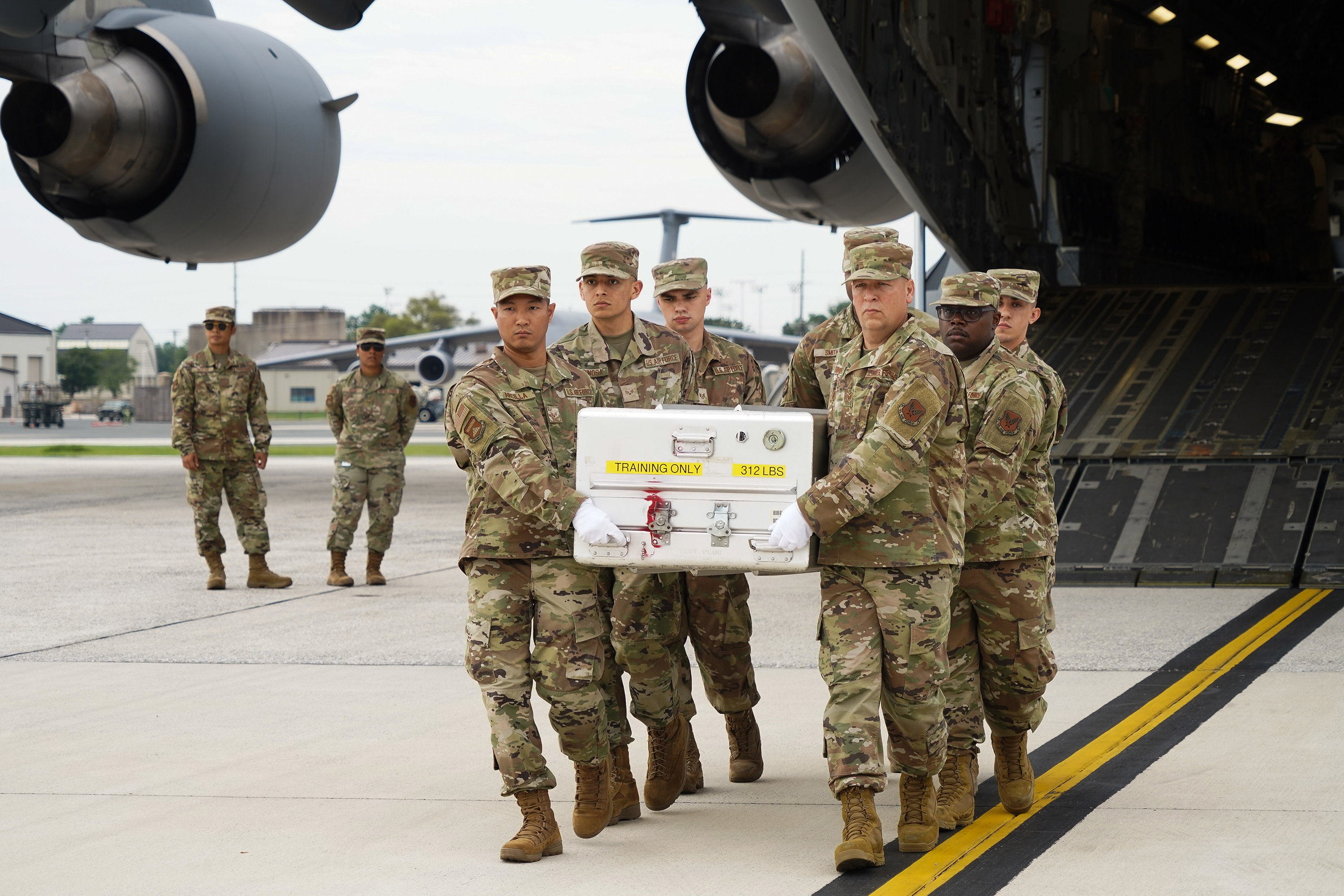
Applying for compassionate reassignment requires a well-structured approach and a clear understanding of the process. The application process involves several steps, including gathering required documentation, submitting the application, and navigating the review and approval process.
Required Documentation and Supporting Materials
The application for compassionate reassignment requires comprehensive documentation to support the request. These documents provide evidence for the compelling circumstances justifying the request.
- Medical Documentation:This includes medical records, diagnoses, and treatment plans from a qualified healthcare professional, detailing the medical condition or situation requiring compassionate reassignment.
- Family Member Documentation:This may include birth certificates, marriage certificates, death certificates, or legal guardianship documents to establish the relationship between the service member and the family member requiring care.
- Supporting Statements:Personal statements from the service member, family members, or healthcare professionals outlining the impact of the situation on the service member’s well-being and ability to serve effectively.
- Other Relevant Documentation:This can include court orders, legal documents, or any other evidence relevant to the situation, demonstrating the need for compassionate reassignment.
Review and Approval Process
The application for compassionate reassignment undergoes a rigorous review process to ensure the request meets the criteria and is granted fairly.
- Initial Review:The application is first reviewed by the service member’s chain of command. They assess the request’s completeness, supporting documentation, and initial eligibility based on the Army’s criteria.
- Command Endorsement:If the initial review finds the request valid, the service member’s chain of command will endorse the application. This endorsement signifies their support and recommendation for the compassionate reassignment.
- Higher-Level Review:The endorsed application is then forwarded to higher-level authorities for further review. This can include the service member’s branch of service, the Department of the Army, or the Department of Defense.
- Final Decision:The final decision on the compassionate reassignment request is made by the approving authority. This decision is based on the evidence provided, the severity of the situation, and the service member’s ability to continue serving effectively.
Impact of Compassionate Reassignment
Compassionate reassignment, while designed to address critical personal situations, can have significant effects on the individual soldier, their career, and the unit as a whole. Understanding these impacts is crucial for both the soldier seeking reassignment and the Army in managing this process effectively.
Impact on the Individual Soldier
The primary aim of compassionate reassignment is to alleviate the burden on the soldier facing a personal hardship. However, it’s important to acknowledge the potential emotional and psychological effects.
- Relief and Support:Reassignment can provide a much-needed sense of relief and support for the soldier dealing with a difficult situation. This can be especially valuable in cases involving family emergencies, illness, or other personal crises.
- Emotional Strain:While reassignment can be a positive step, the process itself can be emotionally draining. The soldier might face uncertainty, paperwork hurdles, and potential disruption to their career.
- Sense of Loss:Leaving their current unit and potentially their friends can lead to a sense of loss and separation. Soldiers may experience a sense of missing out on important unit events or bonding experiences.
Impact on the Soldier’s Career
Compassionate reassignment, while necessary, can impact the soldier’s career trajectory in various ways.
- Career Advancement:Reassignment might temporarily hinder career advancement opportunities, especially if it involves a change in MOS or unit. This is because the soldier may miss out on training or deployments that would have boosted their career.
- Transfer of Skills:The soldier might need to adjust to a new environment and learn new skills, potentially requiring additional training. This can impact their overall career development, as they might not be able to apply their existing expertise immediately.
- Impact on Future Assignments:Reassignment can affect future assignments. For instance, a soldier who has been reassigned due to family reasons might be less likely to be assigned to a remote or challenging location in the future.
Impact on the Unit and the Army
Compassionate reassignment can also have implications for the unit and the Army as a whole.
- Unit Cohesion:The departure of a soldier, especially one who has been part of the unit for a long time, can impact unit cohesion and morale. The remaining soldiers might feel a sense of loss or uncertainty.
- Operational Readiness:The unit might face temporary gaps in its operational readiness if the reassigned soldier held a critical role. This can require adjustments and retraining for other soldiers to fill the void.
- Resource Allocation:Compassionate reassignments require resources for processing applications, coordinating transfers, and potentially providing additional support to the affected soldier. This can impact the Army’s overall resource allocation and budgeting.
Alternatives to Compassionate Reassignment

Sometimes, compassionate reassignment isn’t the best fit for every situation. It’s like when you’re trying to choose the perfect outfit for a big event, you gotta consider all your options, right? So, let’s check out some other ways soldiers can handle tough situations.
Family Leave
Family leave is like a break from duty to spend time with your loved ones. It’s a great option if you need to take care of a family member who’s sick or facing a difficult situation. This could be a parent, spouse, or child.
You can apply for family leave for up to 14 days per year, but it depends on your unit’s needs. It’s a way to prioritize family without having to completely leave the Army.
For example, if your spouse is going through a medical crisis and needs your support, you can apply for family leave to be by their side.
Temporary Duty Assignment (TDY)
TDY is like a short-term work trip, but for soldiers. It’s a chance to be stationed at a different location for a specific period, which could be a few days or even a few months. This can be helpful if you need to be closer to a family member who needs your help, or if you want to explore different parts of the world.
Think of it like a mini-adventure that could help you cope with a challenging situation.
Early Retirement, Army compassionate reassignment
Sometimes, the best option is to move on from the Army altogether. Early retirement allows soldiers to leave the service before their regular retirement date. It can be a tough decision, but it can be a good choice if you’re facing a situation that’s making it difficult to continue your military career.
For example, if you’re dealing with a serious medical condition that’s impacting your ability to serve, early retirement might be the right path for you.
Medical Discharge
This is a discharge from the Army based on a medical condition that prevents you from fulfilling your military duties. If your medical condition makes it impossible for you to continue serving, a medical discharge might be the best option.
For example, if you’re diagnosed with a chronic illness that makes it difficult to deploy, a medical discharge could be the right decision for you.
Other Support Services
The Army offers a variety of support services to help soldiers cope with difficult situations. These services include counseling, financial assistance, and legal advice. These resources can be incredibly helpful in navigating challenging times and making informed decisions.
If you’re struggling with a personal issue, don’t hesitate to reach out to these services.
Resources and Support for Soldiers

Seeking compassionate reassignment can be a stressful and challenging process. The good news is that soldiers aren’t alone in this journey. The Army and various external organizations provide resources and support systems to guide soldiers through the process. These resources offer guidance, emotional support, and practical assistance to ensure a smooth transition.
Available Resources and Support Systems
The Army offers a comprehensive network of resources to assist soldiers seeking compassionate reassignment. These resources provide emotional support, legal guidance, and practical assistance to navigate the application process and its potential challenges.
- Army Community Service (ACS): ACS offers a range of programs and services designed to support soldiers and their families, including counseling, financial assistance, and relocation assistance. They can provide guidance on navigating the compassionate reassignment process and connect soldiers with relevant resources.
- Military OneSource: This comprehensive resource provides information, support, and referrals on various topics, including compassionate reassignment. They offer online resources, phone consultations, and in-person support services.
- Legal Assistance Office (JAO): JAO provides free legal advice and representation to soldiers on matters related to compassionate reassignment, including understanding the regulations and navigating the application process.
- Chaplain’s Office: Chaplains provide spiritual guidance and emotional support to soldiers and their families. They can offer a listening ear, provide guidance on coping with stress, and connect soldiers with relevant resources.
- Soldier and Family Assistance Center (SFAC): SFACs offer comprehensive support services to soldiers and their families, including financial assistance, housing assistance, and counseling. They can provide guidance on navigating the compassionate reassignment process and connect soldiers with relevant resources.
External Organizations
Beyond the Army, various external organizations offer valuable support and resources to soldiers seeking compassionate reassignment. These organizations provide guidance, financial assistance, and emotional support to navigate the challenges associated with relocation and family adjustments.
- The National Military Spouse Network (NMSN): NMSN offers resources and support for military spouses, including information on navigating relocation, finding employment, and accessing community resources. They can provide guidance on the impact of compassionate reassignment on military families.
- The Military Family Advisory Network (MFAN): MFAN is a non-profit organization that provides advocacy and support for military families. They offer resources and information on various topics, including compassionate reassignment, and connect families with relevant support services.
- The Wounded Warrior Project (WWP): WWP offers a range of programs and services to wounded, injured, and ill service members, including mental health support, career counseling, and financial assistance. They can provide guidance and support to soldiers seeking compassionate reassignment due to medical conditions.
Contact Information for Resources
| Organization | Contact Information ||—|—|| Army Community Service (ACS) | [Website] || Military OneSource | 1-800-342-9647 || Legal Assistance Office (JAO) | [Website] || Chaplain’s Office | [Website] || Soldier and Family Assistance Center (SFAC) | [Website] || The National Military Spouse Network (NMSN) | [Website] || The Military Family Advisory Network (MFAN) | [Website] || The Wounded Warrior Project (WWP) | 1-877-832-7655 |
Questions and Answers
Who is eligible for compassionate reassignment?
Soldiers facing compelling personal reasons, such as family illness, the need to care for a dependent, or other unforeseen circumstances, may be eligible. Eligibility criteria vary based on the specific situation and the soldier’s circumstances.
What is the approval process for compassionate reassignment?
The process involves submitting a formal request, providing documentation to support the claim, and undergoing a review by the appropriate authorities. The approval process can take time, and the final decision is based on the merits of the request and the needs of the Army.
What happens if my request for compassionate reassignment is denied?
If your request is denied, you may have the option to appeal the decision or explore other options, such as seeking a change in assignment through traditional means. The Army encourages soldiers to consult with their chain of command or legal counsel to understand their options.
What are the potential impacts of compassionate reassignment on my career?
Compassionate reassignment can impact your career progression and future assignments, depending on the circumstances. It’s crucial to discuss the potential implications with your leadership and understand how it may affect your long-term career goals.

Welcome to my website! Here’s a brief introduction about me.
I am Charles Pham, a passionate individual with a diverse range of interests and experiences. Throughout my life, I have pursued my curiosity and embraced various opportunities that have shaped me into the person I am today.
