Why is the Salvation Army bad? This question delves into the complexities of a well-known charitable organization, examining historical controversies, financial practices, religious beliefs, social impact, ethical considerations, and public perception. The Salvation Army, a Christian-based organization, has been a source of both praise and criticism for its work, sparking debate about its methods and effectiveness.
This exploration aims to provide a balanced and informative overview of the various perspectives surrounding the Salvation Army, highlighting both its strengths and weaknesses.
From its origins in the 19th century, the Salvation Army has faced scrutiny for its practices, including its emphasis on strict religious doctrines and its use of aggressive fundraising techniques. Critics have also raised concerns about the organization’s financial transparency, questioning the allocation of donations and the extent to which they reach those in need.
Furthermore, the Salvation Army’s stance on social issues, particularly those related to LGBTQ+ rights and reproductive healthcare, has generated significant controversy.
Social Impact and Effectiveness
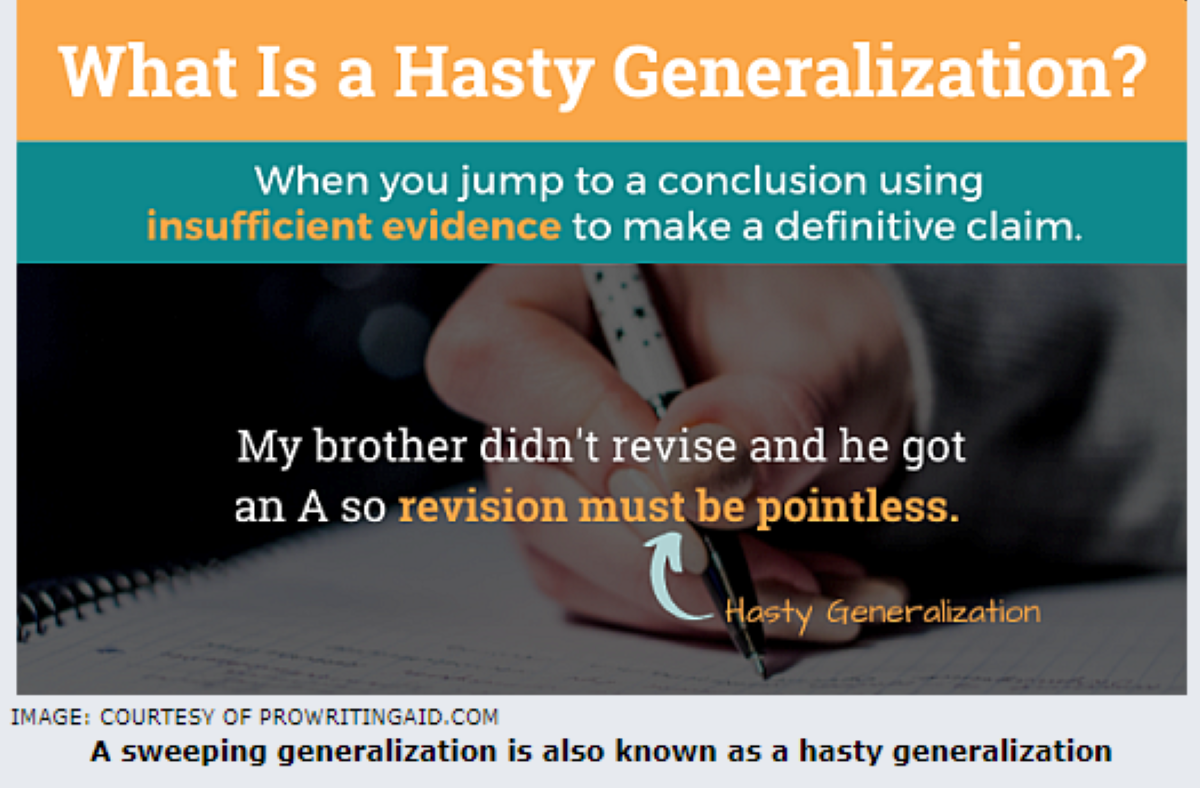
The Salvation Army is a global organization with a vast network of social programs aimed at addressing poverty, homelessness, hunger, and other social issues. Evaluating the effectiveness of these programs is crucial to understanding the organization’s impact and its contribution to societal well-being.This section delves into the effectiveness of the Salvation Army’s social programs, comparing its impact with other organizations working in similar areas.
It also explores criticisms regarding the Salvation Army’s approach to addressing social issues.
Effectiveness of Social Programs
The Salvation Army’s social programs aim to provide essential services to vulnerable populations, including food banks, homeless shelters, addiction recovery programs, and disaster relief efforts.
- Food Banks:The Salvation Army operates numerous food banks across the globe, providing food assistance to individuals and families facing food insecurity. Studies have shown that food banks play a significant role in alleviating hunger and improving nutritional outcomes for vulnerable populations.
A 2019 study by the Food Research & Action Center found that food banks provide crucial support for low-income families, with 80% of food bank clients reporting that the food they receive helps them avoid going hungry.
- Homeless Shelters:The Salvation Army operates shelters that provide temporary housing and support services to individuals experiencing homelessness. These shelters offer a safe and secure environment, along with access to essential resources such as food, clothing, and hygiene supplies. A 2021 report by the National Alliance to End Homelessness highlighted the role of homeless shelters in providing immediate assistance and connecting individuals with longer-term housing solutions.
- Addiction Recovery Programs:The Salvation Army offers addiction recovery programs that provide counseling, support groups, and residential treatment options for individuals struggling with substance abuse. Research suggests that evidence-based treatment programs, often integrated into Salvation Army recovery programs, are effective in reducing substance use and improving overall well-being.
A 2020 study published in the Journal of Substance Abuse Treatment found that individuals participating in residential treatment programs experienced significant reductions in drug use and improved mental health outcomes.
- Disaster Relief:The Salvation Army is known for its rapid response to natural disasters and humanitarian crises. Its disaster relief efforts involve providing food, water, shelter, and other essential supplies to affected communities. The organization’s commitment to disaster relief has been recognized globally, with its efforts often cited as a model for effective humanitarian response.
Comparison with Other Organizations
The Salvation Army’s social impact is often compared to other organizations working in similar areas, such as the Red Cross, Habitat for Humanity, and Catholic Charities. While each organization has its own strengths and focuses, the Salvation Army distinguishes itself through its comprehensive approach, addressing a wide range of social issues and providing services across multiple levels of need.
- Scope of Services:The Salvation Army’s services encompass a broader range of needs, including food security, housing assistance, addiction recovery, and disaster relief, compared to some organizations that specialize in specific areas. This comprehensive approach allows the Salvation Army to address the multifaceted challenges faced by vulnerable populations.
- Global Reach:The Salvation Army operates in over 130 countries, making it a truly global organization with a widespread impact. This global presence allows the organization to respond to humanitarian crises and address social issues on an international scale.
- Faith-Based Approach:The Salvation Army’s faith-based approach distinguishes it from some other organizations. While some individuals may perceive this as a barrier, others view it as a source of strength and motivation for the organization’s work. The Salvation Army’s faith-based mission inspires its volunteers and staff to provide compassionate care and support to those in need.
Criticisms of the Salvation Army’s Approach
While the Salvation Army’s social programs have had a positive impact on many lives, the organization has faced criticism regarding its approach to addressing social issues.
The Salvation Army, while known for its charitable work, has faced criticism for its handling of finances and its stance on certain social issues. It’s a stark contrast to the focus on practical needs during World War II, like figuring out which army had the best cigarettes which ww2 army had the best ciggerates.
Perhaps the Salvation Army could learn a thing or two about prioritizing basic needs from the soldiers of that era.
- Focus on Individual Responsibility:Some critics argue that the Salvation Army’s focus on individual responsibility and personal accountability can overlook the systemic factors that contribute to poverty and social inequality. They suggest that the organization’s approach may not adequately address the root causes of social issues.
- Religious Affiliation:The Salvation Army’s religious affiliation has also been a source of criticism. Some individuals may perceive the organization’s religious beliefs as a barrier to accessing services or may feel uncomfortable with the organization’s proselytizing activities.
- Financial Transparency:The Salvation Army has faced criticism regarding its financial transparency. Some individuals have raised concerns about the organization’s use of donations and the proportion of funds allocated to direct service delivery versus administrative expenses.
Ethical Considerations: Why Is The Salvation Army Bad
The Salvation Army, like any large organization, has faced ethical concerns over its operations. These concerns stem from its historical ties to the military, its handling of donations, and its stance on LGBTQ+ issues.
Scrutiny of the Salvation Army’s Stance on LGBTQ+ Issues
The Salvation Army’s stance on LGBTQ+ issues has been a source of significant controversy. Its teachings, rooted in its Christian beliefs, often oppose same-sex relationships and gender identity. This stance has led to accusations of discrimination and exclusion, particularly within the LGBTQ+ community.
“The Salvation Army believes that marriage is a sacred union between one man and one woman.”
This statement, found on the Salvation Army’s website, reflects its core belief system. While some individuals find comfort in this perspective, it has also sparked backlash from those who advocate for LGBTQ+ rights and inclusion.
Examples of Ethical Concerns
- Refusal to Provide Services to LGBTQ+ Individuals:In 2019, the Salvation Army in Australia refused to provide a service to a same-sex couple, citing their religious beliefs. This sparked public outrage and led to calls for boycotts.
- Allegations of Discrimination in Employment:Former Salvation Army employees have alleged that they were discriminated against or dismissed due to their sexual orientation or gender identity. These allegations have been widely publicized and have raised questions about the Salvation Army’s commitment to diversity and inclusion.
Salvation Army’s Responses to Ethical Concerns
The Salvation Army has defended its stance on LGBTQ+ issues, arguing that it is based on its religious beliefs and does not equate to discrimination. They maintain their commitment to providing services to all individuals in need, regardless of their sexual orientation or gender identity.
| Ethical Concern | Context | Salvation Army Response |
|---|---|---|
| Refusal to Provide Services to LGBTQ+ Individuals | The Salvation Army in Australia refused to provide a service to a same-sex couple in 2019. | The Salvation Army defended its decision, stating that it was based on its religious beliefs and not intended to discriminate. |
| Allegations of Discrimination in Employment | Former Salvation Army employees have alleged that they were discriminated against or dismissed due to their sexual orientation or gender identity. | The Salvation Army has denied these allegations and stated that it is committed to diversity and inclusion in its workforce. |
Public Perception and Media Coverage

The Salvation Army’s image in the public eye is a complex tapestry woven from both positive and negative threads, largely influenced by media portrayals. Understanding how the media shapes public perception is crucial for comprehending the organization’s ongoing challenges and opportunities.
Media Portrayals of the Salvation Army
The Salvation Army’s media coverage often reflects a mixed bag of perceptions. Positive portrayals frequently highlight their charitable work, especially during disaster relief efforts or holiday campaigns. Images of volunteers serving meals to the homeless or ringing bells for donations create a sense of compassion and goodwill.
On the other hand, negative representations often focus on controversial issues, such as allegations of financial mismanagement, discriminatory practices, or doctrinal stances that conflict with modern societal values.
Influence of Media Coverage on Public Perception, Why is the salvation army bad
Media coverage plays a significant role in shaping public perception by influencing public opinion and shaping narratives about the Salvation Army. Positive media coverage can boost public trust and support, leading to increased donations and volunteer participation. Conversely, negative media coverage can erode public confidence, resulting in reduced donations and a decline in volunteerism.
Public Controversies and their Impact
The Salvation Army has faced numerous public controversies throughout its history, each impacting public opinion in distinct ways.
- LGBTQ+ Issues:The Salvation Army’s stance against same-sex marriage and LGBTQ+ rights has sparked significant controversy, leading to boycotts and protests. This has alienated some segments of the population, particularly younger generations who are more likely to support LGBTQ+ rights.
- Financial Transparency:Allegations of financial mismanagement and questionable spending practices have raised concerns about the organization’s accountability and efficiency. These concerns have eroded public trust and led to calls for greater transparency.
- Racial Discrimination:The Salvation Army has been accused of racial discrimination in its hiring practices and service delivery. These allegations have further strained public trust and highlighted the organization’s need to address systemic inequalities.
User Queries
Is the Salvation Army a cult?
The Salvation Army is a Christian denomination, not a cult. It holds its own beliefs and practices within the broader Christian faith. While some might perceive its strict doctrines or intense evangelism as cult-like, it’s important to distinguish between religious groups and cults based on established criteria.
Does the Salvation Army discriminate against LGBTQ+ people?
The Salvation Army’s stance on LGBTQ+ issues has been a source of significant controversy. While the organization has stated a commitment to serving all people, its official policies and statements have been criticized for being discriminatory towards LGBTQ+ individuals. This is a complex and evolving issue, with ongoing debates about the Salvation Army’s approach to inclusivity.
How much of my donation actually goes to helping people?
The Salvation Army’s financial transparency has been a subject of debate. While the organization publishes financial reports, some critics argue that they lack sufficient detail. It’s important to research and compare different charities based on their financial transparency and how they allocate donations before making a contribution.

Whitney Morris is a renowned author with a passion for military history and strategic analysis. Born in Jakarta, Indonesia, Defense developed a deep fascination for warfare and national defense from a young age. His unwavering interest in military strategy, combined with his natural storytelling ability, has earned him a reputation as an engaging and insightful writer in the field.
