How the army runs isn’t just about marching in formation; it’s a complex system of structure, training, and logistics that ensures readiness for any mission. From the top brass to the newest recruit, every individual plays a vital role in keeping the machine running smoothly.
This thread dives into the inner workings of the army, exploring its hierarchical structure, rigorous training programs, and the vital support systems that enable its operations. We’ll uncover the key doctrines that guide its actions, the role of technology in modern warfare, and the values that underpin its culture.
Structure and Hierarchy
The United States Army operates under a strict hierarchical structure, ensuring efficient command and control across all levels. This structure dictates the flow of information and authority, ultimately ensuring the successful execution of military operations.
Chain of Command
The chain of command is a crucial element of the Army’s structure, establishing a clear line of authority from the highest ranking officer to the lowest. This system ensures that orders are passed down effectively and that accountability is maintained at every level.
- The President of the United States, as the Commander-in-Chief, is at the apex of the military chain of command. The President has the ultimate authority over all branches of the armed forces, including the Army.
- The Secretary of Defenseserves as the civilian head of the Department of Defense, overseeing all branches of the military. They are responsible for the overall strategy and direction of the armed forces, including the Army.
- The Secretary of the Army, a civilian appointed by the President, is responsible for the administration and management of the Army. They work closely with the Chief of Staff of the Army to ensure the Army’s readiness and effectiveness.
- The Chief of Staff of the Armyis the highest-ranking military officer in the Army. They are responsible for the overall operational readiness of the Army and advise the Secretary of the Army on all matters related to the Army.
- The Army’s General Staff, comprised of various departments and offices, assists the Chief of Staff in managing the Army’s operations and resources. These departments include the Department of the Army Staff, the Training and Doctrine Command, and the Forces Command.
- Army Commands, such as the United States Army Forces Command (FORSCOM), are responsible for the training and deployment of Army units. Each command is led by a general officer who reports to the Chief of Staff of the Army.
- Divisions and Brigadesare operational units within the Army that are responsible for specific missions. These units are led by general officers and are comprised of smaller units, such as regiments and battalions.
- Battalions and Companiesare the basic operational units within the Army. These units are typically led by lieutenant colonels and captains, respectively, and are responsible for specific tasks within a larger operation.
- Platoon and Squadleaders are the lowest-ranking officers in the Army. They are responsible for leading small groups of soldiers and carrying out specific tasks within a larger operation.
Orders and Communications
The Army utilizes a variety of methods for transmitting orders and information within its chain of command. These methods are designed to ensure that orders are communicated clearly, concisely, and efficiently.
- Verbal Orders: These are commonly used for immediate tasks or situations requiring rapid action. They are typically given face-to-face, ensuring clear understanding and immediate feedback.
- Written Orders: These are used for more complex or long-term operations, providing a written record of the orders and instructions. They are typically formatted according to specific Army regulations, ensuring clarity and consistency.
- Electronic Communication: With the advent of technology, the Army increasingly relies on electronic communication for orders and information. Secure platforms like SIPRNet and JWICS are used to transmit sensitive information, ensuring confidentiality and security.
Levels of Authority and Responsibility
Each level in the Army’s chain of command has specific responsibilities and levels of authority. This division of authority ensures that decisions are made at the appropriate level, allowing for efficient and effective operations.
- Higher-ranking officershave broader responsibilities, often overseeing large units or strategic planning. They are responsible for making high-level decisions and setting the overall direction of operations.
- Lower-ranking officershave more specific responsibilities, typically focusing on the tactical execution of orders and the well-being of their soldiers. They are responsible for ensuring the effective completion of tasks and the safety of their subordinates.
- Enlisted personnelare responsible for carrying out orders and contributing to the overall mission of the Army. They are responsible for maintaining their skills, adhering to regulations, and upholding the Army’s values.
Training and Doctrine: How The Army Runs

Training is the cornerstone of any successful army. It equips soldiers with the knowledge, skills, and physical abilities necessary to execute their duties effectively and safely in the face of diverse challenges. Through rigorous training, the army cultivates a culture of discipline, teamwork, and resilience, ensuring that soldiers are prepared to operate effectively as a cohesive unit.
Types of Training
The army employs a comprehensive training program that encompasses a variety of specialized disciplines, each tailored to the specific roles and responsibilities of different units and individuals. These training programs aim to develop a well-rounded soldier capable of adapting to various operational environments and fulfilling their assigned duties.
- Basic Combat Training (BCT):All recruits undergo BCT, a 10-week program that introduces them to the fundamentals of soldiering. This includes physical fitness, weapons handling, basic first aid, land navigation, and basic military tactics. BCT instills discipline, teamwork, and a sense of camaraderie among recruits, laying the foundation for their military careers.
- Advanced Individual Training (AIT):Following BCT, soldiers specialize in their chosen military occupational specialty (MOS). AIT provides in-depth training in specific skills, such as operating communication equipment, driving armored vehicles, or performing medical procedures. The duration of AIT varies depending on the MOS, ranging from weeks to months.
- Unit Training:After completing BCT and AIT, soldiers are assigned to specific units and participate in unit-level training. This training focuses on developing unit cohesion, mastering tactical procedures, and refining specific skills required for the unit’s mission. Unit training can involve live-fire exercises, field maneuvers, and simulations to prepare soldiers for real-world scenarios.
- Professional Military Education (PME):Throughout their careers, soldiers are required to participate in PME programs. These programs aim to enhance their leadership skills, develop critical thinking abilities, and broaden their understanding of military doctrine and strategy. PME programs range from basic leadership courses to advanced war colleges, offering soldiers opportunities for career progression and intellectual growth.
The army operates like a well-oiled machine, with each unit working in unison to achieve a common goal. Just as a car needs all its parts functioning properly to run smoothly, so too does the army require every soldier to contribute their skills and abilities.
Speaking of cars, I wonder how many seats were in a 1930 LaSalle 340 convertible? how many seats in a 1930 lasalle 340 convertible Perhaps that information could be useful in planning troop transport, though I doubt they’d be using a classic car for that purpose.
Regardless, the army’s structure is designed to be efficient and adaptable, just like a well-engineered vehicle.
Key Doctrines
The army’s operations are guided by a set of doctrines that define its strategic goals, operational concepts, and tactical principles. These doctrines provide a framework for decision-making, planning, and execution, ensuring that the army’s actions are consistent with its overarching objectives.
- Full Spectrum Operations:This doctrine acknowledges the diverse range of military operations that the army may be called upon to conduct, from large-scale combat to peacekeeping missions. It emphasizes the need for adaptability and flexibility to respond effectively to various threats and challenges.
- Joint Operations:The army operates as part of a larger joint force, alongside other branches of the military, such as the Navy, Air Force, and Marines. The doctrine of joint operations emphasizes the importance of coordination, communication, and interoperability between different services to achieve common goals.
- AirLand Battle:This doctrine, developed during the Cold War, emphasizes the integration of air and ground forces to achieve decisive results. It recognizes the importance of airpower in supporting ground operations and achieving battlefield dominance.
- Operational Maneuver from the Sea:This doctrine, relevant to the modern era, emphasizes the importance of sea power in projecting military force and supporting operations around the world. It recognizes the strategic advantages of operating from the sea, including flexibility, mobility, and the ability to access remote areas.
Logistics and Support
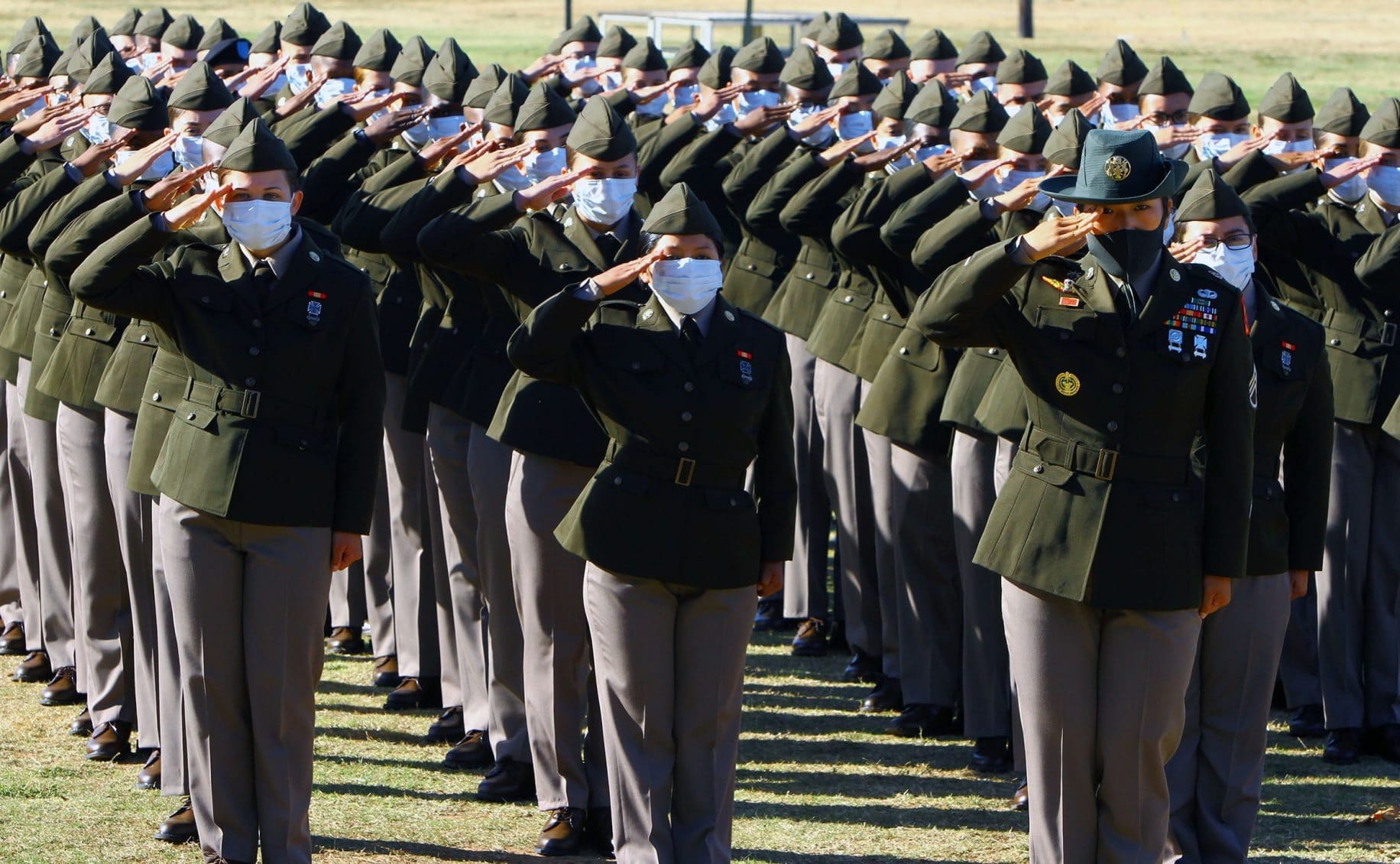
The logistical systems of an army are crucial for ensuring its operational success. They encompass the intricate network of personnel, processes, and resources that enable the army to maintain its fighting capacity and sustain its operations. This involves the continuous flow of supplies, equipment, and personnel to the front lines, ensuring troops have everything they need to effectively execute their missions.
Supply Chain Management
The army’s supply chain is a complex system that begins with the procurement of goods and services and culminates in their delivery to the point of need. The process involves multiple stages, including:
- Procurement:This involves the acquisition of supplies, equipment, and services from various sources, including domestic and international vendors. The army employs rigorous quality control measures to ensure that all procured items meet its stringent standards.
- Storage and Distribution:Once procured, supplies are stored in strategically located depots and warehouses. These facilities are designed to protect materials from the elements and maintain their integrity. Distribution networks are established to move supplies from depots to units in the field, utilizing a combination of road, rail, air, and sea transportation.
- Forward Deployment:Supplies are transported to forward operating bases and deployed to units in the field, ensuring that troops have access to the resources they require. This process is often coordinated with combat operations, ensuring that supplies reach their destination at the right time and place.
Food and Water Supply
Maintaining the nutritional needs of troops is paramount for their physical and mental well-being. The army employs a sophisticated food supply system that includes:
- Field Rations:These are pre-packaged meals designed to provide troops with balanced nutrition in a portable and convenient format. Field rations are categorized based on their shelf life and intended use, with options ranging from ready-to-eat meals to dehydrated foods requiring reconstitution.
The army runs on discipline, precision, and a shared sense of purpose. Just like a well-trained soldier needs to know their orders and execute them flawlessly, a student learning about the world needs to develop strong cognitive skills. Educational Word Searches can be a fun and engaging way to improve vocabulary, spelling, and critical thinking, which are essential for success in any field, including the military.
- Field Kitchens:In more established areas, field kitchens are deployed to prepare hot meals for troops. These kitchens are equipped with ovens, stoves, and other equipment necessary for food preparation and distribution.
- Water Purification:Access to clean drinking water is essential for troop health. The army utilizes various methods for water purification, including boiling, chemical treatment, and filtration systems. These systems are designed to remove contaminants and make water safe for consumption.
Medical Support
The army’s medical system is designed to provide comprehensive healthcare to its personnel, from preventive medicine to battlefield trauma care. Key elements of this system include:
- Medical Units:The army maintains a network of medical units, ranging from battalion aid stations to mobile hospitals, equipped to provide a wide range of medical services. These units are staffed by trained medical personnel, including doctors, nurses, and medics.
- Evacuation and Treatment:Injured or sick soldiers are evacuated from the battlefield to medical facilities using various methods, including helicopters, ambulances, and fixed-wing aircraft. Evacuation routes are carefully planned to minimize transit time and maximize the chances of survival.
- Preventive Medicine:The army places a strong emphasis on preventive medicine to minimize the risk of disease and injury. This includes vaccination programs, hygiene education, and environmental health monitoring.
Engineering Support, How the army runs
Engineering units play a vital role in supporting army operations by providing:
- Construction:Engineers construct bridges, roads, airfields, and other infrastructure necessary for military operations. They also build defensive fortifications and other structures to protect troops and equipment.
- Demolition:Engineers are trained in the use of explosives for breaching obstacles, destroying enemy structures, and clearing routes of passage.
- Repair and Maintenance:Engineers are responsible for the repair and maintenance of vehicles, equipment, and infrastructure. They ensure that the army’s assets are operational and ready for use.
Operations and Deployment

The Army’s operations and deployments are intricate endeavors, requiring meticulous planning and execution to achieve strategic objectives. The Army’s ability to project power globally and respond effectively to diverse challenges depends on its operational capabilities and deployment procedures.
Types of Military Operations
The Army conducts a wide range of military operations, each tailored to specific objectives and environments. These operations are categorized based on their purpose, scope, and intensity.
- Offensive Operations:These operations aim to seize and control territory, disrupt enemy forces, or achieve a decisive military advantage. Examples include major offensives, raids, and counteroffensives.
- Defensive Operations:Defensive operations focus on repelling enemy attacks, protecting key assets, and maintaining a strategic position. Examples include delaying actions, defensive battles, and perimeter security.
- Stability Operations:These operations aim to create a secure and stable environment in conflict zones or post-conflict areas. They often involve providing humanitarian assistance, rebuilding infrastructure, and supporting local governance.
- Special Operations:Special operations are conducted by highly trained and specialized units to achieve objectives that require unique capabilities. Examples include counterterrorism, hostage rescue, and direct action missions.
Deployment Process
Deploying troops to a conflict zone is a complex and multifaceted process that involves several stages.
- Planning and Preparation:This stage involves identifying the mission, assessing the threat, and developing a detailed operational plan. It includes gathering intelligence, selecting equipment, and training troops for the specific mission.
- Mobilization:Mobilization involves assembling troops, equipment, and supplies at designated staging areas. This stage ensures that all necessary resources are ready for deployment.
- Deployment:Deployment involves transporting troops and equipment to the operational area. This can be done by air, sea, or land, depending on the mission and logistical considerations.
- Staging and Integration:Once deployed, troops are staged in the operational area and integrated into the overall force structure. This stage involves establishing command and control, coordinating with other units, and preparing for mission execution.
Interagency Coordination
The Army often operates in conjunction with other branches of the military, as well as with interagency partners, to achieve shared objectives. This coordination ensures that operations are conducted effectively and efficiently.
- Joint Operations:The Army frequently participates in joint operations with the Navy, Air Force, and Marine Corps. These operations involve combining the unique capabilities of each service to achieve a common goal. For example, in a joint amphibious assault, the Army might provide ground forces while the Navy provides naval support and the Air Force provides air cover.
- Interagency Collaboration:The Army also collaborates with other government agencies, such as the State Department, the Department of Homeland Security, and the Federal Bureau of Investigation, to address complex challenges. This collaboration is essential for achieving national security objectives and responding effectively to crises.
Technology and Innovation
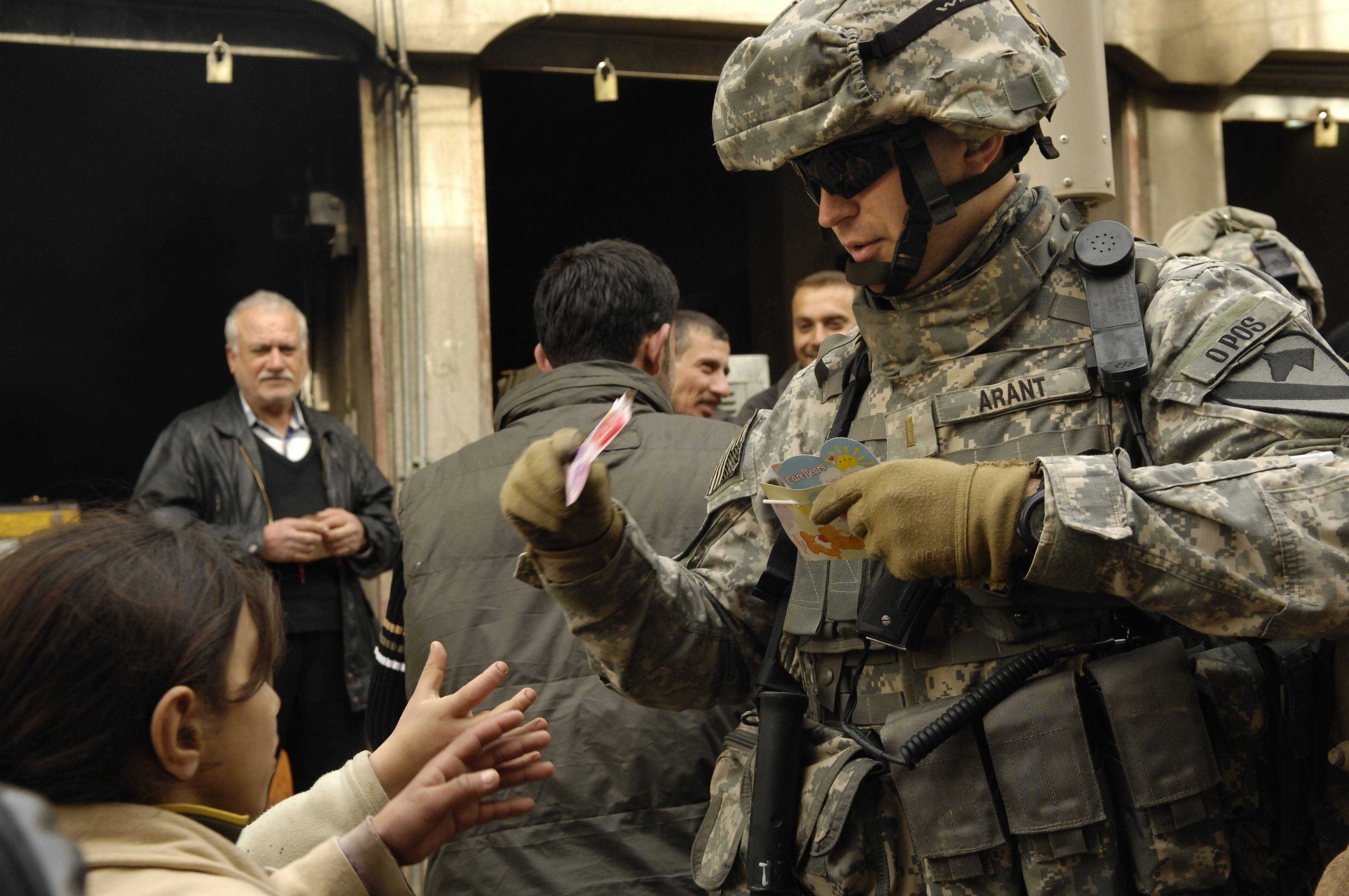
Technology has fundamentally transformed the landscape of modern warfare, creating a complex and dynamic environment where information, speed, and precision are paramount. The integration of advanced technologies has redefined how armies operate, communicate, and engage in combat, leading to significant changes in tactics, strategies, and even the very nature of conflict.
The Role of Technology in Modern Warfare
The role of technology in modern warfare is multifaceted and pervasive, encompassing a wide range of applications that enhance operational effectiveness, improve situational awareness, and enhance the ability to project power.
- Communication and Information Sharing:Secure and reliable communication networks, including satellite systems, radio links, and encrypted data transmission, enable seamless information flow across the battlefield, facilitating real-time decision-making and coordinated operations. This enhanced communication capability empowers commanders to react swiftly to changing circumstances and optimize resource allocation.
- Precision Targeting and Weapon Systems:The development of precision-guided munitions, unmanned aerial vehicles (UAVs), and advanced sensor technologies has significantly increased the accuracy and lethality of modern weapons systems. These technologies enable targeted strikes against specific objectives, minimizing collateral damage and enhancing the effectiveness of military operations.
- Intelligence, Surveillance, and Reconnaissance (ISR):Advanced ISR capabilities, including satellite imagery, aerial reconnaissance, and electronic surveillance, provide critical information about enemy activities, terrain, and infrastructure. This intelligence gathering enables commanders to develop informed strategies, anticipate enemy movements, and make informed decisions regarding troop deployments and operations.
- Cyber Warfare and Information Operations:The digital realm has become an integral part of modern warfare, with cyber attacks and information operations playing a significant role in disrupting enemy communications, networks, and infrastructure. These operations can have a profound impact on military operations, logistics, and even public opinion, highlighting the importance of cybersecurity and information warfare capabilities.
- Robotics and Automation:The integration of robotics and automation in military operations is rapidly increasing, with unmanned systems being deployed for reconnaissance, surveillance, and even combat. These technologies offer significant advantages in terms of reducing risk to human personnel, extending operational reach, and performing tasks that are hazardous or repetitive.
Impact of New Technologies on Army Operations
The rapid pace of technological advancements has had a profound impact on army operations, leading to significant changes in how armies are organized, trained, and deployed.
- Network-Centric Warfare:Modern armies are increasingly adopting a network-centric approach to warfare, where information is shared seamlessly across all levels of command. This interconnectedness enables rapid decision-making, improved situational awareness, and coordinated operations, enhancing the overall effectiveness of military forces.
- Agile and Adaptive Operations:The introduction of new technologies has facilitated the development of more agile and adaptive operational concepts, allowing armies to respond rapidly to changing circumstances and seize opportunities. This adaptability is crucial in modern warfare, where conflicts are often characterized by rapid shifts in the battlefield and the emergence of new threats.
- Increased Emphasis on Information Warfare:The rise of cyber warfare and information operations has shifted the focus of military operations to include the information domain. Armies are now investing heavily in developing cyber defense capabilities, conducting information warfare campaigns, and protecting their own networks from attacks.
- The Rise of Unmanned Systems:The increasing use of unmanned systems, such as drones, robots, and autonomous vehicles, is revolutionizing the way armies conduct operations. These systems offer significant advantages in terms of reducing risk to human personnel, extending operational reach, and performing tasks that are hazardous or repetitive.
Army Adaptation to Technological Advancements
To remain effective in the face of rapid technological advancements, armies must constantly adapt and evolve. This adaptation involves a range of initiatives, including:
- Investing in Research and Development:Armies are investing heavily in research and development to stay ahead of the technology curve, developing new weapons systems, sensors, communication technologies, and other innovative solutions that enhance operational capabilities.
- Training and Education:Soldiers and officers need to be trained and educated in the use of new technologies, ensuring they are proficient in operating and maintaining advanced systems, interpreting data, and applying technological solutions to real-world scenarios.
- Developing New Doctrines and Strategies:Armies are constantly updating their doctrines and strategies to reflect the changing nature of warfare and incorporate new technologies. This adaptation ensures that military operations are conducted effectively and efficiently in the modern technological environment.
- Building Partnerships and Collaborations:Armies are increasingly collaborating with private industry, research institutions, and other nations to leverage technological advancements and share knowledge. These partnerships facilitate the development and deployment of new technologies, fostering innovation and collaboration in the defense sector.
Culture and Values
The army’s culture is deeply rooted in its core values, which guide its actions and shape its identity. These values are not merely words on a page; they are the foundation upon which the army’s strength and effectiveness are built.
Core Values
The core values of the army are the guiding principles that define its character and shape its behavior. They serve as a compass, directing the army’s actions and decisions, ensuring that its conduct remains aligned with its principles. These values are not merely abstract ideals; they are lived experiences, instilled through rigorous training and embodied in the daily lives of soldiers.
- Loyalty: This value emphasizes unwavering allegiance to the nation, the army, and one’s comrades. It fosters a sense of trust and dependability, essential for effective teamwork and mission success.
- Duty: Duty signifies a commitment to fulfilling one’s responsibilities, regardless of personal hardship or risk. It underscores the importance of selflessness and sacrifice in service to a greater cause.
- Respect: Respect for individuals, regardless of rank or background, is paramount in the army. It promotes a culture of inclusivity and mutual understanding, fostering a cohesive and respectful environment.
- Selfless Service: This value emphasizes putting the needs of the mission and one’s comrades above personal interests. It fosters a spirit of sacrifice and dedication, essential for achieving collective goals.
- Honor: Honor is the unwavering commitment to uphold ethical standards and maintain integrity in all actions. It embodies the army’s commitment to honesty, fairness, and accountability, ensuring trust and credibility.
- Courage: Courage is the ability to face fear and danger with determination, acting decisively in the face of adversity. It is the cornerstone of the army’s fighting spirit, enabling soldiers to overcome challenges and achieve victory.
- Commitment: Commitment signifies unwavering dedication to the army’s mission and goals. It embodies a sense of purpose and resolve, driving soldiers to strive for excellence and achieve success.
Discipline and Teamwork
Discipline and teamwork are fundamental pillars of the army’s culture. They are essential for maintaining order, efficiency, and effectiveness in all operations.
“Discipline is the soul of an army. It makes small numbers formidable; it makes the weak strong; it makes the strong invincible.”
Frederick the Great
- Discipline: Discipline in the army goes beyond mere obedience. It encompasses self-control, adherence to rules, and the ability to perform under pressure. This strict adherence to regulations fosters a culture of accountability and ensures the smooth functioning of the army.
- Teamwork: The army operates on the principle of collective effort. Soldiers are trained to work together, relying on each other’s strengths and compensating for weaknesses. This fosters a sense of unity and shared responsibility, crucial for achieving mission success.
Camaraderie
The army fosters a strong sense of camaraderie among its soldiers, a bond forged through shared experiences, mutual respect, and a deep understanding of the challenges they face together.
- Shared Experiences: Soldiers undergo rigorous training and often face dangerous situations together, creating a unique bond that transcends personal differences. These shared experiences foster a sense of trust and mutual support, creating a strong foundation for camaraderie.
- Mutual Respect: The army emphasizes respect for all soldiers, regardless of rank or background. This promotes a culture of inclusivity and understanding, creating a supportive environment where soldiers feel valued and respected.
- Challenges Faced Together: The army’s demanding environment requires soldiers to rely on each other for support and guidance. Facing challenges together strengthens bonds and fosters a sense of unity, creating a powerful sense of camaraderie.
Questions and Answers
What are the main branches of the army?
The army typically has branches like infantry, artillery, armor, aviation, and engineering, each specializing in different aspects of warfare.
How long is basic training in the army?
Basic training for the army typically lasts around 10 weeks, though it can vary depending on the specific branch and country.
What are some examples of army technology?
Modern armies utilize a wide range of technologies, including advanced weaponry, drones, communication systems, and sophisticated intelligence gathering tools.

Welcome to my website! Here’s a brief introduction about me.
I am Charles Pham, a passionate individual with a diverse range of interests and experiences. Throughout my life, I have pursued my curiosity and embraced various opportunities that have shaped me into the person I am today.
